
Diverter Valve | Bulk Material Flow Control
Efficient, Dust-Free Switching for Cement & Bulk Materials
Katup Diverter untuk Aliran Semen & Material Curah
Overview
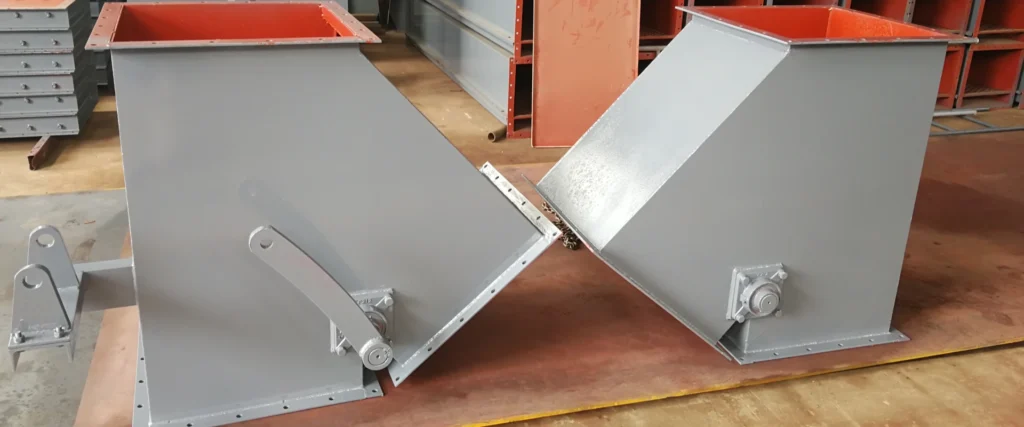
The Diverter Valve is a critical industrial component used to control and redirect the flow of cement, powder, granules, pellets, and bulk materials between conveying lines, silos, storage bins, and pneumatic systems. Designed for high-capacity material handling, it ensures smooth, dust-free operation, minimal leakage, and no blockages, even in high-volume cement plants and bulk material processing facilities.
LVRUI’s diverter valves are specifically engineered for cement, fly ash, lime, and clinker transfer systems, providing precise flow control, robust construction, and reliable operation. These valves help increase system efficiency, reduce downtime, and maintain a clean working environment, making them ideal for cement production plants in Indonesia, Southeast Asia, and global industrial powder handling operations.
These versatile industrial diverter valves are widely used across cement factories, fly ash handling systems, grain terminals, chemical processing plants, fertilizer production, and mining operations. Depending on the material type and conveying method, the valves can be configured as pneumatic, electric, or gravity-operated, offering flexible integration with bulk material transfer systems, silo discharge equipment, and pneumatic conveying pipelines.
Learn more about our bulk material handling equipment for cement, powder, and granular material transfer.
Features
✅ Dust-tight and air-tight sealing to prevent powder leakage
✅ Wear-resistant flow channels for abrasive bulk materials
✅ Smooth and accurate material flow direction switching
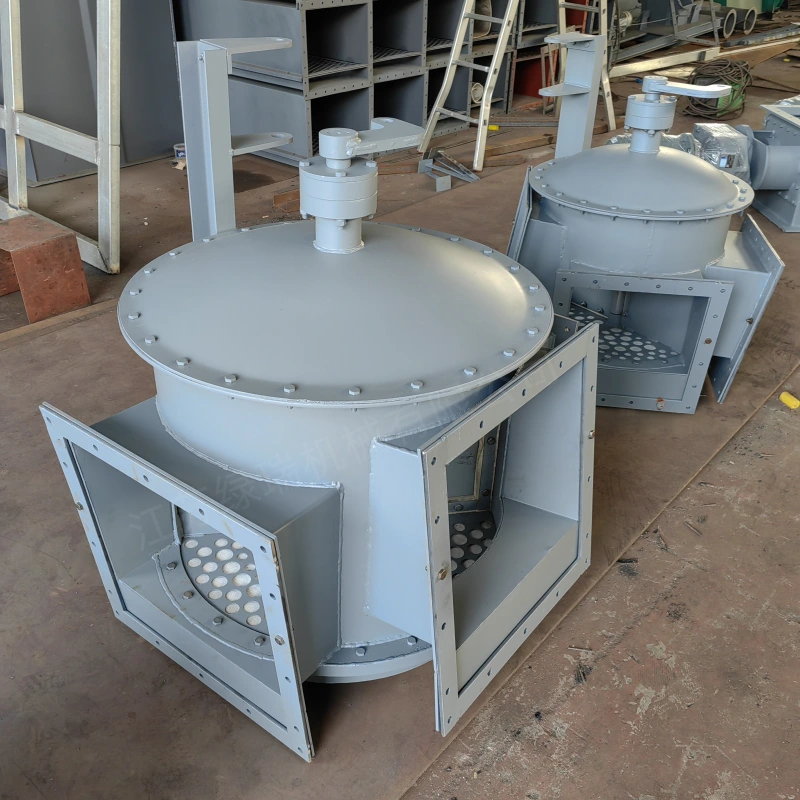
✅ Available as two-way, three-way, or multi-way diverter valve
✅ Compatible with pneumatic conveying, gravity flow, and mechanical conveying systems
✅ Manual, electric, or pneumatic actuation options
✅ Suitable for cement, fly ash, lime powder, mineral powder, grain, and plastic pellets
✅ Heavy-duty carbon steel, stainless steel, or high-temperature alloy construction
Working Principle
✅ Material enters through the inlet port
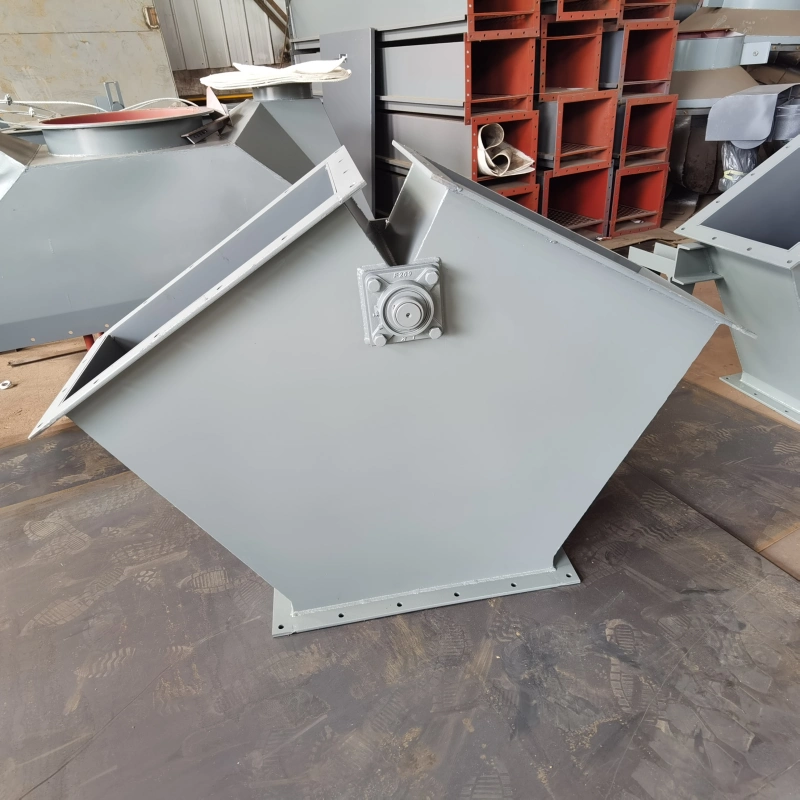
✅ The internal blade or flap rotates to redirect flow
✅ Material is routed to Outlet A or Outlet B (or additional outlets for multi-way type)
✅ Sealed structure prevents dust escape and backflow
✅ Stable operation ensures consistent material feeding in conveying pipelines
Material enters the material flow diverter through the inlet port and is guided by an internal flap, blade, or rotor mechanism. By rotating or shifting the internal component, the diverter valve redirects material flow to one or more outlet ports.
The sealed structure ensures dust-free operation and prevents backflow, making the diverter valve ideal for continuous conveying systems. Stable switching guarantees consistent material feeding, even in high-capacity or high-temperature conveying pipelines.
Applications
✅ Cement plants
✅ Fly ash & lime powder systems
✅ Dust collector outlets
✅ Pneumatic conveying pipelines
✅ Silo and hopper distribution
✅ Grain and chemical materials
✅ Fertilizer, food-grade powder, plastic pellets
✅ Mining and mineral processing
Reference →OSHA dust safety
Advantages
✅ Accurate material flow direction switching
✅ Dust-free and air-tight sealing
✅ Suitable for high-temperature or abrasive materials
✅ Low flow resistance and smooth transition
✅ Durable construction and long service life
✅ Fully compatible with conveying system automation
✅ Available in carbon steel, stainless steel, and special alloys
Types of Diverter Valves
To meet different industry requirements, the diverter unit is available in:
✅ Two-way diverter valve (A/B switching)
✅ Three-way diverter equipment (multi-direction flow)
✅ Pneumatic diverter valve (air-operated)
✅ Electric industrial diverter
✅ Gravity flow direction valve
✅ Rotary powder flow diverter
✅ Wear-resistant industrial diverter for abrasive materials
✅ bulk material diverter for pneumatic conveying systems
✅ material flow diverter for silo discharge
Related product → Air Slide Conveyor
FAQS About Diverter Valves
What is a material flow diverter used for in cement plants?
A material flow diverter is used to control and redirect the flow of cement, powder, granules, and bulk materials between conveying lines, silos, storage bins, and pneumatic systems in industrial plants. It ensures smooth, dust-free material transfer, improves efficiency, and minimizes downtime in cement production facilities in Indonesia, Southeast Asia, and globally.
What materials can a powder flow diverter handle?
Diverter valves are suitable for cement, fly ash, lime powder, clinker, mineral powders, grains, pellets, and other bulk materials, including abrasive or high-temperature powders with proper lining. These valves are ideal for high-capacity powder and bulk material handling systems in cement plants and industrial processing facilities.
What is the difference between a two-way and three-way diverter valve?
A two-way diverter valve switches material flow between two outlet ports, while a three-way or multi-way diverter valve allows material to be directed to multiple discharge points. This flexibility makes it suitable for complex cement transfer systems, pneumatic conveying pipelines, and silo discharge applications.
Is customization available for bulk material diverter?
Yes. Material flow diverters can be customized based on material type, conveying method, temperature, outlet number, and actuator type. This allows optimal integration into cement plants, powder transfer systems, and bulk material processing facilities across Indonesia, Southeast Asia, and other industrial markets.
How do diverter valves improve efficiency and safety in cement plants?
By providing dust-tight and air-tight sealing, accurate flow direction control, and smooth switching between conveying lines, diverter valves reduce material loss, prevent backflow, and ensure consistent feed rates. This enhances system efficiency, reduces downtime, and maintains a clean and safe working environment in cement and bulk material handling operations.
Ready to Get a Reliable Diverter Valve Solution?
Partner with LVRUI for professional bulk material handling solutions and responsive technical support.
✅ Get expert quotation and customized cement & bulk powder handling solution within 12 hours
✅ Factory direct supply for fly ash, clinker, and cement silo loading systems
✅ Professional engineering support for bulk powder handling projects in Southeast Asia and Indonesia
✅ Stable delivery for overseas industrial projects