
Bucket Elevator for Cement, Clinker and Bulk Materials
TD, NE, TH and HL Bucket Elevator Series for Cement Plant and Bulk Material Handling
What Is a Bucket Elevator?
A bucket elevator is an enclosed vertical conveying machine that uses a series of buckets attached to a belt or chain to lift bulk materials from a lower inlet to an upper discharge point. LVRUI manufactures bucket elevators for cement, clinker, fly ash, limestone and other dry bulk materials. Bucket type, lifting height, capacity, drive configuration and casing design can be customized according to plant requirements.
Bucket elevators are commonly integrated into a complete conveying system with horizontal conveyors, feeders, storage silos, and downstream processing equipment.
Features
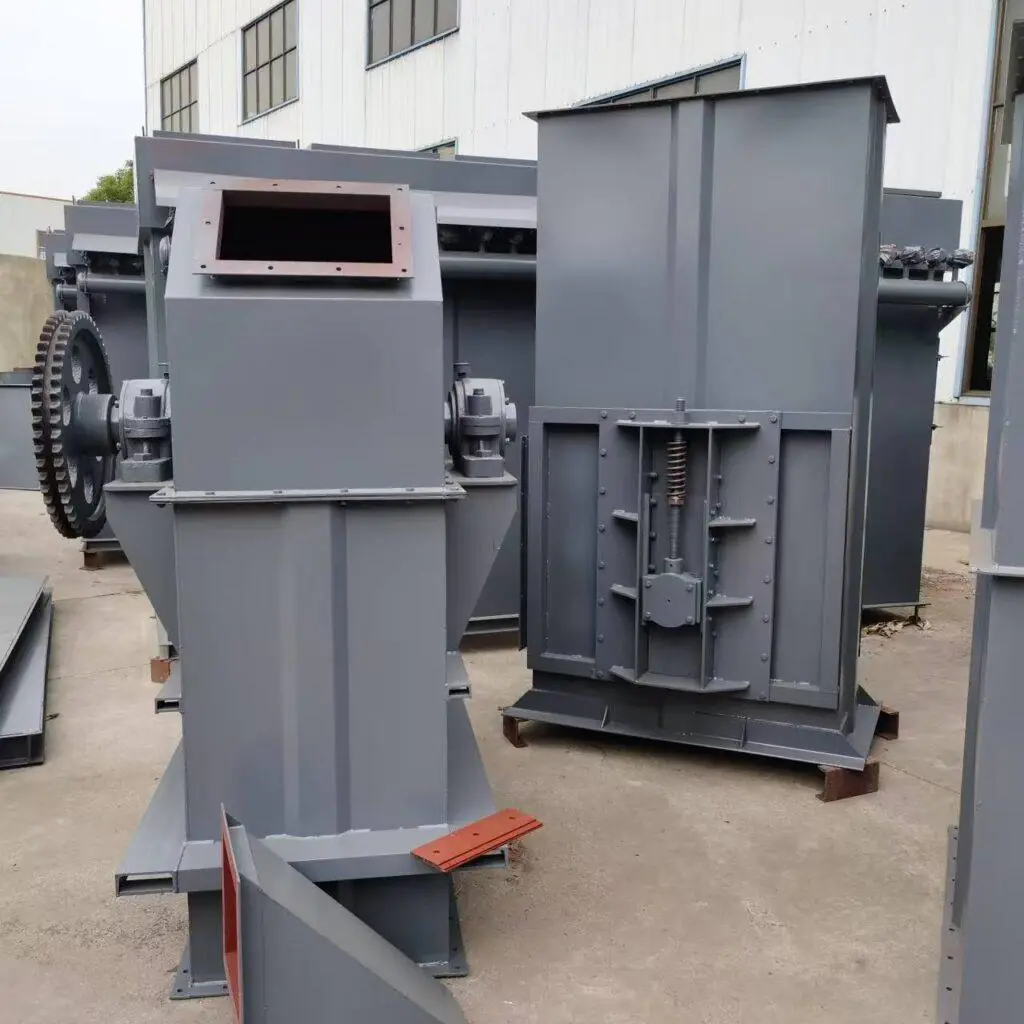
✅ Enclosed Vertical Conveying
Steel casing helps reduce material spillage and dust escape during lifting.
✅ Multiple Configuration Options
TD, NE, TH and HL series are available for different powder, granular and abrasive material conditions.
✅ Customized Capacity and Lifting Height
Bucket size, operating speed, casing height and drive power can be configured according to requirements.
✅ Wear-Resistant Design
Reinforced buckets, wear liners and heavy-duty chains are available for clinker and abrasive materials.
✅ Flexible Connection Arrangement
Inlet, outlet and connection dimensions can be customized according to plant layout.
Types of Bucket Elevators
LVRUI supplies four main vertical conveying series, including TD belt type, NE plate chain type, TH ring chain type and HL deep bucket type. Different series are selected according to material characteristics, capacity requirements and operating conditions. For complete bulk material conveying solutions, see our bulk material handling equipment.
| Series | Capacity Range | Reference Lifting Height | Traction Type | Reference Motor Power |
|---|---|---|---|---|
| NE Series | 30–400 t/h | 10–70 m | Plate chain | 7.5–75 kW |
| TD Series | 20–160 t/h | 10–70 m | Belt | 4–45 kW |
| TH Series | 15–250 t/h | 10–70 m | Ring chain | 4–55 kW |
| HL Series | 30–200 t/h | 15–70 m | Deep Bucket Chain | 7.5–55 kW |
These values are for preliminary selection only. Actual capacity, lifting height and motor power depend on material characteristics, bucket filling rate, operating speed, feeding condition and installation requirements.
For engineering reference, bucket elevator design and selection can also be reviewed according to relevant CEMA conveyor industry standards.
Suitable Materials and Applications
Bucket elevators are widely used in cement plants, powder processing and bulk material handling systems.
Typical materials include:
✅ Cement
✅ Fly ash
✅ Lime powder
✅ Mineral powder
✅ Gypsum powder
✅ Clinker and slag
✅ Limestone
✅ Dry bulk solids
Typical applications include:
✅ Vertical conveying to silos and storage equipment
✅ Feeding process equipment and packing systems
✅ Lifting clinker and bulk materials between production stages
✅ Connecting with horizontal conveyors and transfer systems
Wet, sticky or highly abrasive materials require additional evaluation to confirm suitable bucket, chain and casing configurations.
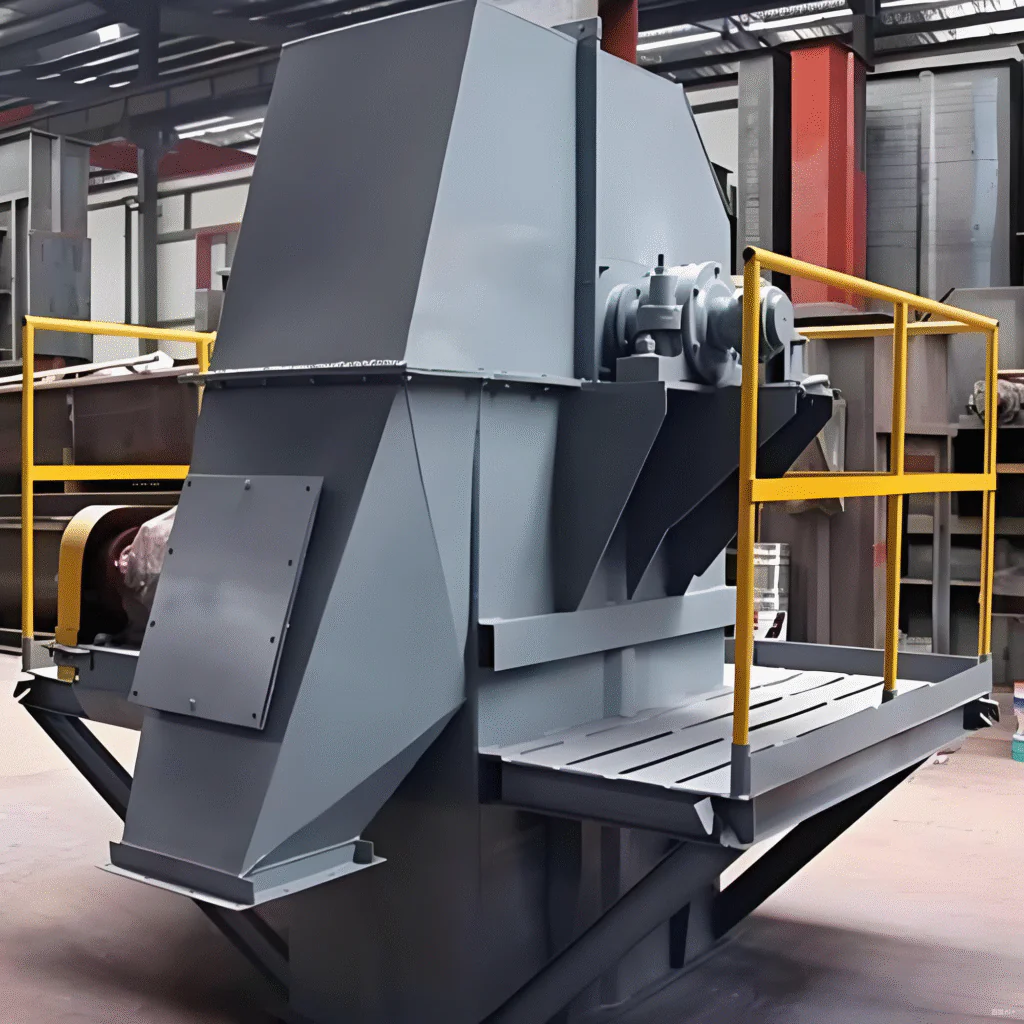
For horizontal bulk material transfer before or after vertical lifting, a belt conveyor can be used as part of the conveying system.
How Does a Bucket Elevator Work?
Material enters the boot section through the lower inlet and fills the moving buckets. The belt or chain carries the loaded buckets upward through the enclosed casing.
When the buckets reach the head section, the material is discharged into the outlet chute. Depending on the operating speed, bucket shape and material characteristics, discharge may occur through centrifugal force, gravity or a combination of both.
The empty buckets then return downward to the boot section and repeat the conveying cycle.
Stable operation depends on controlled feeding, correct belt or chain tension, aligned head and tail components, suitable bucket spacing and an unobstructed discharge chute. Excessive feeding can cause material accumulation in the boot section and increase the risk of overload.
How to Select the Correct Type
A suitable bucket elevator type depends on material characteristics, capacity, lifting height and operating conditions.
✅ TD Belt Bucket Elevator
Suitable for cement, fly ash and dry powder materials requiring smooth and quieter operation.
✅ NE Plate Chain Bucket Elevator
Suitable for higher loads and abrasive materials such as clinker and minerals.
✅ TH Ring Chain Bucket Elevator
Used for medium-duty applications with granular bulk materials.
✅ HL Bucket Elevator
Suitable for vertical lifting applications requiring deep buckets.
Information Required for Selection
Please provide the following information before quotation:
| Required Information | Details |
|---|---|
| Material | Name, bulk density and particle size |
| Material Condition | Dry, moist, free-flowing, sticky or abrasive |
| Material Temperature | Normal and maximum temperature |
| Required Capacity | Conveying rate in t/h or m³/h |
| Lifting Height | Distance between the inlet and discharge level |
| Feeding Method | Belt conveyor, screw conveyor, chute, hopper or other equipment |
| Discharge Direction | Required outlet orientation and connection size |
| Operating Schedule | Continuous or intermittent operation |
| Construction Material | Carbon steel, stainless steel or special requirement |
| Site Layout | Installation drawing and available maintenance space |
| Power Supply | Voltage, frequency and motor requirements |
| Safety Devices | Speed, blockage, misalignment or level monitoring |
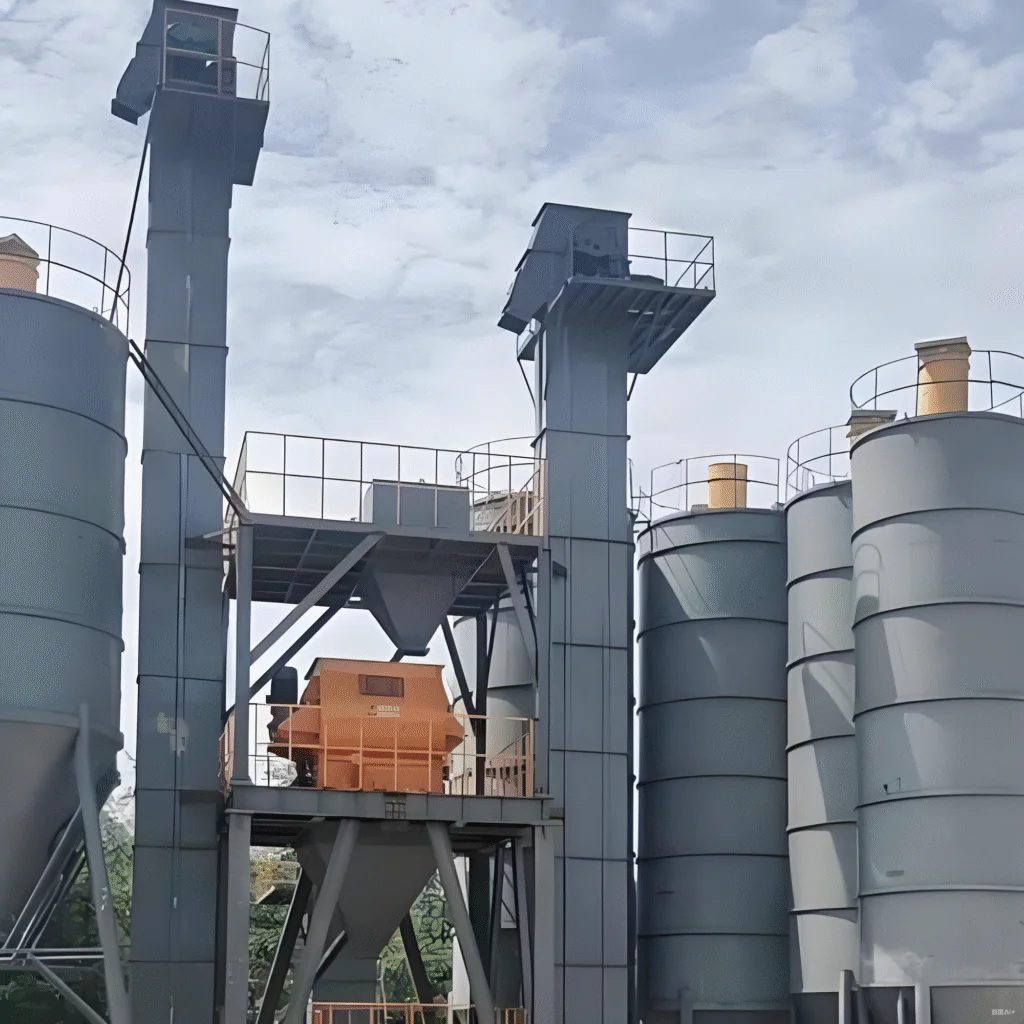
Main Components
A typical bucket elevator includes:
✅ Head section with drive pulley or sprocket
✅ Boot section with inlet and tensioning device
✅ Intermediate casing sections
✅ Belt or chain with buckets
✅ Drive unit and safety devices
✅ Inspection and maintenance openings
The configuration depends on the selected series, material characteristics and operating conditions. Wear-resistant components can be provided for clinker, slag and abrasive materials.
Belt Bucket Elevator vs Chain Bucket Elevator
The choice between a belt and chain configuration mainly depends on the material and operating conditions.
A belt elevator is commonly used for dry powder and relatively light materials. It normally operates with lower noise and does not require chain lubrication, but the belt temperature limit and tracking condition must be considered.
A chain elevator is more suitable for heavy, abrasive or elevated-temperature materials. However, the chain, sprockets and buckets generally require closer inspection for elongation, wear and alignment.
Neither configuration is universally better. The correct design is the one that matches the material, capacity, height, temperature and maintenance environment.
Manufacturing, Inspection and Delivery
LVRUI manufactures vertical conveying equipment according to approved drawings and project requirements, including casing sections, head and boot assemblies, buckets, and connection components.
Before shipment, key items are inspected:
✅ Main dimensions and lifting height
✅ Inlet and outlet arrangement
✅ Bucket and belt/chain assembly
✅ Shaft alignment and tensioning
✅ Drive and safety components
✅ Surface treatment and appearance
Large elevators can be supplied in transport sections for easier shipment. Final assembly and alignment are completed according to the installation requirements.
Bucket Elevator FAQs
What materials can a bucket elevator handle?
Bucket elevators can handle cement, fly ash, lime powder, mineral powder, clinker, slag, limestone and other dry bulk materials.
What is the difference between a belt bucket elevator and a chain bucket elevator?
A belt bucket elevator is generally suitable for dry powder, normal operating temperatures, and quieter operation. A chain bucket elevator is normally selected for heavier, hotter, or more abrasive materials such as clinker and slag.
How do I select the correct capacity?
Capacity selection depends on material characteristics, required throughput, lifting height, bucket size, filling rate and operating conditions. Stable feeding is also important to achieve reliable elevator performance.
Can a bucket elevator handle high-temperature clinker?
A chain-type configuration may be suitable for elevated-temperature clinker, but the actual temperature limit depends on the chain, buckets, bearings, seals, lubrication and casing design. The maximum temperature must be confirmed before selection.
What causes bucket elevator blockage or material return?
Common causes include excessive feeding, insufficient bucket speed, poor inlet design, blocked discharge chutes, material buildup, incorrect bucket selection or inadequate tensioning. For a more detailed diagnosis, read our guide to bucket elevator backflow causes and troubleshooting.
What information is required for quotation?
Please provide the material, required capacity, lifting height, bulk density, particle size, operating temperature, feeding method, discharge direction, operating schedule, power supply, and site layout drawing.
How high can this equipment lift material?
Bucket elevator lifting height depends on the selected model, capacity requirement, material characteristics and plant layout. LVRUI provides customized designs according to actual project requirements.
Need a Bucket Elevator for Your Application?
Send us your material, required capacity, lifting height, operating temperature, inlet and outlet dimensions, and site layout. LVRUI will recommend a suitable TD, NE, TH, or HL bucket elevator configuration based on your working conditions.
✅ Belt and Chain Configurations Available
✅ Customized Capacity, Lifting Height, and Connections
✅ Wear-Resistant Options for Clinker and Abrasive Materials
✅ Factory Assembly and Inspection Before Shipment