Cement grinding plant vs integrated cement plant process flow comparison

Cement Grinding Plant vs Integrated Cement Plant: What’s the Difference?

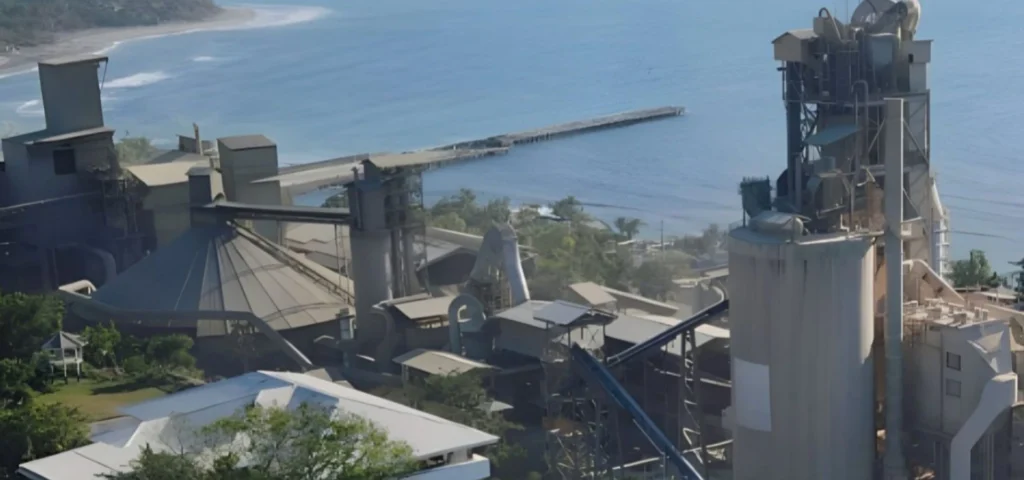
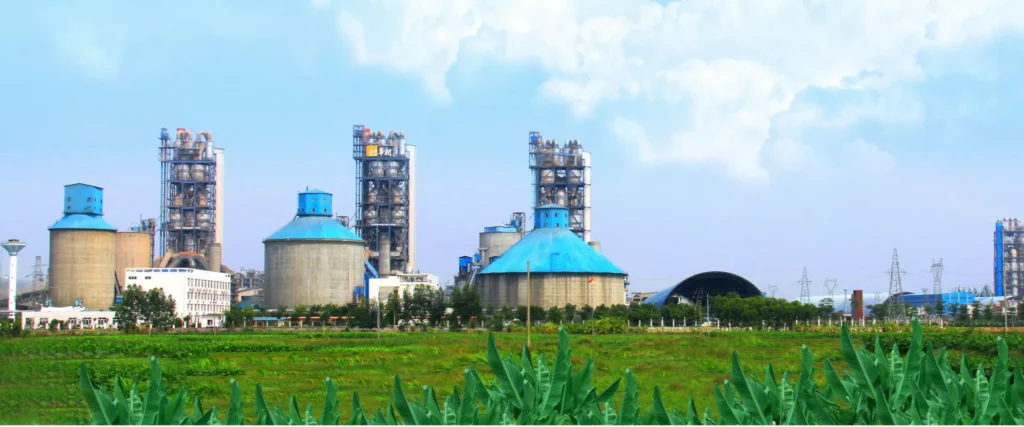
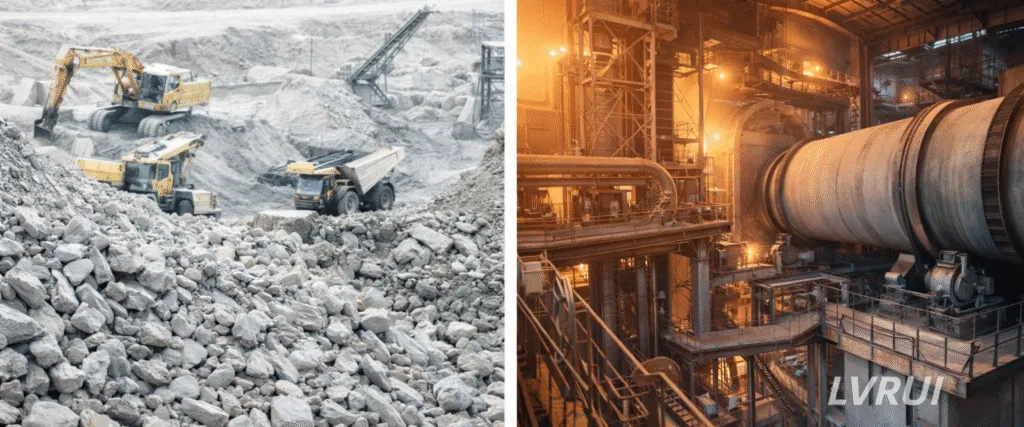
A cement grinding plant and an integrated cement plant can both produce finished cement, but their process scope is very different. An integrated plant manufactures clinker from raw materials before grinding it into cement, while a grinding plant normally receives clinker from another source and focuses on final cement production. This difference affects plant layout, equipment configuration, material handling requirements, investment scope, and the design of conveying, storage, silo discharge, and bulk loading systems.

Cement Grinding Plant vs Integrated Cement Plant: What’s the Difference? Read More »
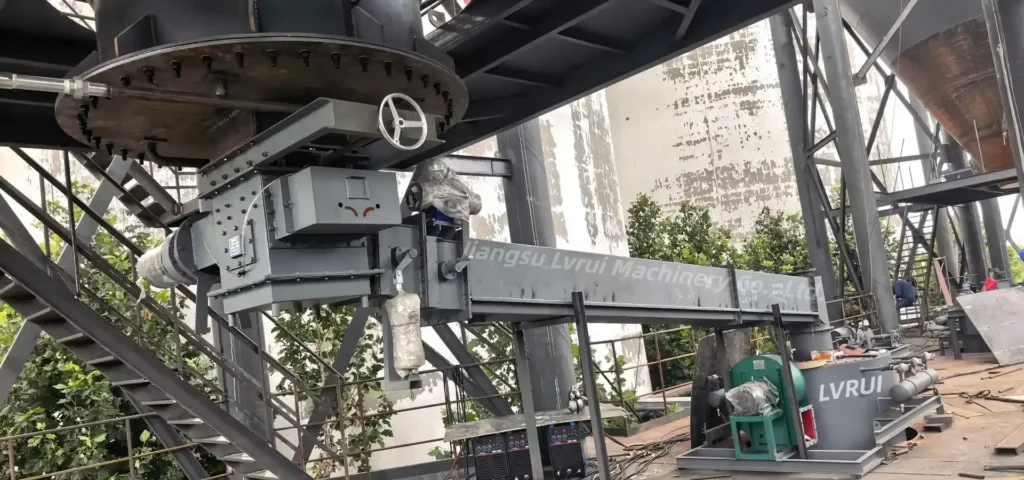
Cement silo discharge valves with lump breaker, air slide conveyor and integrated bulk loader

Cement Material Loss Reduction: How Cement Plants Minimize Losses During Bulk Handling

Cement material loss reduction is an important part of improving bulk handling performance in cement plants. Material losses can occur during storage, discharge, conveying, transfer and loading processes. Leakage, dust emission, unstable silo discharge and poor flow control may reduce product recovery and increase operating costs. This guide explains the main causes of cement material loss and practical methods to improve bulk handling systems while maintaining stable production.

Cement Material Loss Reduction: How Cement Plants Minimize Losses During Bulk Handling Read More »

Cement plant with storage silos and bulk material conveying system

Cement Silo Restart Sequence: Which Equipment Should Start First?

Restarting a cement silo after a shutdown should follow a controlled sequence that prepares downstream equipment before cement is released. A typical cement silo restart sequence begins with safety and valve-position checks, then dust collection, downstream conveying, silo aeration, lump breaking, pneumatic shut-off control, and gradual flow regulation. This article explains the logic behind each step, the most common restart mistakes, and the operating signals that should be monitored during the first loading cycles after shutdown, maintenance, or inspection work.

Cement Silo Restart Sequence: Which Equipment Should Start First? Read More »

Cement plant material handling flow from raw material conveying to cement bulk loading

Cement Plant Material Handling: How a Cement Plant Works from Raw Material to Bulk Loading

Cement plant material handling connects raw material receiving, raw meal conveying, clinker handling, cement grinding, silo storage and bulk loading. This guide explains how materials move through each production stage, what handling conditions change between coarse and fine materials, and why conveying, silo discharge and loading capacity must be coordinated for stable plant operation.

Cement Plant Material Handling: How a Cement Plant Works from Raw Material to Bulk Loading Read More »

Cement plant material handling systems during Chinese New Year shutdown maintenance

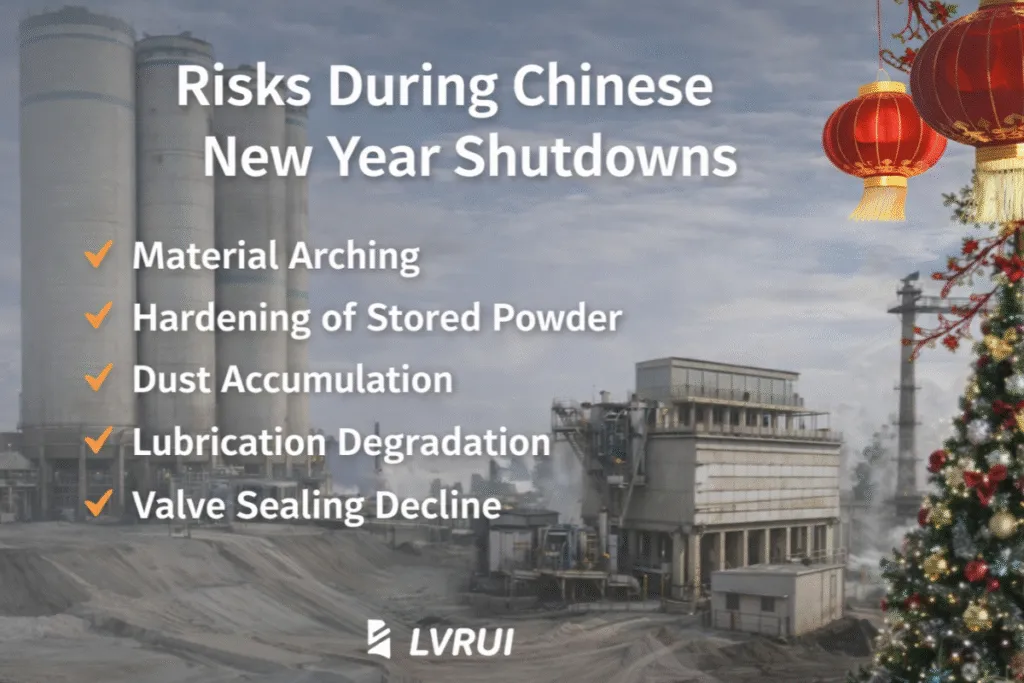
How Cement Plants Maintain Stable Material Handling Systems During Chinese New Year Shutdowns

Chinese New Year shutdowns in cement plants can create significant risks for bulk material handling systems, including material hardening, equipment wear, dust accumulation, and startup failures. Proper pre-shutdown preparation, equipment inspection, and post-holiday restart procedures are critical for maintaining stable silo discharge, air slide conveyor performance, and flow control valve reliability. This article explains proven engineering practices used by cement plants worldwide to ensure safe and efficient material handling system operation during extended shutdown periods.

How Cement Plants Maintain Stable Material Handling Systems During Chinese New Year Shutdowns Read More »

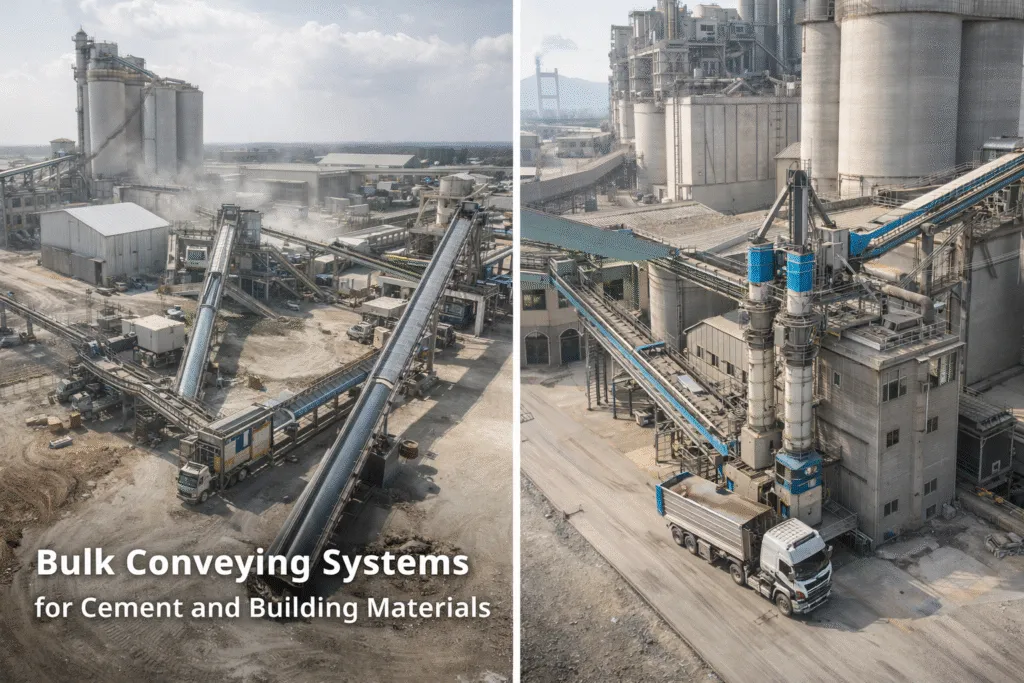
bulk conveying systems in cement and building materials industry

Bulk Conveying Systems in Cement Industry: Applications, Challenges, and Engineering Practices

Bulk conveying systems in cement plants transport cement powder, fly ash, clinker, and other dry bulk materials between processing, storage, and loading points. This guide explains typical conveying applications, equipment functions, and engineering challenges, including unstable feeding, dust leakage, and equipment wear. It also covers practical considerations for conveyor selection, flow control, and system integration to support reliable material handling.

Bulk Conveying Systems in Cement Industry: Applications, Challenges, and Engineering Practices Read More »

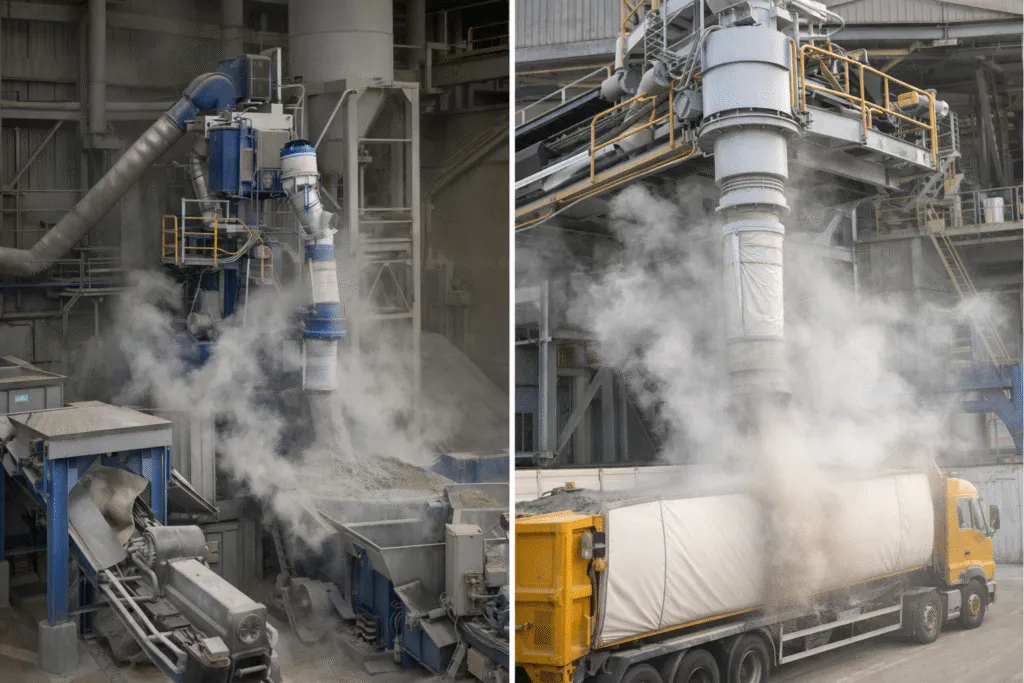
dust control in cement plant material handling system

Cement Plant Dust Control: Sources, Methods & Engineering Solutions

Cement plant dust control requires more than installing a dust collector. Dust can be generated during silo discharge, conveying, transfer, grinding, packing, and bulk loading, and each source requires a suitable combination of containment, airflow management, dust extraction, filtration, and process control. This guide explains the main dust generation points in cement plants, practical engineering control methods, system-level considerations, and how to identify recurring dust problems.

Cement Plant Dust Control: Sources, Methods & Engineering Solutions Read More »

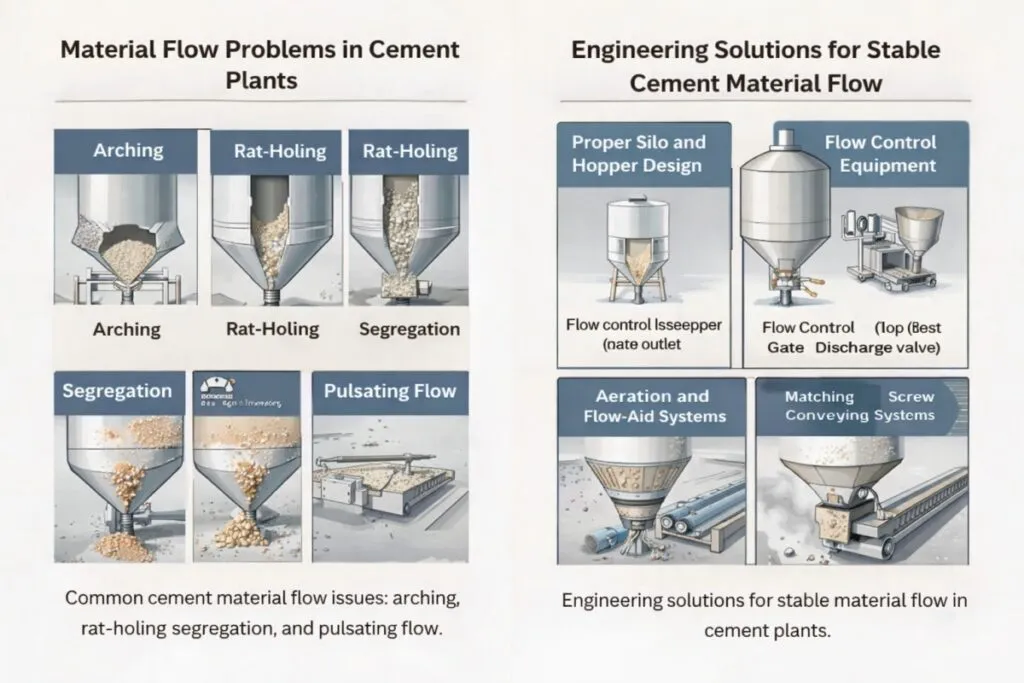
material flow problems in cement plant silo

Common Material Flow Problems in Cement Plants and How to Solve Them

Material flow problems in cement plants can cause silo discharge interruptions, unstable feeding, and conveyor blockages. This guide examines common issues such as arching, rat-holing, segregation, and pulsating flow. It explains how to identify possible causes, troubleshoot existing equipment, and evaluate suitable corrective measures to improve material flow stability.

Common Material Flow Problems in Cement Plants and How to Solve Them Read More »

cement silo discharge design mistakes causing poor powder flow

Cement Silo Discharge Design Mistakes That Cause Poor Powder Flow

Poor cement silo discharge can result from unsuitable aeration, incorrect gate selection, hardened cement lumps, downstream conveyor mismatch and poorly coordinated equipment. These problems may appear as arching, rat-holing, unstable powder flow, blockage or dust leakage. This article examines eight common cement silo discharge design mistakes, explains the operating symptoms associated with each one and provides a practical checklist for reviewing existing installations and new discharge arrangements.

Cement Silo Discharge Design Mistakes That Cause Poor Powder Flow Read More »

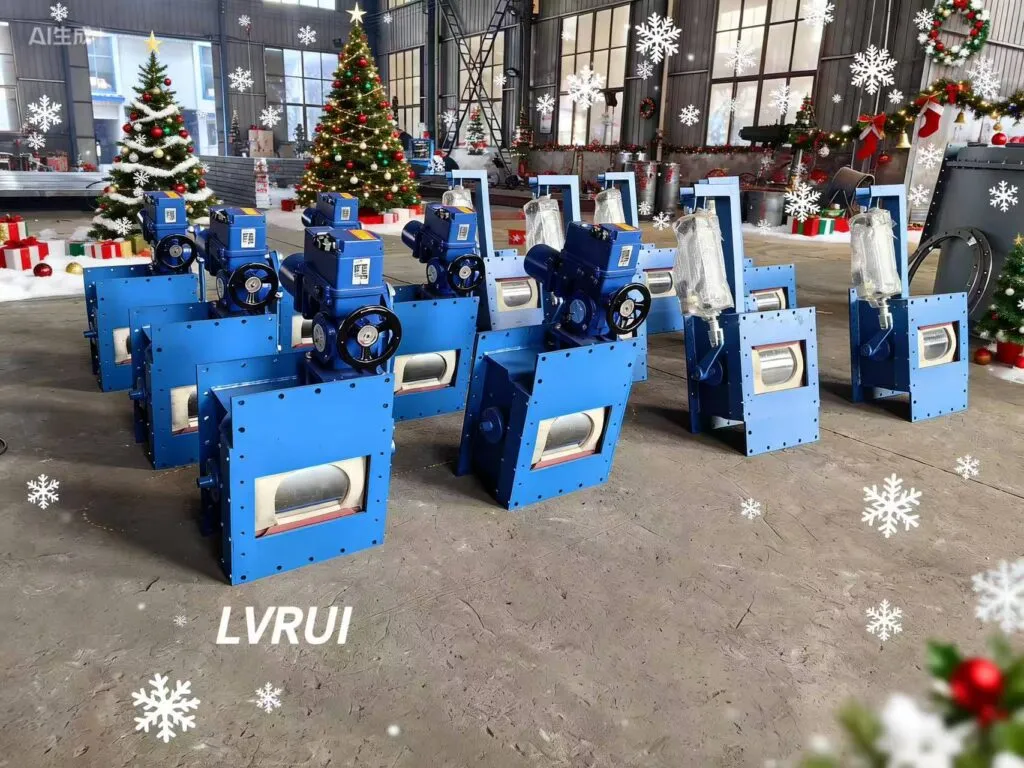
LVRUI bulk material handling equipment displayed in factory with Christmas decoration

Christmas Reflections: Keeping Bulk Material Handling Systems Running Smoothly During the Holiday Season

As Christmas approaches, many industrial plants continue operating to meet production demands. Reliable bulk material handling equipment—such as flow control gates, diverter valves, air slide conveyors, and telescopic loading chutes—plays a critical role in maintaining safe, efficient, and uninterrupted operations during the holiday season. This article reflects on the importance of stable material flow solutions and how well-designed equipment helps industries operate smoothly, even during festive downtime.

Christmas Reflections: Keeping Bulk Material Handling Systems Running Smoothly During the Holiday Season Read More »