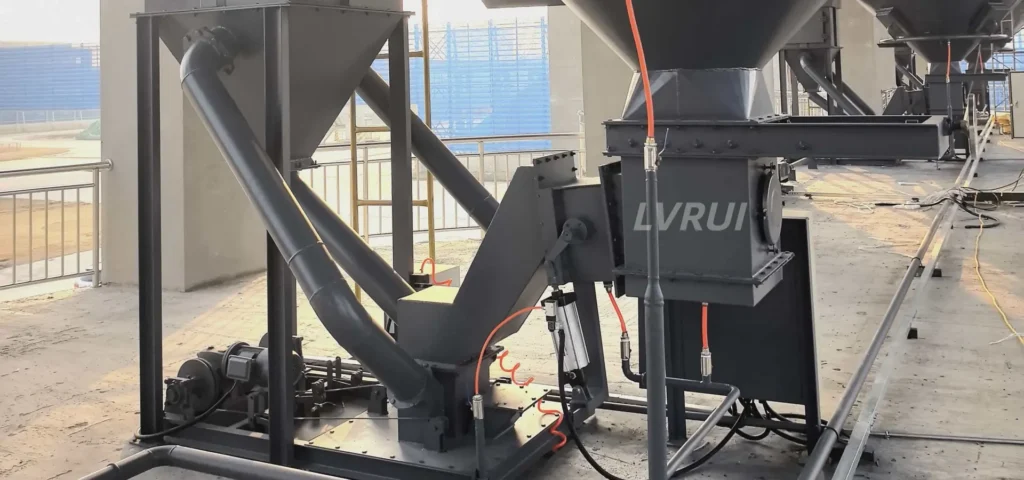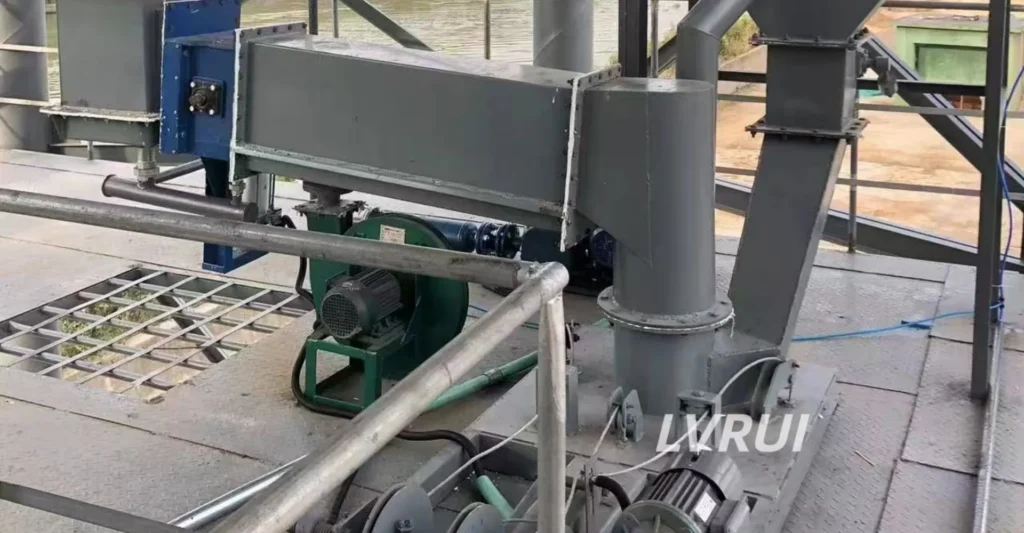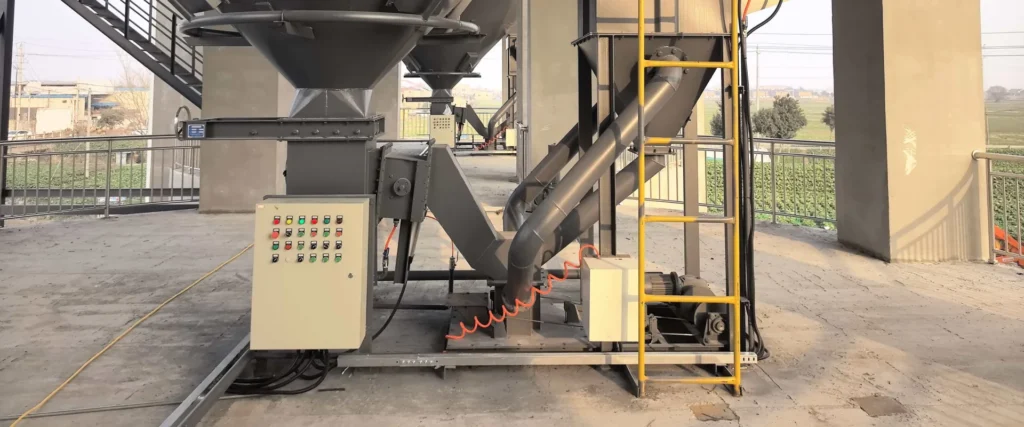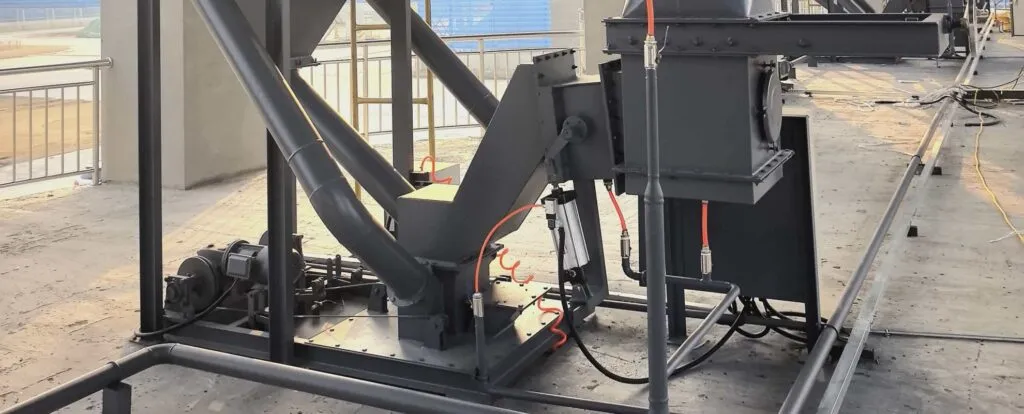
cement big bag filling dust control system with enclosed filling head

FIBC Bag Filling Capacity: Why Is Bulk Bag Filling Too Slow?

FIBC bag filling capacity is not determined by the filling machine alone. Actual bags per hour depend on the complete filling cycle, including upstream material supply, feeder output, coarse and fine feeding, bag positioning, displaced-air handling and filled-bag removal. A machine may have sufficient nominal capacity but still operate slowly if one part of the process becomes a bottleneck. This article explains how to identify the limiting step and improve bulk bag filling throughput without sacrificing stable operation.

FIBC Bag Filling Capacity: Why Is Bulk Bag Filling Too Slow? Read More »

Air-fluidized double shaft mixer with bottom aeration boxes for cement and fly ash blending

Why Use Bottom Aeration in a Double Shaft Mixer for Dry Powder Mixing?

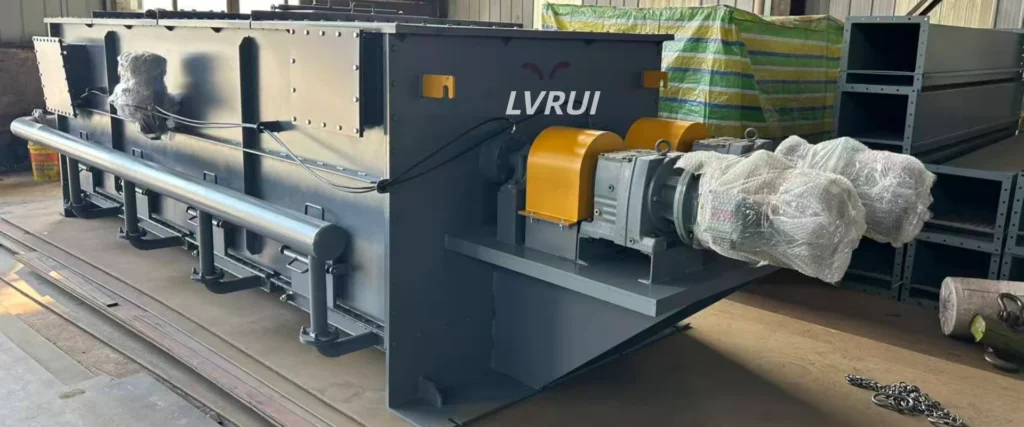
Fine powders such as cement, fly ash and mineral powder can compact near the bottom of a mixer, making material circulation more difficult. A bottom-aerated double shaft mixer introduces low-pressure air beneath the powder bed to loosen the material and improve powder mobility. In LVRUI applications, a Roots blower typically supplies air at around 35 kPa, while the two rotating shafts and mixing blades perform the main mechanical mixing action.

Why Use Bottom Aeration in a Double Shaft Mixer for Dry Powder Mixing? Read More »

Cement truck loading efficiency system with stable feeding and discharge control

How to Improve Cement Truck Loading Efficiency Without Increasing Dust?

Improving cement truck loading efficiency does not simply mean increasing material flow. Higher loading speed can create more dust, unstable discharge and poor loading conditions if the complete system is not balanced. This guide explains how cement plants can improve truck loading efficiency through optimized material flow, loading spout performance, dust collection, tanker venting, control valves and operating procedures without sacrificing environmental performance.

How to Improve Cement Truck Loading Efficiency Without Increasing Dust? Read More »

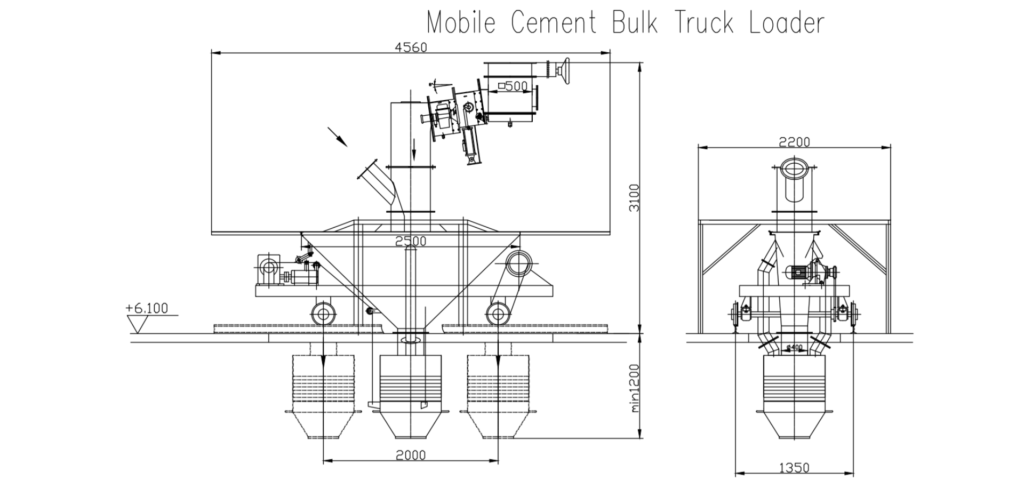
Mobile cement bulk truck loader layout and dimension drawing

Mobile Bulk Loader vs Fixed Loading Station: Which Is Better for Cement Truck Loading?

A mobile bulk loader and a fixed loading station suit different cement truck loading conditions. Mobile systems offer greater flexibility for changing loading points, while fixed stations are better for permanent, high-frequency operation. This guide compares material feeding, capacity, dust control, installation and automation to help determine which layout is more suitable.

Mobile Bulk Loader vs Fixed Loading Station: Which Is Better for Cement Truck Loading? Read More »

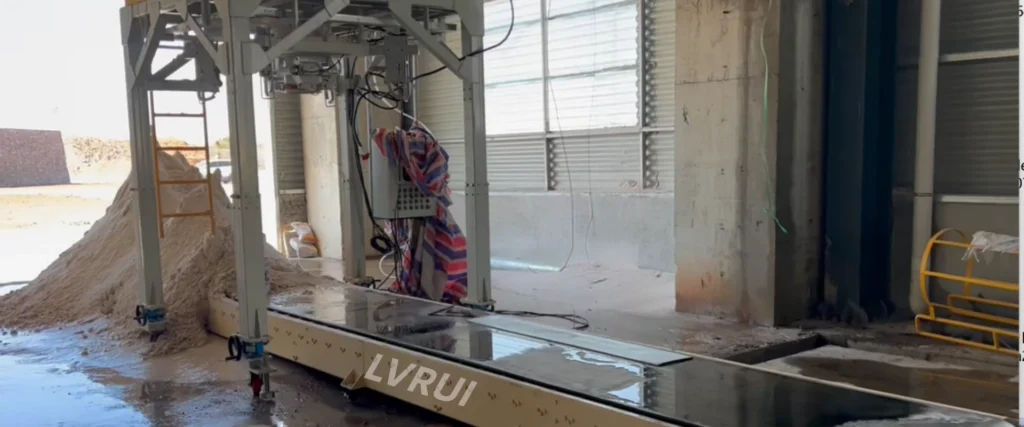
Bulk bag filling accuracy for FIBC weighing and cement powder filling

Bulk Bag Filling Accuracy: Why Are FIBC Bags Overweight or Underweight?

Bulk bag filling accuracy depends on more than the load cells alone. FIBC bags may become overweight or underweight when feed cutoff is too late, material continues falling after the feeder stops, upstream cement flow is unstable, or mechanical forces disturb the weighing frame. This guide explains seven common causes of weight variation and shows how to separate weighing problems from feeding problems before changing the filling machine or recalibrating the system and making unnecessary adjustments to healthy weighing components.

Bulk Bag Filling Accuracy: Why Are FIBC Bags Overweight or Underweight? Read More »

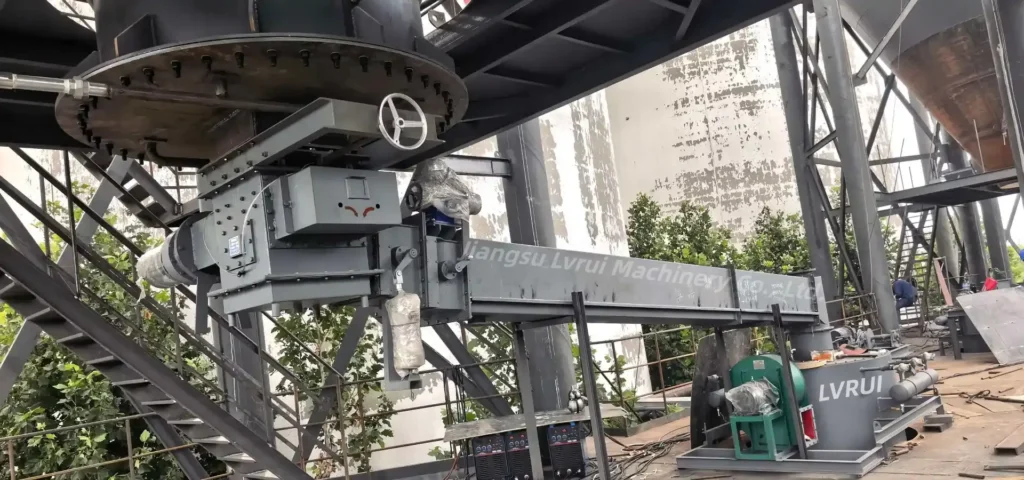
Cement silo discharge valves with lump breaker, air slide conveyor and integrated bulk loader

Why Does a Cement Silo Discharge Line Need Four Different Valves?

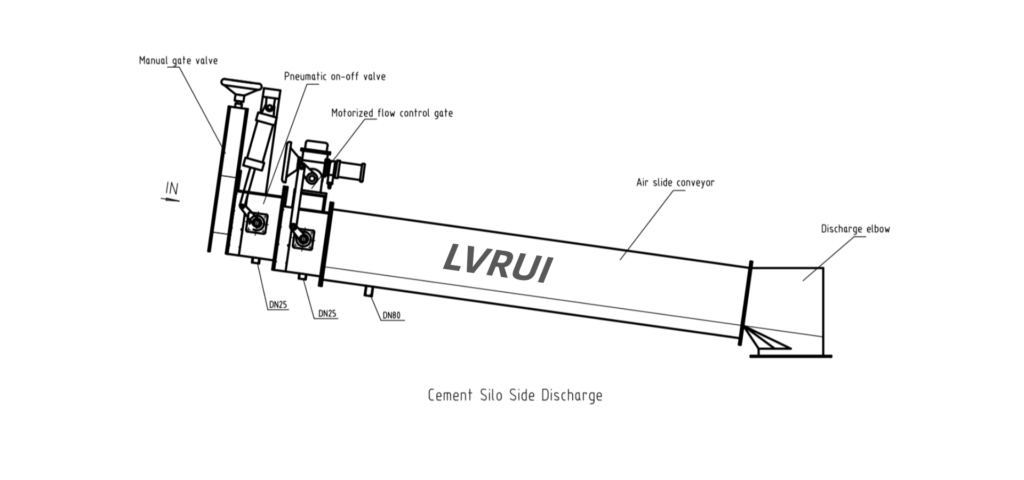
Cement silo discharge valves may appear to perform similar tasks, but each valve has a separate function in the complete discharge and loading line. The system shown in the photo uses a manual slide gate, an aeration-assisted electric lump breaker valve, a pneumatic shut-off gate and a motorized flow control gate before an air slide conveyor and integrated cement bulk loader. This article explains why these four functions should not be confused or assigned to one valve.

Why Does a Cement Silo Discharge Line Need Four Different Valves? Read More »

Slow cement tanker loading system from silo discharge to loading spout

Slow Cement Tanker Loading: Causes and Bottleneck Diagnosis

Slow cement tanker loading is usually caused by a restriction somewhere in the complete loading line, not simply by the bulk loader. The bottleneck may be located at the silo outlet, aeration system, flow control gate, conveyor, loading spout, dust extraction line, tanker vent, or control system. This guide explains how to calculate the actual loading rate and locate the real restriction before modifying equipment.

Slow Cement Tanker Loading: Causes and Bottleneck Diagnosis Read More »

Air pressure solids level switch control box for cement loading spout

Cement Tanker Overfill Protection: 7 Practical Ways to Stop Overflow During Bulk Loading

Cement tanker overfill protection is important for safe, clean, and stable bulk cement loading. Overflow often happens when the tanker level is not detected in time, the flow control gate closes too late, or the loading spout is not properly matched with the control system. This guide explains how to reduce overfill risk through dry powder level detection, loading spout positioning, flow control, dust extraction, and automatic shut-off logic.

Cement Tanker Overfill Protection: 7 Practical Ways to Stop Overflow During Bulk Loading Read More »

Dust-free cement bulk loader installed at silo bottom for bulk cement truck loading

Loading Spout Dust Leakage: 7 Causes and Field Troubleshooting Methods

Loading spout dust leakage is a common problem in cement, fly ash, slag powder, lime powder, and dry bulk loading systems. It is often caused by poor truck alignment, worn sealing skirts, weak dust extraction, blocked return pipes, unstable material flow, sensor failure, or incorrect telescopic chute positioning. This article explains 7 common causes and practical field troubleshooting methods to help reduce dust leakage during powder loading.

Loading Spout Dust Leakage: 7 Causes and Field Troubleshooting Methods Read More »

Clinker bulk dust collection integrated machine in cement plant

Clinker Bulk Dust Collection Integrated Machine: Complete Loading & Environmental Solution for Cement Plants

This article explores the latest innovations in clinker bulk dust collection integrated machines. Covering the full system from bulk loading, terminal unloading, to environmental dust control, it provides detailed guidance for cement plants aiming for efficient, dust-free operations.

Clinker Bulk Dust Collection Integrated Machine: Complete Loading & Environmental Solution for Cement Plants Read More »