
Bulk Material Handling & Cement Plant Blog
Practical Guides for Conveying, Bulk Loading, Flow Control and Dust Collection
Engineering insights, technical solutions & practical field guides
LVRUI technical blog provides engineering information about cement plant bulk material handling, including powder conveying, silo discharge, truck loading, flow regulation and industrial dust control. The articles focus on practical equipment selection, operation principles, maintenance considerations and system integration for engineers and plant operators.
Featured Engineering Guides
-

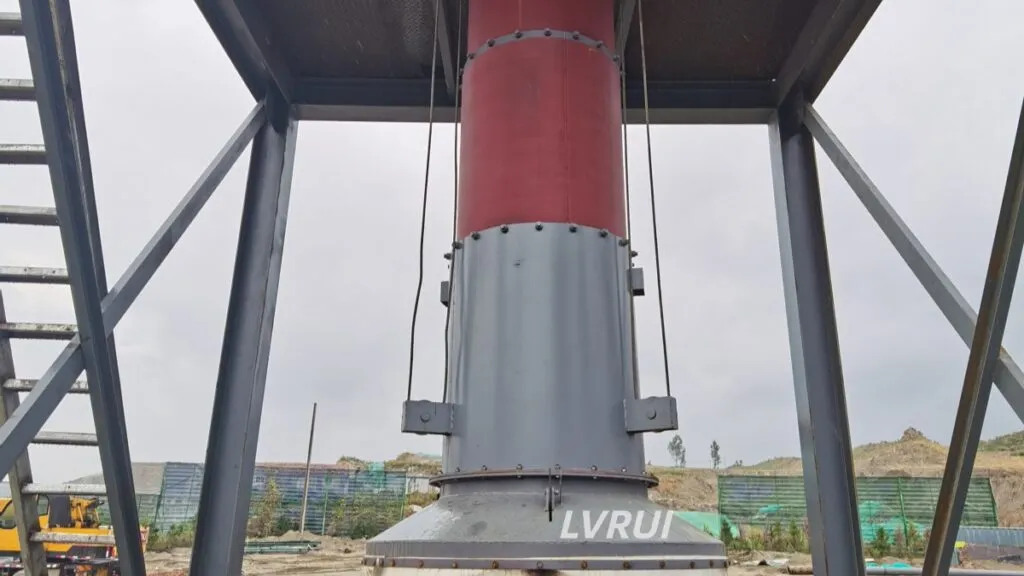
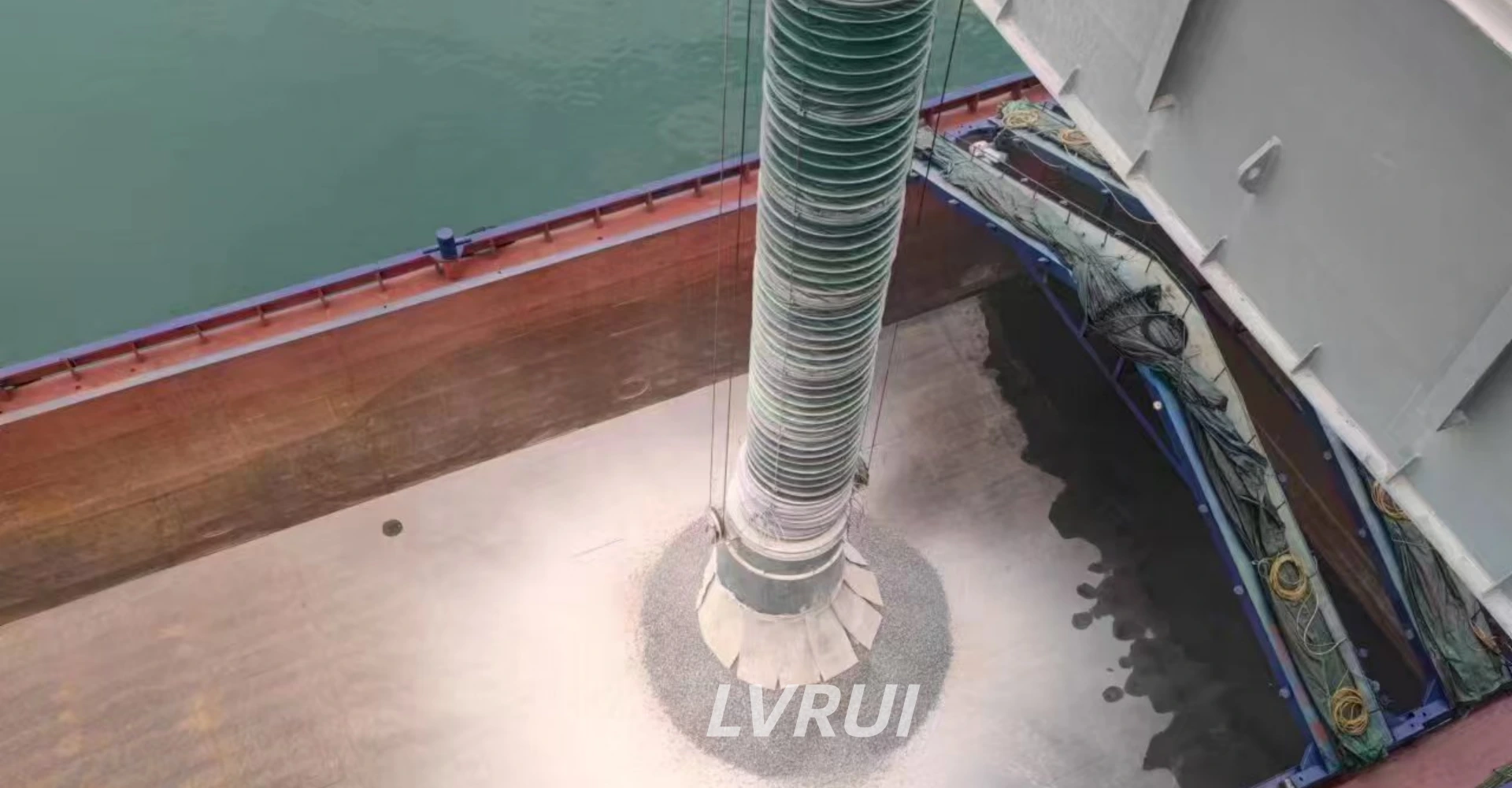
What Is a Telescopic Loading Chute? Working Principle & Applications
This guide explains the telescopic loading chute working principle, including material feeding, vertical movement, material guidance, displaced-air control and automatic lifting during bulk loading.
-
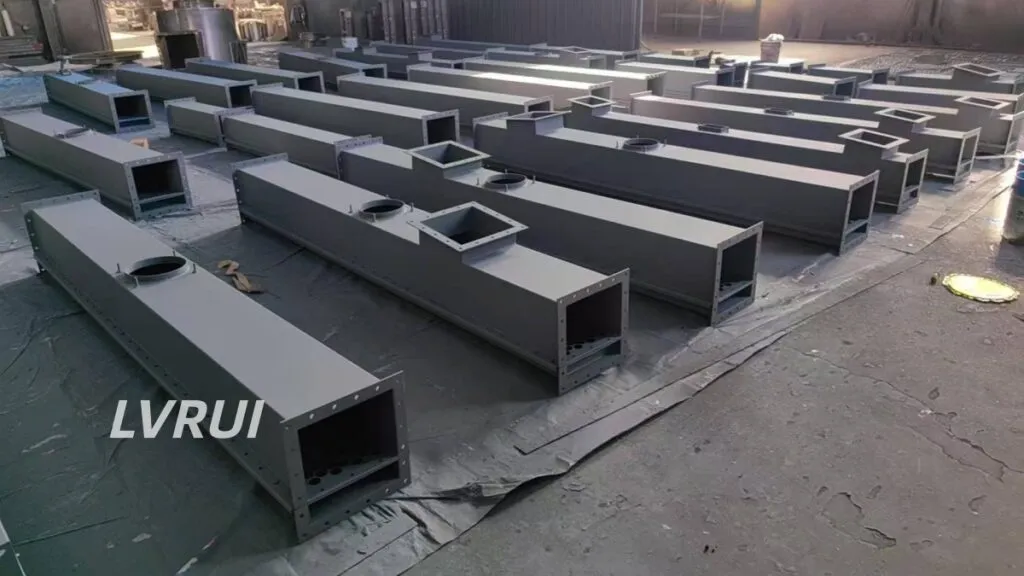
Air Slide Conveyor Working Principle: Materials & Selection Basics
Air slide conveyor working principle combines low-pressure air, powder fluidization and gravity to move dry, fine powders through an enclosed chute. This guide explains how the…
-
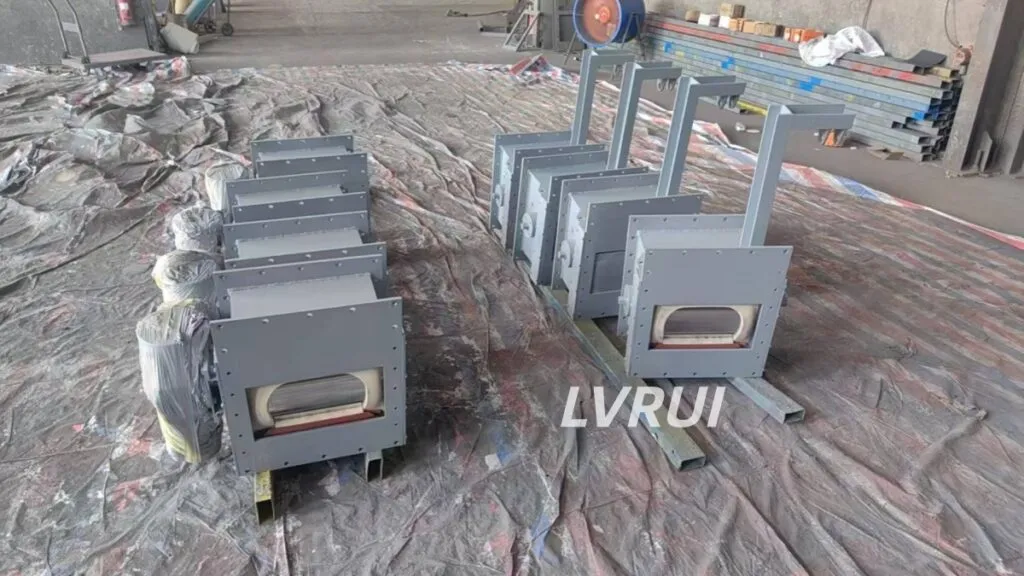
How to Select a Flow Control Gate Valve for Bulk Materials
Flow control gate selection should be based on the actual material and operating requirements rather than silo outlet size alone. This guide explains how to choose…
Latest Bulk Material Handling Articles
-
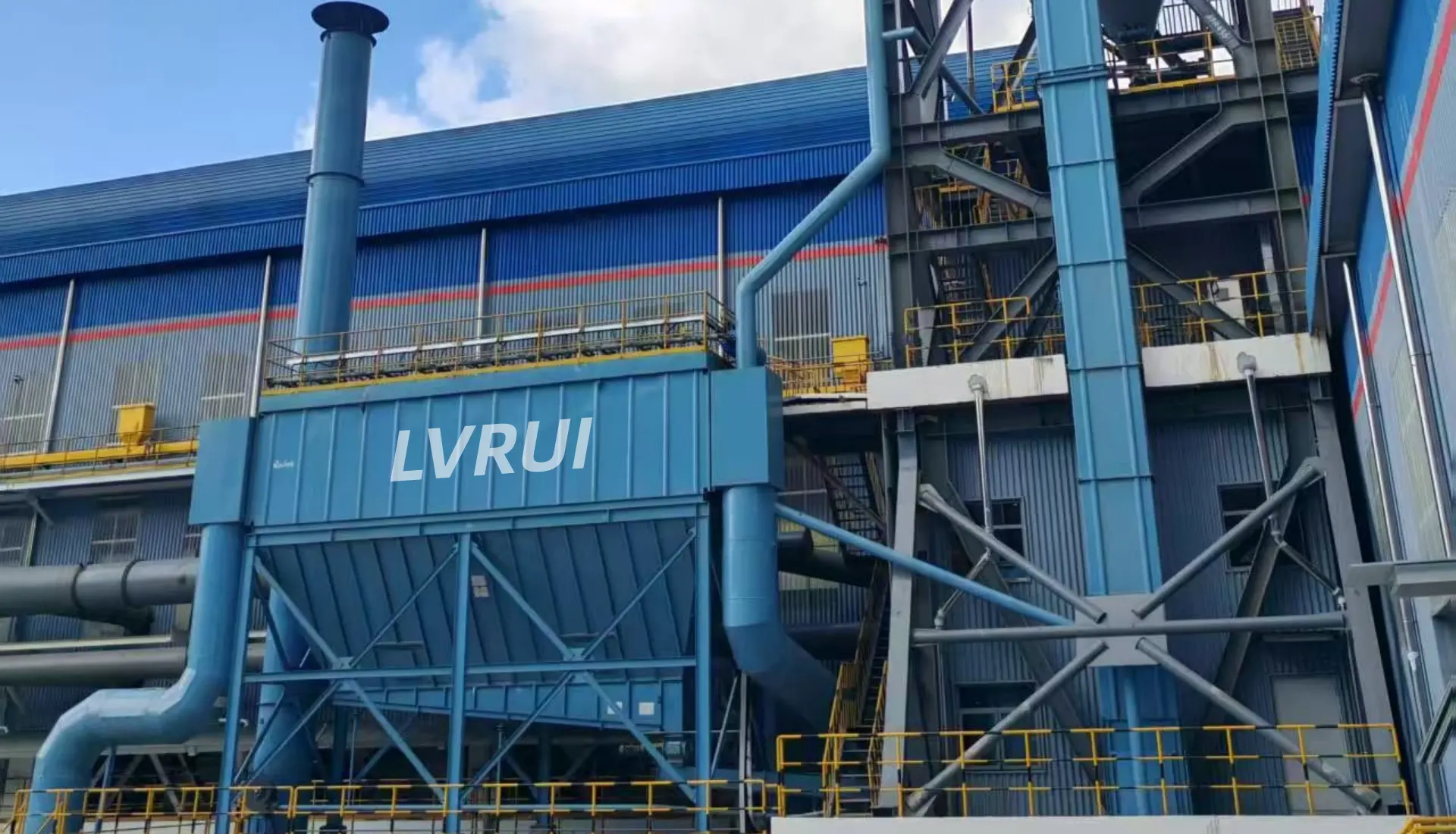
PPCS Bag Filter Installation: 8 Checks Before Commissioning
Learn how to inspect a PPCS bag filter installation before commissioning. This checklist covers foundations, housing seals, filter bags, pulse cleaning, dust discharge, electrical controls and startup verification.
-
Ship Loading Spout Site Survey: 8 Checks Before Retrofit
Replacing a ship loading spout requires more than matching overall length. This site survey checklist covers flange dimensions, telescopic travel, clearance, material capacity, dust extraction, lifting equipment and controls before…
-
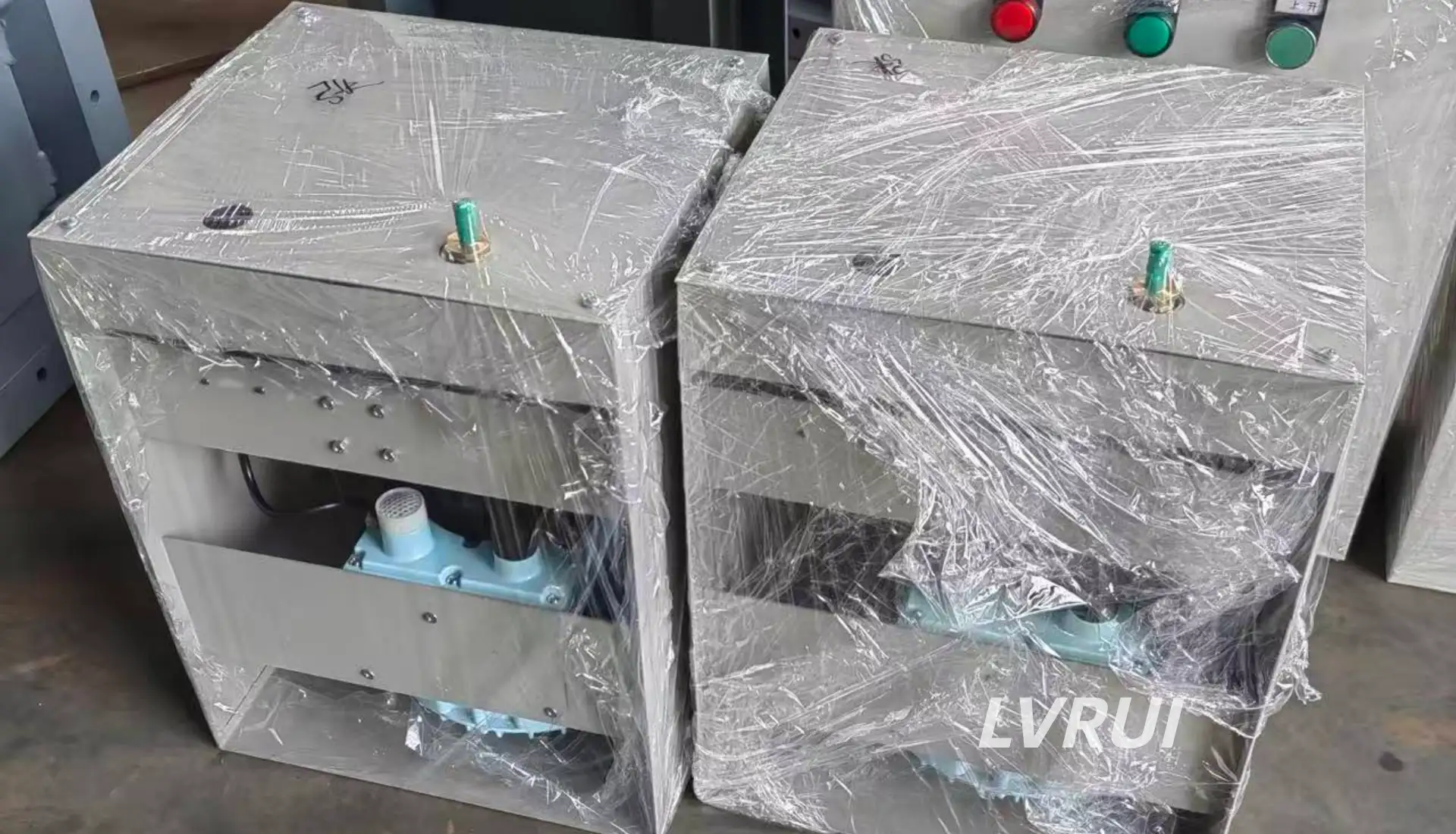
Cement Tanker Level Switch: How Air-Pressure Full-Level Detection Works
A cement tanker level switch detects when cement or fly ash reaches the required filling level during bulk loading. This article explains how the LRS-40 uses a built-in vortex blower,…
-
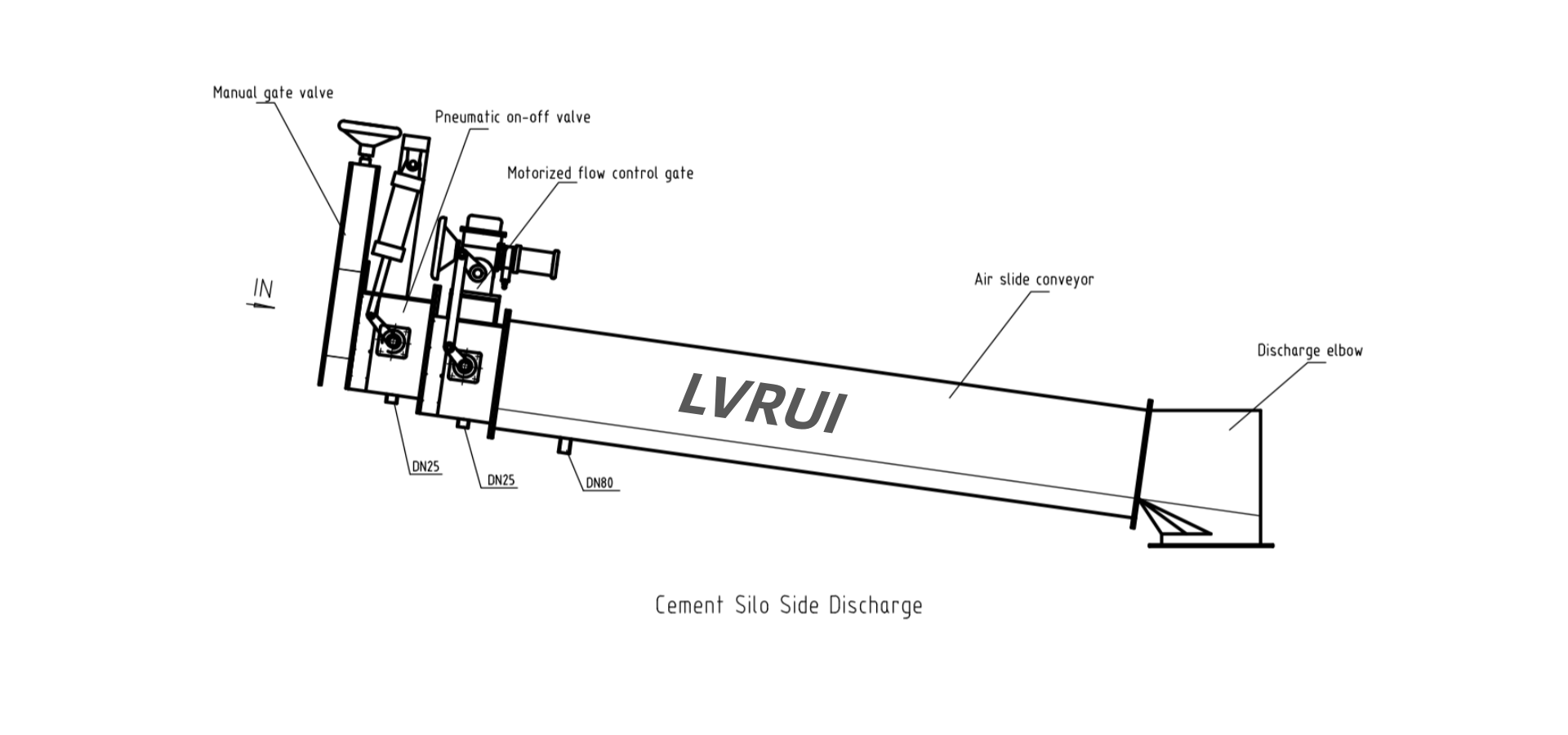
Cement Silo Bottom and Side Discharge: Components, Multi-Outlet Layout and Selection
Cement silo bottom and side discharge arrangements connect dry powder storage silos with truck loading equipment. This guide explains aerated distribution boxes, 1–4 outlet configurations, pneumatic shut-off valves, motorized flow…
-
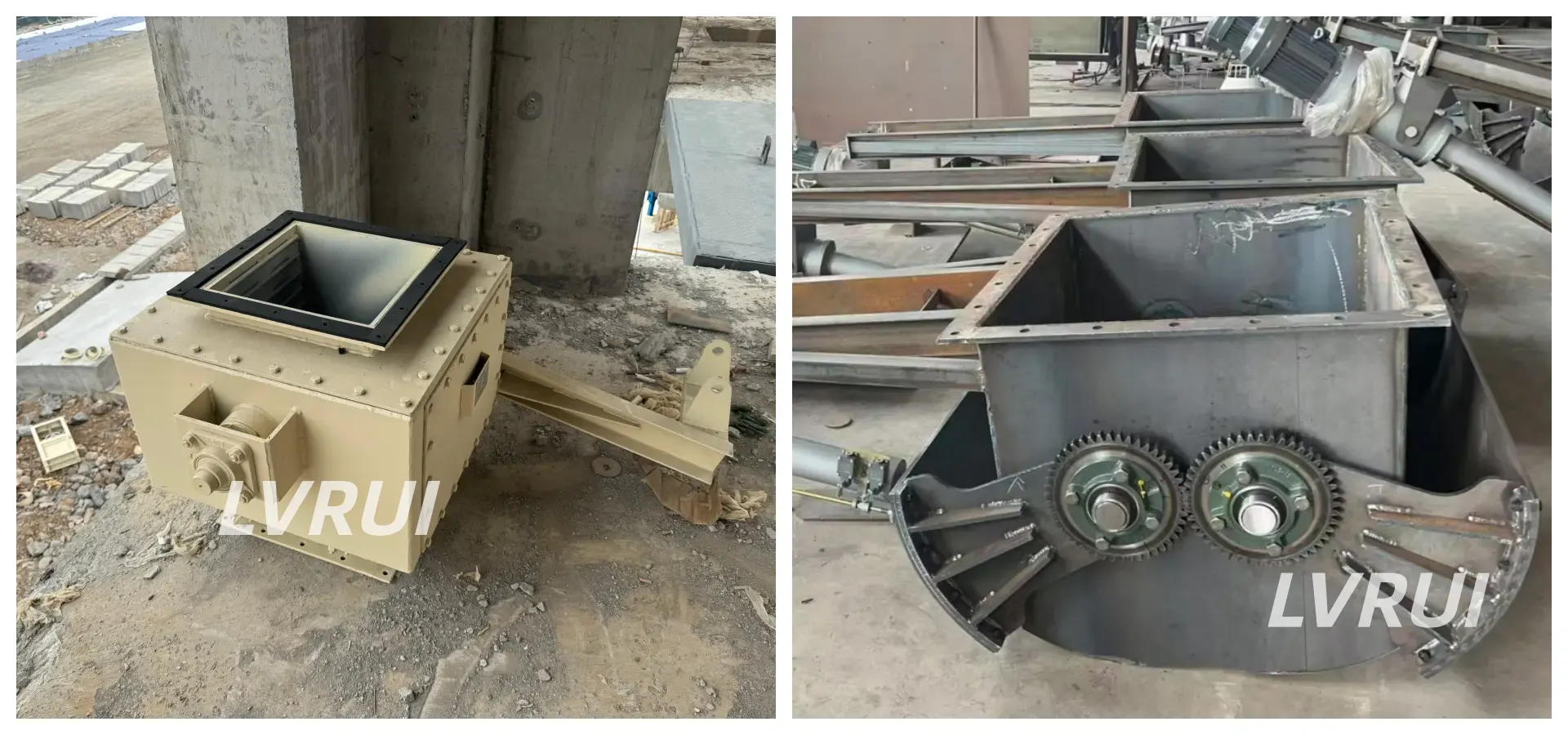
Sector Gate vs Clamshell Gate: Key Differences and Selection Guide
Sector gates and clamshell gates are both used for gravity discharge from silos, hoppers and storage bins handling clinker, aggregate, limestone and other coarse bulk solids. This guide compares sector…
-
Pneumatic vs Electric Flow Control Gate Valve: Key Differences and Selection Guide
Choosing between a pneumatic and electric flow control gate valve is an important decision for cement plants and dry bulk material handling systems. Both types are designed to regulate powder…
-
Why Is My Air Slide Conveyor Not Reaching the Expected Throughput?
An air slide conveyor may operate continuously but still fail to achieve the expected conveying throughput. This problem is not always caused by insufficient equipment capacity. Changes in aeration airflow,…
-
Why Does Cement Dust Escape at Transfer Points? Causes & Troubleshooting
Cement transfer point dust leakage is often caused by more than poor sealing alone. When cement drops from one piece of equipment to another, material movement can displace and entrain…
-
Why Does Cement Dust Escape from the Silo Top During Pneumatic Filling?
Cement silo dust during filling is often treated as a filter-bag problem, but the real cause can occur anywhere in the filling and venting path. Pneumatic conveying introduces cement and…
-
FIBC Bag Filling Capacity: Why Is Bulk Bag Filling Too Slow?
FIBC bag filling capacity is not determined by the filling machine alone. Actual bags per hour depend on the complete filling cycle, including upstream material supply, feeder output, coarse and…
-
Why Use Bottom Aeration in a Double Shaft Mixer for Dry Powder Mixing?
Fine powders such as cement, fly ash and mineral powder can compact near the bottom of a mixer, making material circulation more difficult. A bottom-aerated double shaft mixer introduces low-pressure…
-
Cement Grinding Plant vs Integrated Cement Plant: What’s the Difference?
A cement grinding plant and an integrated cement plant can both produce finished cement, but their process scope is very different. An integrated plant manufactures clinker from raw materials before…


Need Help with a Cement Plant Bulk Material Handling Project?
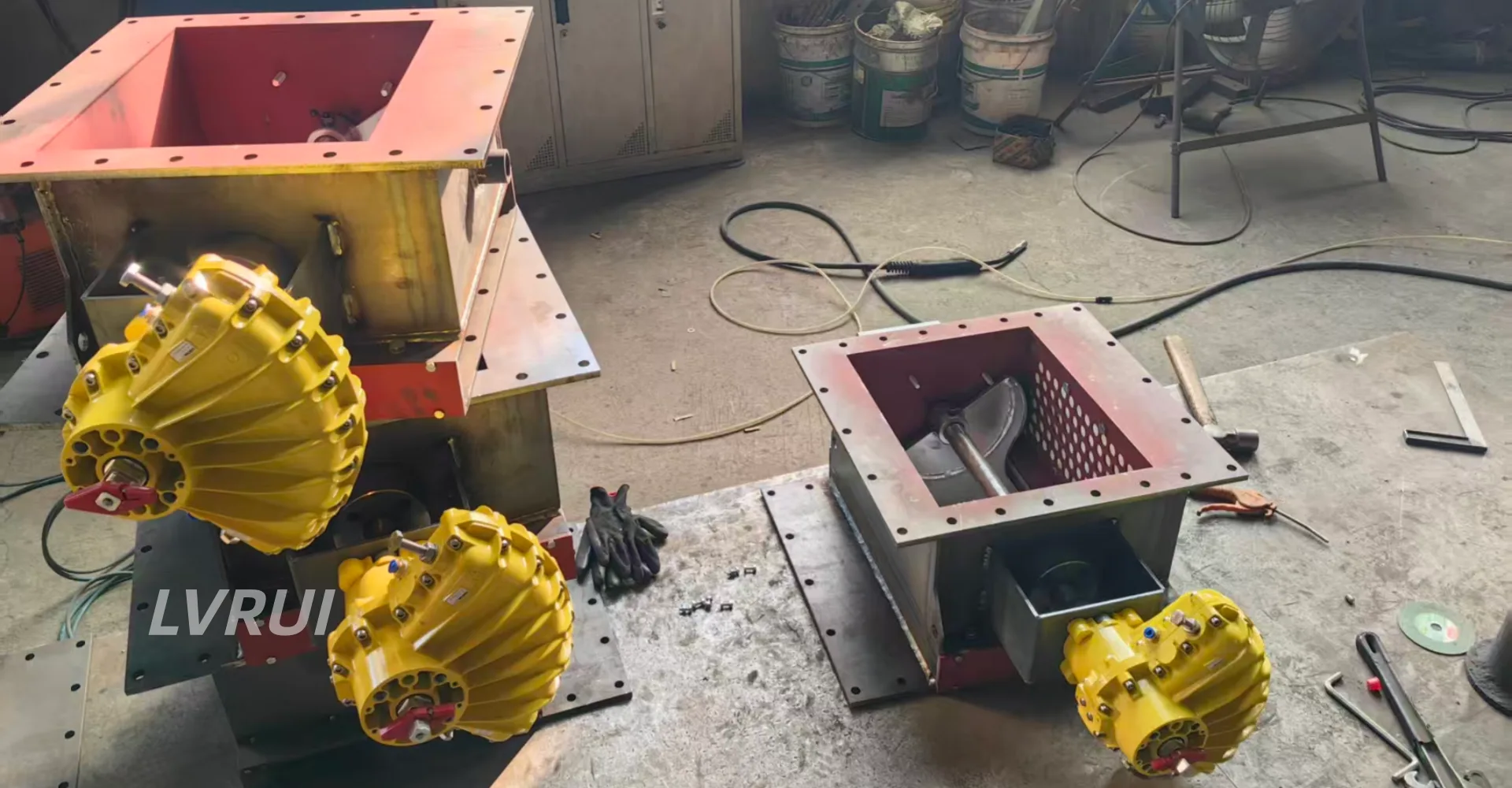
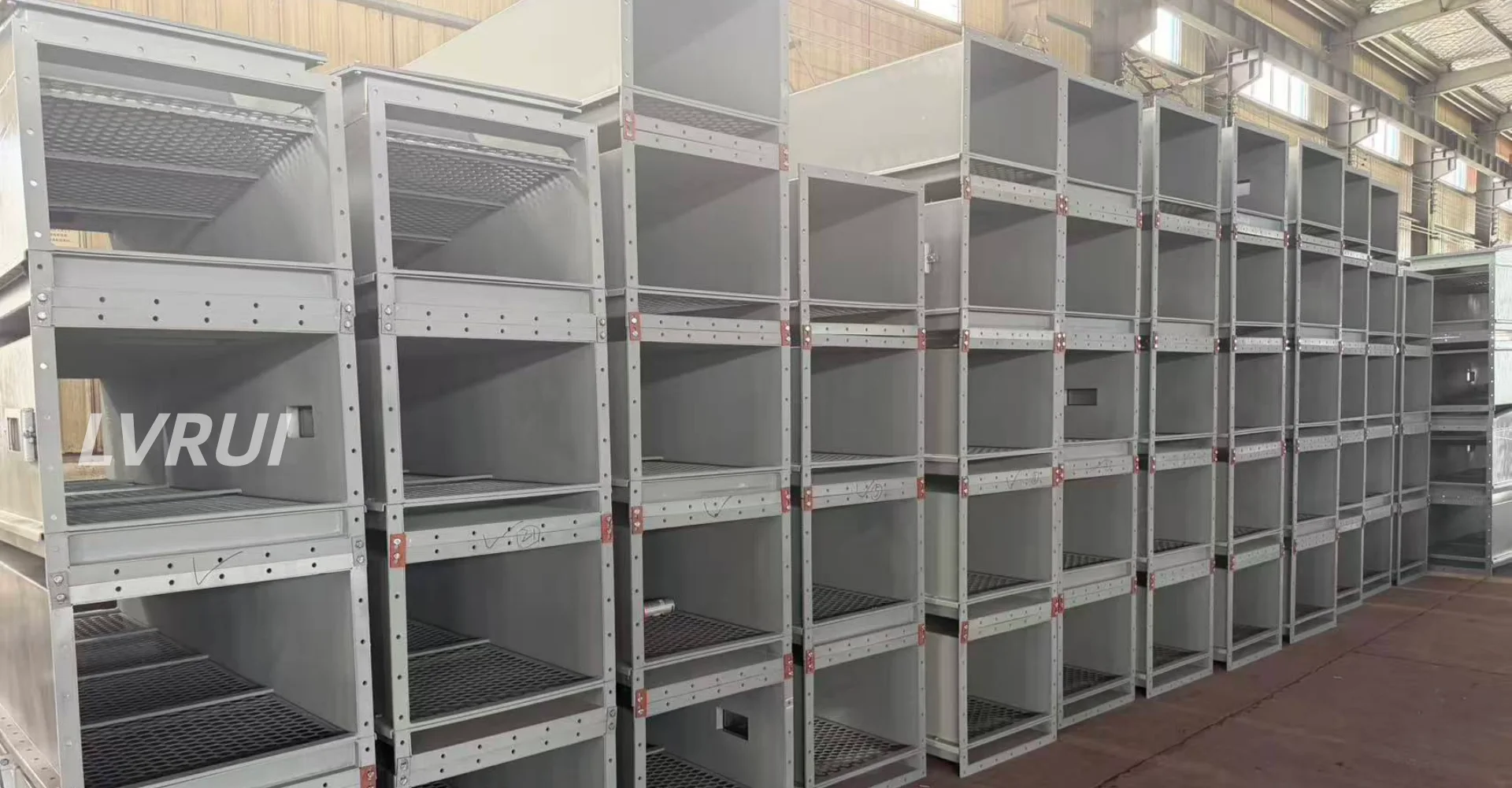
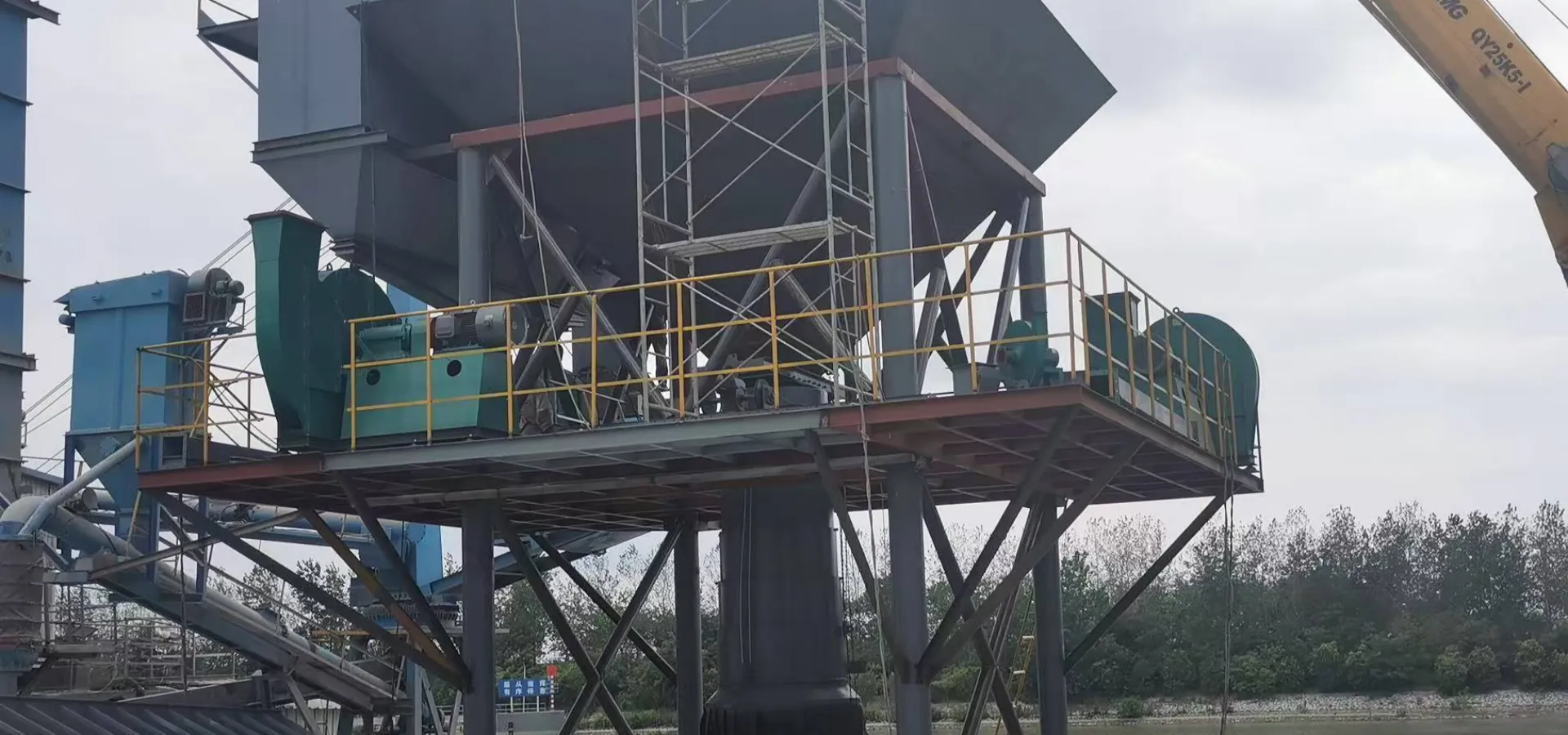
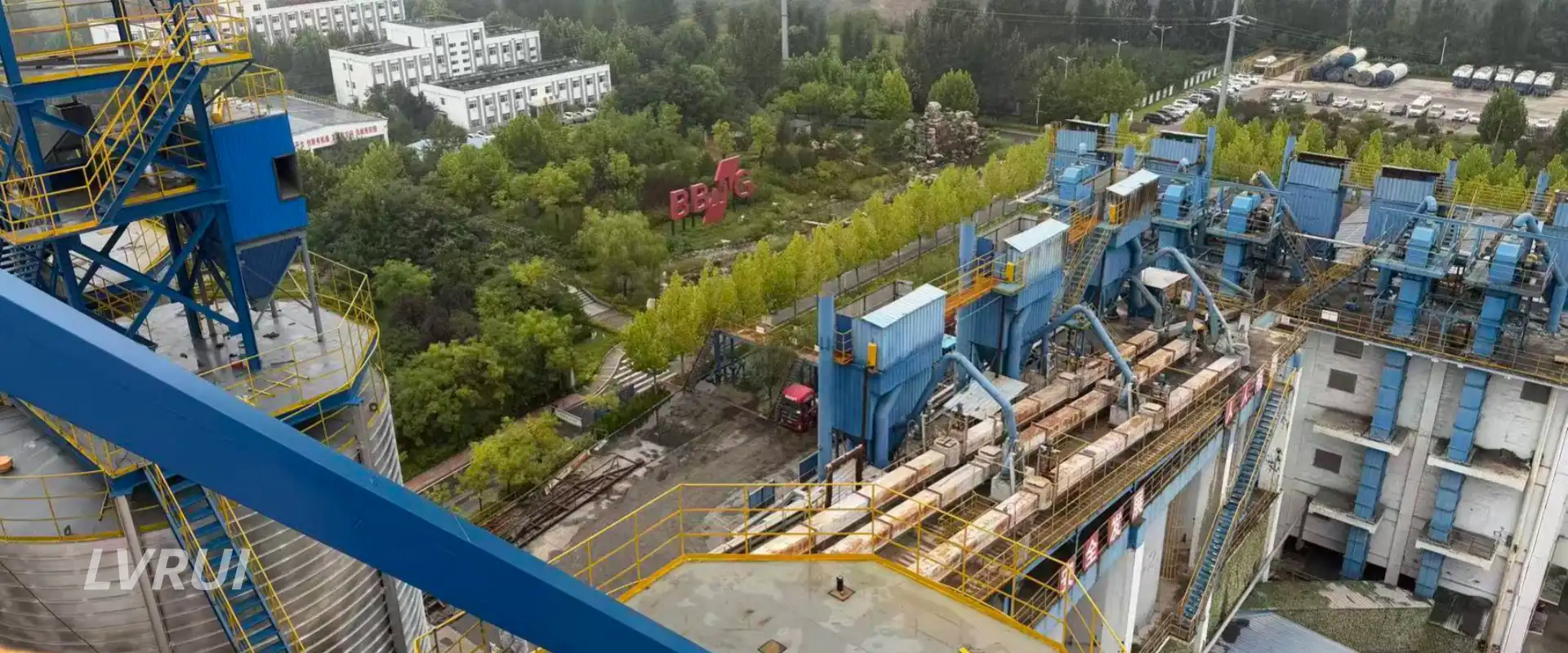
If you are planning a cement plant or dry bulk material handling project, share your material information, capacity requirements, equipment layout, and operating conditions with LVRUI. Our engineering team will review the application and help evaluate a suitable equipment configuration.
✅ Equipment selection based on material characteristics and capacity requirements
✅ Customized solutions according to site conditions and process requirements
✅ Technical drawings and equipment interface confirmation
✅ Installation guidance and remote technical support