How Telescopic Loading Chutes Work in Dust-Controlled Bulk Material Loading
What Is a Telescopic Loading Chute?
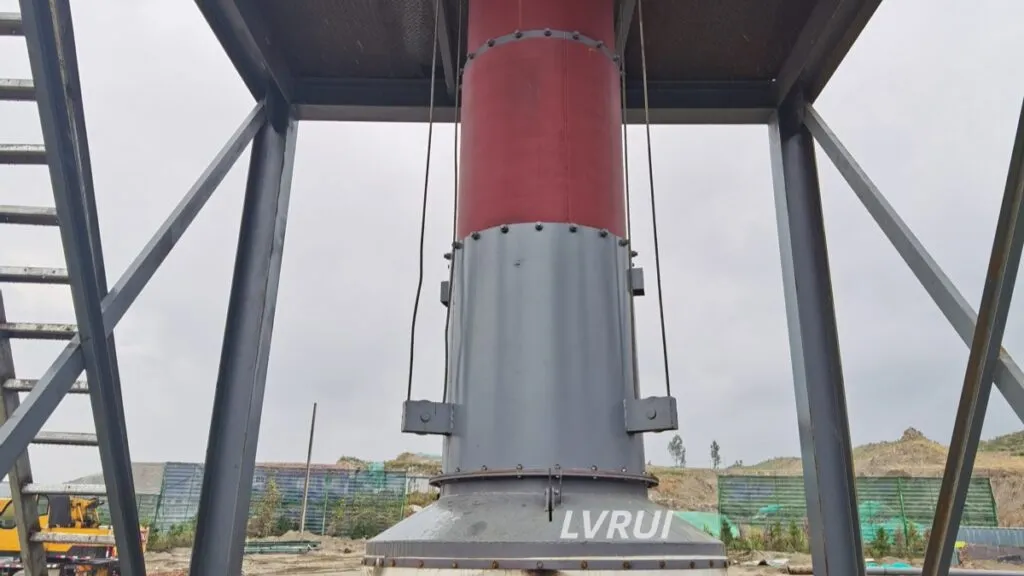
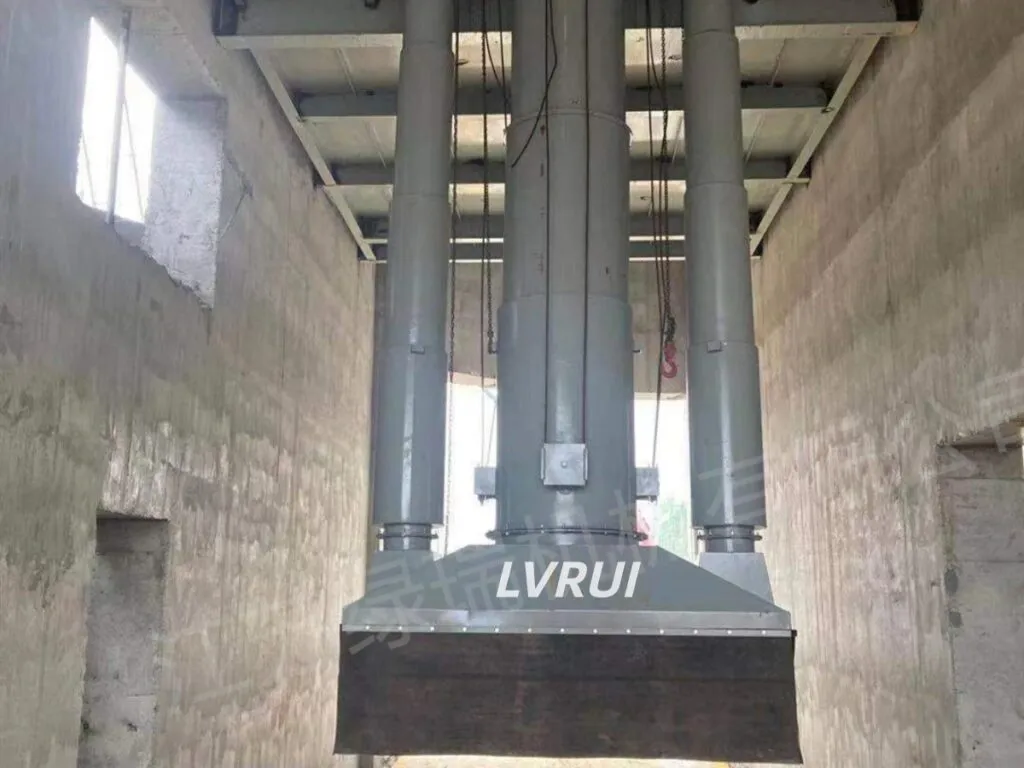
Telescopic chute working principle is based on a vertically retractable structure that guides dry bulk material from a fixed discharge point toward a truck, railcar, ship hold, barge, tanker or stockpile. The chute can extend toward the receiving point and retract after loading, allowing the discharge position to adapt to changing loading heights.
By keeping the outlet closer to the receiving point or material surface, the chute reduces free-fall distance and helps control material spread, displaced air and airborne dust.
A telescopic loading chute is normally one component of a larger bulk loading system. Upstream equipment such as silos, conveyors, feeders or flow control gates supplies and regulates the material, while the chute mainly provides the retractable material path, outlet positioning and connection to the dust-control arrangement.
For available travel, outlet structures, lifting systems and customized configurations, see our Telescopic Loading Chute product page.
Telescopic Chute Working Principle
1. Material Enters from the Upstream Equipment
Dry bulk material enters through the upper inlet from a silo, hopper, conveyor or other feeding equipment. The upstream flow control gate or feeder controls the material supply rate before it enters the chute.
2. The Chute Extends Toward the Loading Point
An electric winch, cables and pulleys lower the telescopic sections toward the truck, railcar, ship hold or stockpile. The required travel depends on the difference between the parked position and the lowest operating position.
3. Material Is Guided Through the Internal Path
Internal cones or telescopic material sections guide the material downward while keeping the discharge path contained. These internal sections guide the material rather than controlling the system feed rate.
4. Displaced Air and Dust Are Controlled
As material enters the receiving area, displaced air carries fine particles upward. A flexible outer sleeve or enclosed outlet can provide a return-air path to the dust collection system. Keeping the outlet close to the material surface also reduces free-fall distance and dust generation.
5. The Chute Rises as Loading Progresses
For open loading applications, a level sensor can be used to detect the rising material surface and signal the lifting system to raise the chute. After loading is completed and the upstream feed stops, the chute retracts to its parked position.
Key Components of a Telescopic Loading Chute
A typical telescopic loading chute consists of several functional sections:
- Upper inlet and transition section – connects the chute to the silo, hopper, conveyor or upstream feeding equipment.
- Internal material guide sections – guide bulk material downward through the telescopic structure.
- Flexible outer sleeve – helps contain displaced air and provides a path toward the dust extraction connection.
- Electric winch, cables and pulleys – control extension and retraction of the chute.
- Outlet hood or dust skirt – helps contain dust during open truck, railcar, ship or stockpile loading.
- Sealing cone or enclosed outlet – connects to a tanker or other enclosed receiving inlet where a tighter loading interface is required.
- Limit switches – define the upper and lower movement positions.
- Optional level sensor – detects the rising material surface during open loading.
- Dust extraction connection – connects the chute to the plant dust collection system where required.
Applications of Telescopic Loading Chutes
Telescopic loading chutes are used where dry bulk material must be transferred from a fixed discharge point to a receiving surface whose height changes during loading.
Typical applications include:
- Open truck and railcar loading
- Enclosed tanker loading
- Ship and barge hold loading
- Stockpile loading
- Loading beneath silos and hoppers
- Conveyor discharge to variable-height receiving points
Common materials include cement, fly ash, lime powder, mineral powder, grain, fertilizer, limestone and clinker. Abrasive, coarse or high-temperature materials may require reinforced guide sections, wear-resistant contact parts or a modified outlet structure.
Engineering Factors That Affect Telescopic Chute Operation
Understanding the telescopic chute working principle also requires considering material feeding, chute travel and dust extraction as one coordinated operating process.
Keep the Discharge Point Close to the Material Surface
The main operating advantage of a telescopic chute is its ability to reduce material free-fall distance. During open loading, the outlet should rise as the material surface increases so that excessive drop height does not create unnecessary dust or material segregation.
This operating principle is also consistent with NIOSH guidance on telescoping loadout spouts, which identifies reduced drop distance and local exhaust ventilation as important measures for controlling dust during bulk loading.
Control Displaced Air
Bulk material entering a truck, tanker or receiving area displaces air. For fine powders, this air must be given a controlled path toward the dust extraction system rather than escaping around the loading point.
Control Material Flow Upstream
The telescopic chute guides material but should not be treated as the primary flow-regulating device. The feed rate is normally controlled by an upstream gate, feeder or conveyor discharge system.
Coordinate the Lifting and Feed Signals
Limit switches define chute travel, while a level sensor can be used to follow the rising material surface during open loading. Automatic operation requires the lifting system and upstream feed equipment to be correctly interlocked.
Check the System Interfaces
A telescopic loading chute normally receives material from a silo, hopper or conveyor through upstream flow-control equipment. Its actual loading performance therefore depends on the capacity and stability of the feeding equipment, available dust-extraction airflow and the geometry of the receiving point.
For complete equipment configuration beyond the chute itself, see our Bulk Loader System.
Configuration Depends on the Loading Duty
The operating principle is similar across most telescopic loading chutes, but the actual chute dimensions, travel, outlet structure, contact materials, dust connection and control arrangement depend on the loading duty and site geometry.
Conclusion
Understanding the telescopic chute working principle helps explain how controlled travel, upstream feeding and dust extraction work together during bulk loading. A telescopic loading chute provides a retractable material path between fixed upstream equipment and a variable-height receiving point.
Reliable operation depends on coordinated upstream feeding, correct chute travel, controlled lifting, suitable outlet geometry and adequate dust extraction. The telescopic chute is one component of the loading system; material feed rate and overall loading control depend on the upstream equipment, dust extraction system and control interlocks.
FAQs About Telescopic Loading Chutes
What is the basic telescopic chute working principle?
The basic telescopic chute working principle is to lower the discharge outlet toward the receiving point, guide bulk material through a contained path and retract or rise as loading progresses.
Does a telescopic loading chute control the material flow rate?
Not normally. The chute mainly guides and contains the material during loading. The material feed rate is usually controlled by an upstream gate, feeder or conveyor discharge system.
Why should the chute outlet stay close to the material surface during open loading?
During open loading, reducing the distance between the outlet and the material surface limits free fall. This helps reduce airborne dust, uncontrolled material spreading and impact at the receiving point.
How does a telescopic loading chute control dust?
The chute contains the material path and can provide a return-air passage through an outer sleeve or enclosed outlet. The displaced air is then directed toward a dust extraction system instead of escaping freely around the loading point.
What does the level sensor do?
In open loading applications, a level sensor can detect the rising material surface and signal the lifting system to raise the chute. This helps maintain a suitable distance between the outlet and the material pile.
Can a telescopic loading chute be installed below a silo or conveyor?
Yes. It can be installed below silos, hoppers, conveyors or other feeding equipment, provided the inlet connection, support structure, feed rate and dust-control interface are properly coordinated.
Can telescopic loading chutes handle clinker or abrasive materials?
Yes, but abrasive or coarse materials may require reinforced guide sections, thicker contact parts, replaceable liners or a wear-resistant outlet structure.
Why can dust still escape when a telescopic loading chute is installed?
Dust can still escape if the chute outlet is too far above the material surface, the dust extraction airflow is insufficient, the return-air path is restricted, the outlet sealing is poor or the upstream feed rate exceeds the loading system capacity.
Need Help Confirming a Telescopic Loading Chute Configuration?
To confirm a suitable telescopic loading chute configuration, please provide the following information where available:
- Material and required capacity
- Installation height and required travel
- Receiving vehicle or loading point
- Inlet and outlet dimensions
- Dust-control requirements
- Site drawing or installation photos
LVRUI can confirm the chute structure, lifting arrangement, outlet configuration and connection requirements before quotation.
Email: info@lvrui-conveyor.com
WhatsApp / WeChat: +86-18261998937