
Cement Silo Aeration Pad for Stable Powder Discharge
Custom Low-Pressure Fluidizing Pads for Cement, Fly Ash, Raw Meal and Other Dry Powders
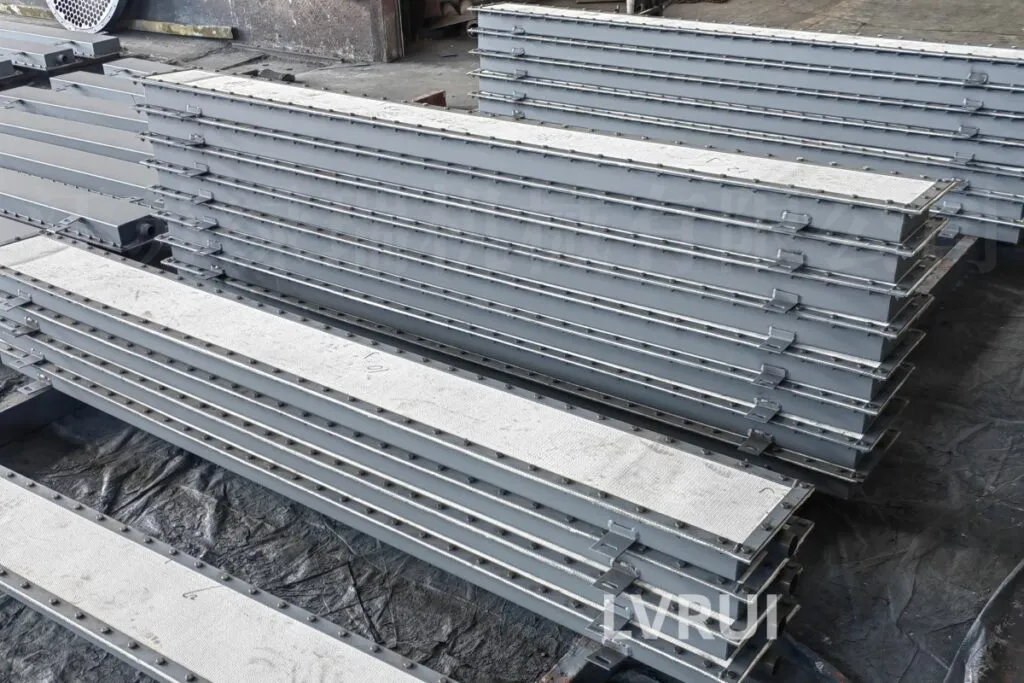
What is an aeration pad?
An aeration pad is a low-pressure powder-fluidizing component installed on the cone or lower section of a silo or hopper. Air passes through a permeable fabric surface and enters the surrounding dry powder, helping reduce local compaction and support more stable movement toward the discharge outlet.
LVRUI aeration pads are supplied as individual fluidizing components for cement, fly ash, raw meal, lime powder, gypsum powder and other suitable dry powders. Pad dimensions, air inlet configuration, housing material and fabric permeability can be customized according to the silo structure and operating requirements.
How an Aeration Pad Works
Low-pressure air enters the pad housing through the air inlet and passes evenly through the permeable fabric surface. The air then reaches the surrounding powder and helps reduce local compaction near the silo or hopper wall.
This allows suitable dry powders to move more consistently toward the discharge area without using moving mechanical parts inside the material zone.
Actual performance depends on the powder characteristics, available airflow and the overall silo aeration arrangement. For a broader explanation of working principles and silo applications, see our aeration pads for cement silos guide.
Suitable Materials and Applications
Aeration pads are primarily used with dry, fine powders that can respond effectively to low-pressure aeration.
Typical materials include:
✅ Cement
✅ Fly ash
✅ Raw meal
✅ Lime powder
✅ Gypsum powder
✅ Mineral powder
They are generally not recommended as the primary solution for wet, sticky, heavily caked or large-lump materials. Bulk-solid flow problems such as arching and ratholing can also be influenced by cohesion, moisture and hopper flow pattern, not only by the aeration component itself.
For uncertain materials, provide the powder type, bulk density, moisture condition and operating temperature before selection.
Key Features
✅ Permeable Fluidizing Surface
Provides controlled low-pressure airflow into the surrounding dry powder.
✅ Elongated Aeration Area
Suitable for installation along silo cones, hopper walls and lower discharge zones.
✅ Customizable Dimensions
Length, width, air inlet position and mounting structure can be adapted to the available silo space.
✅ Carbon Steel or Stainless-Steel Housing
Housing material can be selected according to the operating environment.
✅ No Moving Parts in the Material Zone
The fluidizing element operates through airflow rather than mechanical movement inside the stored powder.
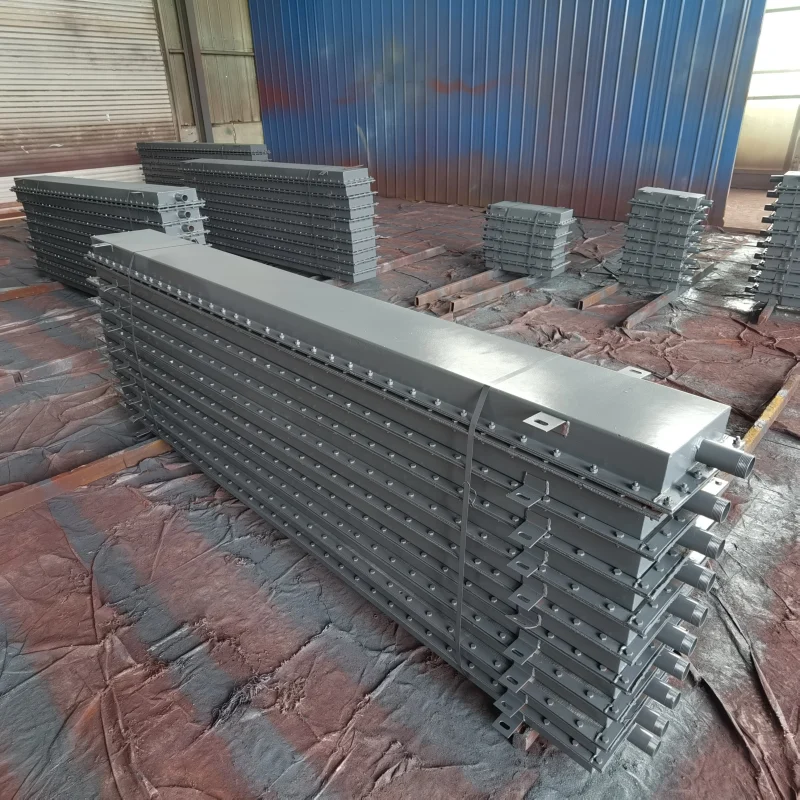
Typical Technical Configuration
| Item | Typical Configuration |
|---|---|
| Product Name | Aeration Pad |
| Alternative Description | Silo Fluidizing Pad / Powder Aeration Device |
| Main Function | Local powder fluidization and discharge assistance |
| Air Supply | Roots blower or suitable low-pressure air source |
| Fluidizing Element | Permeable polyester fabric or suitable breathable membrane |
| Housing Material | Carbon steel; stainless steel optional |
| Suitable Materials | Cement, fly ash, raw meal, lime powder, gypsum powder and similar dry powders |
| Installation Area | Silo cone, hopper bottom or lower discharge zone |
| Air Inlet | Customized according to piping arrangement |
| Customization | Size, housing, air inlet, fabric and mounting structure |
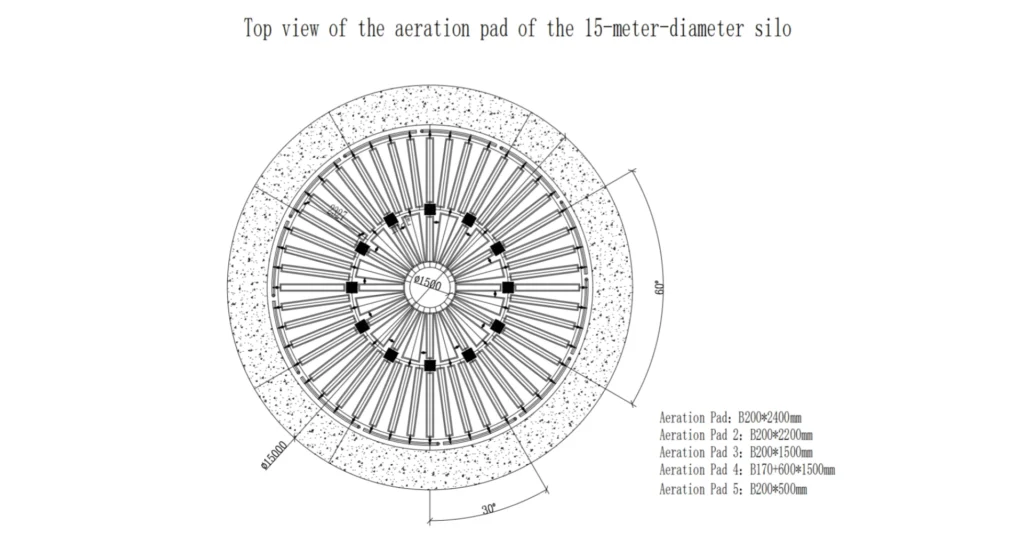
This example shows multiple aeration pads arranged around a silo cone. Final quantity and position should be confirmed according to the silo geometry, outlet location and required aeration coverage.
For detailed positioning principles, see our Aeration Pads Placement Design Guide.
After the pad locations are confirmed, mounting, sealing and air-line connection should follow the recommended aeration pad installation procedure.
How to Select a Cement Silo Aeration Pad
For product selection and quotation, please provide:
✅ Stored material
✅ Bulk density and moisture condition
✅ Operating temperature
✅ Silo diameter and cone dimensions
✅ Outlet size and position
✅ Required discharge capacity
✅ Available blower airflow and differential pressure
✅ Main air-pipe information, if available
✅ Silo drawings or clear site photos
✅ Existing aeration pad dimensions for replacement projects
LVRUI can use this information to confirm a suitable pad size, housing material, fabric specification, air inlet and mounting configuration.
If the quantity or placement has not yet been determined, the silo drawing can also be reviewed separately for a proposed aeration layout.
New Installation or Replacement Aeration Pad
For a new silo or hopper, provide the silo drawing and available air-supply information so that the pad dimensions and mounting configuration can be reviewed.
For replacement projects, provide:
✅ Existing pad length and width
✅ Housing dimensions
✅ Air inlet size and position
✅ Mounting-hole dimensions
✅ Fabric or membrane details, if known
✅ Clear photos of the existing pad
Matching these dimensions helps reduce modification work during replacement.
If existing pads are already installed but powder discharge remains poor, diagnose the airflow, leakage, branch piping and pad condition before replacing the component. See our Aeration Pad Troubleshooting Guide.
Project Reference: For a 23 m diameter cement silo retrofit at West China Cement in Tongchuan, LVRUI supplied B200 aeration units in 3.0 m, 2.2 m and 1.5 m lengths to replace the existing aeration equipment and improve cement discharge conditions. View the cement silo aeration retrofit project.
How the Aeration Pad Fits into the Discharge System
The aeration pad helps mobilize powder inside the silo or hopper before discharge. It does not control the final discharge rate or convey material downstream.
In a typical system:
Aeration Pad → improves powder mobility
Flow Control Gate → regulates discharge
Air Slide Conveyor or Screw Conveyor → transfers material downstream
For a detailed explanation of this equipment interface, see our Aeration Pad, Flow Control Gate and Air Slide Conveyor Guide.
Aeration Pad FAQs
What is an aeration pad used for?
An aeration pad supplies low-pressure air through a permeable surface to help suitable dry powders move more consistently inside a silo or hopper.
Which materials are suitable for aeration pads?
They are commonly used for cement, fly ash, raw meal, lime powder, gypsum powder and similar dry powders. Wet, sticky or heavily caked materials may require a different solution.
What air source is required?
A suitable low-pressure air source, commonly a Roots blower, is normally used. The required airflow and differential pressure depend on the pad specification, material and system arrangement.
Can the size and air inlet be customized?
Yes. Pad length, width, housing material, air inlet position, mounting structure and permeable fabric can be adapted to the silo or hopper design.
What information is needed for aeration pad selection?
Provide the stored material, silo dimensions, outlet size, operating temperature, available air supply and silo drawings or site photos. For replacement projects, existing pad dimensions are also helpful.
Is an aeration pad the same as an aeration box?
Not necessarily. The terms may be used inconsistently in project documents, but the structures should not automatically be treated as identical. See our Aeration Pad vs Aeration Box Guide for a detailed comparison.
Other products
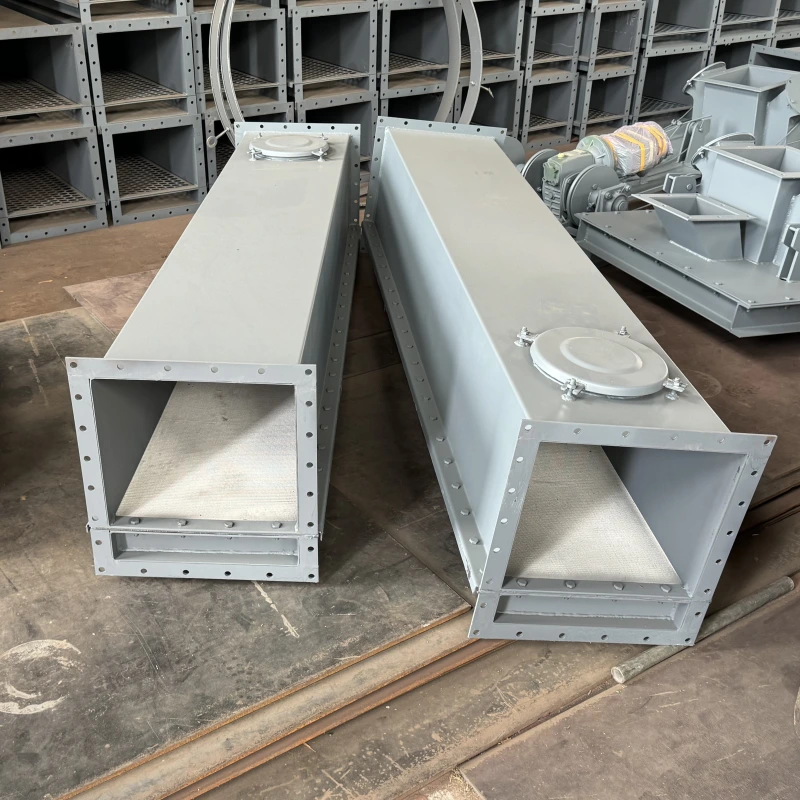
Need Help Selecting an Aeration Pad?
Send us the stored material, silo or hopper dimensions, outlet size, available air supply, operating temperature, and any drawings or site photos. LVRUI can review the application and recommend a suitable pad size, housing material, air inlet and mounting configuration, then provide dimensional information and quotation.
✅ Customized aeration pad size and quantity
✅ Layout recommendation based on silo drawings
✅ Air-supply interface matched to the aeration arrangement
✅ Carbon steel or stainless-steel options