Ensuring Efficient Bulk Material Flow in Cement and Powder Handling Systems
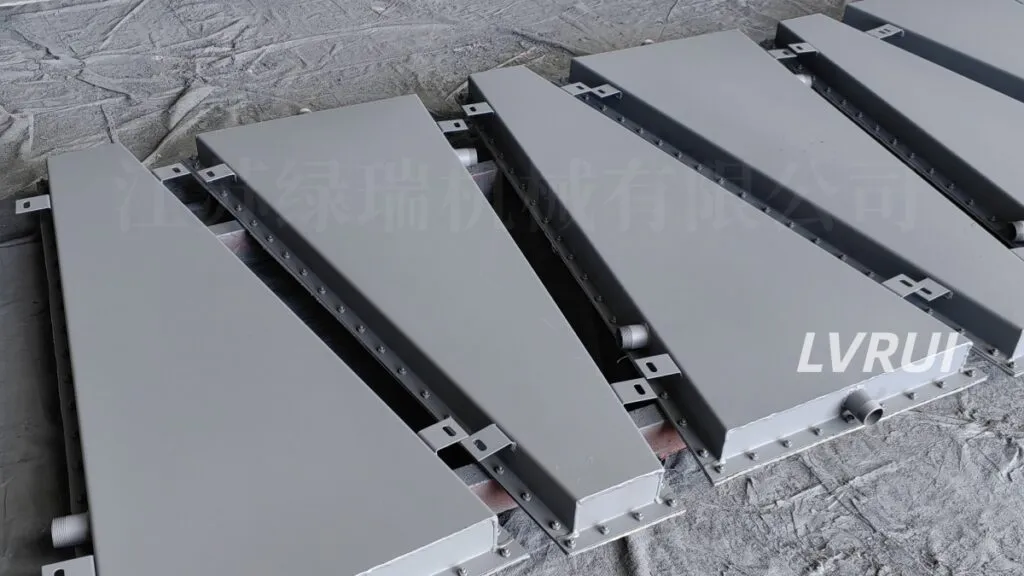
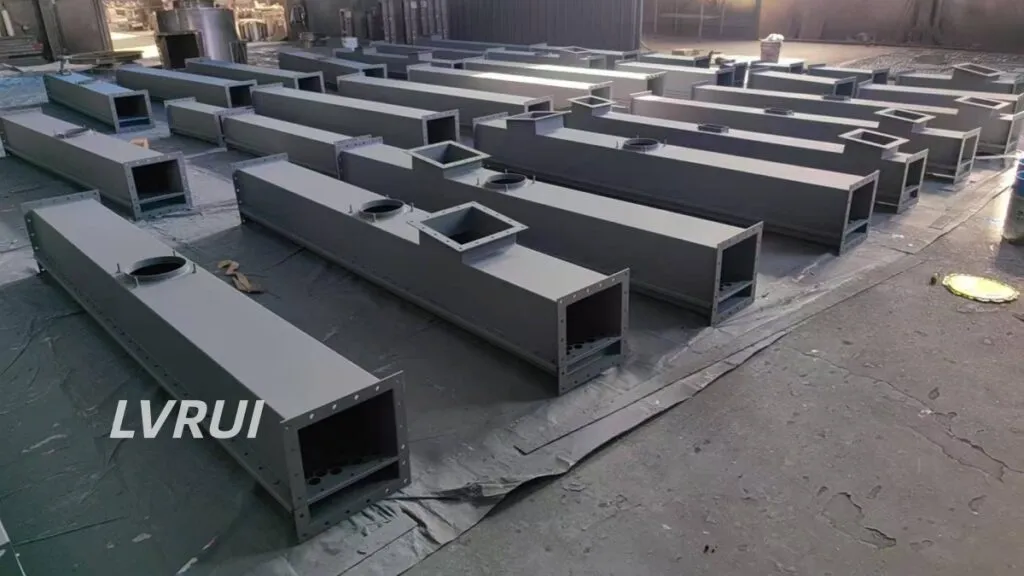
In cement and bulk powder industries, powder bridging, hang-ups, and blockages at silo discharge points are frequent issues. Fine particle size, moisture, and cohesive material properties exacerbate these problems. LVRUI aeration pads are designed to fluidize powders, reduce friction, and prevent bridging.
By providing controlled airflow, aeration pads ensure continuous, dust-free discharge from cement silos, fly ash silos, and bulk powder storage systems. Integration with air slide conveyors, pneumatic conveying lines, and bulk truck loading systems enhances efficiency, reduces downtime, and improves production reliability.
Industrial case studies show that using aeration pads in cement plants lowers maintenance requirements by up to 50%, stabilizes material flow, and minimizes mechanical cleaning needs.
What Are Aeration Pads?
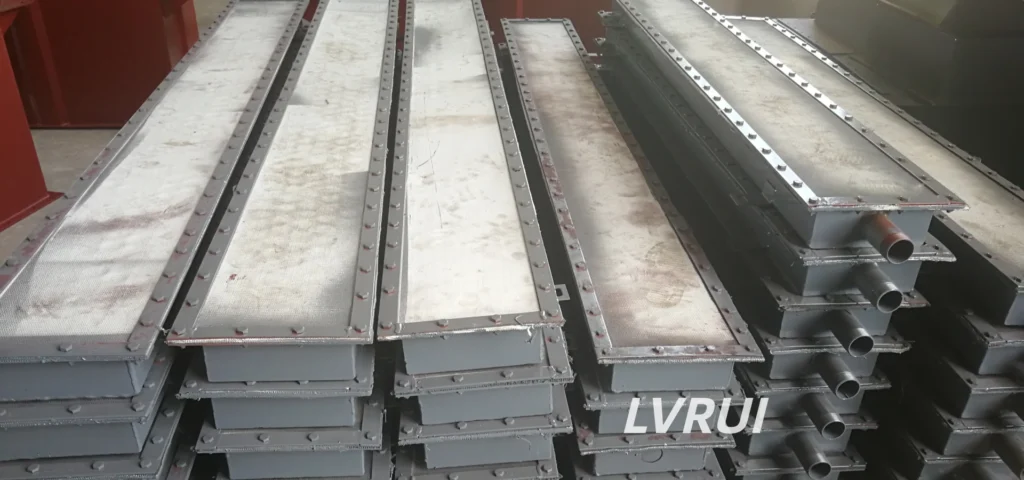
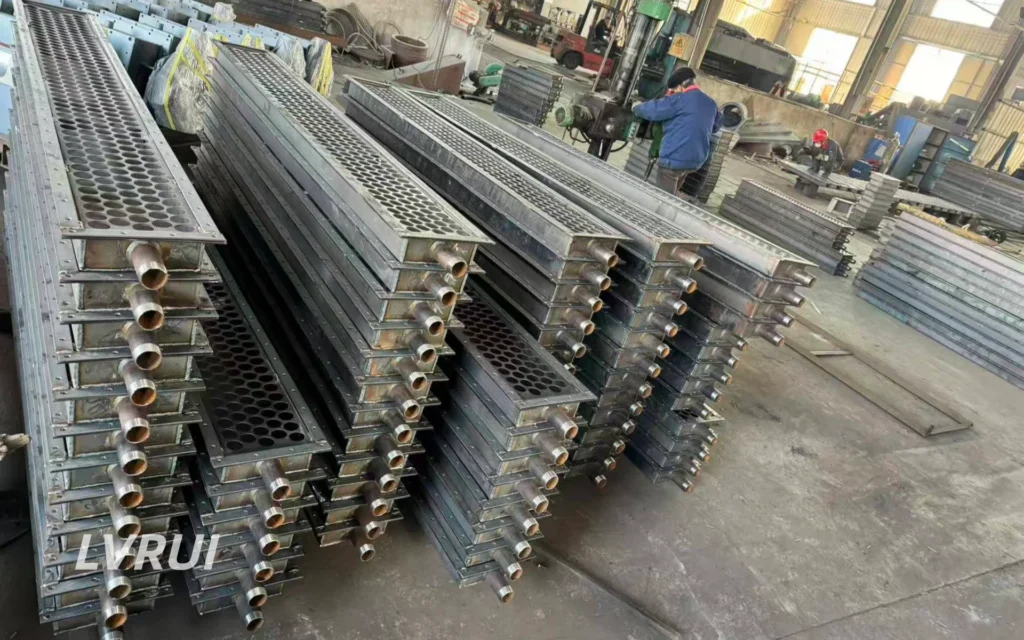
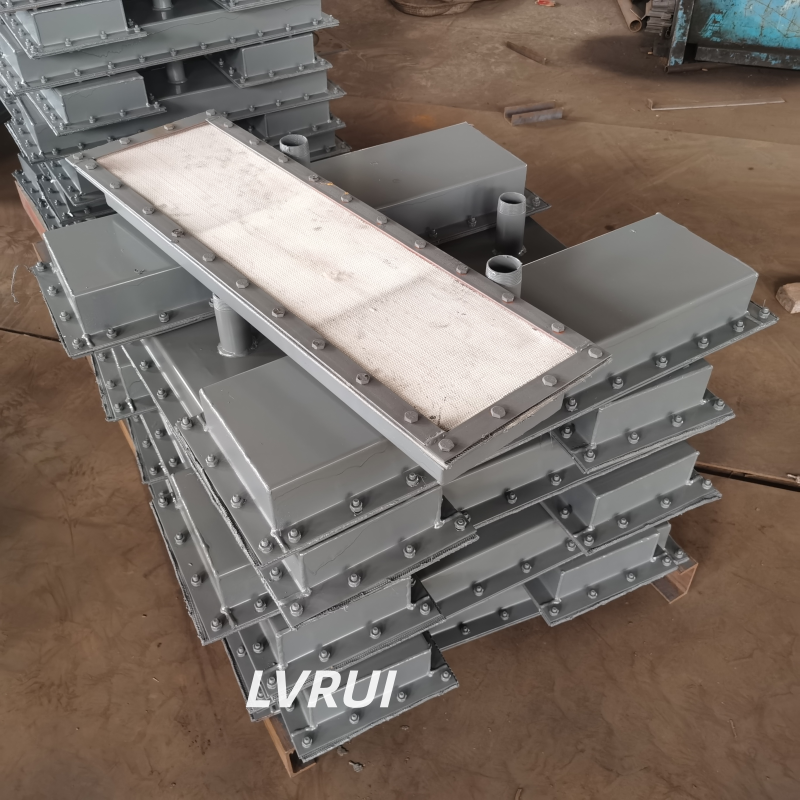
LVRUI aeration pads are porous panels installed at silo discharge points to introduce air evenly into powders. They reduce cohesion, prevent bridging, and allow powders to flow like a liquid.
They are suitable for:
✅ Cement silos and fly ash silos
✅ flour, and chemical powder storage
✅ Bulk truck loading and transfer systems
✅ Air slide conveyors and pneumatic conveying lines
Benefits
- Prevent powder bridging, sticking, and hang-ups in cement and bulk powder handling systems
- Reduce mechanical cleaning, silo vibration, and maintenance downtime
- Lower energy consumption compared to air cannons or vibration devices
- Ensure continuous, controlled discharge for air slide conveyors and bulk loading systems
- Suitable for large silos, hoppers, and dust-free operations
- Improve efficiency in pneumatic conveying and bulk material transfer
Aeration pads are particularly effective for fine, cohesive, or moisture-sensitive powders. When combined with flow control valves and air slide conveyors, they optimize bulk handling processes and enhance production efficiency in cement plants, powder processing facilities, and industrial bulk handling operations.
Applications
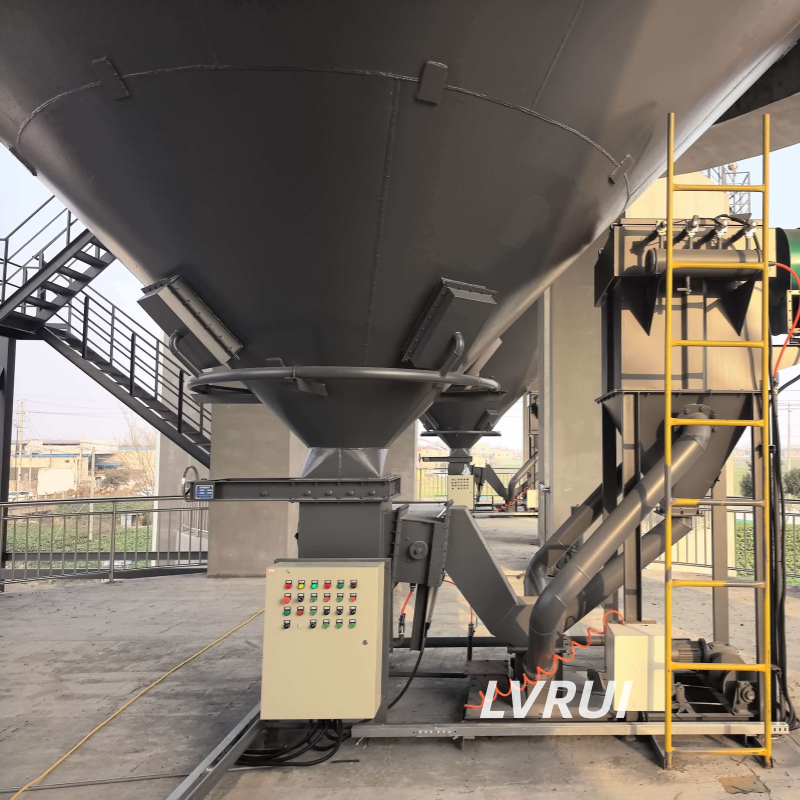
- Cement silos and fly ash silos in cement plants
- Powder storage in flour, starch, and chemical factories
- Bulk truck loading and dust-free transfer systems
- Air slide conveyor systems and pneumatic conveying lines
- Large hoppers and industrial powder storage facilities
Aeration boxs reduce silo wear, prevent blockages caused by moisture or fine particles, and enable continuous, dust-free operations. They are increasingly adopted in cement plants, powder processing, and bulk handling facilities for higher efficiency and reliability.
FAQs About Aeration Pads in Cement and Bulk Material Systems
How do aeration pads prevent powder bridging in cement silos and bulk powder handling systems?
By introducing controlled air into powders, powder fluidizing devices help cement, fly ash, starch, and chemical powders flow smoothly. This reduces friction, prevents bridging or sticking, and ensures continuous, dust-free material discharge.
Can aeration pads improve air slide conveyor and pneumatic conveying efficiency?
Yes. Powder fluidizing devices stabilize powder flow, ensuring reliable feed for air slide conveyors, bulk truck loading systems, and pneumatic conveying lines in cement plants and bulk powder processing facilities. For industry best practices on bulk material handling, refer to the Cement Bulk Material Handling Standards.
What types of bulk materials can benefit from aeration pads?
Powder fluidizing devices are effective for cement, fly ash, flour, starch, chemical powders, and other fine or cohesive bulk materials, especially in high-moisture or fine particle conditions.
How do aeration boxs reduce maintenance and downtime in cement silos?
By preventing powder sticking, bridging, and blockages, aeration pads reduce mechanical cleaning, minimize silo vibration, and extend the service life of bulk handling systems, including air slide conveyors, hopper discharge, and pneumatic transport systems.
Are aeration pads energy-efficient compared to air cannons or vibration devices?
Yes. They consume less energy while providing continuous, controlled discharge in cement and bulk powder silos, improving production efficiency and reducing operational costs.
Can aeration pads be used in large silos and hoppers for bulk powder handling?
Absolutely. They are ideal for large cement silos, fly ash silos, starch hoppers, and industrial bulk material storage, ensuring smooth powder discharge, dust-free operation, and integration with air slide conveyors and bulk truck loading systems.
CTA
Need a Reliable Aeration Box for Your Cement or Bulk Material System?
- Contact LVRUI for professional engineering support, fast quotation, and dust-free bulk material solutions
- Email: info@lvrui-conveyor.com
- Website: lvrui-conveyor.com
Indonesian Short Version
Aeration pads sangat penting untuk mencegah penggumpalan, tersangkut, atau sumbatan pada silo semen dan material bubuk. Dengan aliran udara yang terkendali, aeration pads LVRUI memastikan aliran material yang lancar, bebas debu, dan operasi berkelanjutan. Mereka cocok untuk silo besar, hopper, conveyor udara, dan sistem pemuatan truk bulk. Hubungi LVRUI untuk dukungan teknis dan solusi material curah bebas debu.