Practical Methods to Increase Cement Loading Speed While Maintaining Dust Control
Quick Answer: How Can Cement Truck Loading Efficiency Be Improved Without More Dust?
The most effective way to improve cement truck loading efficiency is not to simply open the discharge valve further.
A stable high-efficiency loading system requires balance between:
✓ Cement flow rate
✓ Loading spout sealing
✓ Dust extraction capacity
✓ Tanker venting
✓ Material feeding stability
✓ Valve control accuracy
✓ Operator procedures
Increasing loading speed without improving dust control often causes:
- More airborne cement powder
- Higher dust collector load
- Material overflow
- Unstable filling
- Longer recovery time between trucks
A well-designed cement bulk loader system improves throughput by reducing interruptions, not only by increasing instantaneous flow.
Why Faster Cement Loading Can Increase Dust Problems
Many cement plants try to reduce loading time by increasing the opening of discharge valves or increasing conveyor speed.
However, cement loading is a balance between material entering the tanker and displaced air leaving the tanker.
During loading:
Cement enters the tanker → air inside the tanker must escape → dust control system captures displaced dust
If material enters faster than the air and dust system can handle, several problems may appear:
- Dust escapes from the loading point
- Filter pressure increases
- Loading speed must be reduced
- Operators interrupt the filling process
Therefore:
The fastest loading system is not always the one with the highest material flow rate. It is the one that maintains stable material flow and minimum interruption.
1. Optimize Material Flow Before Increasing Loading Speed
The first step to improving cement truck loading efficiency is ensuring stable material supply.
The loading rate depends on the complete path:
Cement silo → Discharge system → Flow control → Conveyor → Bulk loader → Tanker
A restriction anywhere in this path can reduce loading performance.
Common limitations include:
- Poor silo discharge flow
- Incorrect flow-control valve opening
- Air slide airflow problems
- Conveyor capacity limitation
- Material blockage
- Unstable cement flow
For example, increasing the opening of a motorized flow control gate cannot improve loading speed if the air slide conveyor cannot transport the additional material.
Before increasing capacity, check:
- Is cement flow stable?
- Is the downstream conveyor fully loaded?
- Is the loading spout receiving material continuously?
- Does the flow-control valve operate smoothly?
Stable material flow is the foundation of efficient cement truck loading.
2. Use Flow Control Instead of Simple Open/Close Operation
A common mistake in cement loading systems is using only full-open and full-close operation.
Although this may provide a high initial flow rate, it can create:
- Material surging
- Tanker filling instability
- Increased dust generation
- Difficult flow adjustment
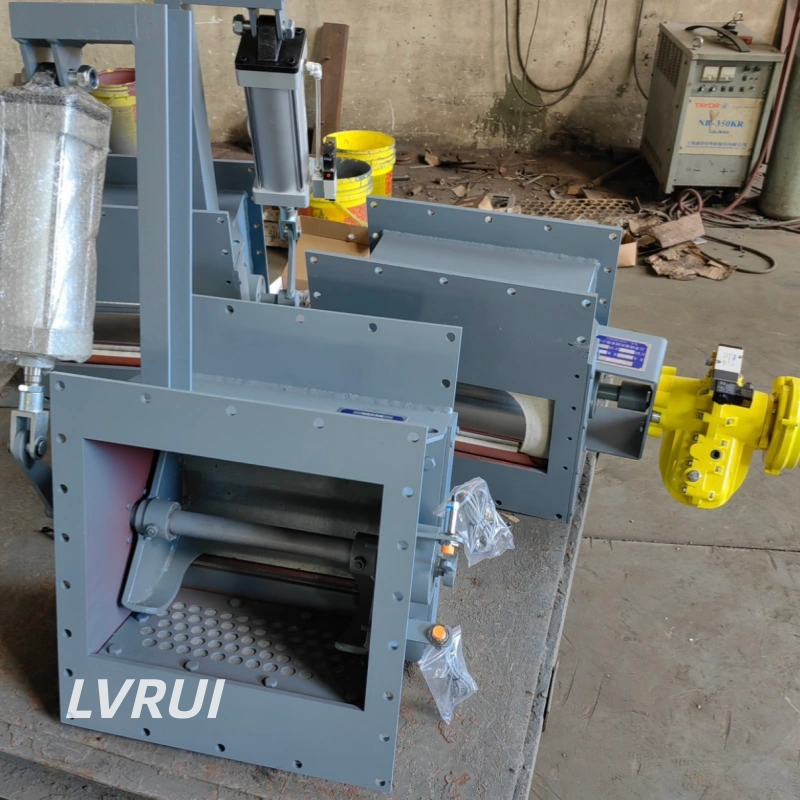
A motorized flow control gate allows operators or automatic systems to adjust cement flow according to actual loading conditions.
A better loading process usually includes:
- Higher flow during initial filling
- Controlled flow near final filling
- Reduced material impact near completion
This approach improves:
- Loading accuracy
- Dust stability
- Equipment protection
- Operator control
The goal is not maximum flow at every moment.
The goal is the shortest total loading cycle.
3. Improve Loading Spout Sealing and Positioning
The loading spout is one of the most important points affecting both loading speed and dust control.
A poorly positioned or poorly sealed loading spout can reduce efficiency because:
- Dust escapes from gaps
- Operators need to adjust the position repeatedly
- Loading must be slowed down
- Cleaning time increases
During cement truck loading, check:
✓ Spout reaches the tanker inlet correctly
✓ Sealing section contacts properly
✓ Flexible parts are not damaged
✓ Dust return path remains open
✓ The loading position remains stable
A good loading spout does not only transfer cement.
It also helps control displaced air and maintain stable loading conditions.
4. Match Dust Collection Capacity With Loading Rate
Increasing loading speed without checking dust collection capacity is one of the most common reasons for poor results.
The dust collector must handle the air displaced when cement enters the tanker.
If extraction capacity is insufficient:
- Dust escapes around the loading point
- Filter pressure rises quickly
- Operators reduce loading speed
- Cleaning frequency increases
However, excessive extraction airflow can also create problems.
Too much negative pressure may:
- Disturb material flow
- Increase filter load
- Affect loading stability
The dust system should be matched with:
- Loading capacity
- Tanker size
- Loading spout design
- Material characteristics
- Venting condition
Efficient cement truck loading requires coordination between material flow and airflow.
5. Improve Tanker Venting During Cement Loading
The tanker itself affects loading performance.
When cement enters the tanker, the internal air volume decreases and must be discharged.
If the tanker venting path is restricted:
- Internal pressure increases
- Cement flow becomes unstable
- Dust escapes from weak points
- Loading time increases
Before blaming the loading equipment, check:
- Tanker vent filter condition
- Vent pipe blockage
- Air release path
- Pressure inside the tanker
A properly vented tanker allows cement to enter smoothly while reducing dust leakage.
6. Reduce Loading Interruptions Through Better Operating Procedures
Many loading delays are not caused by equipment capacity.
They come from repeated interruptions:
- Truck positioning adjustment
- Manual valve operation
- Dust cleaning
- Waiting for unstable flow
- Operator corrections
A standardized loading procedure can improve total daily capacity. Standardized operating procedures also help improve workplace safety during bulk material loading activities. Refer to OSHA safety standards for general industrial safety requirements.
A typical efficient sequence:
- Position tanker correctly
- Connect loading spout
- Start dust collection
- Confirm discharge system ready
- Begin controlled cement flow
- Monitor loading condition
- Stop smoothly at target weight
Reducing small delays between trucks can significantly improve daily loading output.
7. Maintain Equipment That Directly Affects Loading Efficiency
Regular maintenance has a direct influence on cement truck loading efficiency.
Important inspection points include:
Flow Control Gate
Check:
- Opening response
- Sealing condition
- Position feedback
Air Slide Conveyor
Check:
- Air supply
- Fabric condition
- Material movement
Loading Spout
Check:
- Flexible sleeve condition
- Dust sealing
- Movement mechanism
Dust Collector
Check:
- Filter condition
- Cleaning system
- Pressure difference
Equipment that operates correctly reduces unexpected loading interruptions.
Cement Truck Loading Efficiency Improvement Checklist
| Problem | Possible cause | Recommended check |
|---|---|---|
| Loading speed is low | Insufficient material flow | Check silo discharge and conveyor capacity |
| Loading becomes dusty after increasing speed | Dust system overload | Check extraction capacity |
| Flow is unstable | Poor valve control | Check flow control gate operation |
| Tanker pressure increases | Poor venting | Check tanker vent filter |
| Frequent loading interruptions | Operating procedure issues | Standardize loading sequence |
| Dust escapes around spout | Poor sealing | Check loading spout position |
| Final loading stage is slow | Flow control adjustment | Optimize final filling rate |
How to Increase Loading Capacity Without Changing Equipment
Before replacing equipment, many plants can improve performance through optimization.
Possible improvements:
✓ Adjust flow-control valve settings
✓ Improve tanker positioning
✓ Optimize loading sequence
✓ Maintain dust collector regularly
✓ Remove restrictions in material flow
✓ Improve operator procedures
In many cases, the bottleneck is not the maximum capacity of the equipment but the coordination between different parts of the loading system.
Frequently Asked Questions About Cement Truck Loading Efficiency
How can cement truck loading speed be increased without more dust?
Increase efficiency by stabilizing material flow, improving loading spout sealing, matching dust extraction capacity and optimizing valve control. Simply increasing discharge speed often creates more dust and unstable loading.
Does a larger loading spout always make cement loading faster?
Not necessarily. Loading speed depends on the complete system, including material supply, flow control, tanker venting and dust handling.
Why does faster cement loading create more dust?
Higher material flow can increase displaced air and dust generation if the loading spout sealing or dust collection system cannot handle the increased airflow.
How does a flow control gate improve cement loading efficiency?
A flow control gate regulates cement discharge instead of only opening or closing the material path. This helps maintain stable loading and reduces surging.
Can tanker venting affect cement loading time?
Yes. Poor tanker venting can restrict air release, causing unstable material flow and longer loading cycles.
What information is needed to evaluate a cement truck loading system?
Important information includes loading capacity, cement type, silo outlet size, existing conveyor system, dust collector specifications, tanker type and current loading time.
Conclusion
Improving cement truck loading efficiency is not simply a matter of increasing material flow.
A high-performance loading system requires coordination between:
Material handling → Flow control → Loading spout → Dust collection → Tanker venting → Operating procedure
The best improvement strategy is to remove bottlenecks and reduce interruptions while keeping dust under control.
A stable loading process can achieve shorter truck turnaround time without creating additional environmental problems.
Need Help Improving Cement Truck Loading Efficiency?
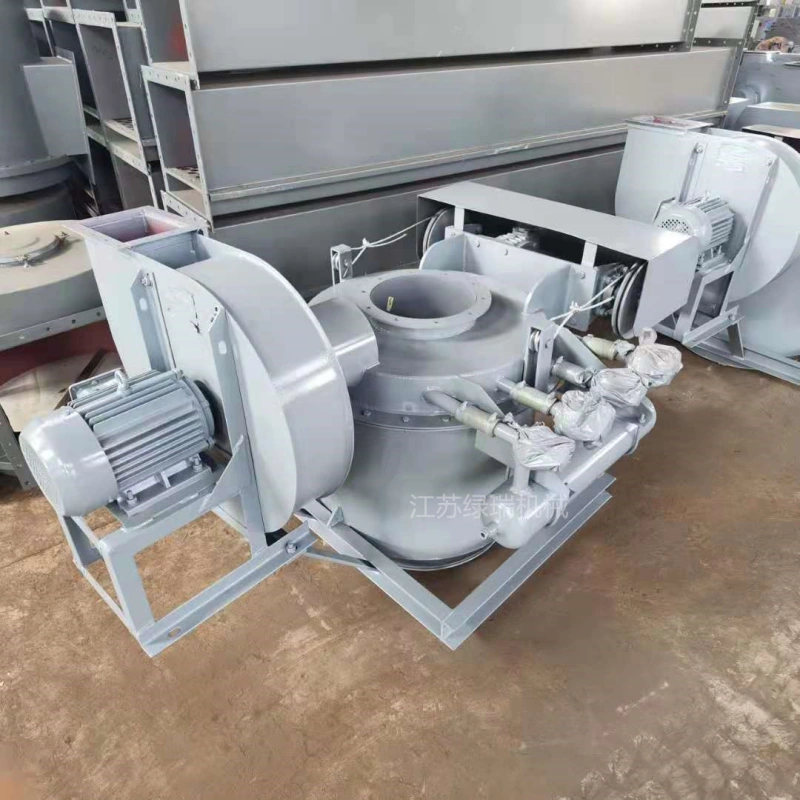
Jiangsu Lvrui Machinery Co., Ltd. provides cement bulk loading equipment, loading spouts, flow control gates, air slide conveyors and dust-control solutions for cement and dry bulk material handling systems.
To evaluate your cement truck loading performance, please provide:
- Current loading time per truck
- Target loading capacity
- Cement type and bulk density
- Silo discharge arrangement
- Existing conveyor system
- Loading spout type
- Dust collection configuration
- Site photos or process drawings
LVRUI can review the complete loading process and recommend suitable equipment or optimization methods.
WhatsApp / WeChat: +86-18261998937
Email: info@lvrui-conveyor.com