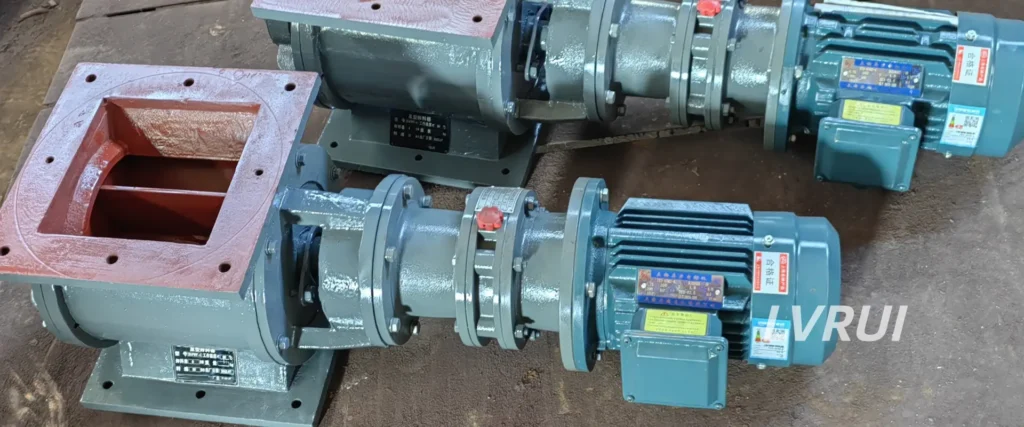
Cement powder rotary valve for stable feeding and airlock control

Rotary Valve for Cement Powder Handling: How to Improve Feeding Stability and Airlock Performance

A cement powder rotary valve helps provide stable feeding and airlock control in cement, fly ash, lime powder, and dry bulk handling systems. It reduces air leakage, supports continuous discharge, and improves material flow stability in silos, bag filters, and pneumatic conveying lines. This article explains how to select, use, and maintain a rotary valve for reliable cement powder handling.
Rotary Valve for Cement Powder Handling: How to Improve Feeding Stability and Airlock Performance Read More »

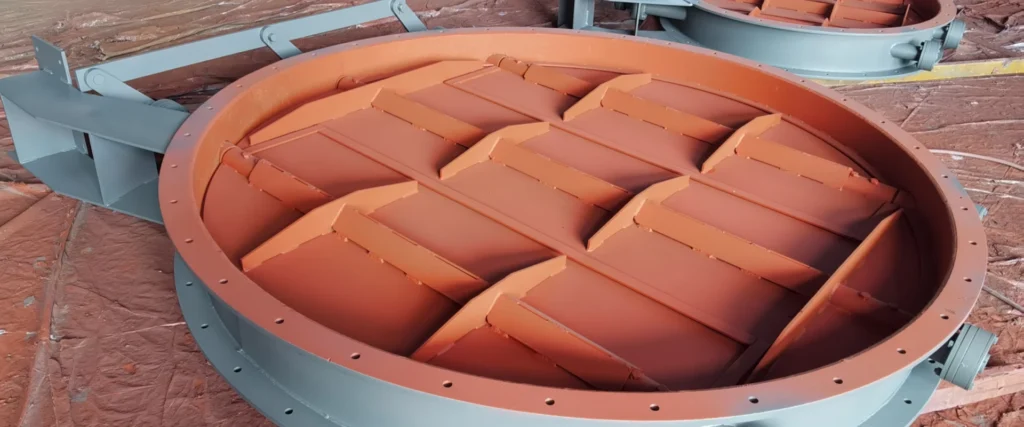
Industrial louver damper valve for dust collector system ventilation and airflow regulation

DN2000 Electric Air Duct Damper Valve: Precision Airflow Control for Cement Plants

The DN2000 Electric Air Duct Damper Valve provides precise airflow regulation for industrial cement plants, combining high-performance louver actuation with low-leakage sealing. This article explains its design, working principle, installation tips, and maintenance best practices to ensure stable kiln operation and efficient dust control.

DN2000 Electric Air Duct Damper Valve: Precision Airflow Control for Cement Plants Read More »

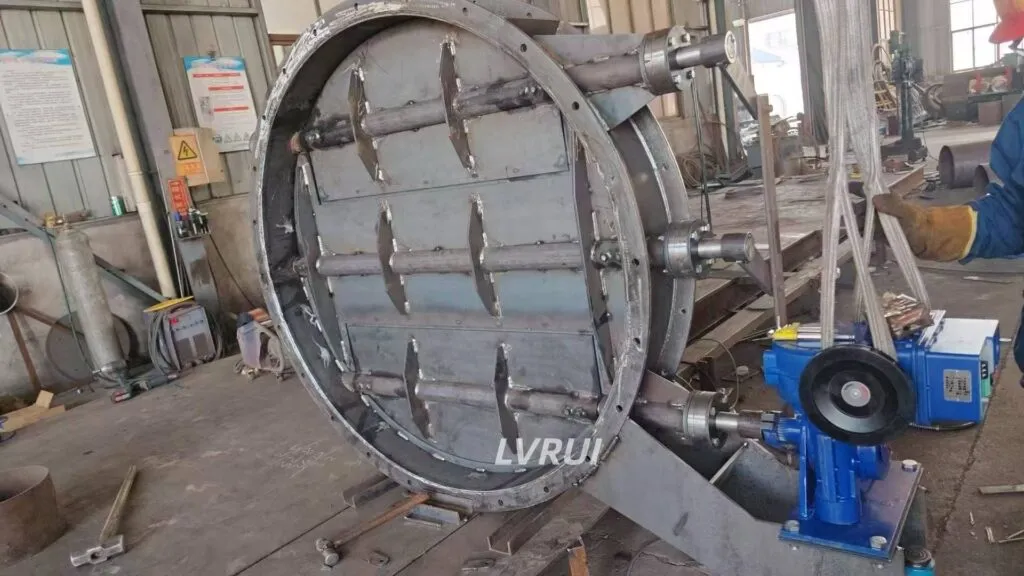
Industrial louver damper during maintenance in cement plant

Maintenance & Troubleshooting Guide for Industrial Louver Dampers

Industrial louver dampers are critical components in cement plant ventilation systems. Proper maintenance and timely troubleshooting not only extend the lifespan of these valves but also ensure stable airflow, dust control, and operational safety. This guide covers common issues, step-by-step maintenance procedures, troubleshooting tips, and recommendations for spare parts selection to optimize industrial airflow control.

Maintenance & Troubleshooting Guide for Industrial Louver Dampers Read More »

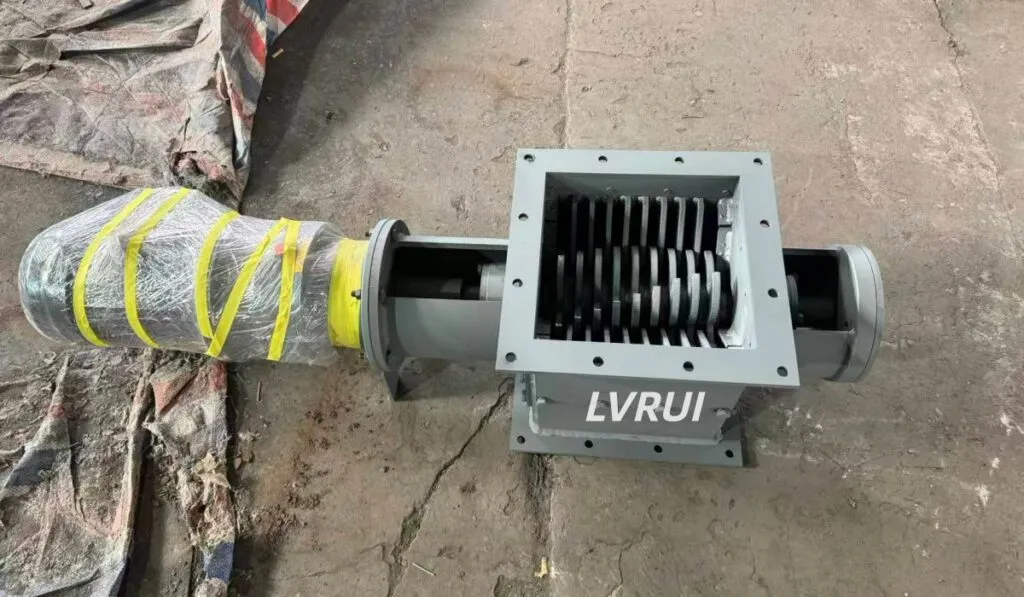
lump breaker for cement silos installed at discharge outlet in cement plant

Why Cement Forms Lumps in Silos: Storage, Moisture and Aeration Problems

Cement can form lumps inside silos when powder absorbs moisture, stays under storage pressure for too long, experiences condensation, or receives uneven aeration. This article explains why cement forms lumps in silos, how storage conditions affect cement flowability, and how plant operators can reduce lump formation before the material reaches the discharge outlet.

Why Cement Forms Lumps in Silos: Storage, Moisture and Aeration Problems Read More »