Why Regular Maintenance of Louver Dampers Is Crucial
Industrial louver damper maintenance is essential for ensuring stable airflow, dust control, and operational efficiency in cement plants, power stations, and bulk material handling systems. Proper maintenance helps prevent stuck blades, actuator malfunctions, and seal wear, guaranteeing reliable performance of industrial louver dampers.
Common Issues and How to Troubleshoot Louver Dampers
- Stuck or Slow-Acting Blades
- Cause: Accumulated dust, debris, or lack of lubrication.
- Solution: Clean the blades, check actuator connections, and apply industrial-grade lubricant.
- Air Leakage or Pressure Drop
- Cause: Damaged seals or improper installation.
- Solution: Inspect gaskets, reseal joints, and verify correct mounting.
- Electric Actuator Malfunction
- Cause: Wiring issues, power fluctuations, or actuator failure.
- Solution: Test electrical connections, reset or replace actuator if needed.
- Corrosion or Blade Deformation
- Cause: Harsh environment or abrasive dust.
- Solution: Apply corrosion-resistant coatings, replace bent blades, and schedule regular inspection cycles.
Step-by-Step Maintenance Procedures
- Shut down the airflow system and isolate the damper.
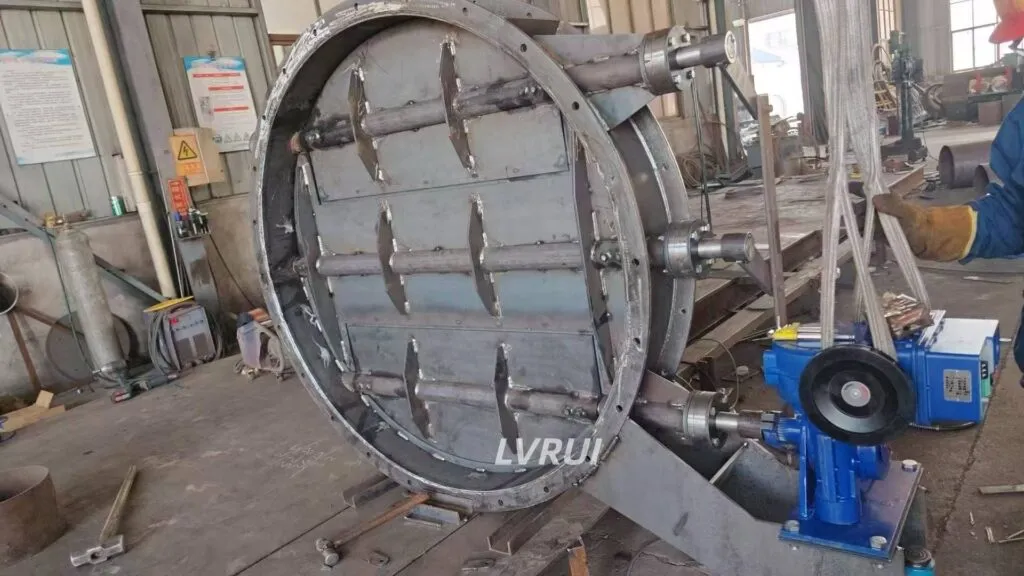
- Remove dust and debris from blades and frame.
- Lubricate pivot points and actuator mechanisms.
- Inspect all seals, gaskets, and mounting bolts.
- Test actuator response and blade movement.
- Document inspection results and schedule the next maintenance.
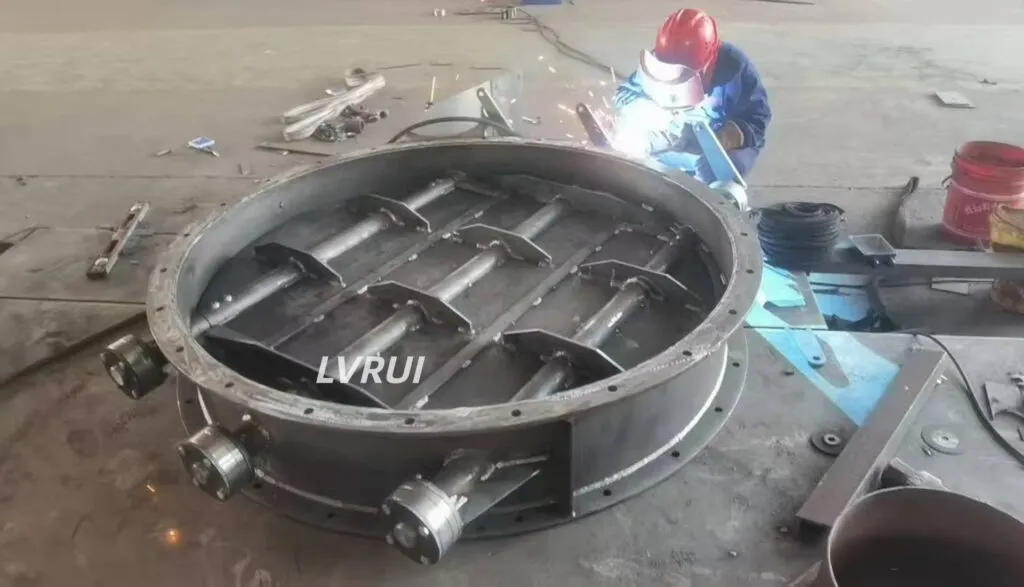
Tips for Prolonging Damper Lifespan and Ensuring Efficiency
- Conduct quarterly inspections for high-dust applications.
- Use industrial-grade lubricants suitable for high-temperature cement environments.
- Apply protective coatings for corrosion-prone areas.
- Train operators to recognize early warning signs of valve failure.
Learn more about: Air Slide Conveyor Systems for Cement Plants
Selecting the Right Spare Parts and Materials
- Blade Material: Stainless steel or coated steel for abrasion resistance.
- Seals: High-temperature resistant elastomers.
- Actuators: Electric or pneumatic actuators matched to damper size.
- Gaskets & Fasteners: Industrial-grade, corrosion-resistant for long-term reliability.
Click here to explore: Cement Industry Ventilation Guidelines
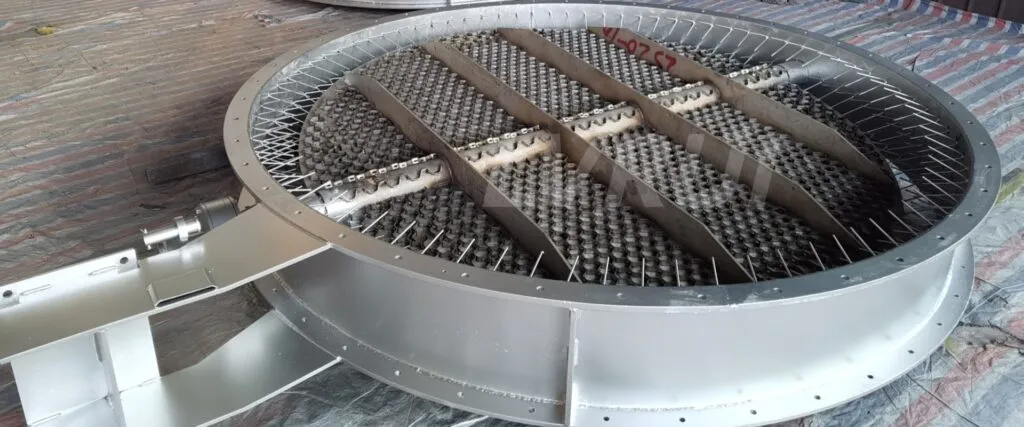
FAQs About Industrial louver damper maintenance
How often should industrial louver damper maintenance be performed in a cement plant?
Regular industrial louver damper maintenance should be conducted every 3–6 months, depending on dust accumulation, operating hours, and airflow load. This ensures stable cement plant ventilation, optimized dust control, and prevents blade wear or actuator malfunctions.
What are the common causes of stuck louver damper blades?
Stuck blades in louver dampers are primarily caused by dust accumulation, debris in ventilation ducts, or insufficient lubrication. Performing regular louver damper maintenance and cleaning helps maintain efficient airflow control and prevents system downtime in cement plants.
Can a malfunctioning actuator impact industrial airflow control?
Yes. A faulty actuator can prevent proper blade movement in louver dampers, causing airflow imbalance, reduced dust control efficiency, and unstable kiln ventilation. Timely actuator troubleshooting and industrial louver damper maintenance are essential to maintain consistent airflow in bulk material handling systems.
Are electric louver dampers suitable for high-temperature cement kiln applications?
Yes. Electric louver dampers can operate effectively in high-temperature environments if blades, seals, and actuators are made of heat-resistant materials. Regular industrial louver damper maintenance ensures long-term durability, prevents corrosion, and maintains optimal airflow and dust control.
How do I select the right spare parts for industrial louver dampers?
Choose stainless steel or coated blades, high-temperature resistant seals, and actuators rated for the system’s operating conditions. Proper selection of spare parts combined with routine louver damper maintenance enhances cement plant airflow efficiency and minimizes downtime.
What is the recommended lubrication for industrial louver dampers?
Use high-temperature, industrial-grade lubricants compatible with cement dust and continuous operation. Regular lubrication is a critical part of industrial louver damper maintenance, helping maintain smooth blade movement, actuator reliability, and effective dust control in cement plants and bulk material systems.
Need a reliable louver damper for your cement or powder conveying system?
Contact LVRUI today for expert support, factory-direct QC, and timely engineering solutions.
Email: info@lvrui-conveyor.com | Website: lvrui-conveyor.com