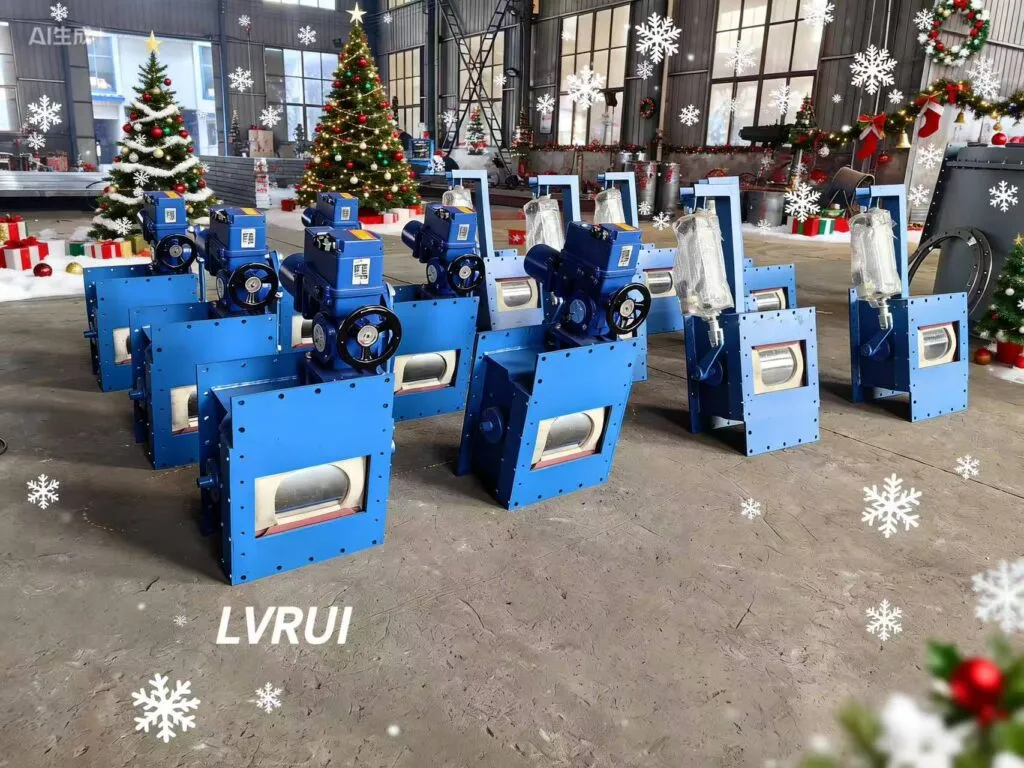
How Raw Materials, Raw Meal, Clinker and Finished Cement Move Through a Cement Plant
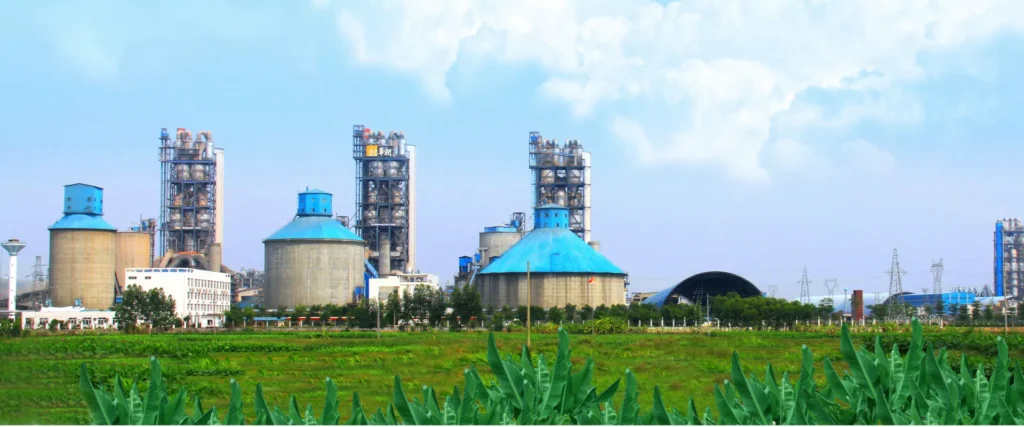
What Is Cement Plant Material Handling?
Cement plant material handling refers to the movement, storage, feeding, discharge and transfer of bulk materials between different stages of cement production. Depending on the plant type, these materials may include limestone and other raw materials, raw meal, clinker, gypsum and other cement constituents, finished cement, fly ash and collected process dust.
The handling requirements change significantly from one stage to another. Coarse and abrasive materials such as limestone and clinker require different conveying and wear considerations from fine powders such as raw meal and finished cement.
This guide focuses on how materials move between production stages and how conveying, storage, discharge and loading systems must work together. It does not cover cement chemistry or kiln-process design in detail.
Cement Plant Material Flow: From Raw Materials to Bulk Loading
A typical integrated cement plant moves materials through several connected stages. The exact layout varies by plant, but the main material flow can be summarized as follows:
| Cement Plant Stage | Main Material | Material Handling Function |
|---|---|---|
| Raw material receiving and crushing | Limestone and corrective materials | Receive, reduce size and transfer material to storage |
| Raw material storage and preparation | Crushed raw materials | Store, reclaim and feed raw grinding |
| Raw meal handling | Raw meal | Convey fine powder to blending and kiln feeding |
| Clinker handling | Clinker | Transfer cooled clinker to storage and cement grinding |
| Cement grinding and transfer | Finished cement | Convey cement from grinding to storage silos |
| Cement silo storage and discharge | Cement powder | Store and release cement at a controlled rate |
| Bulk loading and dispatch | Finished cement | Transfer cement from storage to trucks or other receiving equipment |
Dust collection, flow control and equipment monitoring support several of these stages rather than forming a separate final step in the material flow.
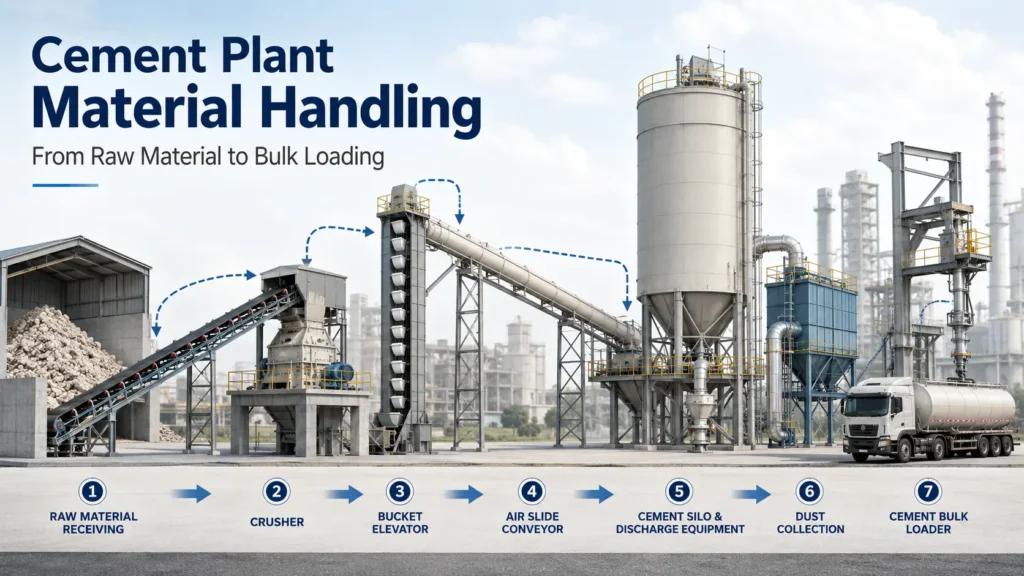
Main Material Flow in a Cement Plant
1. Raw Material Receiving and Handling
Raw material handling begins with receiving, crushing and storing limestone and other materials required for cement production. Before raw grinding, these materials are typically transferred between the crusher, stockpile or storage area and the raw material preparation section.
Because limestone and similar materials are relatively coarse and can be abrasive, this stage commonly relies on mechanical conveying equipment such as belt conveyors and other suitable heavy-duty conveyors.
The main engineering considerations are particle size, conveying capacity, impact at transfer points, material spillage, wear and dust generation. Stable feeding into the next process stage is also important because irregular raw material supply can affect downstream preparation.
2. Raw Meal Preparation and Conveying
After raw materials are proportioned and ground, the resulting raw meal must be conveyed to blending or homogenization storage and then supplied to the kiln feeding system.
Raw meal behaves very differently from crushed limestone. It is a fine powder, so enclosed conveying, controlled feeding and dust containment become more important. Depending on the layout and material properties, suitable equipment may include air slide conveyors, bucket elevators or other compatible powder conveying equipment.
Where air slide conveyors are used, stable aeration, suitable material condition and sufficient conveying inclination are necessary for reliable operation.
3. Raw Meal Blending and Kiln Feeding
Before entering the kiln system, raw meal is stored and homogenized to support a more stable feed composition. The handling system must then discharge and deliver the material at a controlled rate to the kiln feeding section.
At this stage, stable powder flow is more important than simply opening a discharge gate. Aeration, discharge geometry, feeding equipment and downstream conveying capacity must work together.
If raw meal discharge becomes unstable, the kiln feed rate may fluctuate. Engineers should therefore distinguish between material-flow problems, aeration problems and equipment-control problems before modifying the discharge system. For detailed troubleshooting of unstable discharge, arching and other powder-flow problems, see our material flow problems in cement plants guide.
4. Clinker Cooling, Storage and Handling
After clinker leaves the kiln and passes through the cooling stage, it must be conveyed to clinker storage or directly toward downstream cement grinding operations according to the plant layout.
Clinker handling places different demands on equipment than fine powder conveying. Particle size, residual temperature, impact and abrasiveness can influence conveyor selection, transfer-chute design, wear protection and maintenance requirements.
Mechanical conveying equipment such as chain conveyors, pan conveyors, belt conveyors and bucket elevators may be used depending on the application. The selected equipment and wear components should be evaluated according to the actual clinker condition and required capacity. For a broader discussion of conveyor selection, abrasion and system coordination in cement plants, see our bulk conveying systems in cement industry guide.
5. Cement Grinding and Finished Cement Conveying
After clinker is ground with gypsum and other required constituents, the finished cement must be transferred continuously from the grinding section to cement storage silos.
Finished cement is a fine, dry powder. Enclosed conveying, controlled material flow and suitable dust collection at transfer points are therefore important. Depending on the route and plant layout, the transfer system may use air slide conveyors, bucket elevators, screw conveyors or other suitable powder conveying equipment.
A critical design consideration is capacity matching. The finished cement conveying system must be capable of receiving the actual mill output. If downstream conveying capacity is insufficient, material accumulation can restrict grinding operation even when the mill itself has adequate production capacity.
Where air slide conveyors are used, material condition, inclination, aeration supply, fabric condition and sealing should be evaluated together.
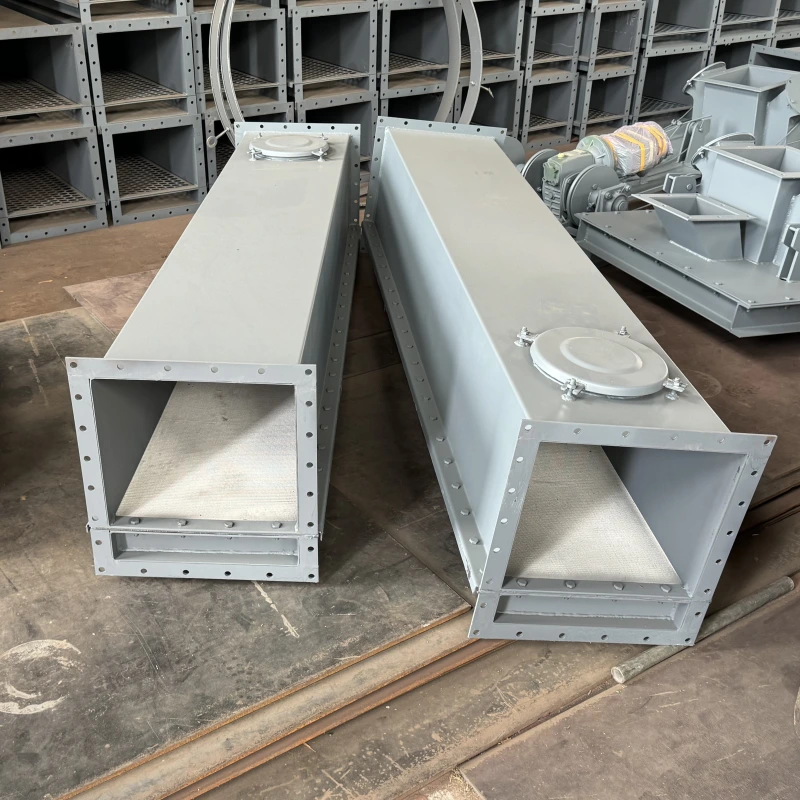
Cement Silo Storage and Controlled Discharge
Finished cement is stored in silos before packing or bulk loading. Storage capacity alone does not guarantee stable plant operation—the silo must also discharge cement at a controllable rate that matches the downstream conveying or loading system.
Fine cement powder can develop poor flow because of material condition, moisture exposure, compaction, insufficient aeration or unsuitable discharge arrangements. For this reason, silo discharge should be evaluated as a combination of material aeration, outlet geometry, isolation, flow regulation and downstream capacity. For general engineering background on bulk-solid flow properties and bin or hopper design, refer to AIChE’s Ten Steps to an Effective Bin Design.
A cement silo may contain enough material for dispatch but still become a bottleneck if its discharge system cannot feed the next process continuously. For detailed design-related issues that can cause poor powder flow, see our cement silo discharge design mistakes guide.
Bulk Cement Loading and Dispatch
Bulk loading is the final material handling stage before finished cement leaves the plant. Cement must move from the storage silo through controlled discharge and conveying equipment to the loading system at a rate compatible with the receiving truck or tanker.
A typical bulk loading path may include:
Cement Silo → Controlled Discharge → Conveying Equipment → Bulk Loader / Loading Spout → Cement Tanker
For loading equipment, dust extraction, level control and system integration, see LVRUI’s bulk loading systems page.
Stable loading depends on coordination between silo discharge capacity, conveyor capacity and loading equipment. If one stage delivers material faster than the next stage can receive it, the result may be material accumulation, loading interruptions or dust leakage.
Dust extraction and suitable sealing at the tanker inlet are also important because bulk loading displaces air as material enters the vehicle.
Where Material Handling Bottlenecks Usually Occur
Material handling problems usually develop at interfaces between process stages rather than inside only one machine. Typical bottlenecks include:
| Interface | Typical problem |
|---|---|
| Silo outlet → conveyor | Unstable discharge or overfeeding |
| Conveyor → transfer point | Spillage, dust leakage or material buildup |
| Fine powder conveying | Inadequate aeration where applicable, or insufficient conveying capacity |
| Clinker transfer | Impact and abrasive wear |
| Silo → bulk loader | Loading rate mismatch and dust leakage |
When a problem appears, engineers should identify where the instability begins before replacing individual equipment. When a problem appears, engineers should identify where the instability begins before replacing individual equipment.
Why Material Handling Capacity Must Be Balanced Across the Plant
Reliable cement plant operation depends on the capacity relationship between connected process stages. A conveyor should not be evaluated only by its nominal capacity, and a silo discharge system should not be designed independently from the equipment that receives the material.
For example, finished cement may leave the mill at a high rate, but continuous production can still be restricted if the downstream conveying system cannot transfer that output reliably to the storage silo.
The same principle applies to silo discharge and bulk loading. If the silo releases material faster than the conveyor or loading system can accept it, material accumulation and unstable operation may occur. If discharge capacity is too low, truck loading remains slow even when the loading spout itself has adequate capacity.
The key engineering principle is therefore:
Upstream Discharge Capacity → Conveying Capacity → Downstream Receiving Capacity
These stages should be evaluated as one material handling chain.
Dust Control Across Cement Material Handling Stages
Dust can be generated at several material transfer points in a cement plant, including crushing areas, conveyor transfers, silo filling, powder conveying and bulk loading.
Effective dust control begins by identifying the actual emission point and understanding how material movement displaces air. Enclosures, sealing, local extraction and suitable dust collection equipment can then be configured according to the application.
Dust collection should therefore be integrated with the material handling layout rather than treated as an isolated filter-selection problem. For a broader engineering overview of dust sources and control methods, see our cement plant dust control guide.
FAQs About Cement Plant Material Handling
What is cement plant material handling?
Cement plant material handling covers the receiving, conveying, storage, feeding, discharge and loading of bulk materials between production stages. Materials may include limestone, raw meal, clinker, gypsum, finished cement and other compatible bulk solids.
How does material move through a cement plant?
In a typical integrated plant, the main material path is raw material receiving and preparation → raw meal handling → clinker production and storage → cement grinding → cement silo storage → bulk loading or packing.
How is clinker handling different from cement powder handling?
Clinker is a coarse and abrasive material that may also retain elevated temperature after cooling, while finished cement is a fine dry powder. These different properties lead to different conveying, wear, sealing and dust-control requirements.
What equipment is commonly used for cement powder conveying?
Depending on the route and operating conditions, cement powder may be transferred using air slide conveyors, bucket elevators, screw conveyors or other suitable powder conveying equipment.
Why can material handling become a bottleneck in cement plant operations?
A bottleneck occurs when one process stage cannot reliably receive or transfer the material delivered by the previous stage. Conveying, silo discharge and loading capacities therefore need to be coordinated with upstream production.
What information is needed when selecting cement material handling equipment?
Important information includes material type and properties, required capacity, conveying distance, elevation difference, process layout, upstream and downstream equipment, dust-control requirements and available installation drawings.
Conclusion
Cement plant material handling connects every stage of production, from raw material receiving to finished cement loading. The material changes significantly along this route—from coarse limestone and clinker to fine raw meal and cement powder—so each stage requires appropriate conveying, storage and discharge conditions.
Reliable plant operation depends on more than selecting individual machines. Upstream feeding, conveying capacity, silo discharge and downstream receiving equipment must be coordinated as one material flow system.
When these interfaces are properly matched, the plant can maintain more stable material movement and reduce recurring problems such as accumulation, unstable discharge and loading interruptions.
Need Equipment for a Cement Plant Material Handling Project?
If you are planning or upgrading a cement conveying, silo discharge or bulk loading system, send us your material information, required capacity and available layout drawings.
LVRUI can review your application and recommend suitable equipment configurations for the agreed project scope. For a broader overview of available equipment categories, see our cement plant bulk material handling equipment page.
✓ Powder conveying and material transfer equipment
✓ Silo discharge and flow control equipment
✓ Bulk loading and compatible dust collection equipment
✓ Equipment configuration drawings and remote technical support
WhatsApp: +86 18261998937
WeChat: +86 18261998937
Email: info@lvrui-conveyor.com