
Rotary Valve for Powder and Granular Material Handling
For Silos, Hoppers, Dust Collectors and Compatible Conveying Systems
What Is a Rotary Valve?
A rotary valve is a bulk material handling device that uses a multi-pocket rotor to discharge powder or granules continuously from a silo, hopper, filter or process vessel. Material fills the rotor pockets at the inlet and is carried to the outlet as the rotor turns.
It may also be called a rotary airlock valve, rotary feeder, star discharge valve or airlock feeder, depending on whether the application emphasizes material feeding, discharge or limiting air leakage between connected equipment.
Key Features
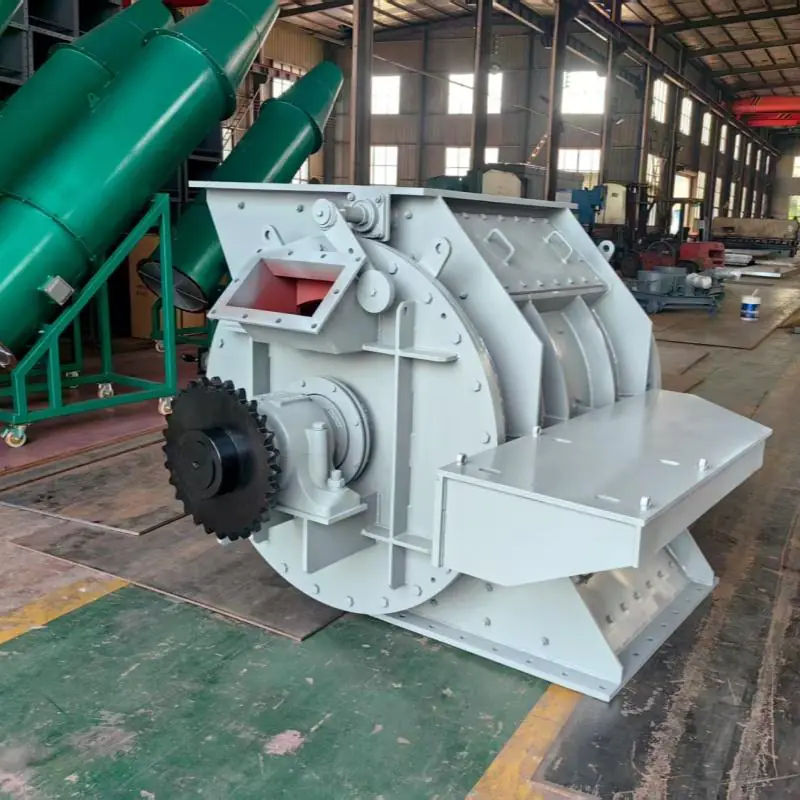
✅ Continuous Material Discharge
The multi-pocket rotor transfers powder or granules from the inlet to the outlet.
✅ Air Leakage Control
Close rotor clearances help limit air leakage between connected equipment. Actual performance depends on operating conditions.
✅ Material Options
Housing and rotor materials can be specified according to material properties and operating conditions.
✅ Flexible Drive Options
Direct or chain drive is available, with variable-frequency speed control where required.
✅ Serviceable Wear Parts
Rotor tips, seals and bearings can be inspected and replaced as applicable to the selected design.
How Does a Rotary Valve Work?
Material enters through the inlet and fills the pockets between the rotor blades. As the rotor turns, each pocket carries material to the outlet for discharge into downstream equipment. Clearances between the rotor and housing help limit air leakage between connected equipment. However, a rotary valve is not a zero-leakage shut-off valve. Actual leakage depends on rotor clearance, pressure differential, rotor design and wear.
Rotor design affects material flow, air leakage and wear. Learn more in our guide to rotary airlock valve principles and rotor design.
Housing Materials
| Housing Material | Typical Application |
|---|---|
| Cast Iron | General dry bulk material handling |
| Carbon Steel | Cement, fly ash, mineral powders and compatible granules |
| Stainless Steel 304 | Applications requiring corrosion resistance or easier cleaning |
| Stainless Steel 316 | More demanding corrosive applications, subject to material compatibility |
Material selection depends on material properties, moisture, abrasiveness, temperature and corrosion conditions. Please confirm material availability for the selected model before ordering.
Typical Technical Specifications
| Item | B200 | B300 | B400 | B500 |
|---|---|---|---|---|
| Nominal Inlet Size | 200 × 200 mm | 300 × 300 mm | 400 × 400 mm | 500 × 500 mm |
| Reference Capacity | 9–15 m³/h | 16–30 m³/h | 32–40 m³/h | 40–60 m³/h |
| Reference Rotor Speed | 10–30 rpm | 10–30 rpm | 10–30 rpm | 10–30 rpm |
| Reference Motor Power | 0.75 kW | 1.5 kW | 2.2 kW | 4 kW |
Available drive options include direct drive and chain drive, depending on the model and application.
These specifications are for preliminary selection only. Actual capacity depends on particle size and shape, bulk density, flowability, rotor speed, pocket-filling efficiency and operating conditions.
Applications and Installation
✅ Below silos containing compatible powders or granules
✅ Below bag filters, cyclones and dust hoppers
✅ Above screw conveyors and other feeding equipment
✅ At the inlet of compatible pressure or vacuum pneumatic conveying systems, subject to operating pressure and pressure differential
A slide gate valve can be installed upstream to isolate the rotary valve from the silo or hopper during maintenance. If hardened lumps may enter the rotary valve, install a lump breaker or suitable screen upstream. A rotary valve is not designed to crush hard lumps.

How to Select a Rotary Valve
Do not select a rotary valve based on the silo outlet size alone. Please provide:
✅ Material type, bulk density and particle size
✅ Flowability, moisture, abrasiveness and temperature
✅ Required capacity
✅ Application type: gravity discharge or pneumatic conveying
✅ Inlet and outlet dimensions, installation position and site drawing
✅ Power supply and control requirements
The valve size, rotor speed, internal clearances, shaft seals, drive power and construction materials will be confirmed according to the actual operating conditions. For pneumatic conveying applications, please specify the operating pressure, pressure differential and acceptable air leakage so that the valve can be checked for suitability before production.
Manufacturing and Inspection

LVRUI manufactures rotary valves according to confirmed specifications and approved drawings, including material requirements, operating pressure and connection dimensions.
Before shipment, checks cover:
✅ Housing and flange dimensions
✅ Rotor, shaft, clearances, seals and bearings
✅ Drive assembly, rotation direction and no-load operation
✅ Surface coating, marking and packaging
LVRUI provides technical drawings, installation instructions and remote technical support. Installation is carried out by the customer or a local contractor.
Rotary Valve FAQs
What is a rotary valve used for?
A rotary valve discharges powder or granules from silos, hoppers and dust collectors into downstream equipment. It can also provide approximate volumetric feeding.
Is a rotary valve the same as a rotary airlock valve?
The terms often refer to the same equipment. “Rotary airlock valve” emphasizes limiting air leakage between connected equipment operating at different pressures. It is not a zero-leakage shut-off valve.
Can a rotary valve handle cement and fly ash?
Yes. Rotary valves are commonly used to discharge cement, fly ash and other compatible powders or granules. Selection depends on particle size, bulk density, abrasiveness and operating conditions.
Can a Rotary Valve Provide Accurate Dosing?
A rotary valve provides approximate volumetric feeding based on rotor speed and pocket filling. High-accuracy dosing generally requires a suitable weighing system and control arrangement.
Can a rotary valve handle abrasive materials?
A rotary valve can handle some abrasive powders or granules, depending on material properties, operating conditions and the materials used for the housing and wear components. Please confirm application suitability before selection.
What Maintenance Does a Rotary Valve Require?
Regular maintenance includes checking rotor clearance, shaft seals, bearings, drive components and signs of wear or material buildup. Inspection frequency depends on material abrasiveness, operating hours and service conditions. Always isolate the equipment from power and follow the site’s lockout/tagout procedures before maintenance.
Request a Customized Rotary Valve
Send us your material type, required capacity, operating pressure, connection dimensions and power supply. Include a technical drawing or installation photo if available. LVRUI will recommend a suitable valve size, material and drive configuration based on your requirements.
✅ Gravity discharge and compatible airlock applications
✅ Housing material options based on application requirements
✅ Direct or chain drive options
✅ Technical drawings and remote technical support