Where Bulk Loading Systems Are Used for Cement, Fly Ash, Mineral Powder and Other Dry Bulk Materials
Introduction
Bulk loader applications are found wherever dry bulk material must be transferred from a silo, hopper or conveying system into a truck, tanker or other receiving point. Typical applications include cement plants, grinding stations, fly ash storage facilities, dry mortar plants, mineral processing facilities and bulk material dispatch terminals.
The required loading arrangement depends on the material characteristics, receiving vehicle, loading capacity, installation height and dust-control requirements. Fine powders such as cement and fly ash normally require effective sealing and dust extraction, while abrasive or granular materials may require heavier-duty loading components.
This guide explains the main bulk loader applications and the equipment considerations that change from one operating condition to another.
Common Bulk Loader Applications
1. Cement Plants and Grinding Stations
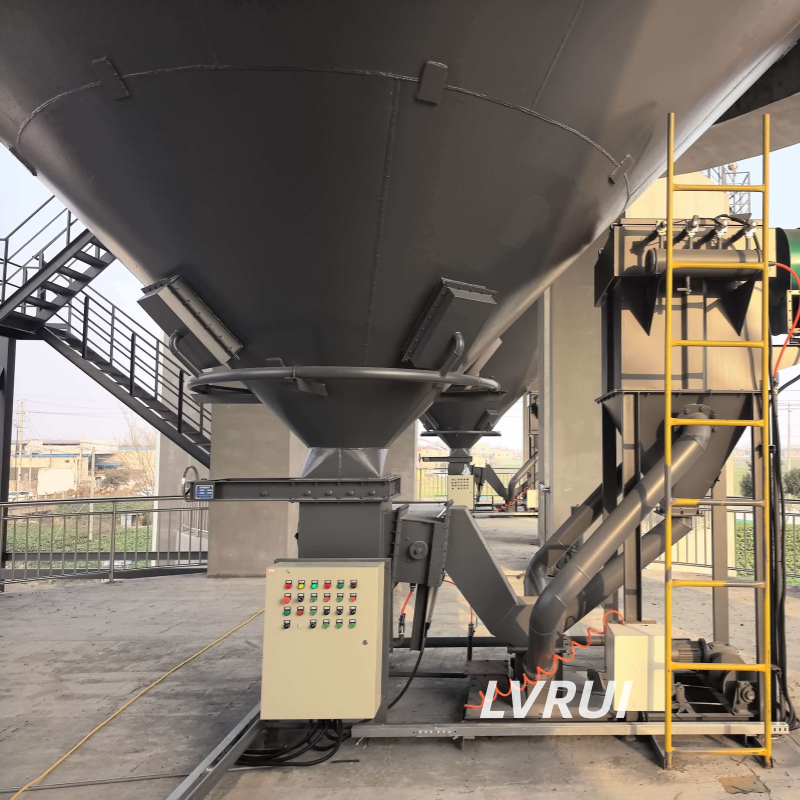
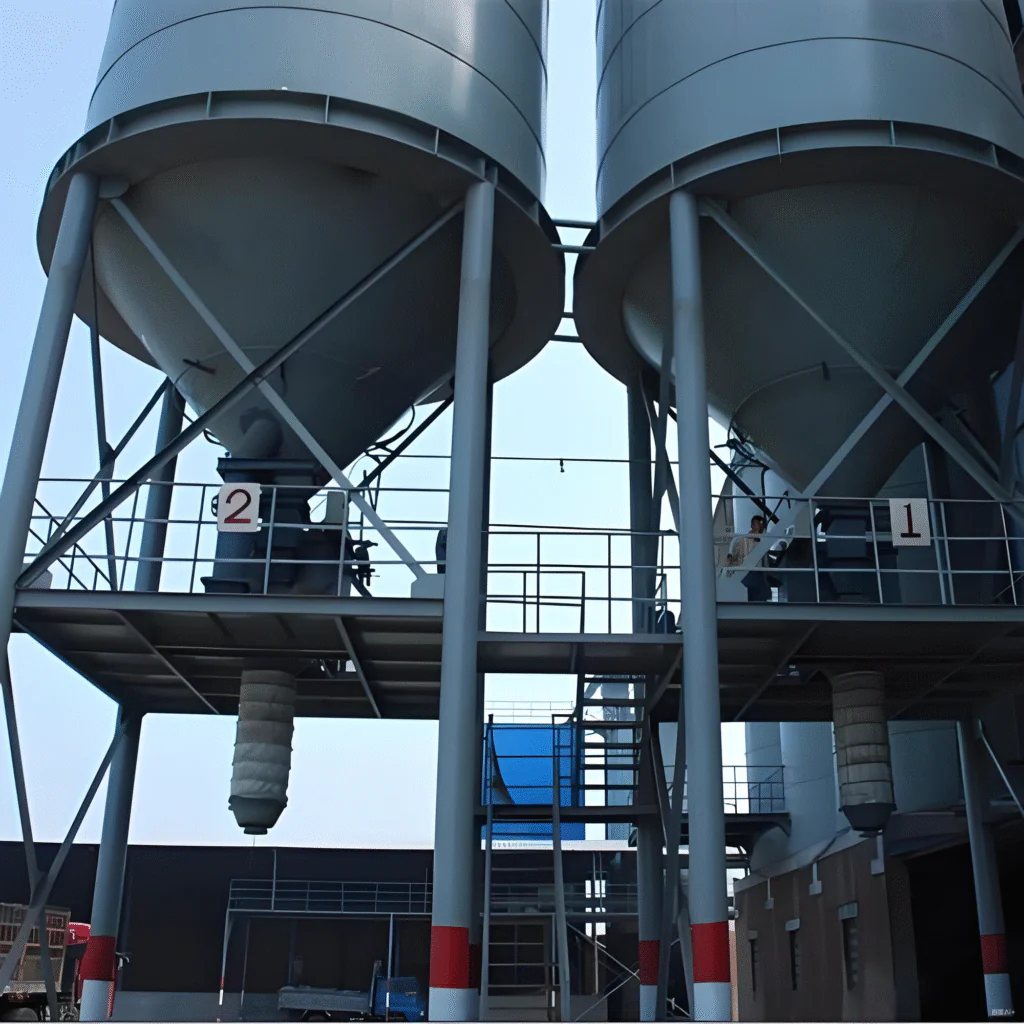
Cement plants and grinding stations are among the most common bulk loader applications. Finished cement is normally stored in silos before being loaded into enclosed bulk tankers for dispatch to concrete plants, terminals or other downstream users.
At the loading point, stable material feeding, suitable tanker inlet sealing, level detection and dust extraction are important because fine cement powder can generate significant airborne dust when material flow and displaced air are not properly controlled.
Typical locations include:
- Cement storage silo bottoms
- Grinding station dispatch areas
- Finished cement storage silos
- Bulk cement tanker loading stations
For dedicated silo-to-tanker cement loading equipment, see our Cement Bulk Loader.
2. Fly Ash Storage and Loading
Fly ash is a very fine powder and can easily become airborne during silo discharge and tanker loading. Bulk loading systems are therefore commonly used below fly ash silos where controlled feeding, contained loading and dust extraction are required.
Typical applications include:
- Fly ash storage silos
- Power plant ash handling facilities
- Cement plants using fly ash as a supplementary material
- Fly ash collection and dispatch terminals
For this application, the main design considerations are material flowability, loading capacity, tanker inlet dimensions, displaced-air handling and the available dust collection system.
3. Dry Mortar and Construction Material Plants
Bulk loaders can be used for loading dry mortar, gypsum powder and other premixed dry construction materials from storage silos into trucks or tankers.
The loading arrangement should be selected according to material flowability, bulk density, dustiness and receiving vehicle. Fine construction powders normally require controlled feeding and effective dust containment, while materials with poor flowability may require additional attention to silo discharge conditions.
Typical applications include dry mortar plants, gypsum processing facilities and premixed construction material production lines.
4. Mineral Powder Processing and Storage
Bulk loading systems are used in mineral processing facilities for loading fine or moderately granular materials such as limestone powder, dolomite, bentonite and other processed mineral products.
The equipment configuration depends strongly on particle size and abrasiveness. Fine mineral powders generally require effective dust containment, while coarse or abrasive material may require reinforced discharge components and wear-resistant contact parts.
Where the material is hot, coarse or highly abrasive, a standard fine-powder bulk loading arrangement may not be suitable and a heavier-duty loading structure should be considered.
5. Fertilizer and Industrial Powder Loading
Bulk loaders can be configured for selected fertilizer powders, granules, pigments and other industrial dry bulk materials where controlled loading and dust containment are required.
Material compatibility should be confirmed before equipment selection. Important factors include particle size, bulk density, moisture, corrosiveness, abrasiveness and material temperature.
For corrosive materials or applications requiring special contact surfaces, suitable construction materials should be selected according to the actual process requirement.
6. Bulk Material Storage and Dispatch Terminals
Bulk loading systems are also used at centralized storage and dispatch terminals where dry bulk materials are transferred from storage silos into trucks or tankers for onward transportation.
These facilities may require multiple loading positions, high loading frequency and coordination between silo discharge, flow control, loading equipment, dust extraction and vehicle positioning.
Typical applications include:
- Cement distribution terminals
- Fly ash storage terminals
- Mineral powder dispatch facilities
- Multi-silo truck loading stations
For ship-loading applications, a dedicated ship loading arrangement is normally required rather than a standard truck bulk loader.
How Bulk Loaders Connect with Upstream Equipment
Bulk loaders are normally installed downstream of a silo, hopper or conveying system. The upstream equipment supplies and regulates the material before it enters the loading point.
Depending on the plant layout, a bulk loading station may connect with:
- Air slide conveyor for gravity-assisted transport of fine powders
- Screw conveyor for controlled mechanical feeding
- Flow control gate for regulating silo discharge
- Dust collection system for handling displaced air and airborne dust
The required interfaces should be confirmed according to the silo outlet, conveying capacity, loading rate, installation height and control logic.
How Application Conditions Affect Bulk Loader Configuration
Different bulk loader applications require different equipment configurations because material properties, receiving vehicles and site conditions vary. Material properties, receiving vehicle and site conditions determine the required loading structure.
| Application Condition | Main Equipment Consideration |
|---|---|
| Fine cement or fly ash | Sealing, controlled feeding and dust extraction |
| Closed tanker loading | Tanker inlet connection and displaced-air handling |
| Open truck loading | Drop height, outlet coverage and dust containment |
| Abrasive material | Wear-resistant contact parts |
| Elevated material temperature | Heat-resistant components and sealing materials |
| Existing silo retrofit | Outlet dimensions, support structure and installation height |
| High loading frequency | Lifting reliability, control interlocks and maintenance access |
A bulk loader should therefore be selected according to the actual application rather than only the required loading capacity. For general guidance on controlling airborne dust during powder transfer and free-fall handling, refer to the UK HSE guidance on local exhaust ventilation.
FAQs About Bulk Loader Applications
Where are bulk loaders commonly used?
Bulk loaders are commonly used below storage silos and conveying systems in cement plants, grinding stations, fly ash facilities, dry mortar plants, mineral processing facilities and bulk material dispatch terminals.
What materials can be handled by a bulk loader?
Typical materials include cement, fly ash, lime powder, slag powder, gypsum, dry mortar, mineral powders and selected granular materials. The actual equipment configuration should be confirmed according to particle size, bulk density, moisture, abrasiveness and temperature.
Are bulk loaders used below cement silos?
Yes. One of the most common applications is loading cement from a storage silo into an enclosed bulk tanker. The loading arrangement normally includes controlled feeding, a suitable tanker interface, level detection and dust extraction.
Can the same bulk loader be used for cement and clinker?
Not always. Cement is a fine powder, while clinker is generally coarser, more abrasive and may be at elevated temperature. Clinker loading can therefore require heavier-duty structures, wear-resistant contact parts and different outlet arrangements.
What is the difference between tanker and open-truck bulk loading?
Closed tanker loading normally uses a loading head that interfaces with the tanker inlet and controls displaced air. Open-truck loading requires greater attention to free-fall distance, outlet coverage and dust containment around the loading area.
Can a bulk loader be retrofitted to an existing silo or loading station?
Yes. A bulk loader can often be integrated with an existing silo or loading station if the outlet dimensions, available installation height, structural support, upstream capacity, dust connection and control interfaces are suitable. Site drawings or installation photos should be reviewed before confirming the retrofit configuration.
Are bulk loaders suitable for high-frequency truck dispatch?
Yes. Bulk loaders can be configured for frequent truck or tanker loading, but lifting reliability, feed control, level detection, dust extraction and maintenance access should be considered according to the required loading cycle and operating hours.
What information is needed for a specific bulk loader application?
The main information includes the material, bulk density, particle size, temperature, required loading capacity, receiving vehicle, silo or conveyor outlet dimensions, installation height, dust-control requirements and available site drawings or photos.
Conclusion
Bulk loader applications vary according to the material, receiving vehicle, loading duty and plant layout. The correct loading arrangement should therefore be selected according to the actual operating conditions rather than using one standard configuration for every application.
For complete equipment configuration, specifications and quotation information, see our Bulk Loading System product page.
Need Help Matching a Bulk Loader to Your Application?
Send LVRUI your material name, bulk density, particle size, moisture, temperature, required loading capacity, receiving vehicle, silo or conveyor outlet dimensions, installation height and available site drawings or photos.
Based on this information, LVRUI can evaluate the loading conditions and determine whether a standard bulk loading arrangement is suitable. If suitable, the loading structure, dust-control requirements, equipment interfaces and preliminary configuration can then be reviewed for selection.
Email: info@lvrui-conveyor.com
WhatsApp: +86-18261998937
WeChat: +86-18261998937