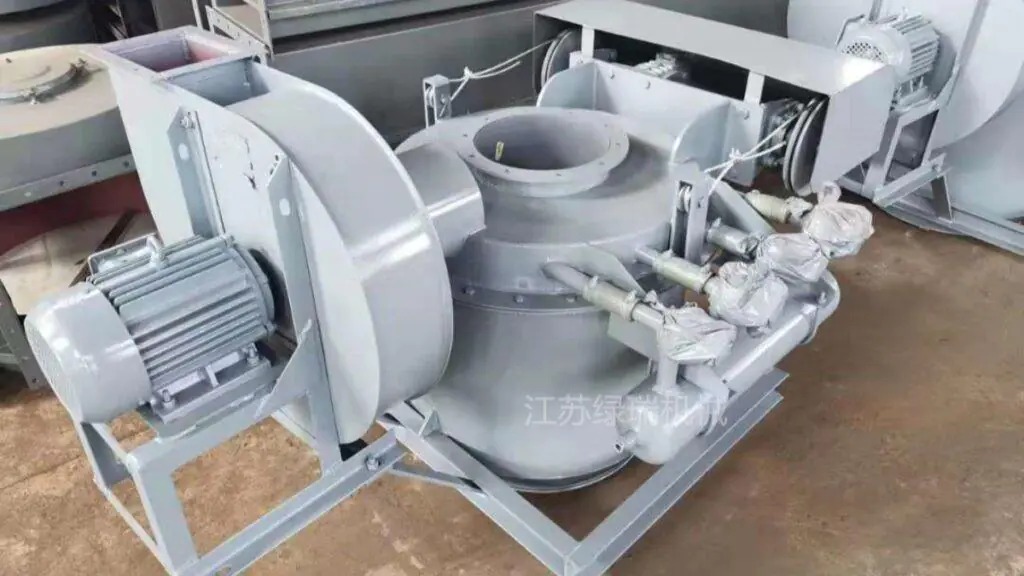
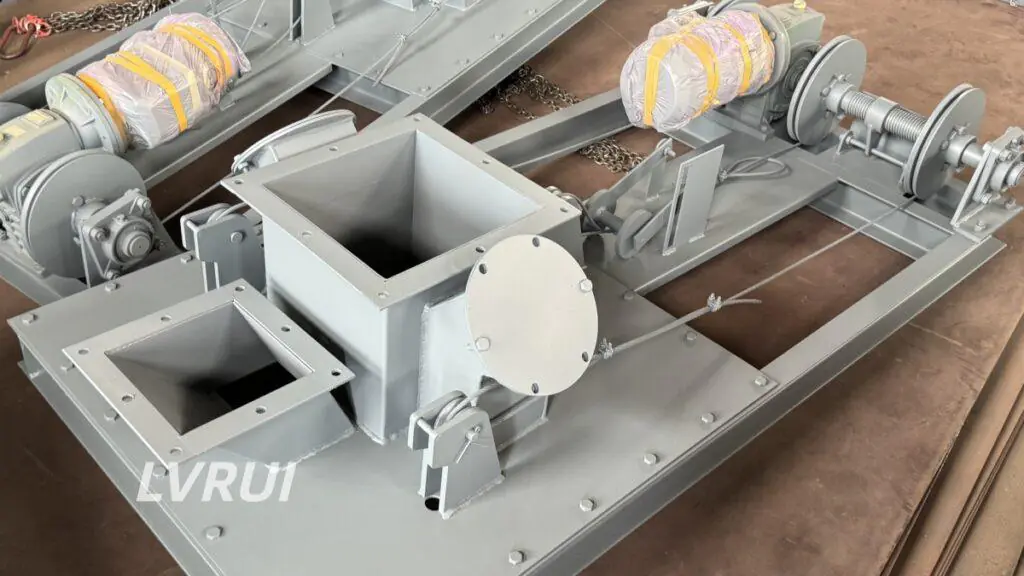
A Complete Guide to Telescopic Loading Chutes for Dust-Free Bulk Material Loading
Panduan Lengkap Tentang Telescopic Loading Chute untuk Pemuatan Material Curah Bebas Debu
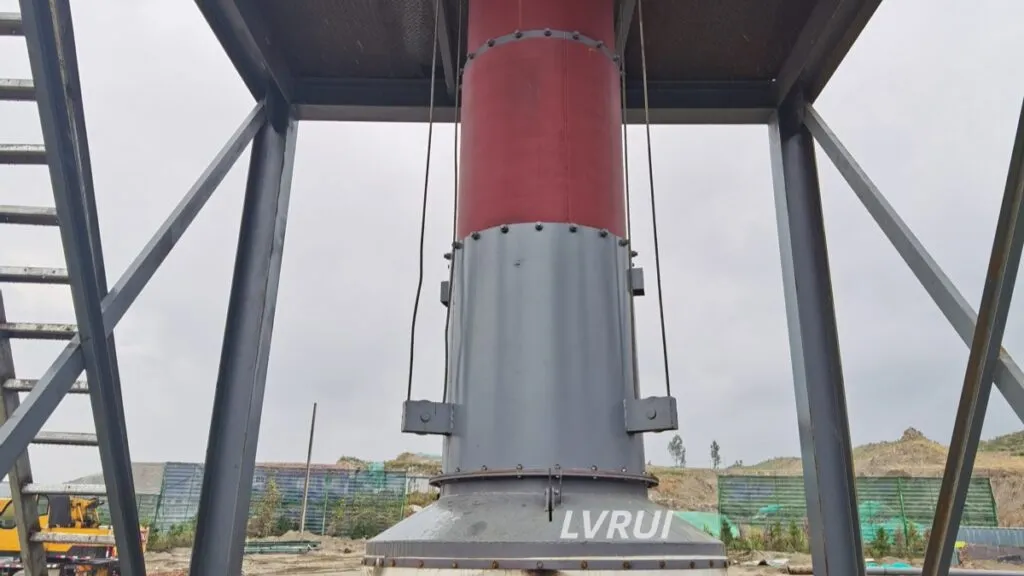
What Is a Telescopic Loading Chute?
A Telescopic Loading Chute is a vertically extendable, dust-free bulk loading system used to transfer cement, fly ash, clinker, grains, or other powders into trucks, railcars, ships, or silos. It ensures clean, efficient loading while minimizing material spillage and dust emissions.
See the Bulk Loading Spout Engineering Guide for complementary bulk handling equipment.
How a Telescopic Loading Chute Works (Working Principle)
1. Material Feeding
Material enters the chute from a silo or conveyor, guided by internal feeding cones.
2. Chute Extension
The telescopic tubes extend automatically using lifting ropes or actuators until reaching the target loading point.
3. Dust Collection System
Integrated dust filters capture airborne particles and recycle them back, ensuring minimal environmental impact.
4. Controlled Material Flow
Internal guide cones regulate flow; additional equipment such as diverter valves may stabilize distribution.
5. Retraction
After loading, the chute retracts automatically for the next batch.
Key Components of a Telescopic Loading Chute
- Upper casing
- Internal feeding cone
- Telescopic tubes
- Dust extraction system
- Lifting winch / actuator
- Position sensors
- Loading spout
- Level detection sensors
Applications of Telescopic Loading Chutes
Telescopic loading chutes are widely used in:
- Cement plants
- Fly ash loading systems
- Grain handling facilities
- Mining and minerals
- Chemical powder handling
- Silo truck loading
- Ship loading stations
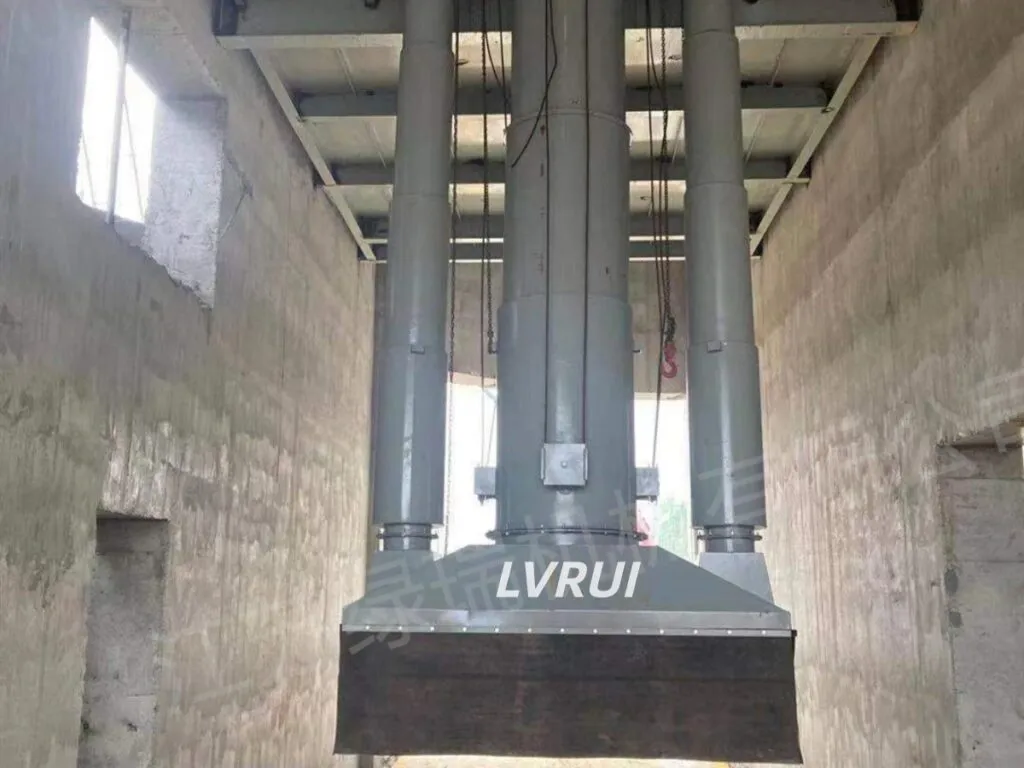
Engineering Design & Best Practices
Controlled Telescopic Movement
Ensures discharge point remains close to material surface, reducing free-fall distance and dust generation.
Integrated Dust-Sealing & Skirt Systems
Flexible skirts or sealing cones contain dust within the loading zone.
Flow Control Integration
Stable material flow depends on upstream devices like flow control gates and diverter valves.
System Integration
Chute must integrate with silo discharge, conveyors, flow control, and dust collection systems to maximize efficiency and reliability.
How to Choose the Right Telescopic Loading Chute
When selecting a chute, consider these factors:
Material type
Powder, granular, abrasive, sticky, ultrafine.
Loading height
Truck, trailer, railcar, or ship.
Dust control requirements
External dust collector or integrated dust filter.
Flow capacity
Match chute size with silo discharge rate.
Automation options
Manual, semi-automatic, or fully automatic with sensors.
For further safety guidelines, refer to OSHA’s dust-control recommendations.
Conclusion
The Telescopic Loading Chute is a critical component for dust-free, efficient, and environmentally safe bulk material loading. Proper design, automation, and material compatibility significantly improve productivity, reduce material loss, and enhance system reliability.
FAQ — Telescopic Loading Chute
What is a telescopic loading chute and how does it work in cement plants?
A telescopic loading chute is a vertically extendable dust-free chute used in cement plants, bulk terminals, and ports to transfer cement, fly ash, or other powdered materials into trucks, railcars, or ships. It works by controlling the chute extension, minimizing free-fall distance, and integrating dust containment systems to ensure clean and efficient bulk material handling.
Why are telescopic chutes preferred for cement loading in Indonesia?
Telescopic chutes are widely used in Indonesian cement plants because their adjustable extension allows controlled material discharge, reducing spillage and airborne dust. This ensures compliance with local environmental standards and enhances operational efficiency in modern bulk handling facilities.
Where should a telescopic loading chute be installed in a cement plant?
Telescopic chutes are typically installed beneath cement silos, air slide conveyors, or bulk loading stations. Proper placement ensures smooth material flow, safe truck or rail loading, and effective dust control. Integration with flow control gates or diverter valves is recommended for optimized operations.
How does a dust-free telescopic chute improve bulk material loading efficiency?
By maintaining controlled discharge close to the material surface, a dust-free telescopic chute reduces material loss, prevents airborne dust, and stabilizes flow into trucks, railcars, or containers. This increases productivity, minimizes cleanup, and ensures safe operations in cement terminals or bulk material handling plants.
What materials can be handled with telescopic loading chutes?
Telescopic chutes can handle a wide range of bulk materials including cement, fly ash, clinker, grains, and minerals. For abrasive or high-temperature materials, customized designs with reinforced tubes and wear-resistant liners may be required.
How is dust containment achieved in modern telescopic loading chutes?
Dust containment is ensured through integrated features such as flexible sealing skirts, dust collection hoods, and controlled chute extension. Combined with upstream flow control devices, these systems maintain a dust-free environment, comply with environmental regulations, and are particularly effective in Indonesian cement plants and bulk terminals.
CAT
Need a custom solution?
Contact LVRUI for factory-direct supply and expert engineering support.
📩 info@lvrui-conveyor.com
🌐 https://lvrui-conveyor.com
Indonesian Short Version | Versi Singkat Bahasa Indonesia
Telescopic Loading Chute bebas debu digunakan untuk memuat semen, fly ash, biji-bijian, dan material curah lainnya secara bersih. Desain teleskopik mengurangi jarak jatuh bebas, meningkatkan pengendalian debu, dan meminimalkan kerugian material. Sistem ini cocok untuk pabrik semen modern di Indonesia dan terminal curah lainnya.