How to Choose Between Deagglomeration and Stronger Particle-Size Reduction
Lump Breaker vs Crusher: What Is the Main Difference?
The main difference is the process objective.
A lump breaker is normally used to reduce agglomerates or compacted lumps into pieces that can pass through downstream handling equipment more reliably.
A crusher is generally selected when the process requires stronger or more controlled size reduction of larger or harder solids.
In simple terms:
Lump Breaker → Deagglomeration and coarse lump reduction
Crusher → More intensive particle-size reduction
The two machines may overlap in some applications, but they should not be treated as interchangeable equipment.
The correct choice depends on the material, maximum lump size, hardness, required output condition and downstream process.
What Is a Lump Breaker?
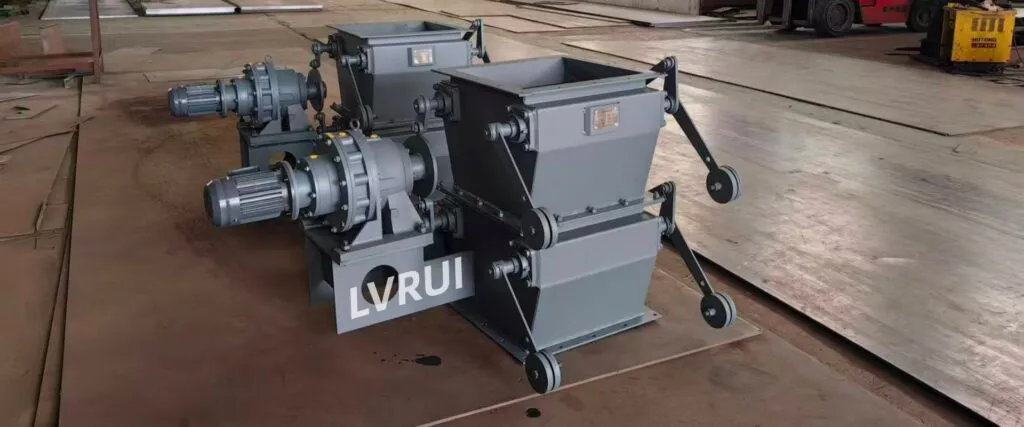
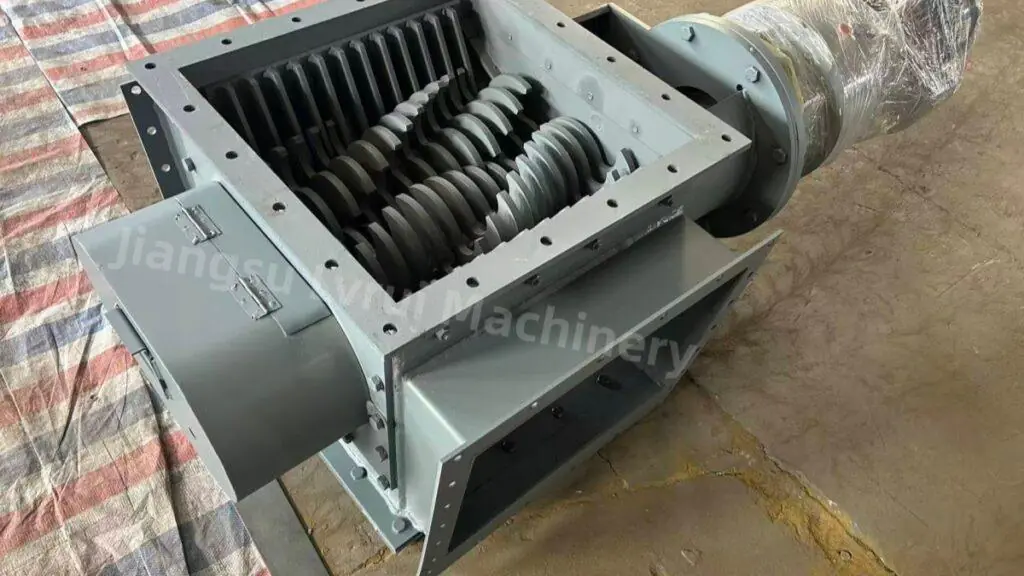
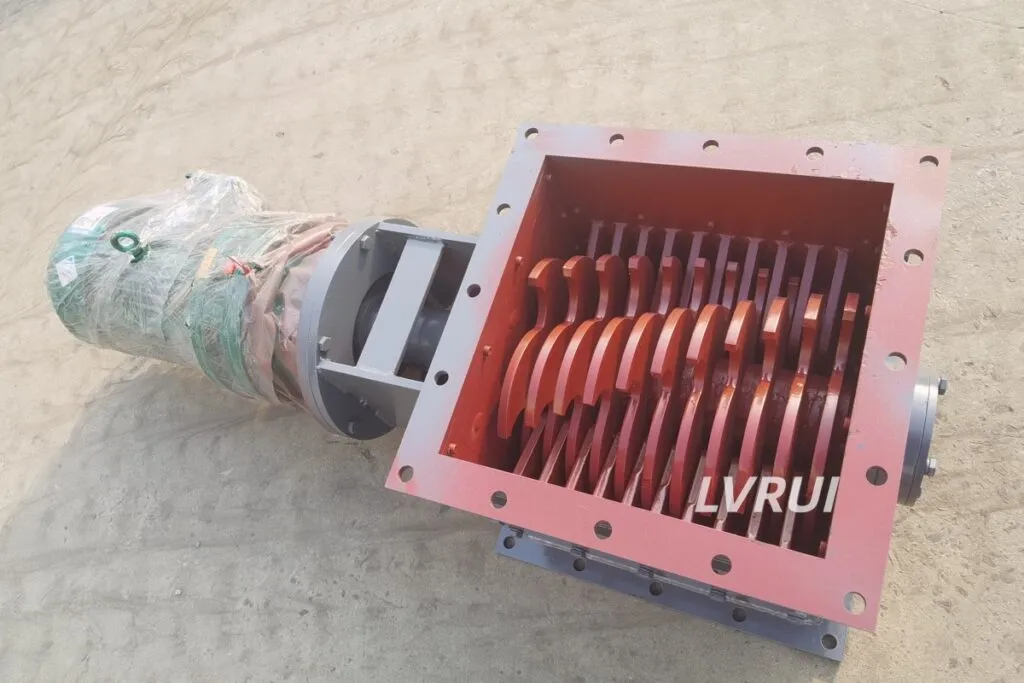
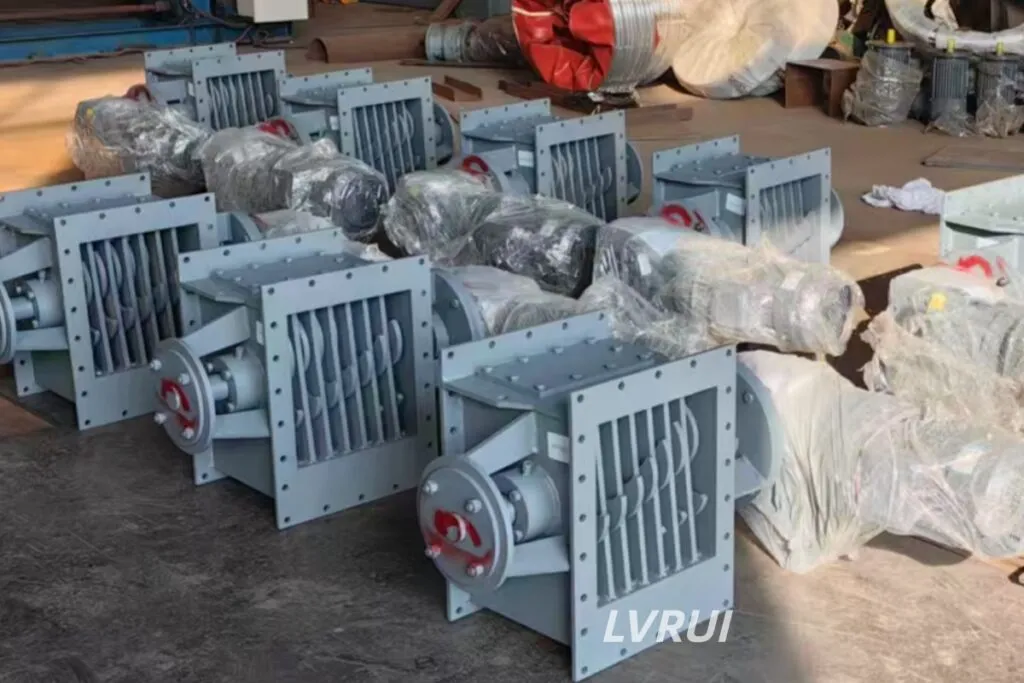
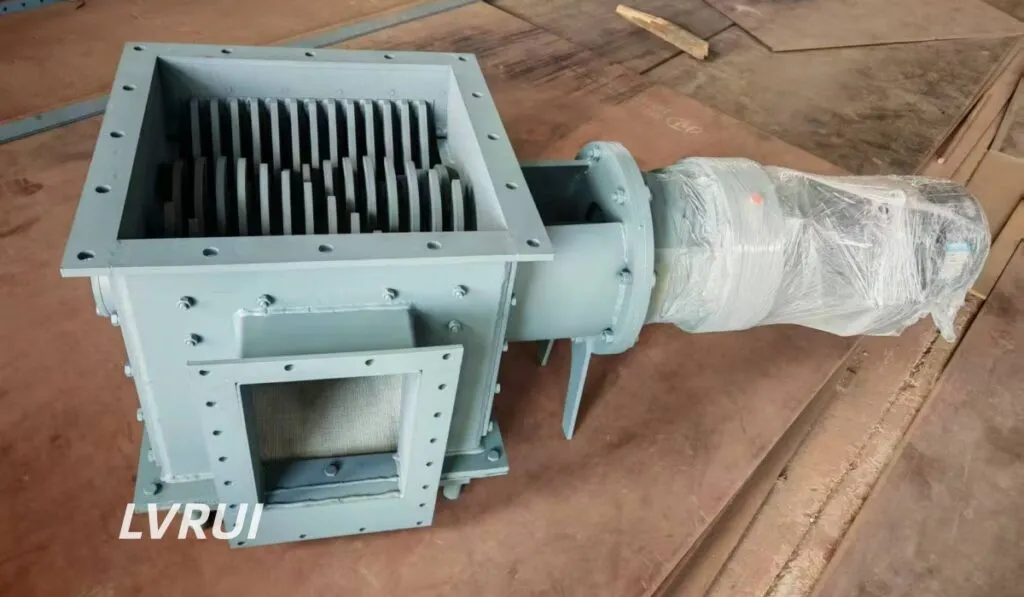
A lump breaker is a low-speed machine used to reduce agglomerated or compacted bulk material before it enters downstream conveying, feeding, valve or loading equipment.
Depending on the required duty, lump breakers may use:
- A single-shaft rotor
- A twin-shaft rotor
- Different blade, tooth or grate arrangements
The primary purpose is usually deagglomeration or coarse lump reduction, not fine grinding.
Typical applications involve material that has formed lumps during storage, handling or compaction but does not require a dedicated high-intensity crushing stage.
A properly selected lump breaker should reduce oversized agglomerates only as much as the downstream process requires.
What Is a Crusher?
A crusher is a size-reduction machine used when the process requires stronger reduction of larger, harder, or more strongly consolidated feed material.
Depending on the crusher type, size reduction may involve:
- Compression
- Impact
- Shear
- A combination of breaking forces
In mechanical size reduction, solid materials may be broken through compression, impact, shear or related fracture mechanisms, depending on the equipment and process duty.
Crushers are commonly used where the process requires a greater reduction ratio or more controlled particle-size reduction than a typical lump breaker provides.
The exact duty depends on the crusher design. Jaw crushers, hammer crushers, roll crushers and other machines should not be treated as one identical category.
For a silo or dry-powder handling system, a conventional crusher may be unnecessary if the only requirement is to break occasional friable agglomerates before downstream equipment.
Lump Breaker vs Crusher: Key Differences
| Factor | Lump Breaker | Crusher |
|---|---|---|
| Main purpose | Deagglomeration and coarse lump reduction | Stronger particle-size reduction |
| Typical feed | Friable or compacted agglomerates | Larger, harder or more solid material |
| Required output | Manageable lumps for downstream handling | Smaller or more controlled product size |
| Reduction intensity | Usually moderate | Usually higher, depending on crusher type |
| Rotor/design | Single or twin shaft configurations are common | Depends on crusher type |
| Typical installation | Inline before conveyors, valves or feeders | Dedicated crushing or processing stage |
| Best fit | Restore manageable material flow | More intensive crushing duty |
| Fine grinding | Not normally intended | Some crusher/mill systems can provide finer reduction |
The choice should be based on the required process result rather than the machine name alone.
A lump breaker is usually appropriate when the objective is to break unwanted agglomerates without unnecessary fine reduction.
A crusher becomes more appropriate when the feed is harder, larger or requires substantially stronger size reduction.
When Should You Use a Lump Breaker?
A lump breaker is usually the better starting point when:
✓ The material is mainly powder or granules with unwanted agglomerates
✓ Lumps are friable or moderately compacted
✓ The objective is to restore manageable material flow
✓ Fine grinding is not required
✓ The machine must fit inline below a silo, hopper or transfer point
✓ Downstream conveyors, valves or feeders need protection from oversized lumps
Typical examples include cement, fly ash, lime, fertilizer, mineral powders and other compatible dry bulk materials. For a broader review of process locations and materials, see our Industrial Lump Breaker Applications guide.
The important limitation is that a lump breaker only acts on material that reaches the breaking chamber. It does not automatically correct severe bridging, dead zones or poor silo geometry upstream.
When Should You Use a Crusher?
A crusher should be considered when:
✓ Feed material is larger or harder
✓ Stronger particle-size reduction is required
✓ The process requires a larger reduction ratio
✓ Agglomerate breaking alone is not sufficient
✓ The material must be prepared for another processing stage
✓ Output size must be controlled more tightly than a basic lump breaker can provide
A conventional crusher may be unnecessarily complex when the process only needs occasional coarse deagglomeration.
Conversely, selecting a small lump breaker for genuinely hard or demanding crushing duty can result in poor performance or excessive mechanical loading.
Lump Breaker vs Crusher for Cement and Dry Powder Handling
In cement and dry powder handling, unwanted lumps may form during storage because of moisture, compaction, condensation or other material-storage conditions. For a detailed root-cause analysis, see why cement forms lumps in silos.
If the bulk material is primarily powder but contains occasional agglomerates, a lump breaker is often a practical inline solution.
For example, it may be installed before:
- Screw conveyors
- Air slide conveyors
- Rotary valves
- Feeders
- Packing or loading equipment
If the process instead handles harder solid material or requires intentional particle-size reduction, a crusher may be more appropriate.
The equipment should therefore be selected according to the material condition before breaking and the required condition after breaking.
Where Does a Silo Vibrator Fit?
A silo vibrator serves a different purpose from both a lump breaker and a crusher.
It applies mechanical vibration to the silo or hopper wall to assist material movement.
A vibrator may help with:
- Minor wall adhesion
- Local compaction
- Certain flow-resistance problems
However, it does not provide controlled lump size reduction.
The basic distinction is:
Vibrator → Flow aid
Lump Breaker → Deagglomeration
Crusher → Stronger size reduction
For this reason, a vibrator should not be treated as a direct substitute for either a lump breaker or a crusher when oversized solid lumps must actually be reduced.
Which Equipment Fits the Actual Problem?
Do not select the equipment from the silo type alone.
Use the actual process problem:
If powder contains unwanted friable agglomerates:
A lump breaker may be appropriate.
If larger or harder solids require stronger reduction:
Evaluate a suitable crusher.
If the main problem is powder movement along the silo wall:
A vibrator or another flow-aid method may be more relevant.
If severe bridging occurs high inside the silo:
The root cause should be evaluated before assuming that any outlet-mounted breaker will solve the problem.
The correct equipment is the one that addresses the actual material condition and required process result. If a lump breaker has been identified as the appropriate equipment type, use our Lump Breaker Selection Guide to evaluate material condition, lump size, capacity, shaft type and downstream requirements.
Common Lump Breaker vs Crusher Selection Mistakes
Choosing a Crusher Only Because the Lumps Look Large
Lump size alone is not enough. Hardness, compaction and required output condition also matter.
Using a Lump Breaker for Fine Grinding
Lump breakers are normally intended for deagglomeration, not precise fine particle-size production.
Assuming Every Silo Blockage Requires a Lump Breaker
Outlet-mounted breaking equipment cannot solve every upstream flow problem.
Comparing Equipment Only by Motor Power
Installed power does not define the process function or actual breaking capability.
Conclusion
The main difference between a lump breaker and a crusher is the required process duty.
A lump breaker is generally selected when the material is already suitable for downstream processing except for unwanted agglomerates that need coarse reduction.
A crusher is more appropriate when the process requires stronger particle-size reduction of larger, harder, or more strongly consolidated feed.
For cement and dry bulk handling systems, the selection should be based on:
Material Condition → Maximum Lump Size → Required Output → Process Duty
The objective is not to choose the more powerful machine. It is to choose the simplest equipment that reliably produces the material condition required by the downstream process.
FAQs About Lump Breaker vs Crusher
What is the main difference between a lump breaker and a crusher?
A lump breaker is generally used for deagglomeration and coarse lump reduction, while a crusher is selected when stronger or more controlled particle-size reduction is required.
Can a lump breaker replace a crusher?
Only in applications where coarse deagglomeration is sufficient. It should not replace a crusher when the material requires intensive crushing or a larger reduction ratio.
Can a crusher be used instead of a lump breaker?
It can in some processes, but it may be unnecessarily complex when the only requirement is to break occasional friable agglomerates before downstream handling equipment.
Is a lump breaker always a twin-shaft machine?
No. Lump breakers may use single-shaft or twin-shaft designs depending on the material, lump severity and required duty.
Can a silo vibrator break hardened lumps?
A vibrator assists material movement by applying vibration to the silo or hopper wall. It does not provide controlled mechanical lump reduction.
Which information is needed to choose between a lump breaker and crusher?
Provide the material, maximum lump size, lump hardness, moisture condition, required capacity, required output condition and downstream process.
Need Help Choosing Between a Lump Breaker and Crusher?
Send us the material, maximum lump size, lump hardness, required capacity, required output condition, and downstream equipment.
LVRUI can review whether the application is suitable for coarse deagglomeration with a lump breaker or whether a dedicated crushing stage should be considered.
WhatsApp: +86 18261998937
WeChat: +86 18261998937
Email: info@lvrui-conveyor.com