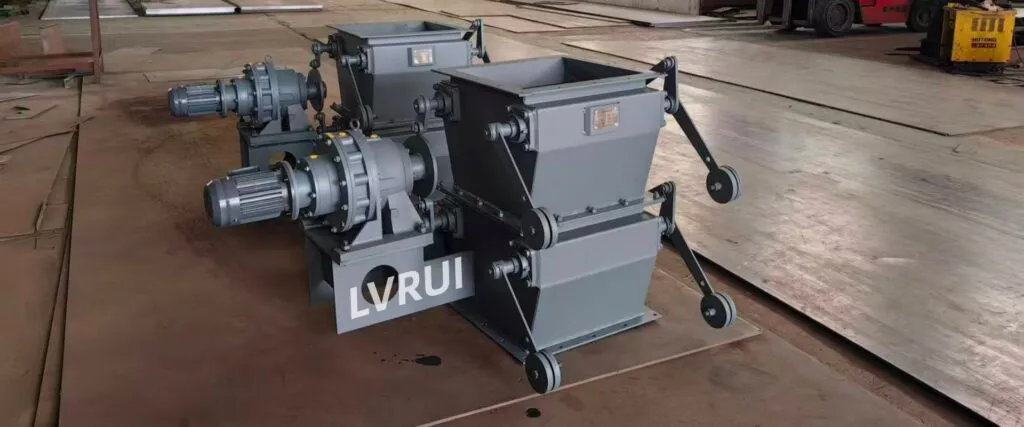
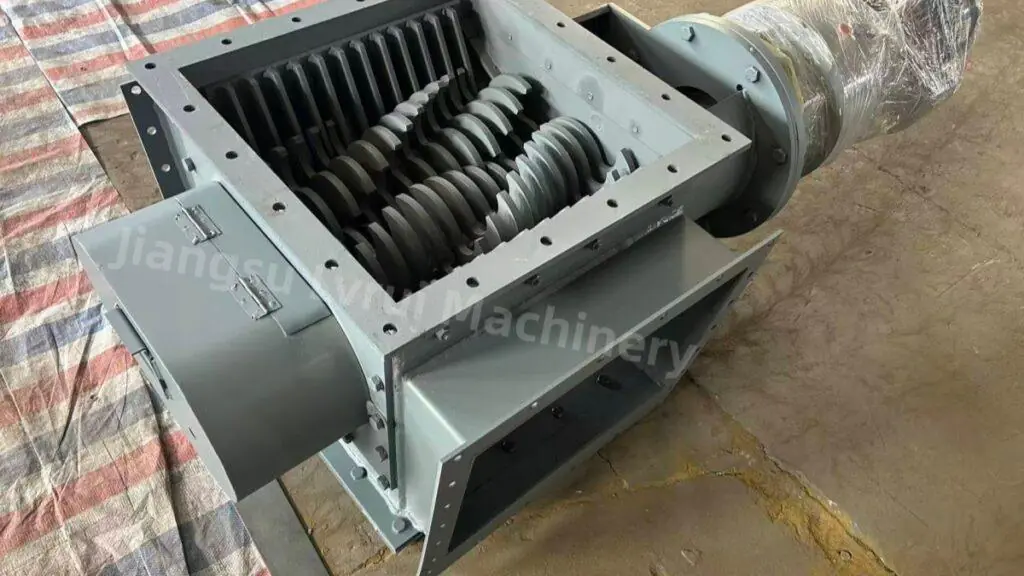
Where Lump Breakers Are Used to Protect Conveyors, Feeders and Packaging Equipment
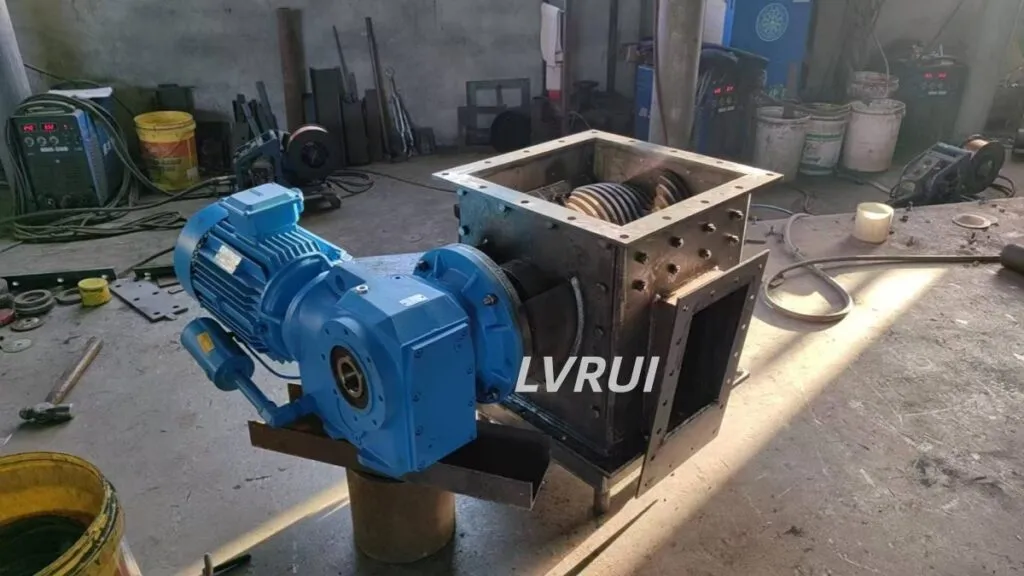
Why Industrial Lump Breaker Applications Matter
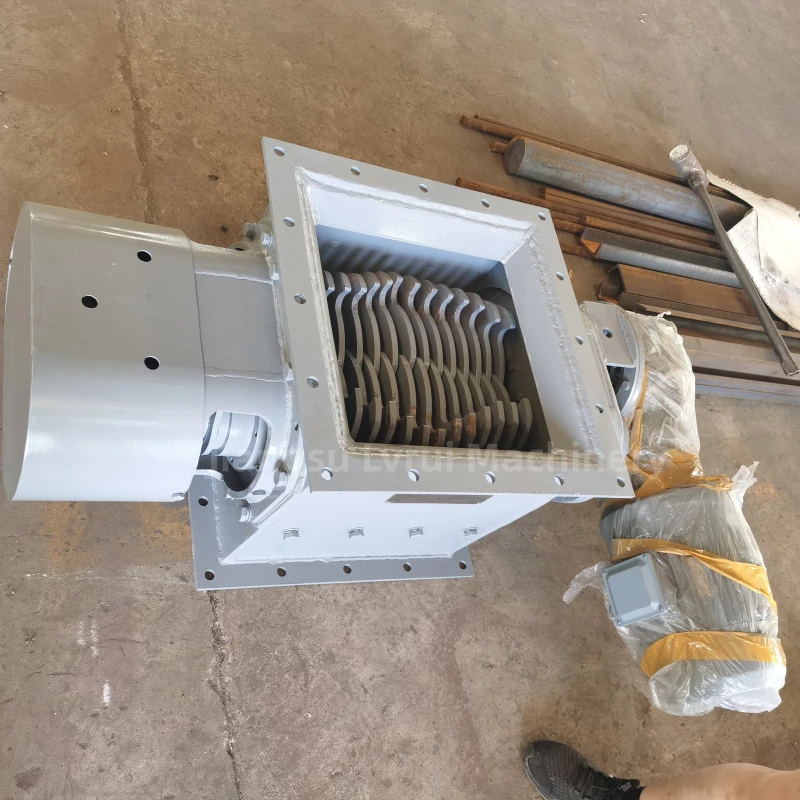
Industrial lump breakers are used where agglomerated dry bulk material may interfere with downstream conveying, feeding, processing or packaging equipment.
Typical installation points include:
- Below silos and hoppers
- Before screw conveyors
- Before rotary valves and feeders
- Before mixers or blenders
- Before packaging equipment
- After big bag discharge stations
- Before bulk loading systems
The purpose is not fine grinding. A lump breaker reduces friable or semi-hard agglomerates to a more manageable size before they reach equipment that is less tolerant of oversized material.
The key question is therefore not simply whether the material forms lumps, but where those lumps create a process risk.
Dry Bulk Materials Commonly Handled by Lump Breakers
Industrial lump breakers are commonly applied to dry bulk materials that form breakable agglomerates during storage, transportation or handling. Powder caking and agglomeration can be influenced by moisture, storage time, consolidating pressure and temperature conditions.
Cementitious Materials
- Cement
- Fly ash
- Raw meal
- Lime
- Gypsum
Mineral and Chemical Powders
- Limestone powder
- Mineral powders
- Salts
- Chemical powders
- Dry additives
Fertilizer and Granular Materials
- Fertilizer granules
- Dry fertilizer blends
- Mineral fertilizer products
Food and Process Powders
Where hygiene and material requirements permit:
- Sugar
- Starch
- Feed ingredients
- Other dry process powders
A lump breaker is most suitable where agglomerates can be reduced by controlled mechanical breaking rather than fine grinding.
Application 1: Below Silos and Hoppers
One of the most common industrial lump breaker applications is below a silo or hopper outlet.
During storage, dry bulk materials may form agglomerates that can interfere with downstream valves, feeders or conveyors. Installing a lump breaker below the outlet allows oversized lumps to be reduced before they enter the next process stage.
This application is useful when:
- Lumps repeatedly reach the silo or hopper outlet
- Downstream equipment has limited tolerance for oversized material
- More consistent feed size is required before conveying or flow control
A lump breaker does not solve bridging or rat-holing inside the silo. If material cannot reach the outlet, the root cause may be related to silo geometry, aeration, moisture or material condition.
For new or retrofit installations below a silo or hopper, mounting position, flange alignment and maintenance access should be checked separately in our Lump Breaker Installation Guide.
Application 2: Before Conveyors, Rotary Valves and Feeders
Screw conveyors, rotary valves and metering feeders are designed to transport or control bulk material rather than break large agglomerates.
Oversized lumps may cause:
- Restricted conveyor inlets
- Increased screw torque
- Rotor interference
- Unstable feeding
- Higher mechanical load
Installing a lump breaker upstream reduces oversized material before it enters these components.
The lump breaker conditions the material size, while the downstream conveyor, valve or feeder performs the transport or flow-control function.
Capacity should be matched to the actual process flow so that the lump breaker does not become a restriction.
Application 3: Before Mixers and Blenders
Large agglomerates entering a mixer or blender may reduce feed consistency and remain insufficiently dispersed during processing.
A lump breaker can be installed upstream to:
- Break storage-induced agglomerates
- Improve feed consistency
- Reduce oversized pieces before blending
This application is suitable when coarse deagglomeration is required. If a defined fine particle size is necessary, a mill or grinding system is more appropriate.
Application 4: Packaging and Big Bag Handling
Dry powders may form compacted lumps during storage, transportation or FIBC handling.
These agglomerates can interfere with:
- Feeding screws
- Weighing systems
- Filling spouts
- Small transition openings
- Downstream conveyors or feeders
A lump breaker may therefore be installed before a bagging system or after a big bag discharge station to reduce oversized material before further handling.
The objective is to maintain a manageable feed size rather than produce a finely ground product.
Application 5: Before Bulk Loading Systems
Large agglomerates entering a bulk loading line can interfere with discharge valves, chutes or telescopic loading equipment.
A lump breaker may be installed upstream where storage-related lumps repeatedly enter the loading process.
Typical materials include:
- Cement
- Fly ash
- Fertilizer
- Mineral powders
- Other dry bulk materials
The lump breaker should intercept oversized material without restricting normal flow through the loading system.
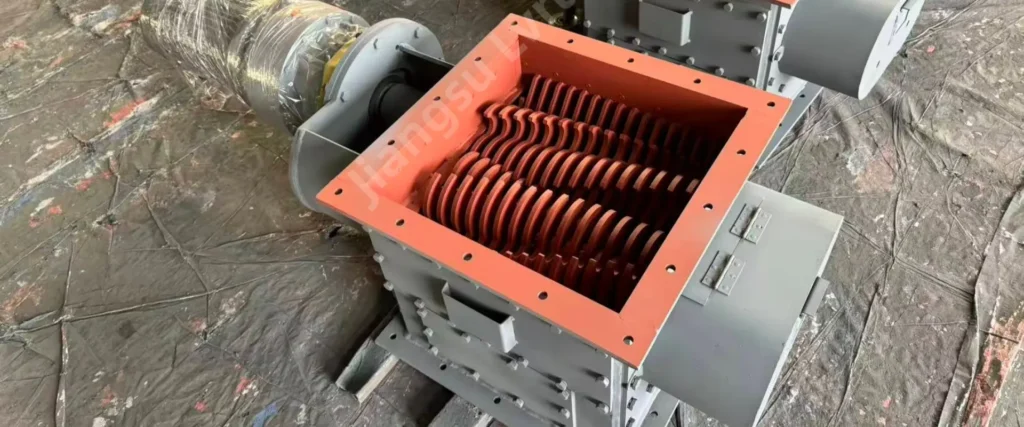
How Application Requirements Affect Equipment Selection
Different applications may require different inlet sizes, capacities, rotor arrangements and materials of construction.
The most important factors are the material, maximum lump size, lump hardness, throughput and downstream equipment.
For detailed sizing and configuration criteria, see our Lump Breaker Selection Guide.
When Should a Lump Breaker Not Be Used?
A lump breaker is not suitable for every material-handling problem.
Consider another solution when:
- The material is wet or paste-like: sticky material may smear or accumulate rather than break cleanly.
- Fine grinding is required: a lump breaker is intended for deagglomeration and coarse size reduction, not precision grinding. See our lump breaker vs crusher guide if the required size-reduction method is unclear.
- The obstruction is a foreign object: metal pieces, tools or stones require appropriate separation or protection equipment.
- The root cause is inside the silo: bridging, rat-holing or material that cannot reach the outlet may require changes to silo flow, aeration or material condition.
A lump breaker reduces agglomerates that reach its inlet; it cannot correct every upstream material-flow problem.
Conclusion
Industrial lump breakers are most useful at process points where dry bulk agglomerates may interfere with downstream conveying, feeding, processing or packaging equipment.
The correct application depends on the material, lump characteristics and equipment that requires protection. A lump breaker should therefore be used as a targeted deagglomeration device rather than as a universal solution for silo or conveyor problems.
FAQs About Industrial Lump Breaker Applications
Can a lump breaker be installed before a screw conveyor?
Yes. It can reduce oversized agglomerates before they enter the conveyor, helping reduce inlet blockage and excessive mechanical load.
Can a lump breaker be installed before a rotary valve or feeder?
Yes. It can reduce oversized material before controlled feeding equipment and provide a more consistent incoming material size.
Which dry bulk materials are suitable for lump breaking?
Typical materials include cement, fly ash, lime, gypsum, mineral powders, fertilizer, sugar and other dry materials that form breakable agglomerates..
When is a lump breaker not suitable?
It is generally unsuitable for wet paste-like materials, fine grinding requirements, foreign-object blockage or silo-flow problems where material does not reach the lump breaker inlet.
Need Help Evaluating a Lump Breaker Application?
Send us the material, maximum lump size, required capacity, installation position, inlet and outlet dimensions, and any available drawings or site photos.
LVRUI can review the application and recommend a suitable lump breaker configuration.
WhatsApp: +86-18261998937
WeChat: +86-18261998937
Email: info@lvrui-conveyor.com