(EN)A Practical Selection Guide Based on Material Properties, Capacity, and Process Conditions
(ID)Panduan Praktis Memilih Lump Breaker Berdasarkan Jenis Material, Kapasitas, dan Kondisi Proses
1. Why Proper Lump Breaker Selection Matters
In cement plants, chemical processing lines, mining operations, and powder handling systems, material agglomeration is unavoidable. Moisture, pressure, storage time, and chemical reactions often cause powders or granules to form lumps.
- ❌ Incomplete lump reduction
- ❌ Excessive blade wear
- ❌ Flow restrictions downstream
- ❌ Motor overload or frequent shutdowns
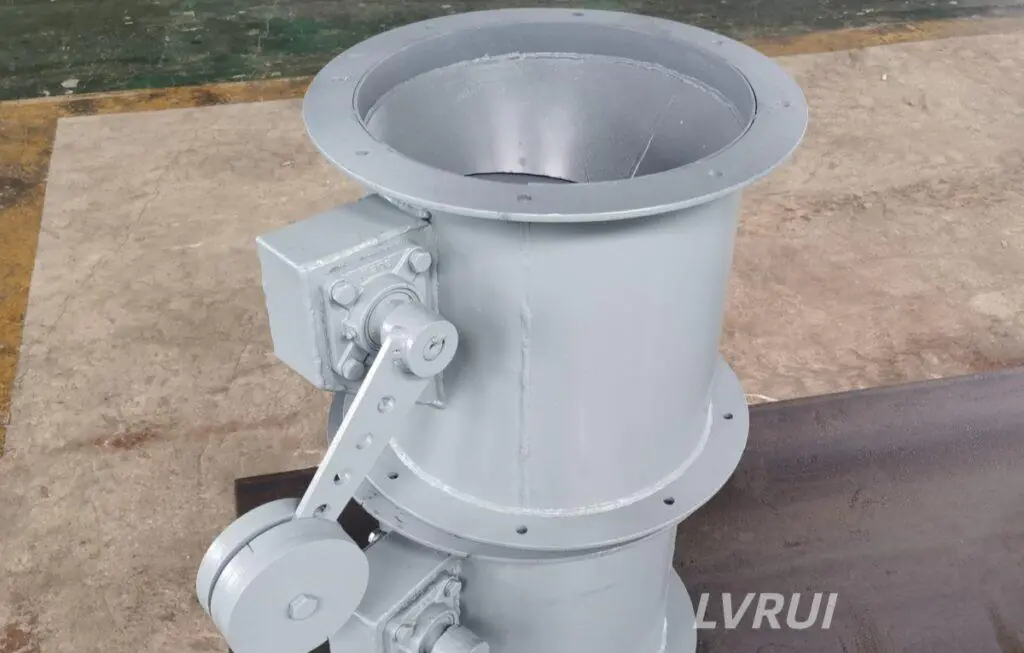
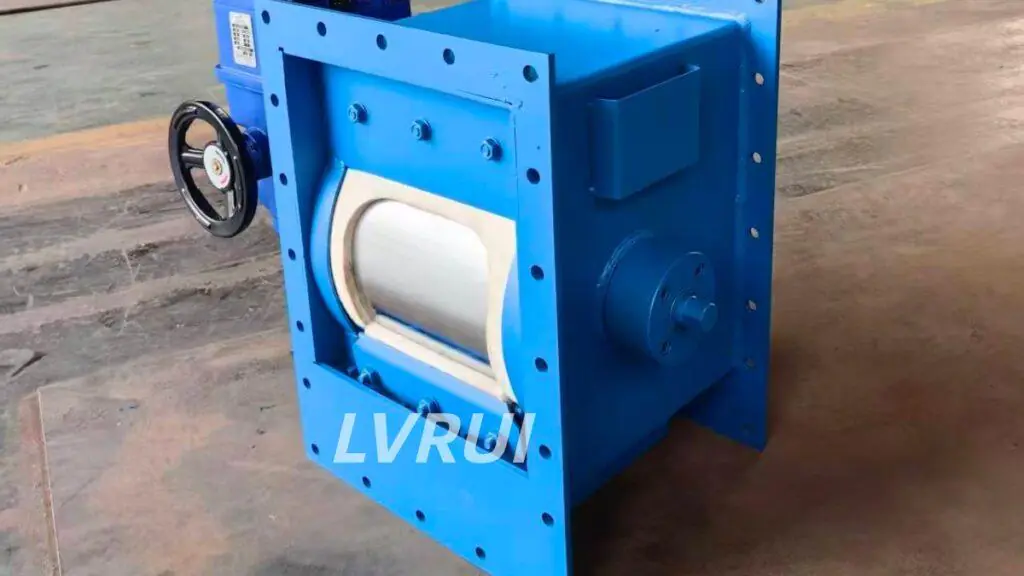
In modern cement plants, a lump breaker for cement silos plays a critical role in preventing material blockage and ensuring stable discharge flow.
Selecting the right lump breaker ensures smooth conveying, equipment protection, and stable production output.
2. Key Factors to Consider When Selecting a Lump Breaker
Lump Breaker Selection Based on Material Characteristics
2.1 Material Properties (Critical)
Different bulk materials behave very differently during crushing.
| Material Type | Selection Consideration |
|---|---|
| Cement clinker fines | Moderate hardness, abrasive |
| Gypsum / limestone | Brittle, easy to break |
| Chemical powders | Sticky, moisture-sensitive |
| Fertilizers | Hygroscopic, corrosive |
| Fly ash | Fine, cohesive |
👉 Design Tip: For abrasive materials, choose hardened alloy cutters and reinforced shafts.
Proper lump breaker selection helps prevent blockages, reduce equipment wear, and ensure consistent material flow throughout the system.
2.2 Lump Size vs Required Output Size
- Maximum incoming lump size
- Required downstream particle size
- Tolerance for fines generation
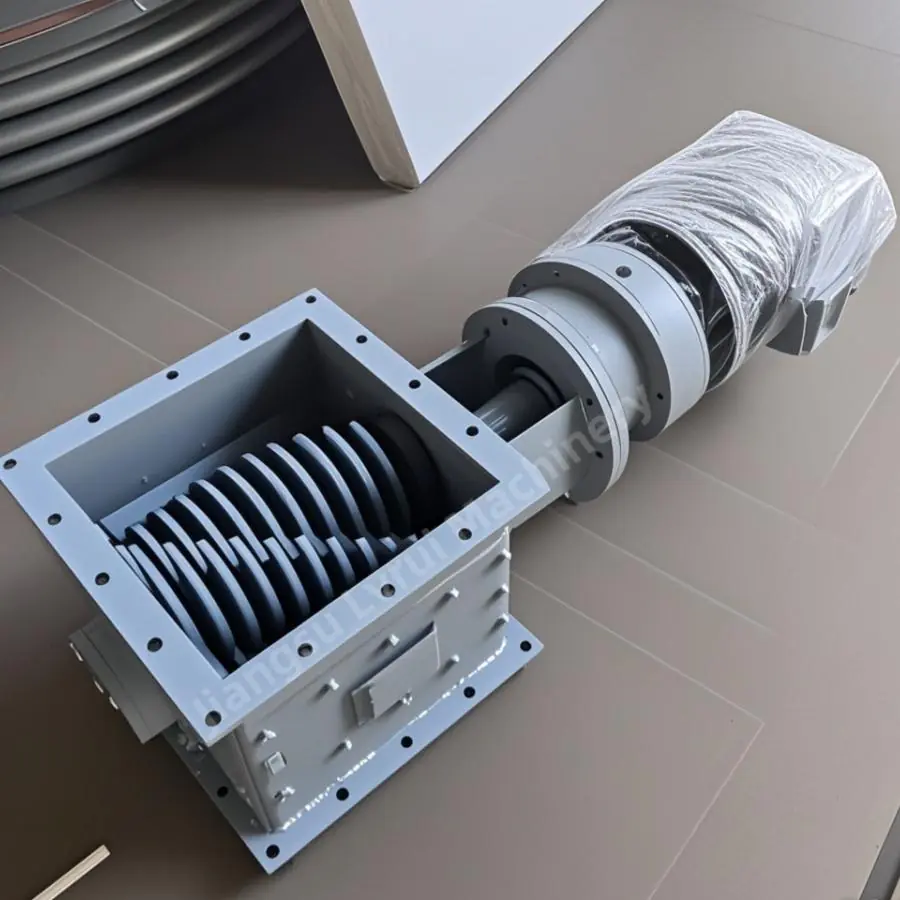
Lump breakers are de-agglomerators, not crushers. They are designed to gently reduce lumps without excessive fines, unlike hammer mills or crushers.
2.3 Required Capacity (Throughput)
Capacity should match or exceed upstream equipment:
- Low capacity → material backup
- Oversized capacity → unnecessary cost
Typical lump breaker capacities range from 5 t/h to over 300 t/h, depending on configuration.
3. Installation Position in the System
Where the lump breaker is installed directly impacts its design.
Common installation points:
- Below silos or bins
- Under bag dump stations
- Before air slide conveyors
- Ahead of screw conveyors or rotary valves
👉 Learn how lump breakers protect downstream equipment in cement systems
4. Single-Shaft vs Twin-Shaft Lump Breakers
| Type | Best For |
|---|---|
| Single-shaft | Light to medium-duty applications |
| Twin-shaft | Heavy-duty, large lumps, high capacity |
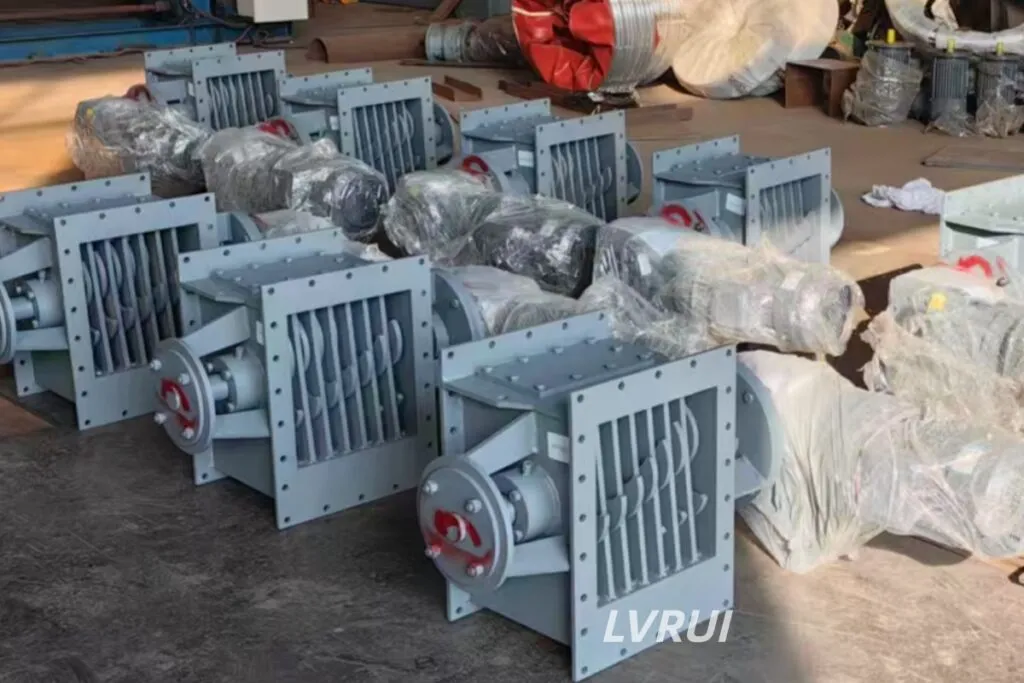
Twin-shaft designs provide:
- Higher torque
- Better self-cleaning
- More uniform de-agglomeration
5. Drive & Safety Considerations
Key features to look for:
- Gear reducer with overload protection
- Reversible rotation (optional)
- Inspection access doors
- Replaceable cutter segments
These features extend service life and reduce maintenance downtime.
6. Standards & Industry References
For system design and safety guidelines, refer to:
- CEMA – Conveyor Equipment Manufacturers Association
- OSHA Bulk Material Handling Safety
Wikipedia – Bulk Material Handling
7. Typical Applications of Lump Breakers
Lump breakers are widely used in:
- Cement plants
- Chemical processing
- Fertilizer production
- Mining and mineral handling
- Food & additive industries
When correctly selected, they significantly improve system stability and operational efficiency.
❓ FAQS – Lump Breaker Selection
Q1: Can a lump breaker replace a crusher?
No. Lump breakers are designed for de-agglomeration, not size reduction of solid rocks.
Q2: Do lump breakers generate fines?
Minimal fines are generated when properly sized and configured.
Q3: How do I choose motor power?
Motor power depends on material hardness, lump size, and throughput—oversizing is not recommended.
Q: Why is lump breaker selection important for bulk material systems?
A: Lump breaker selection directly affects system reliability, downstream equipment protection, and overall material handling efficiency.
Need a reliable Lump Breaker for your cement or bulk material handling system?
Contact LVRUI today for customized lump breaker solutions designed for your specific process conditions.
📧 Email: info@lvrui-conveyor.com
🌐 Website: lvrui-conveyor.com
Short Indonesian Version
Lump breaker digunakan untuk memecah gumpalan material dalam sistem penanganan material curah seperti semen, bahan kimia, dan pupuk. Pemilihan lump breaker yang tepat harus mempertimbangkan jenis material, ukuran gumpalan, kapasitas aliran, serta posisi pemasangan. Dengan desain dan spesifikasi yang sesuai, lump breaker dapat meningkatkan kelancaran aliran material dan melindungi peralatan downstream.