How Dry Bulk Materials Move Through Industrial Facilities
What Is Bulk Material Handling?
Bulk material handling is the movement and management of unpackaged powders, granular materials and coarse solids within industrial facilities. It includes material receiving, storage, discharge, conveying, transfer and loading.
Unlike packaged material handling, which deals with individual bags, boxes or containers, bulk material handling moves loose solids through equipment designed for the properties of the material and the required process.
Common examples include cement powder, fly ash, limestone, clinker and aggregates. Each material has different flow characteristics, so equipment and handling methods must be selected according to the actual operating conditions.
How Does Bulk Material Handling Work?
A typical bulk material handling process involves several connected stages. The exact sequence depends on the facility layout, material properties and production requirements.
Material Receiving and Storage
Bulk materials are received from upstream production equipment or external transport and directed to suitable storage facilities.
Fine powders are commonly stored in silos or enclosed bins, while clinker and aggregates may be stored in dedicated silos, hoppers or stockpiles. The storage arrangement must consider material properties, inventory requirements and the downstream discharge process.
Discharge and Feeding
Materials are released from storage and supplied to downstream equipment.
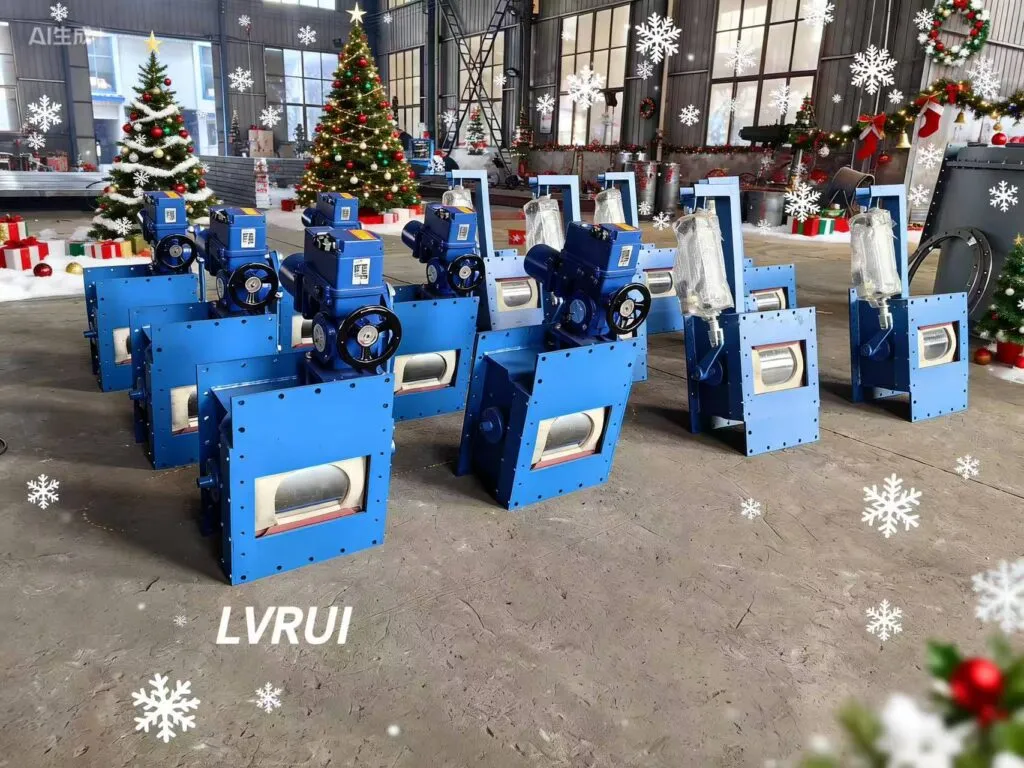
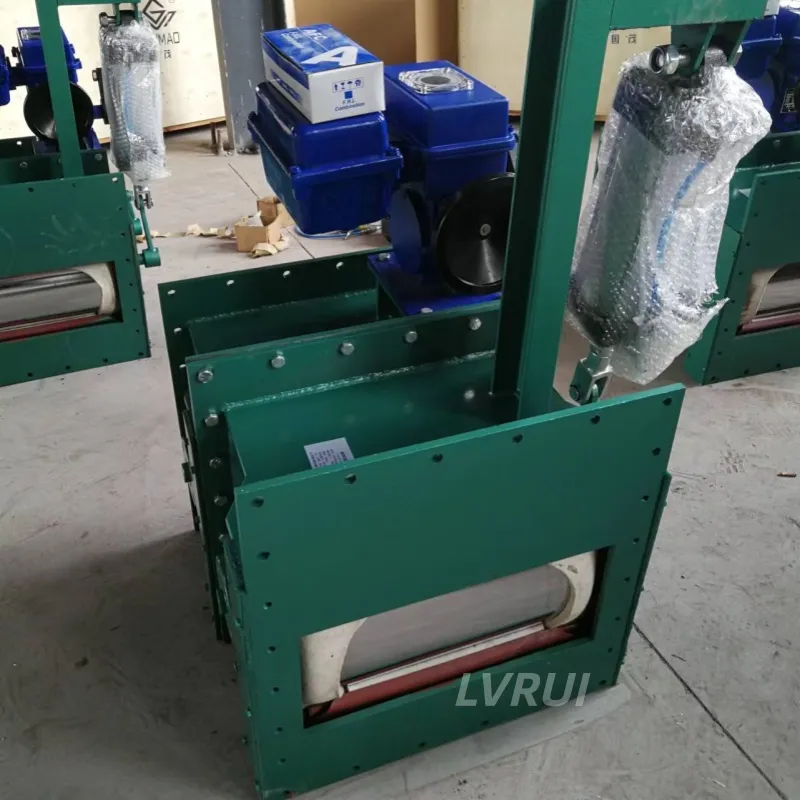
The discharge arrangement depends on the material, outlet geometry and required flow rate. Gates, feeders and suitable aeration equipment may be used where appropriate, but no single discharge method is suitable for every bulk solid.
Conveying and Transfer
Conveying equipment transports material between storage, processing and loading locations.
Mechanical conveyors, air slide conveyors and other suitable conveying methods can be used depending on material properties, route geometry, conveying distance and required capacity. For more information about conveyor types and equipment configurations, explore LVRUI’s bulk material conveying systems.
Transfer points must also be considered because changes in direction, uncontrolled feeding and unsuitable connections can affect material flow and dust containment.
Loading or Downstream Processing
At the final stage, material is transferred to processing equipment, another storage facility or a transport vehicle.
For example, cement powder may be conveyed to a packing line or bulk truck loading station equipped with suitable bulk loading systems, while clinker may be transferred from storage to grinding equipment or a separate loading arrangement.
Dust extraction and process controls may support several stages rather than functioning as separate, consecutive steps.
Main Equipment Functions in Bulk Material Handling
Different equipment categories perform different functions within a bulk material handling process. Their selection depends on the material, handling route, required capacity and operating conditions.
| Equipment category | Main function | Typical examples |
|---|---|---|
| Storage equipment | Holds materials before discharge or processing | Silos, hoppers and bins |
| Discharge and feeding equipment | Releases or regulates material flow | Discharge gates and suitable feeders |
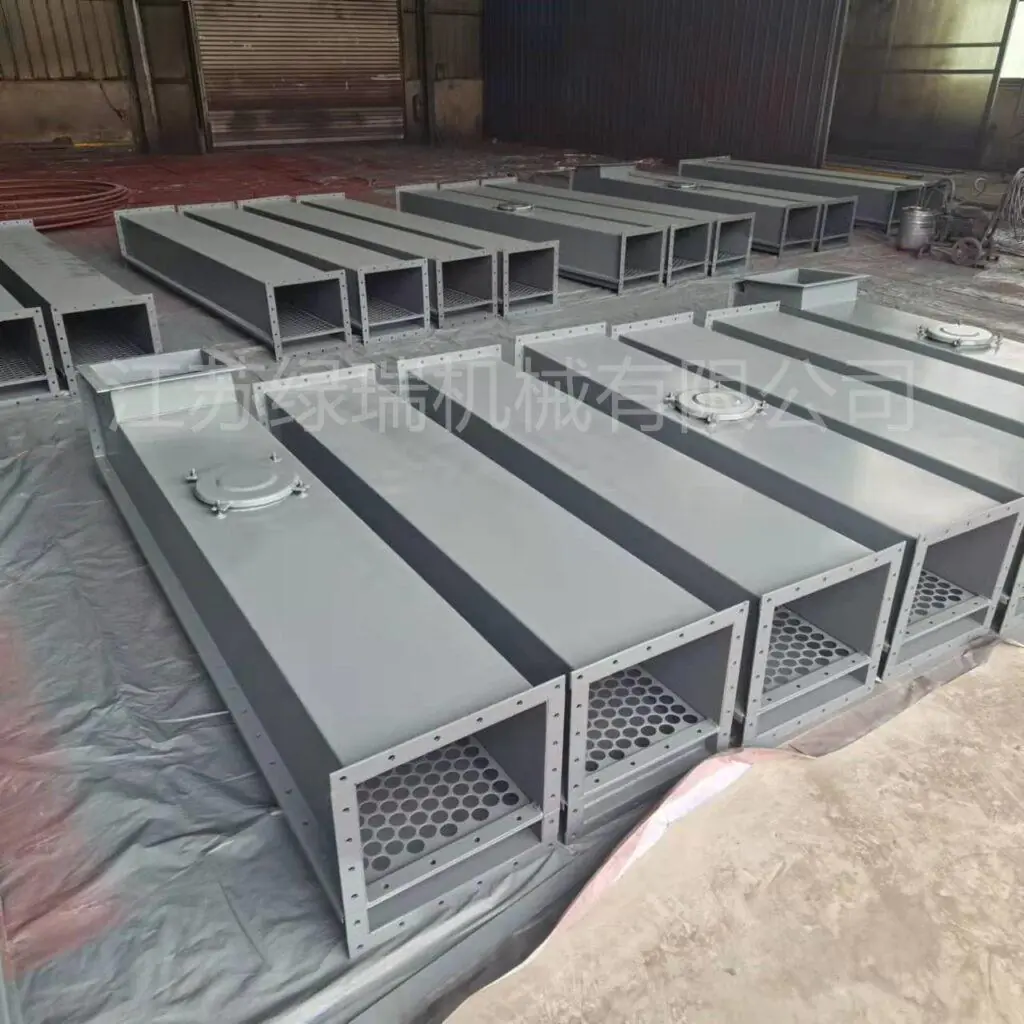
| Conveying equipment | Moves material between process points | Air slide, screw, belt and chain conveyors |
| Vertical conveying equipment | Lifts material between elevations | Bucket elevators |
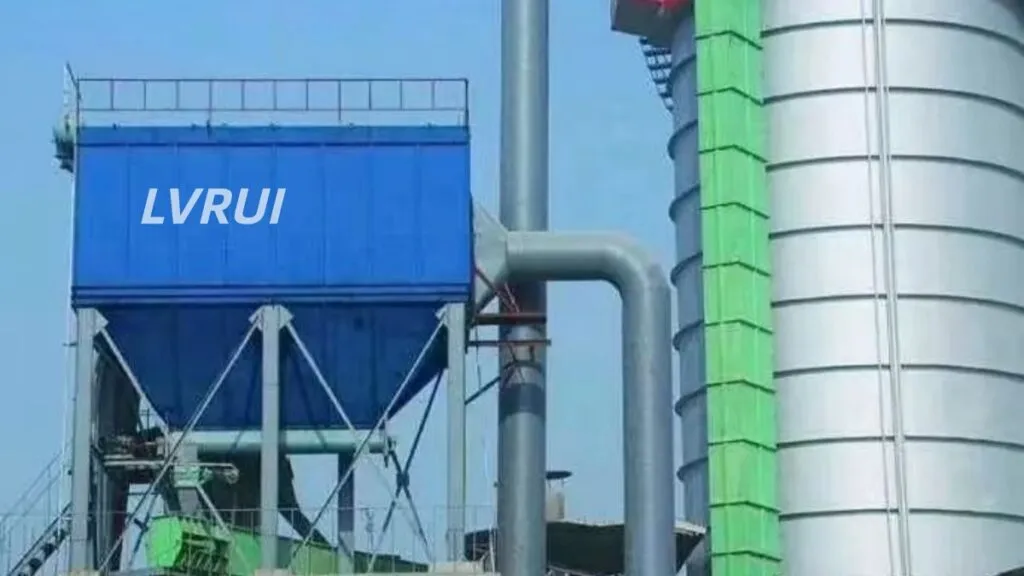
| Dust collection equipment | Captures airborne dust at designated sources | Bag filters and local dust collectors |
| Bulk loading equipment | Transfers material to receiving vehicles or facilities | Loading spouts and bulk loading equipment |
These equipment categories are not interchangeable. For example, an air slide conveyor uses aeration and gravity to move compatible dry powders along a downward-sloping route, whereas a belt conveyor can transport suitable coarse bulk materials over different layouts.
The equipment in a handling system must work together, but the final arrangement varies from one facility to another. For equipment options and supply configurations, explore LVRUI’s cement plant bulk material handling equipment.
How Material Properties Affect Bulk Material Handling
Material properties influence storage, discharge, conveying and equipment wear. Before selecting a handling method, engineers should understand how the material behaves under actual operating conditions.
Particle Size and Bulk Density
Particle size affects material flow, segregation, dust generation and equipment suitability. Bulk density influences the load imposed on storage and conveying equipment.
Fine powders and coarse bulk solids may therefore require different handling arrangements, even when the required mass throughput is similar.
Moisture and Flowability
Moisture and flowability influence how readily material moves through silos, hoppers and conveying equipment.
Some fine powders may become cohesive or develop poor flow under certain storage conditions. Material testing or representative operating data may be required when discharge behavior is uncertain.
Abrasiveness
Abrasive materials can increase wear on chutes, conveyor components, valves and transfer connections.
Equipment materials, replaceable wear components and maintenance access should be considered according to the actual material and operating conditions.
Material Temperature
Material temperature affects the suitability of equipment components, seals and connecting materials.
High-temperature applications may require additional engineering considerations, particularly where the material comes directly from upstream processing equipment.
Dust Generation and Containment
Fine, dry materials may release airborne dust during transfer, filling or loading.
Enclosed connections and suitable dust collection arrangements can be used where required. The containment method depends on the dust source, material characteristics and process conditions.
Where Is Bulk Material Handling Used?
Bulk material handling is used wherever large quantities of unpackaged solids must be stored, transported or processed. The handling arrangement varies according to the material and the production process.
Cement and Fine Powder Handling
Cement, fly ash and other suitable dry powders are handled during silo storage, conveying, grinding, packing and bulk loading.
These applications require appropriate discharge arrangements, compatible conveying methods and dust containment at relevant process connections.
Clinker and Coarse Material Handling
Clinker and other coarse bulk solids are transferred between processing equipment, storage facilities and downstream operations.
Particle size, impact, abrasiveness and conveying route conditions are important considerations when evaluating the handling arrangement.
Limestone and Aggregate Handling
Limestone and aggregates are commonly handled during crushing, screening, conveying, storage and loading.
The equipment configuration must account for the material size range, required throughput, transfer layout and wear conditions.
Bulk material handling is also used in industries such as mining, power generation, agriculture and chemical processing, where the equipment and safety requirements depend on the materials and processes involved.
Common Bulk Material Handling Problems
Bulk material handling performance depends on material behavior, equipment configuration and operating conditions. Problems may occur at individual process points even when the main equipment is functioning.
Poor Silo or Hopper Discharge
Cohesive materials, unsuitable outlet geometry and unfavorable storage conditions can contribute to unstable discharge, bridging or restricted material flow.
The cause should be investigated before changing the discharge gate or adding auxiliary equipment. For cement silo applications, see our detailed guide on cement silo discharge design mistakes.
Dust Escape at Transfer Points
Dust may escape when material falls between equipment, transfer connections are poorly enclosed or the extraction arrangement is unsuitable.
The dust source and actual operating conditions should be evaluated before selecting additional collection equipment. For equipment options, explore LVRUI’s industrial dust collection systems for cement plants and bulk material handling applications.
Equipment Wear
Abrasive bulk solids can cause wear at material impact points, transfer chutes and moving equipment components.
Material properties, transfer geometry, equipment materials and inspection access all influence maintenance requirements.
Lower Than Expected Handling Capacity
Insufficient feeding, unsuitable material properties, excessive system resistance or restrictions at downstream equipment can reduce actual handling performance.
A system-level investigation should consider the complete material route rather than focusing only on the main conveyor.
Safety and Operating Considerations
Bulk material handling systems should be evaluated according to the actual material characteristics, equipment design, operating conditions and applicable local requirements.
Important considerations include safe equipment access, reliable material flow, suitable dust containment, equipment maintenance and appropriate operating procedures.
Where relevant, conveyor design can refer to applicable industry guidance such as the Conveyor Equipment Manufacturers Association (CEMA) standards.
For materials that may create combustible dust hazards, additional assessment and protective measures may be required. The OSHA combustible dust guidance provides general information about these hazards.
FAQs About Bulk Material Handling
What is bulk material handling?
Bulk material handling is the process of receiving, storing, discharging, conveying, transferring and loading unpackaged powders, granules and coarse solids in industrial facilities.
What are examples of bulk materials?
Common examples include cement, fly ash, clinker, limestone, aggregates and mineral powders. Their handling requirements vary with particle size, moisture, flowability and other material properties.
What equipment is used in bulk material handling?
Typical equipment includes silos, hoppers, discharge gates, conveyors, bucket elevators, dust collectors and loading equipment. The equipment combination depends on the process and material characteristics.
What is the difference between bulk material handling and conveying?
Bulk material handling covers the overall process, including storage, discharge, conveying and loading. Conveying is one stage of that process and focuses on moving material between locations.
Why do some bulk materials have discharge problems?
Discharge problems may result from cohesive material behavior, moisture changes, unsuitable outlet geometry or other operating conditions. The underlying cause should be evaluated before selecting corrective measures.
How are dust emissions controlled during bulk material handling?
Dust containment can involve enclosed connections, suitable transfer arrangements and dust collection equipment at designated emission points. The approach depends on the material, dust source and operating conditions.
Conclusion
Bulk material handling connects storage, discharge, conveying, transfer and loading into a coordinated industrial process. Understanding material properties and the function of each handling stage is essential when evaluating an existing process or planning a new one. The appropriate equipment and operating arrangement depend on the actual material, production requirements and facility layout.
Need Equipment for Your Bulk Material Handling Project?
Planning a cement, fly ash, clinker or dry bulk material handling project? Share your material characteristics, required capacity, handling route and available equipment drawings with LVRUI.
We can review your requirements and recommend suitable conveying, discharge, dust collection and bulk loading equipment.
✓ Equipment selection and technical consultation
✓ Customized equipment configurations
✓ Technical drawings and supporting documentation
✓ Coordinated equipment supply
WhatsApp / WeChat: +86 18261998937
Email: info@lvrui-conveyor.com