Why Small Design Errors Can Lead to Arching, Rat-Holing, Dust Leakage and Conveyor Problems
Why Cement Silo Discharge Design Matters
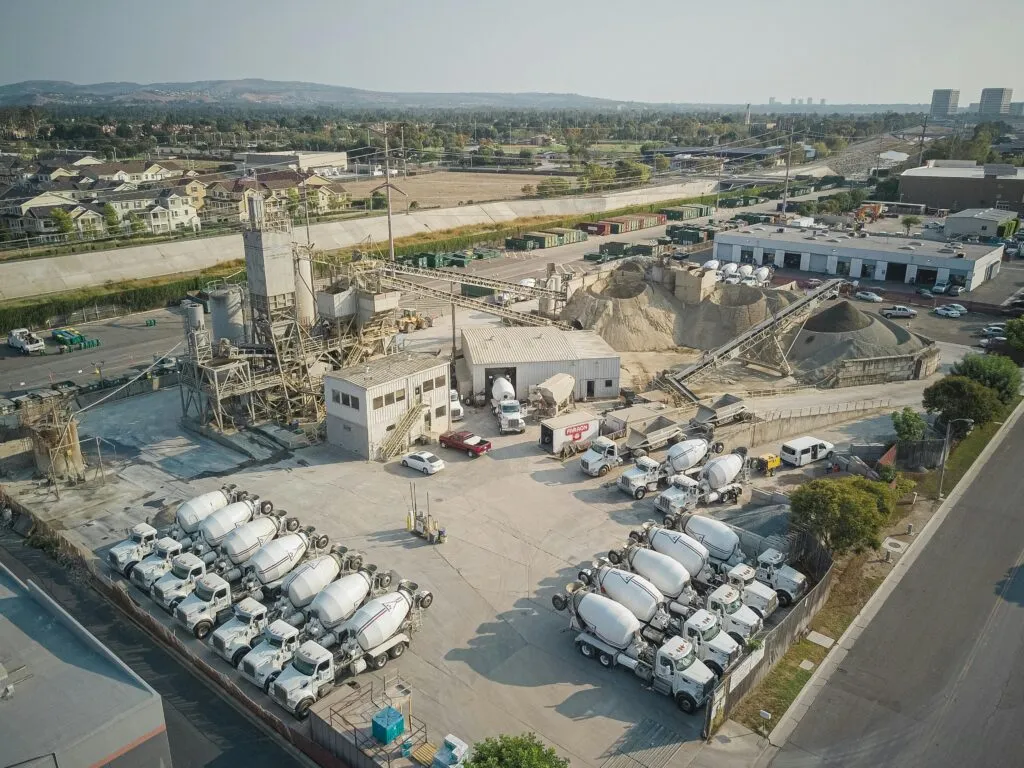
Effective cement silo discharge design requires coordination between silo geometry, material characteristics, aeration, discharge gates and downstream conveying equipment. Material condition, silo geometry, aeration, flow regulation and downstream equipment must work together to maintain stable powder discharge.
When a problem occurs, the visible blockage may not indicate its original cause. For example, material accumulating at a conveyor inlet may result from excessive upstream discharge, poor flow regulation or hardened lumps. Identifying where the restriction begins is essential before modifying individual equipment.
Mistake 1: Treating Silo Discharge as a Single Device
One common design mistake is selecting a discharge valve or conveyor without considering the complete material flow path.
A correctly sized valve cannot maintain stable discharge if powder movement toward the silo outlet is poor. Similarly, increasing the outlet opening will not improve performance when the downstream conveyor cannot accept the additional material.
Before selecting equipment, review the silo outlet conditions, material flowability, aeration arrangement, required discharge rate and downstream equipment. For additional engineering background on bulk-solid flow properties and hopper design, refer to AIChE’s Ten Steps to an Effective Bin Design.
For suitable equipment combinations, see our Cement Silo Discharge System page.
Mistake 2: Poor Aeration Pad Layout
Uneven aeration can contribute to unstable cement discharge, particularly where compacted powder or stagnant material develops near the silo outlet.
Installing additional aeration pads does not necessarily resolve the problem. Their location, coverage, air supply and operating conditions should be selected according to the silo geometry and material characteristics.
When investigating poor discharge, check whether all designated aeration zones receive the required airflow and whether the material can move toward the outlet without persistent stagnant regions.
Aeration should be evaluated together with outlet geometry and material flowability, rather than treated as a universal solution to arching or rat-holing. For detailed positioning considerations, see our Aeration Pads Placement Design Guide.
Mistake 3: Choosing the Wrong Flow Control Gate
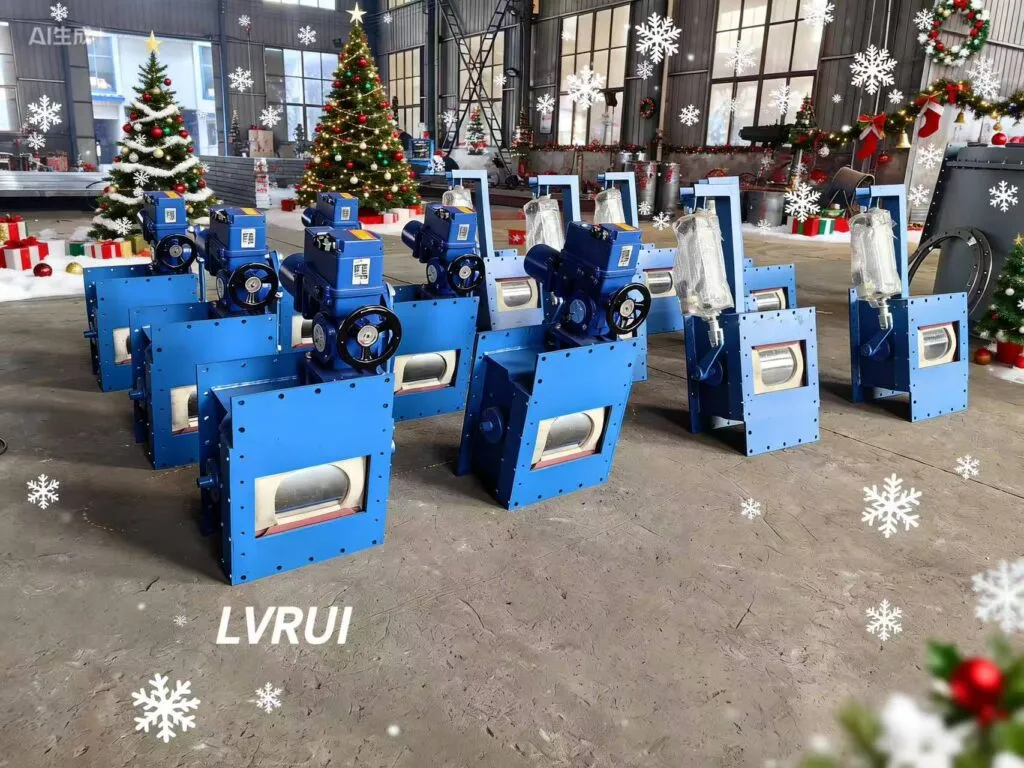
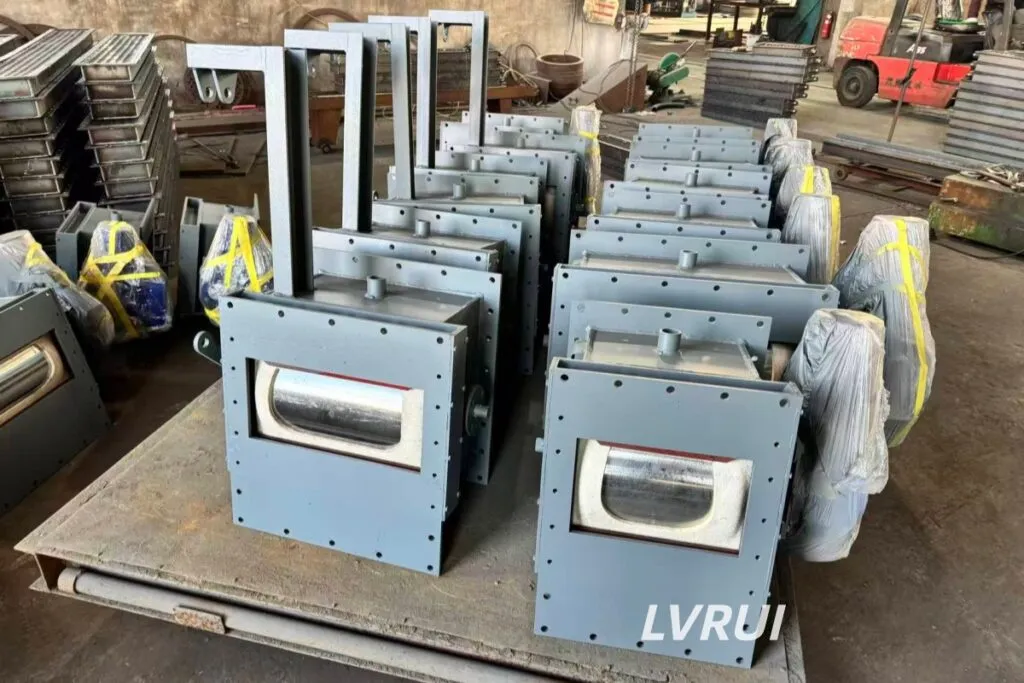
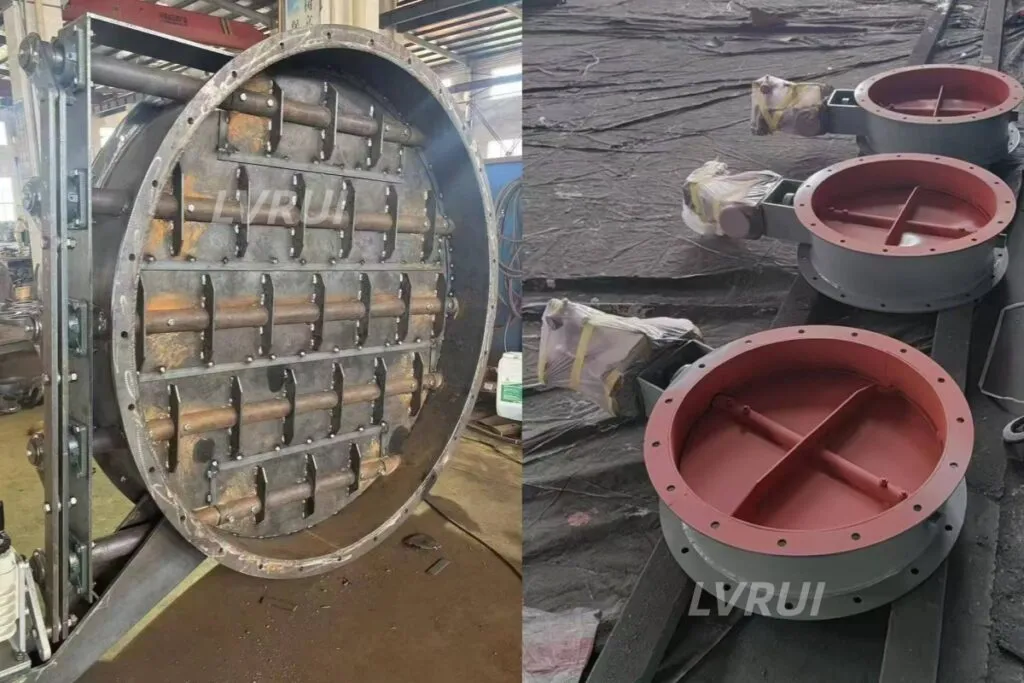
A flow control gate adjusts the discharge opening to regulate the amount of cement entering the downstream equipment. Incorrect sizing or an unsuitable opening range can result in restricted flow, unstable adjustment or excessive material feeding.
During a design review, check the required discharge range, outlet dimensions, material condition, gate structure and control method. Also inspect whether compacted material or cement lumps could obstruct the moving gate components.
The gate should provide suitable flow regulation under the expected operating conditions, but it cannot compensate for poor aeration or an overloaded downstream conveyor.
For equipment configurations and selection details, see our Flow Control Gate Valve page.
Mistake 4: Ignoring Downstream Conveyor Capacity
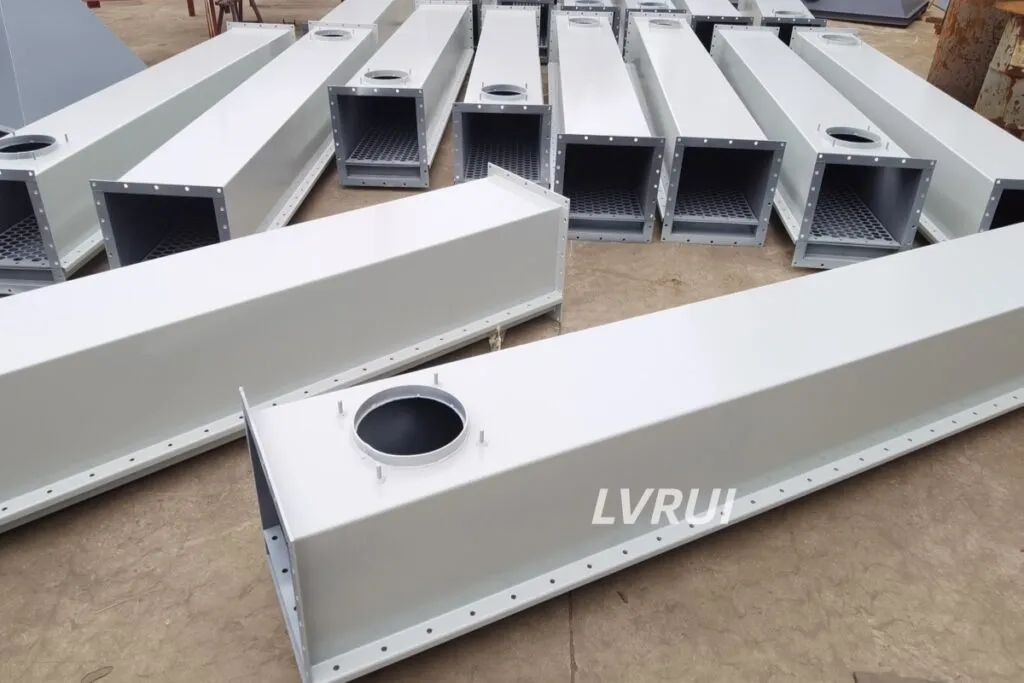
A cement silo may release material faster than the downstream equipment can handle. When the discharge rate exceeds the conveyor’s available capacity, material may accumulate near the inlet and cause unstable operation or blockage.
During a design review, compare the required discharge rate, flow control gate operating range and actual downstream conveying capacity. Repeated inlet blockage may indicate excessive upstream feeding rather than a fault in the conveyor itself.
The discharge arrangement should be matched to the capacity of the connected equipment.
For detailed capacity matching, see our Cement Silo Discharge Capacity guide.
Mistake 5: No Protection Against Cement Lumps
Hardened cement lumps may develop because of moisture exposure, prolonged storage or unsuitable material conditions. If they enter the discharge line, they can obstruct valves, conveyors and other downstream equipment.
When blockage occurs repeatedly, inspect the material near the silo outlet to determine whether it contains hardened lumps or is simply flowing poorly.
Where oversized lumps are confirmed, suitable upstream lump-breaking equipment may be considered. The equipment must be selected according to the actual lump characteristics, required throughput and downstream restrictions.
If compacted powder is the main problem rather than hardened lumps, aeration and material-flow conditions should be investigated first.
Mistake 6: Poor Dust Sealing at Discharge Interfaces
Dust leakage around a silo discharge line may indicate unsuitable sealing, damaged connections or inadequate local dust extraction.
During inspection, pay particular attention to silo outlet flanges, gate connections, conveyor inlets, inspection openings and transfer chutes. The condition of sealing surfaces and the suitability of each equipment connection should be checked.
Where dust extraction is provided, verify that the extraction arrangement is appropriate for the operating conditions. A dust collector should not be relied upon to compensate for poorly designed or damaged mechanical connections.
Correcting the leakage source is an important part of improving the discharge arrangement. For applications requiring local dust extraction, the connection to an industrial dust collection system should also be considered.
Mistake 7: No Maintenance Access Around Silo Bottom Equipment
Insufficient maintenance access can make it difficult to identify and correct discharge problems. Inspection space should be considered during equipment layout rather than added only after installation.
Important maintenance provisions include accessible inspection openings, service space around gate actuators, access to aeration lines and suitable arrangements for inspecting conveyor inlets and dust extraction connections.
Where elevated equipment requires regular maintenance, suitable platforms and access arrangements should be considered in accordance with the site’s safety requirements.
Equipment should be arranged so that routine inspection and necessary maintenance can be completed without excessive dismantling of adjacent components.
Mistake 8: Weak Control Logic Between Gate and Conveyor
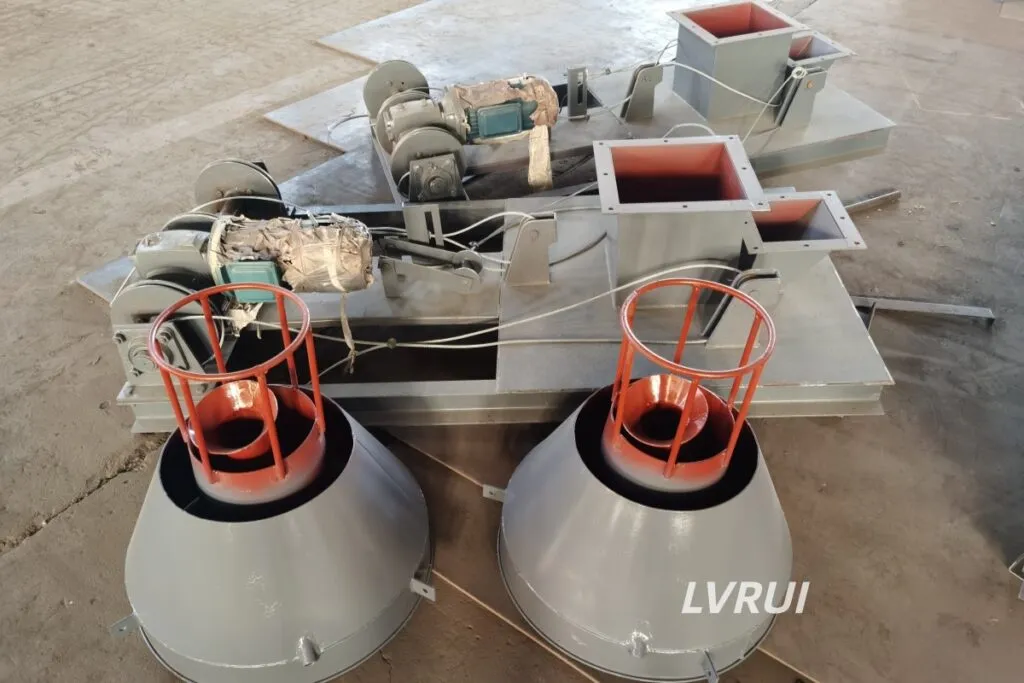
A discharge system may experience material accumulation or equipment overload when the gate, aeration equipment and downstream conveyor are not properly coordinated.
For example, opening a discharge gate before the receiving equipment is ready can cause material to accumulate at the conveyor inlet. Failure to close or adjust the gate after a downstream equipment fault may also worsen the problem.
The control design should consider downstream equipment readiness, gate operating status, relevant fault signals and appropriate interlocks.
Start-up, shutdown and emergency operating sequences must be defined according to the actual equipment configuration and approved process requirements.
Cement Silo Discharge Design Checklist
The following checklist summarizes the main design points to review when investigating poor cement silo discharge or planning a new discharge arrangement.
| Design point | What to check |
|---|---|
| Silo outlet | Outlet geometry, material condition and discharge path |
| Aeration layout | Aeration coverage, air supply and operating conditions |
| Flow control gate | Size, opening range, material compatibility and control method |
| Downstream conveyor | Inlet arrangement and available conveying capacity |
| Lump risk | Material condition and evidence of hardened lumps |
| Dust sealing | Flanges, equipment interfaces and extraction connections |
| Maintenance access | Inspection openings, service space and safe access |
| Control logic | Equipment readiness, fault signals and interlocks |
How to Diagnose Poor Cement Silo Discharge
Before replacing equipment, identify where the discharge problem first becomes visible and check the relevant upstream and downstream conditions.
| Observed symptom | Initial checks |
|---|---|
| Poor flow after prolonged storage | Material condition, compaction, moisture and aeration |
| Bridging near the silo outlet | Material flowability, outlet geometry and aeration arrangement |
| Repeated blockage at the conveyor inlet | Discharge rate, gate opening and downstream conveying capacity |
| Gate does not open or close normally | Mechanical obstruction, compacted material and gate condition |
| Hardened material repeatedly enters the discharge line | Material storage conditions, lump characteristics and need for upstream lump control |
| Dust escapes around discharge connections | Flange sealing, interface condition and local dust extraction |
| Material accumulates during start-up or shutdown | Downstream equipment status and control interlocks |
The initial inspection should follow the material flow path. Corrective action should be based on the identified cause rather than the location where material accumulation first becomes visible.
FAQs About Cement Silo Discharge Design
Why does cement powder bridge near the silo outlet?
Bridging may occur when material becomes compacted or when its flow characteristics are incompatible with the silo outlet geometry. Aeration conditions and moisture may also affect the discharge behavior of suitable fine powders.
Can aeration solve all cement silo discharge problems?
No. Aeration may improve the flow of compatible fine powders, but it cannot correct every outlet design problem, remove hardened lumps or increase the capacity of overloaded downstream equipment.
Why does a flow control gate fail to stabilize discharge?
Possible causes include an unsuitable gate size, an inappropriate operating range, uneven material feeding or mechanical obstruction. The gate must also be matched to the receiving equipment’s capacity.
What happens if the silo discharge rate exceeds conveyor capacity?
Excessive feeding can cause material to accumulate near the conveyor inlet, interrupt conveying or overload the receiving equipment. The discharge rate should be coordinated with the actual downstream capacity.
When should upstream lump control be considered?
Upstream lump control should be considered when hardened lumps repeatedly enter the discharge line and obstruct valves or downstream equipment. The material and lump characteristics must be checked before selecting a suitable device.
What information is needed before modifying a cement silo discharge system?
Useful information includes the material condition, silo outlet dimensions, existing aeration layout, required discharge rate, downstream equipment specifications, observed fault locations and installation drawings.
Conclusion
Poor cement silo discharge may result from several interacting design and operating conditions rather than a single equipment fault.
A practical review should start with the observed symptoms and follow the material path through the silo outlet, aeration arrangement, discharge gate and downstream equipment. Evaluating these interfaces together can help identify the actual restriction and determine which modifications are necessary.
Need Help with Cement Silo Discharge Problems?
If your cement silo experiences unstable discharge, material bridging, repeated blockage or dust leakage, LVRUI can review the available equipment information and recommend suitable discharge and bulk material handling equipment.
Please provide the material characteristics, silo outlet dimensions, required discharge capacity, existing equipment arrangement and available site photos or drawings.
✓ Silo aeration and powder flow-assistance equipment
✓ Isolation and flow control gate configurations
✓ Lump-breaking equipment where required
✓ Compatible downstream conveying and dust collection equipment
WhatsApp: +86-18261998937
WeChat: +86-18261998937
Email: info@lvrui-conveyor.com