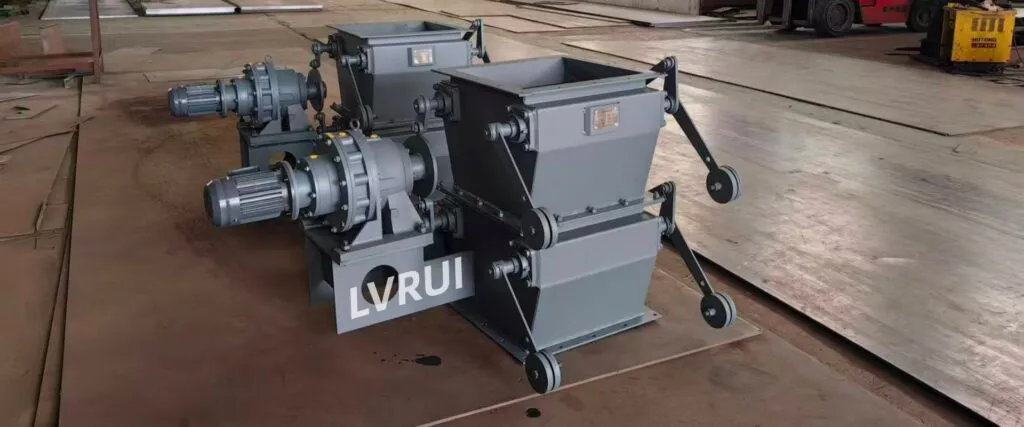
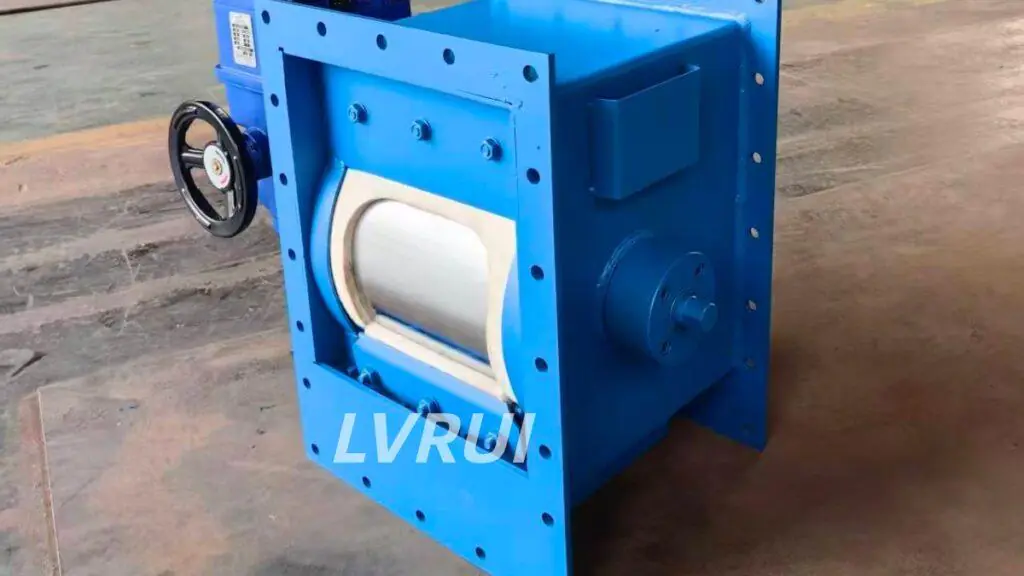
Engineering Integration of Electric Twin Shaft Lump Breaker Valves for Stable Cement Silo Discharge
Integrasi Rekayasa Katup Pemecah Gumpalan Poros Ganda Elektrik pada Sistem Pengeluaran Silo Semen
Why System Integration Matters in Cement Silo Discharge
Cement silo discharge is not a standalone operation but a critical part of a complete bulk material handling system involving storage, flow regulation, lump breaking, and conveying, as defined in bulk material handling engineering practices.
When lump breaker valves are installed without proper system integration, common issues may still occur, including:
- Recurrent material arching above the discharge outlet
- Overloading of downstream air slide conveyors or screw conveyors
- Unstable discharge rates affecting dosing accuracy
- Excessive wear on mechanical components
System integration ensures that the electric twin shaft lump breaker valve functions as an effective flow-conditioning device rather than a reactive problem-solving tool.
Electric twin-shaft lump breaker valves are widely integrated into cement silo discharge systems to ensure consistent material conditioning and stable downstream feeding.
Role of Electric Twin Shaft Lump Breaker Valves in Silo Bottom Systems
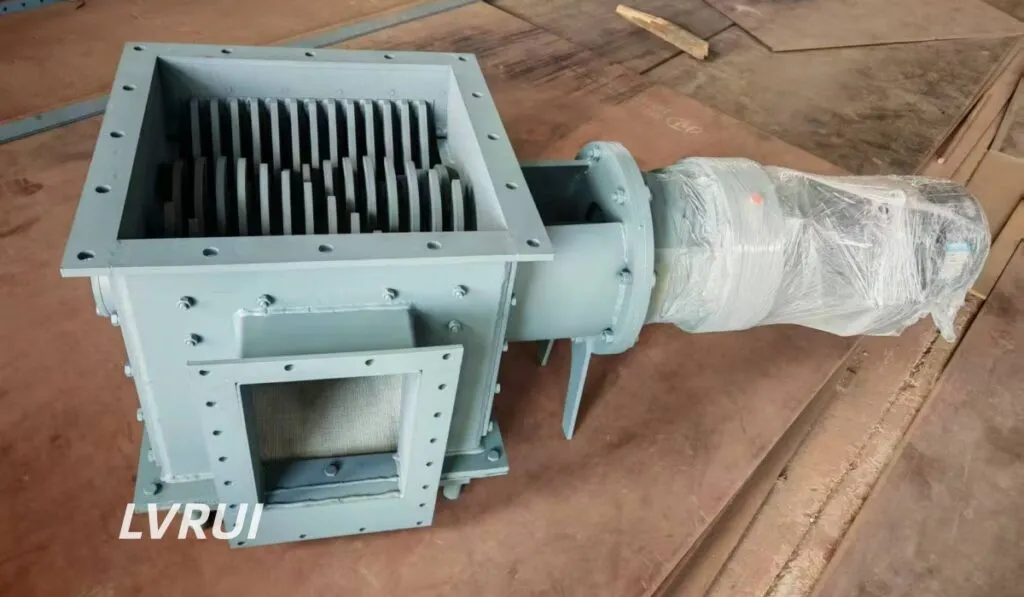
Electric twin shaft lump breaker valves are typically installed directly below the silo cone or hopper outlet. Their primary function is to break cement agglomerates and condition material flow before it enters downstream conveying equipment.
Key functional roles include:
✔ Breaking compacted cement lumps formed during long-term storage
✔ Maintaining uniform particle flow at the silo outlet
✔ Reducing sudden discharge surges
✔ Protecting air slide conveyors and flow control gates
Unlike single-shaft designs, twin-shaft configurations provide balanced torque distribution and more consistent lump size reduction, which is critical for continuous cement handling.
Integration with Cement Silo Structure
Proper integration starts with the silo itself. The geometry of the silo cone, outlet size, and material flow pattern directly affect lump breaker performance.
Engineering considerations include:
- Matching the silo outlet diameter with the lump breaker inlet to avoid material dead zones
- Ensuring sufficient vertical clearance for maintenance access
- Coordinating silo aeration systems to avoid excessive compaction above the breaker
When integrated correctly, the lump breaker becomes part of a mass-flow-oriented discharge design rather than an isolated mechanical device.
Many of these integration principles align with the general design recommendations and conveying system guidelines published by CEMA (Conveyor Equipment Manufacturers Association).
Coordination with Flow Control and Isolation Devices
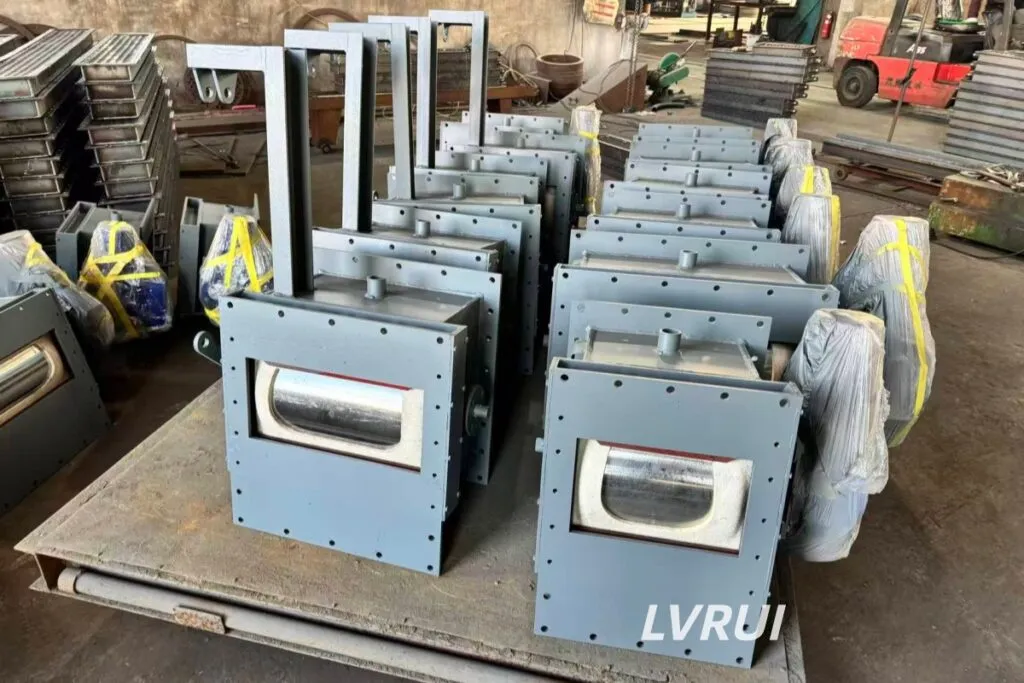
In most cement silo discharge systems, electric twin-shaft lump breaker valves operate together with flow control gates or shut-off valves.
Typical system layout:
- Silo outlet
- Electric twin-shaft lump breaker valve
- Flow control gate or slide gate
- Air slide conveyor or screw conveyor
This configuration allows:
- Controlled startup and shutdown sequences
- Safe isolation during maintenance
- Stable and predictable material feeding downstream
System integration ensures that flow control devices regulate discharge rate while the lump breaker focuses on material conditioning.
Integration with Downstream Conveying Systems
Downstream conveying equipment is often sensitive to large agglomerates and unstable feed conditions. Electric twin-shaft lump breaker valves play a critical role in protecting these systems.
When integrated with air slide conveyors:
- Lump breaking prevents blockage of aeration fabrics
- Uniform material flow improves fluidization efficiency
When integrated with screw conveyors:
- Reduced torque fluctuations
- Lower risk of screw jamming and mechanical overload
Proper system integration significantly extends the service life of downstream conveying equipment.
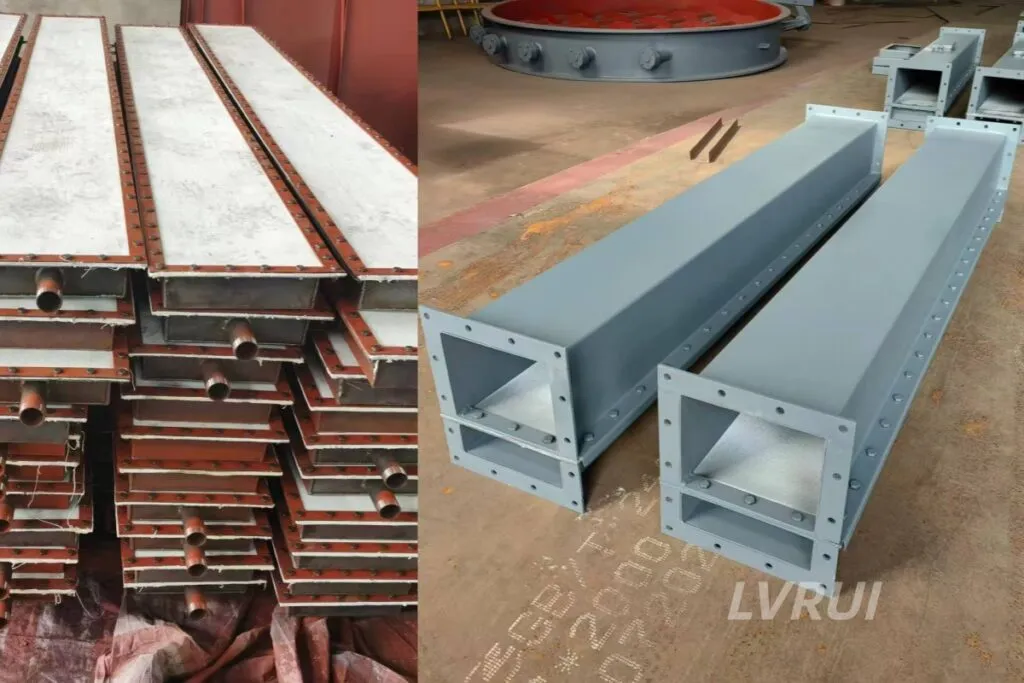
Electrical Control and Automation Integration
Electric twin shaft lump breaker valves are commonly integrated into the plant’s automation system. Typical control logic includes:
- Interlock with upstream and downstream equipment
- Automatic start/stop sequences based on discharge demand
- Overload protection and motor monitoring
This level of integration improves operational safety and ensures synchronized system behavior across the entire silo discharge line.
Maintenance and Long-Term Reliability Considerations
From a system perspective, maintenance accessibility is just as important as performance. Integrated designs should allow:
✔ Easy access to breaker shafts and wear parts
✔ Safe isolation of electrical and mechanical components
✔ Minimal downtime during routine inspections
Well-integrated systems reduce emergency maintenance and improve long-term reliability in continuous cement production environments.
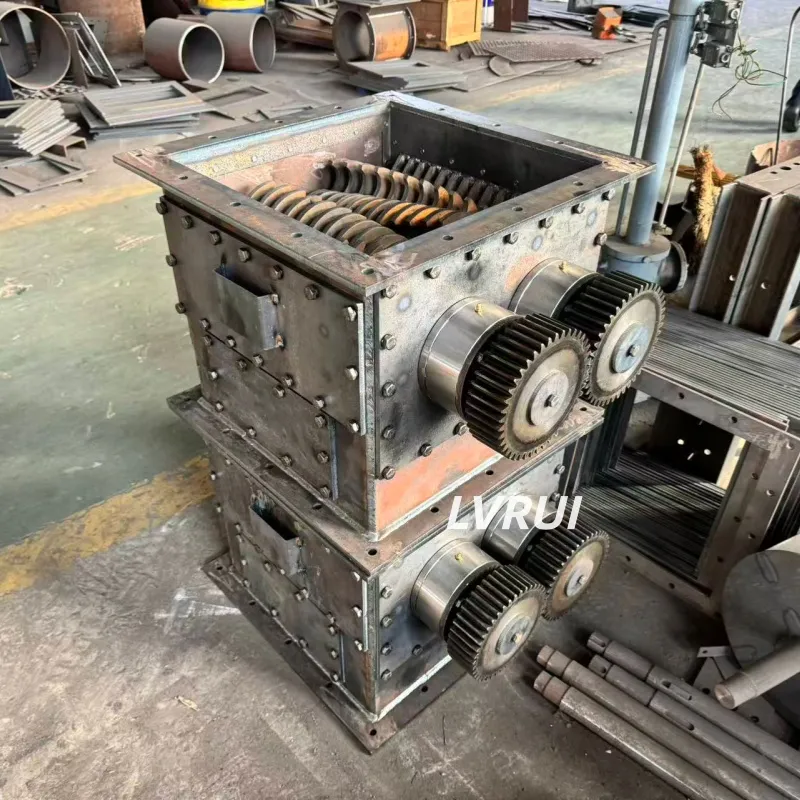
Proper installation of a lump breaker for cement silos significantly improves system reliability and reduces operational downtime.
FAQs About Electric Twin Shaft Lump Breaker Valves
What is the primary function of electric twin shaft lump breaker valves?
Their main function is to break cement agglomerates and condition material flow before it enters downstream conveyors, ensuring uniform particle distribution and preventing blockages in air slide or screw conveyors.
Can these lump breaker valves prevent material arching at the silo outlet?
Yes. When integrated correctly with the silo structure, electric twin shaft lump breaker valves reduce material arching, improve discharge consistency, and minimize overloads on downstream conveying equipment.
How do twin shaft configurations differ from single-shaft designs?
Twin shaft valves provide balanced torque distribution and more consistent lump size reduction compared to single-shaft valves. This ensures stable material flow and reduces mechanical stress on the system.
Are these valves suitable for integration with flow control or isolation devices?
Absolutely. Electric twin shaft lump breaker valves work effectively with flow control gates or shut-off valves, enabling controlled startup/shutdown sequences, safe isolation during maintenance, and predictable downstream material feeding.
Can they be integrated into automated cement plant systems?
Yes. These valves are often part of plant automation systems with control logic for interlocking upstream/downstream equipment, automatic start/stop sequences based on discharge demand, and motor overload protection. This integration improves operational safety and synchronizes system behavior across the silo discharge line.
How does proper system integration impact maintenance and long-term reliability?
Well-integrated systems allow easy access to shafts and wear parts, safe isolation of electrical/mechanical components, and minimal downtime during inspections. This significantly improves reliability and reduces emergency maintenance in continuous cement operations.
What are common applications of electric twin shaft lump breaker valves?
They are widely used in cement silo discharge systems, bulk material handling setups, and powder processing plants where stable material flow and consistent particle size are critical.
Indonesian Short Version
Katup pemecah gumpalan poros ganda elektrik banyak digunakan pada sistem pengeluaran silo semen untuk menjaga aliran material yang stabil. Integrasi yang tepat dengan struktur silo, katup pengatur aliran, dan sistem konveyor memastikan material tidak menggumpal, melindungi peralatan hilir, serta meningkatkan keandalan operasi jangka panjang di pabrik semen.
- File name: cement-silo-discharge-system-integration.jpg
- Alt: system integration of electric twin-shaft lump breaker valves in cement silo discharge
- Title: Cement Silo Discharge System Integration with Lump Breaker Valves
- Caption: Integrated cement silo discharge system using electric twin-shaft lump breaker valves and flow control equipment
- Description: System-level integration of electric twin-shaft lump breaker valves with flow control gates and air slide conveyors in cement plants.
CAT
Looking for a reliable electric twin-shaft lump breaker valve for cement silo discharge systems?
Contact LVRUI Machinery atinfo@lvrui-conveyor.com or visit https://www.lvrui-conveyor.com to get professional technical support and customized engineering solutions.