(EN)Technical comparison of aeration pad and aeration box for cement silo flow improvement
(ID)Perbandingan teknis antara aeration pad dan aeration box untuk meningkatkan aliran material pada silo semen
What Is an Aeration Pad?
Aeration pad vs aeration box is a common comparison in cement and bulk material handling industries, as both terms are often used interchangeably in silo and powder discharge applications.
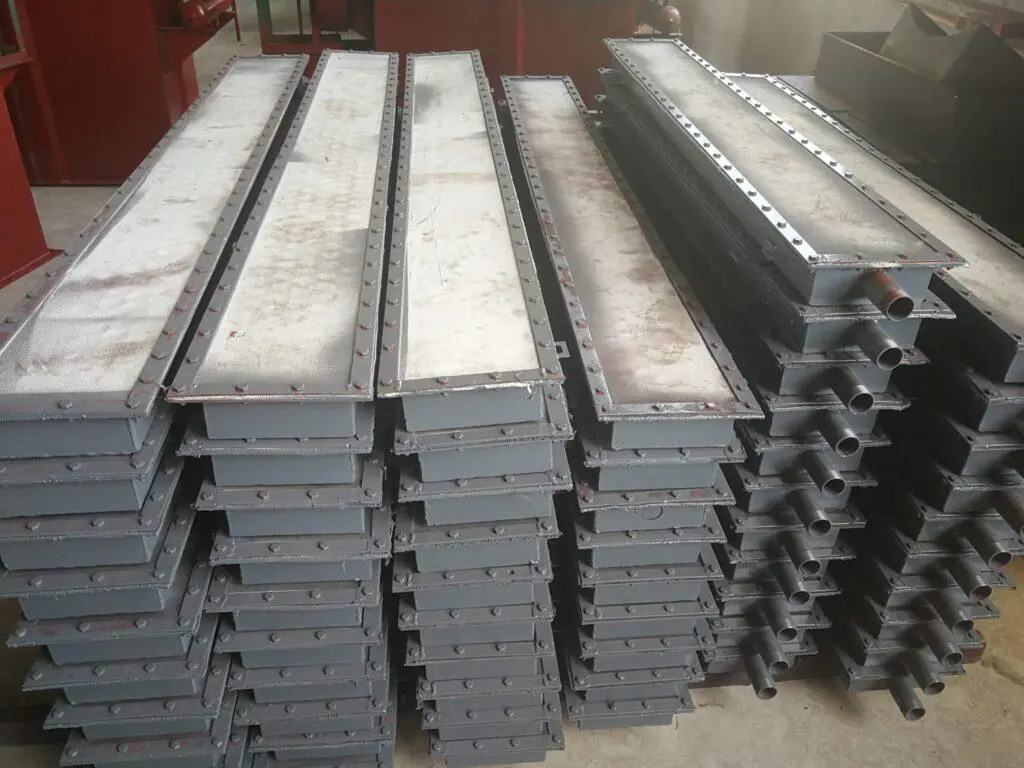
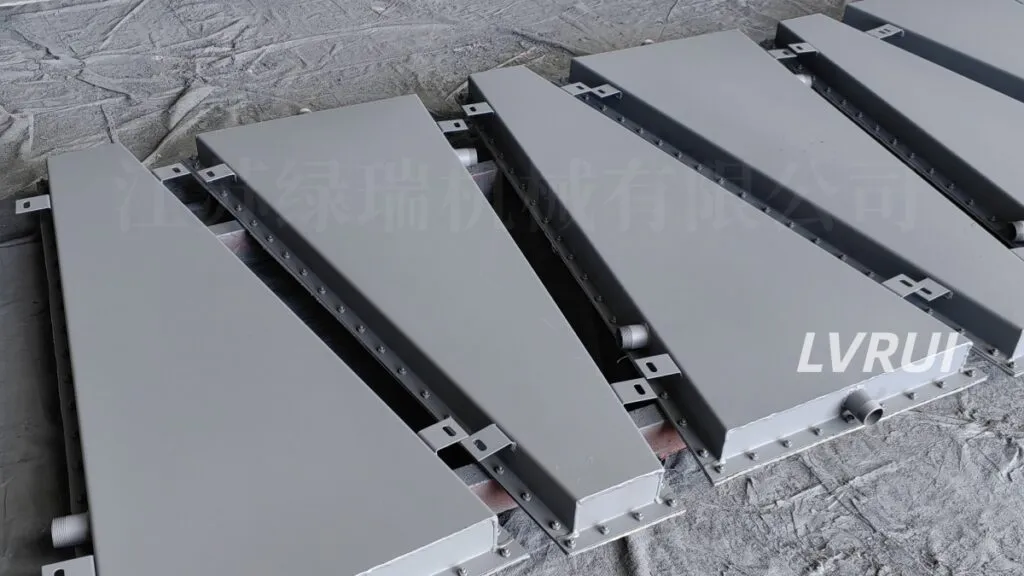
An aeration pad is a low-pressure air fluidization device installed at the cone of silos, hoppers, or discharge points. By introducing air through a permeable membrane, the aeration pad reduces internal friction between powder particles, allowing materials such as cement, fly ash, and lime powder to flow more freely.
Aeration pads are widely used in cement plants to prevent:
- Material bridging
- Rat-holing
- Blockage during silo discharge
👉 Learn more about industrial aeration systems on our product page: Aeration Box for Cement & Powder Handling .
What Is an Aeration Box?
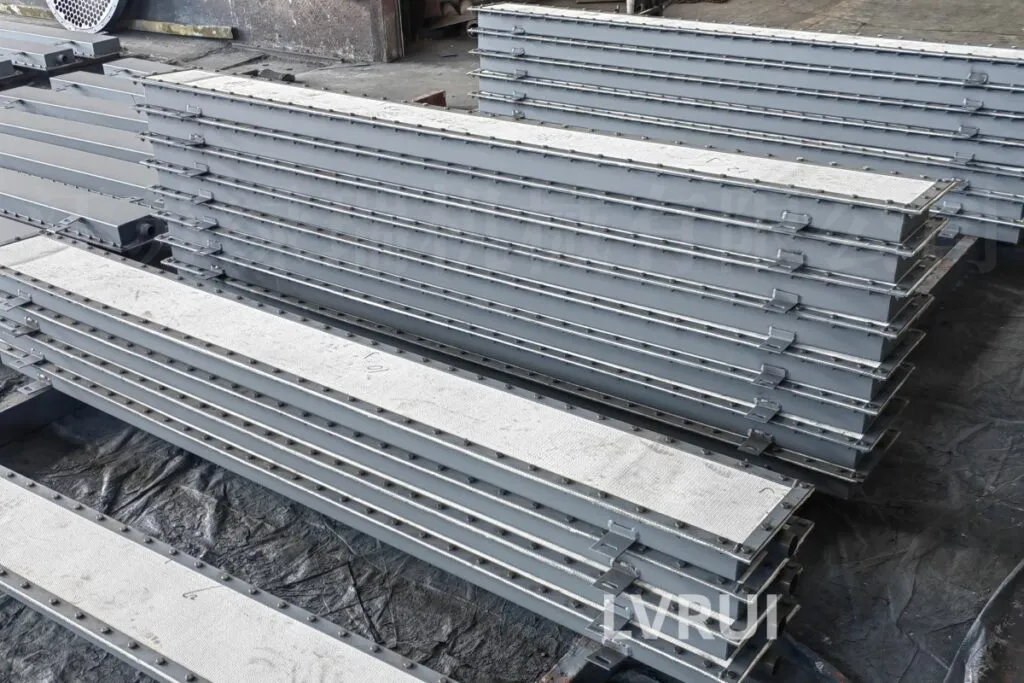
An aeration box refers to the same functional device but emphasizes its structural form rather than the aeration principle itself. In many engineering drawings and equipment specifications, the term “aeration box” is used to describe the steel housing that contains the aeration membrane.
In practice:
- Aeration pad = functional / industry term
- Aeration box = structural / engineering term
Both terms describe the same aeration solution used in silo discharge systems.
Aeration Pad vs Aeration Box: Are They the Same?
From an operational perspective, yes—they serve the same purpose.
| Aspect | Aeration Pad | Aeration Box |
|---|---|---|
| Naming focus | Function & principle | Structure & housing |
| Common usage | Global / industry | Engineering drawings |
| Application | Cement, fly ash, powder | Cement, fly ash, powder |
| Installation location | Silo cone / hopper | Silo cone / hopper |
In cement plants, engineers often use both terms interchangeably depending on project documentation or regional preferences.
Typical Applications in Cement & Powder Handling
Both aeration pads and aeration boxes are commonly used in:
- Cement silos
- Fly ash storage silos
- Powder hoppers
- Bulk material discharge systems
- Pneumatic conveying lines
👉 For continuous downstream conveying, aeration systems are often combined with Air Slide Conveyors to ensure smooth material flow.
How to Choose the Right Aeration Solution?
When selecting an aeration solution for cement or powder handling systems, consider:
- Powder characteristics (particle size, moisture content)
- Required discharge rate
- Available air pressure
- Silo geometry and cone angle
In most projects, the choice between “aeration pad” and “aeration box” is mainly terminology-based, not technical.
Understanding aeration pad vs aeration box terminology helps engineers avoid confusion when specifying silo aeration systems in cement and powder handling projects.
For further technical background on aeration and pneumatic conveying principles, refer to: Pneumatic Conveying Design Guide – CEMA
Ready to Get a Reliable Aeration Box Solution?
Partner with LVRUI for professional bulk material handling solutions and responsive technical support.
✅ Get expert quotation and customized solution within 12 hours
✅ Factory direct supply with strict quality control
✅ Professional engineering support from experienced team
✅ Stable delivery for overseas industrial projects
Contact LVRUI today to get your customized Aeration Box system.
📩 Contact Information
- Company: Jiangsu LVRUI Machinery Co., Ltd.
- Email: info@lvrui-conveyor.com
- WhatsApp: +86 182 6199 8937
Indonesian Short Version
Aeration pad dan aeration box pada dasarnya adalah perangkat yang sama dalam sistem penanganan material curah seperti semen dan abu terbang. Perbedaan istilah biasanya berasal dari kebiasaan industri atau dokumen teknik.
Aeration pad lebih menekankan pada prinsip aerasi dan fluidisasi material, sedangkan aeration box menggambarkan bentuk fisik dan struktur perangkat tersebut. Keduanya dipasang di bagian bawah silo atau hopper untuk mencegah penyumbatan dan meningkatkan kelancaran aliran material bubuk.