(EN)Best Placement Design of Aeration Pads in Cement Silo Cones for Stable Discharge
(ID)Desain Penempatan Aeration Pads Terbaik pada Kerucut Silo Semen
1. Introduction: Why Placement Matters More Than Quantity
Aeration pads placement design is critical for achieving stable and efficient discharge in cement silo cone systems.
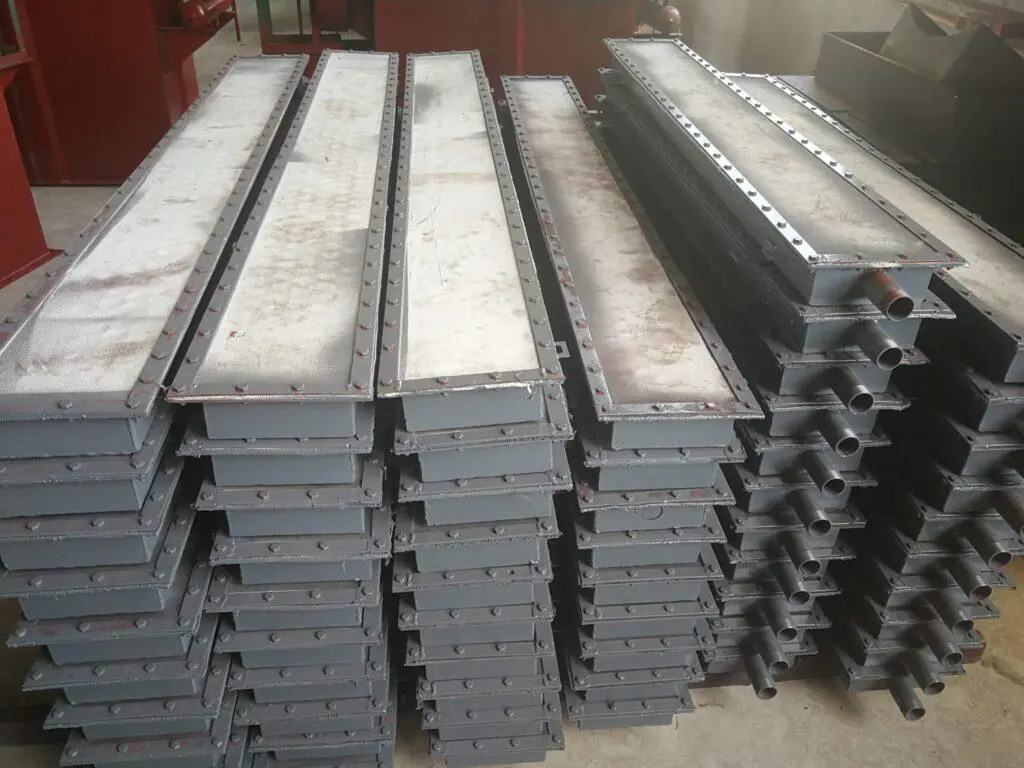
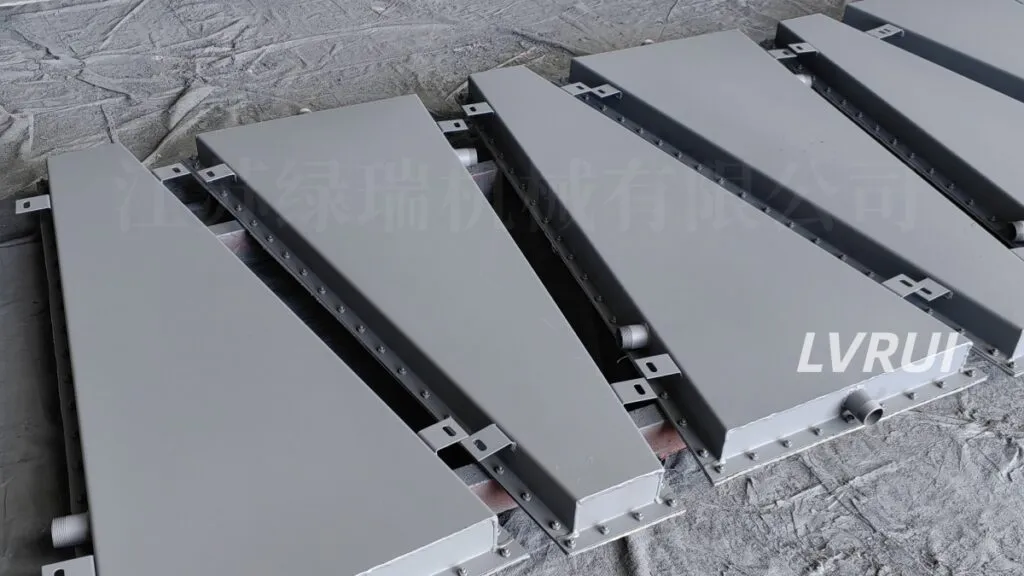
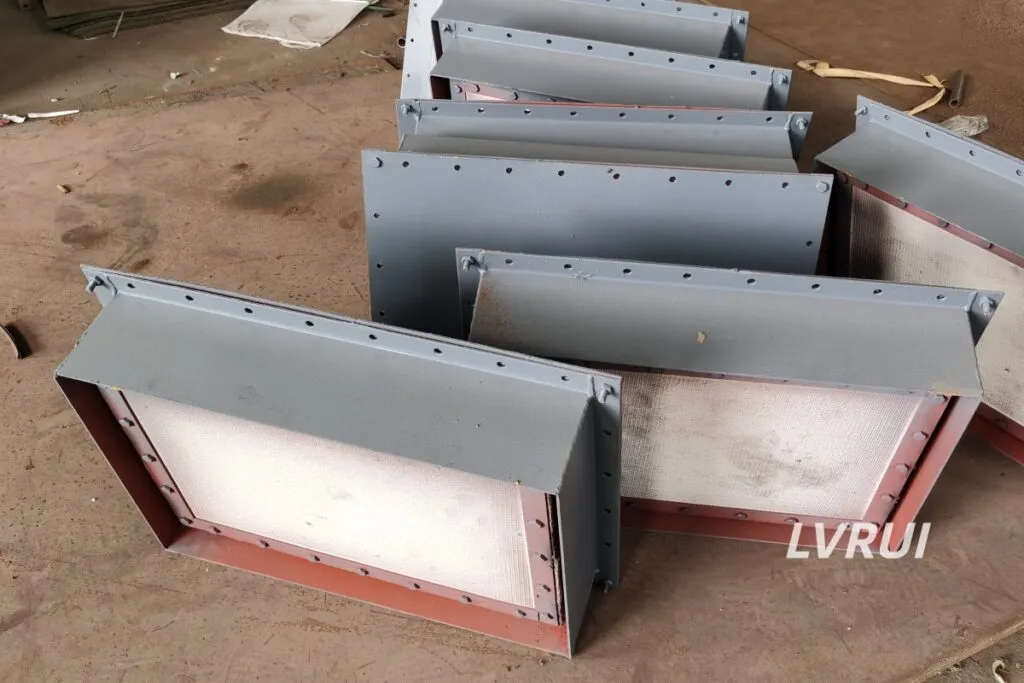
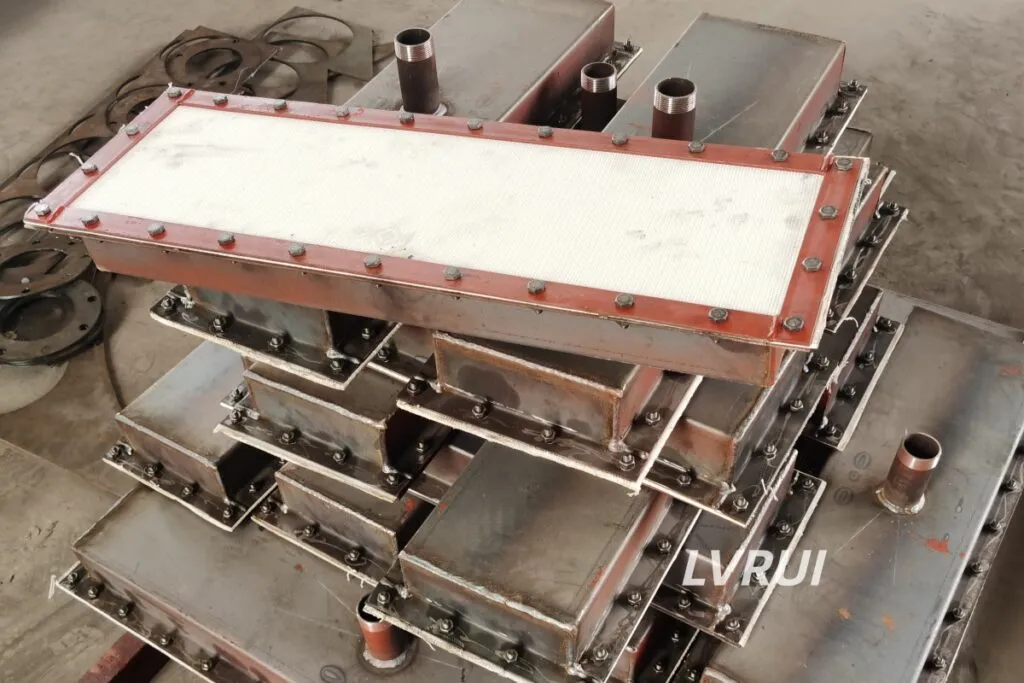
In cement silo applications, the placement design of aeration pads plays a decisive role in discharge stability and material flow behavior. Aeration pads for cement silos are specifically engineered to reduce internal friction, prevent arching, and ensure smooth and continuous discharge from silo cones.
Uneven distribution of aeration pads can result in localized fluidization zones, unstable discharge rates, or excessive air injection near the outlet. Therefore, understanding how aeration pads interact with silo geometry and material flow patterns is essential for effective system design.
In practice, aeration pads placement design directly determines whether material flow inside the silo cone remains stable during continuous discharge.
2. Understanding Material Flow in Cement Silo Cones
Before designing aeration pad placement, it is important to understand how cement flows inside a silo cone.
Cement powder typically exhibits cohesive behavior, especially under high storage loads. In poorly designed systems, material tends to form stable arches or flow channels rather than moving uniformly. Aeration pads help reduce internal friction by introducing low-pressure air, but only when placed in zones where material stress and stagnation are most likely to occur.
These phenomena are closely related to silo flow patterns and discharge behavior, which are fundamental considerations in the engineering design of bulk material storage systems.
This is why aeration pads must be positioned according to flow mechanics rather than simple symmetry.
3. Typical Placement Zones in Cement Silo Cones
In practical engineering design, aeration pads are usually installed in the following areas:
- Lower cone section where material consolidation is highest
- Intermediate cone zones prone to stagnant material
- Areas above the discharge outlet to stabilize flow
- Transition zones between silo cone and downstream equipment
Proper placement ensures that fluidization energy is applied where it is most effective, rather than disturbing already flowing material.
4. Common Aeration Pad Layout Patterns
Several placement patterns are commonly used in cement silo cones:
Circumferential Ring Layout
Aeration pads are evenly distributed around the cone circumference at one or more elevation levels. This layout promotes balanced fluidization and is suitable for medium to large silos.
Staggered Multi-Level Layout
Pads are installed in alternating positions across multiple vertical levels. This approach improves coverage in tall or steep cones and helps prevent vertical flow channeling.
Targeted Zone Layout
Pads are concentrated in known problem areas based on operational experience. This method is often used in retrofit projects or silos with persistent discharge issues.
Each layout must be adapted to silo size, cone angle, and cement properties.
5. Key Factors Influencing Placement Design
Several factors should be evaluated when determining aeration pad placement:
- Cone angle and silo geometry
- Cement bulk density and particle size
- Moisture sensitivity of stored material
- Discharge rate requirements
- Integration with downstream conveying equipment
For systems feeding into air slide conveyor for cement powder conveying
a balanced and gradual fluidization profile is essential to maintain stable material flow.
In practical engineering projects, aeration pads placement design should always be adapted to silo geometry and material flow behavior.
6. Avoiding Common Placement Mistakes
Improper aeration pad placement can introduce new problems instead of solving existing ones. Common mistakes include:
✔ Installing pads too close to the outlet, causing uncontrolled flow
✔ Excessive pad density leading to over-fluidization
✔ Uneven spacing resulting in asymmetric discharge
✔ Ignoring cone angle and material behavior
✔ Applying uniform layouts without considering silo-specific conditions
Correct placement design should always prioritize flow stability over maximum air injection.
7. Coordination with Silo Discharge Equipment
Aeration pads do not operate independently. Their placement must be coordinated with downstream devices such as cement silo discharge flow control gate
Proper coordination reduces mechanical stress on discharge valves and ensures smooth transition from storage to conveying systems. Well-designed aeration pad layouts significantly extend equipment service life and reduce unplanned shutdowns.
8. Best Practice Recommendations
Based on field experience and engineering principles, the following best practices are recommended:
✔ Place aeration pads in zones of highest material consolidation
✔ Use multiple levels for large or steep silo cones
✔ Maintain symmetrical layouts unless solving specific flow issues
✔ Adjust air pressure rather than adding more pads
✔ Validate placement during commissioning and operation
These practices help achieve consistent discharge performance and long-term system reliability.
9. Conclusion
The placement design of aeration pads in cement silo cones plays a decisive role in discharge stability and system efficiency. Rather than increasing pad quantity, engineers should focus on strategic positioning based on material flow behavior and silo geometry. When properly designed, aeration pad placement significantly enhances silo performance and supports reliable downstream conveying operations.
From a system engineering perspective, aeration pads placement design is essential for ensuring long-term discharge stability and reliable operation of cement silo cone systems.
Indonesian Short Version
Penempatan aeration pads pada kerucut silo semen sangat menentukan kestabilan aliran material saat proses pengosongan. Dengan menempatkan aeration pads pada zona tekanan material tertinggi dan menyesuaikan dengan geometri silo, sistem dapat bekerja lebih efisien, stabil, dan tahan lama. Desain penempatan yang tepat juga membantu melindungi peralatan pelepasan dan sistem pengangkutan pneumatik di hilir.
Need professional guidance on aeration pad placement design for your cement silo project?
Contact LVRUI today for expert technical support and fast quotation.
📧 Email: info@lvrui-conveyor.com
🌐 Website: https://www.lvrui-conveyor.com