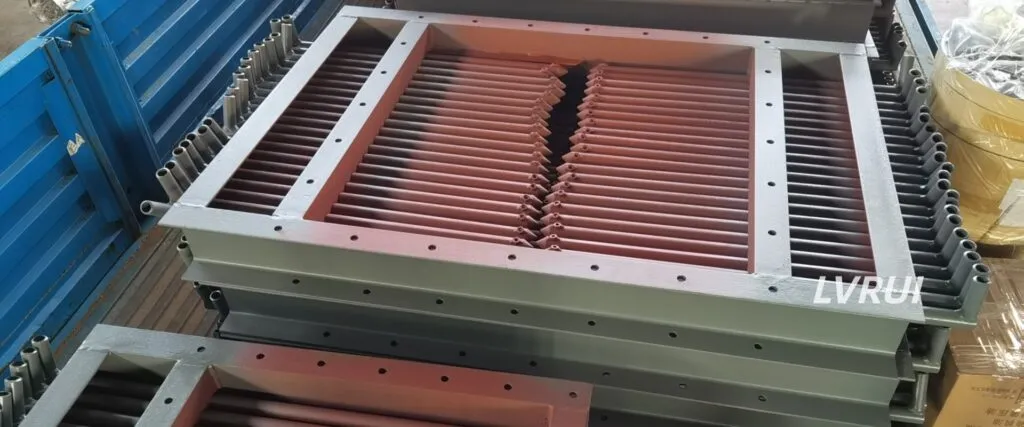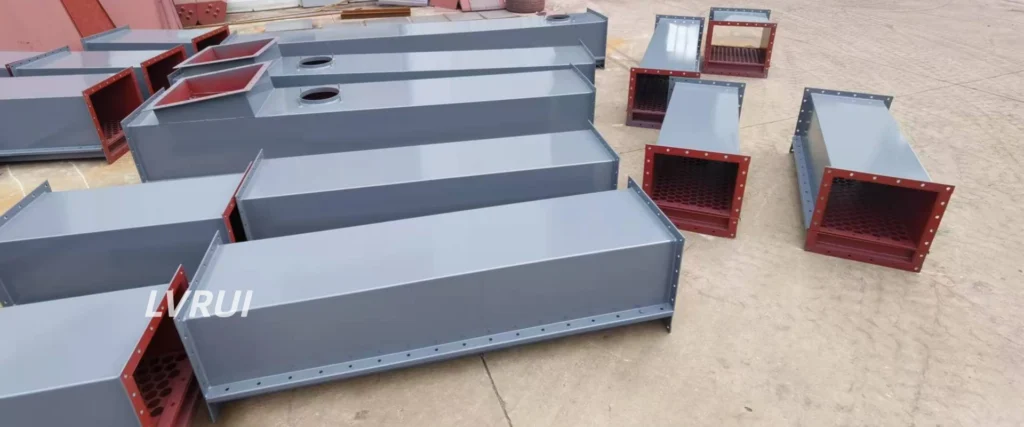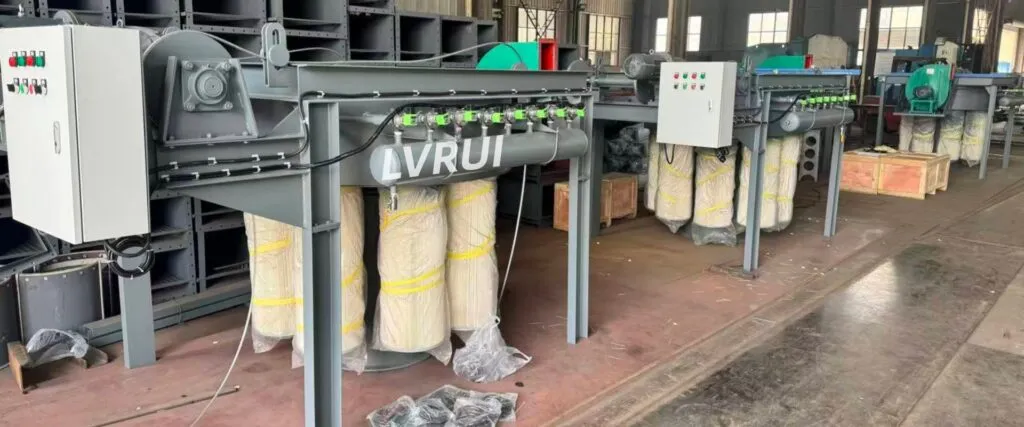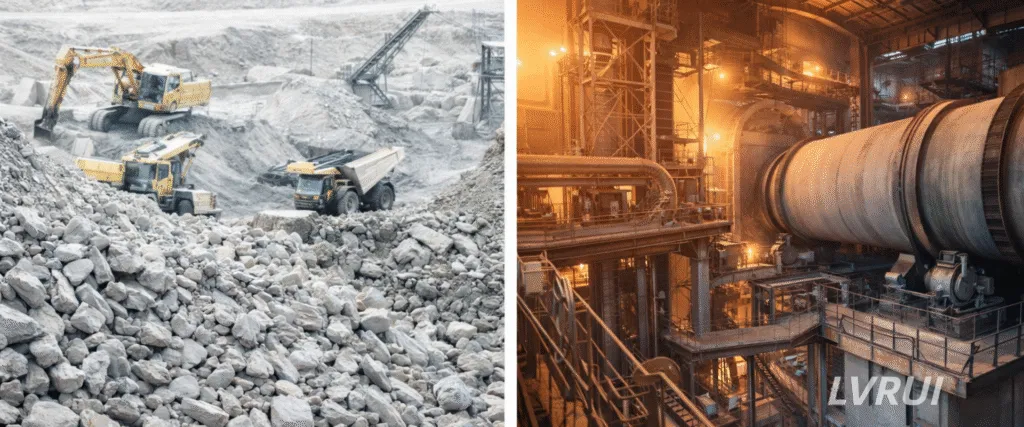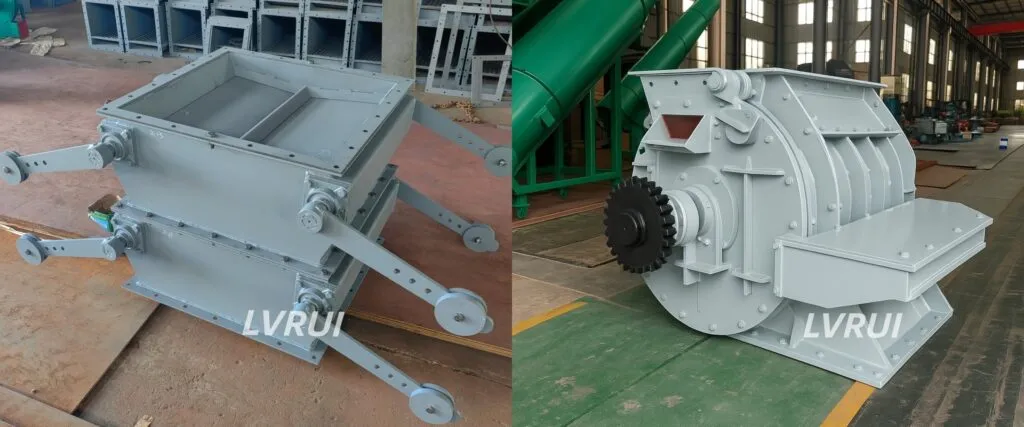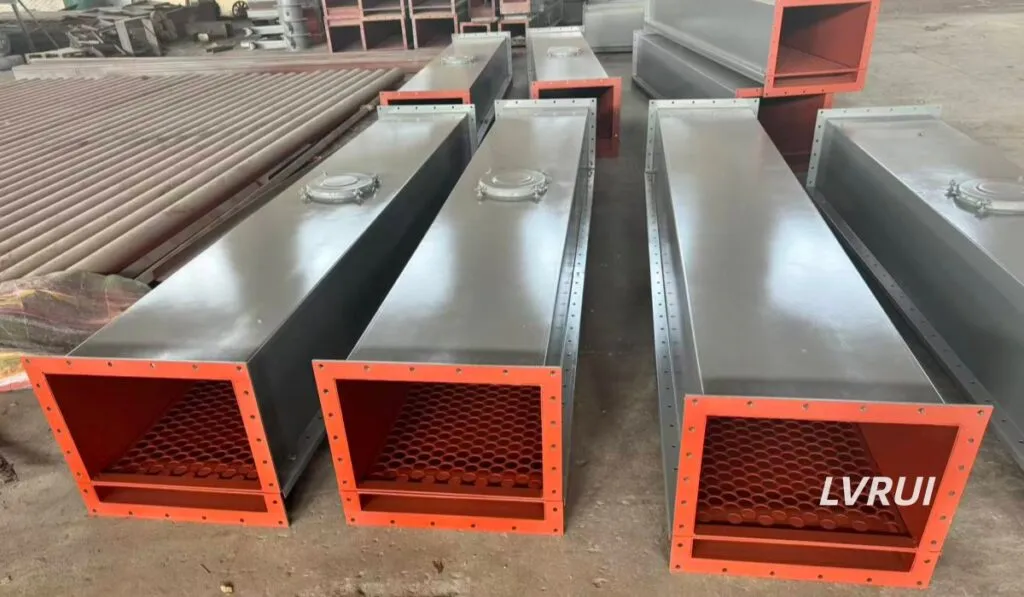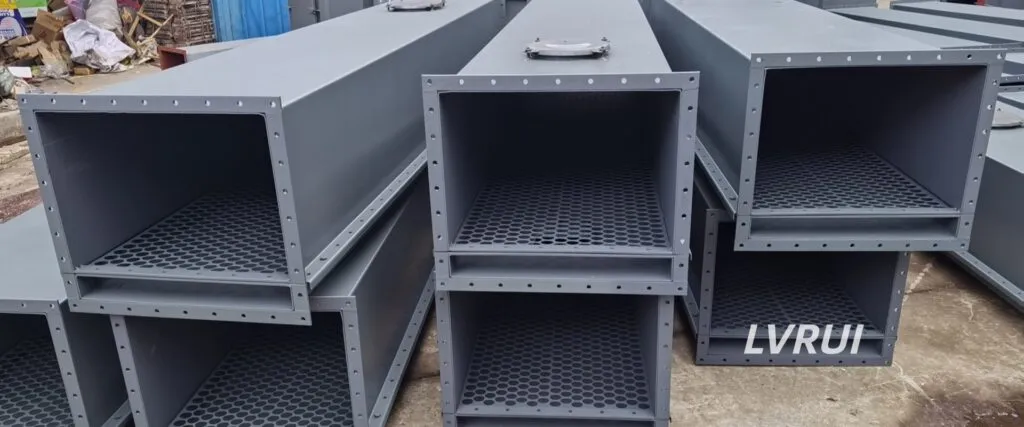
Bulk material handling systems used for conveying cement, fly ash, and industrial powders

What Is Bulk Material Handling? Systems, Equipment, and Applications Explained

Bulk material handling refers to the process of storing, conveying, controlling, and loading large volumes of bulk solids such as cement, fly ash, limestone, clinker, grain, and other powders or granular materials.
This article explains what bulk material handling is, the main system components, commonly used equipment, and key industrial applications—helping engineers and plant operators choose reliable and efficient material handling solutions.

What Is Bulk Material Handling? Systems, Equipment, and Applications Explained Read More »

Damper valve used for airflow control in cement plant duct and ventilation systems by LVRUI

How to Select the Right Damper Valve for Cement Plant Airflow Control

Damper valves play a critical role in cement plant airflow control systems, directly affecting process stability, energy efficiency, and dust control performance. This article provides a practical engineering guide to selecting the right damper valve for cement plants, covering key factors such as operating temperature, dust load, sealing performance, and actuation methods. By understanding different damper valve types and application requirements, engineers can achieve reliable airflow regulation and long-term operational efficiency.

How to Select the Right Damper Valve for Cement Plant Airflow Control Read More »

Lump breaker for bulk material handling to prevent blockages

Top 7 Common Problems Caused by Lumps in Bulk Materials (And How Lump Breakers Solve Them)

Lumps and agglomerates in bulk materials are a common but often underestimated problem in industries such as cement, mining, power generation, and chemical processing. These lumps can cause blockages, uneven material flow, equipment damage, and even production shutdowns.
This article explains 7 common problems caused by lumps in bulk materials and shows how lump breakers effectively solve these issues, improving system reliability and operational efficiency.

Top 7 Common Problems Caused by Lumps in Bulk Materials (And How Lump Breakers Solve Them) Read More »

Pneumatic vs motorized flow control gate comparison – LVRUI

Pneumatic Flow Control Gate vs Motorized Flow Control Gate: Which One Should You Choose?

Pneumatic and motorized flow control gates are both widely used in cement plants and bulk material handling systems, but they serve different operational needs. Selecting the wrong type can result in unstable flow, excessive wear, dust leakage, and higher operating costs. This article provides a clear technical comparison between pneumatic flow control gates and motorized flow control gates, helping engineers and plant managers choose the most suitable solution based on control accuracy, response speed, maintenance, and application requirements.

Pneumatic Flow Control Gate vs Motorized Flow Control Gate: Which One Should You Choose? Read More »

U-type screw conveyor for cement and powder material handling

Air Slide Conveyor vs Screw Conveyor – Which One to Choose for Cement Plants?

Choosing the right conveying equipment is critical for cement plants handling fine powders such as cement, fly ash, and limestone. Air slide conveyors and screw conveyors are two of the most commonly used systems, each with distinct working principles, advantages, and application scenarios. This article compares air slide conveyors and screw conveyors in terms of energy consumption, material suitability, installation layout, and maintenance requirements—helping cement plant engineers select the most efficient solution for their process line.

Air Slide Conveyor vs Screw Conveyor – Which One to Choose for Cement Plants? Read More »

Common problems of air slide conveyor including poor material flow, dust leakage, and clogging in cement powder handling systems – LVRUI

Common Problems of Air Slide Conveyors (And How to Fix Them)

Air Slide Conveyors are widely used in cement plants and bulk material handling systems due to their low energy consumption, dust-free operation, and simple structure. However, improper design, incorrect operating parameters, or unsuitable materials can cause frequent operational problems. This article explains the most common air slide conveyor problems, their root causes, and proven engineering solutions to ensure stable, efficient powder conveying performance.

Common Problems of Air Slide Conveyors (And How to Fix Them) Read More »

Aeration pad installed in cement silo cone to improve powder flow and prevent blockage

Aeration Pad vs Aeration Box: What’s the Difference in Cement Silo Applications?

In cement and bulk material handling industries, the terms aeration pad and aeration box are often used interchangeably, which can cause confusion for engineers and procurement teams. This article explains the technical differences, naming conventions, and typical applications of aeration pads and aeration boxes in cement silos, fly ash storage, and powder discharge systems.

Aeration Pad vs Aeration Box: What’s the Difference in Cement Silo Applications? Read More »

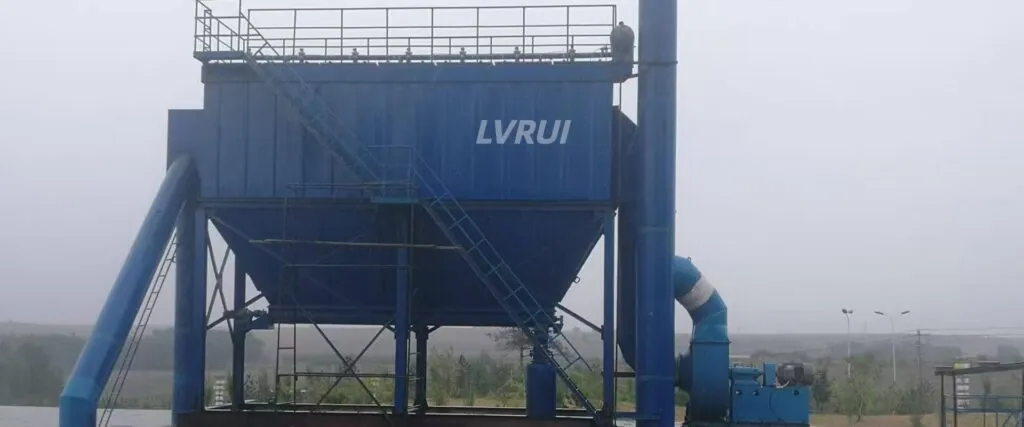
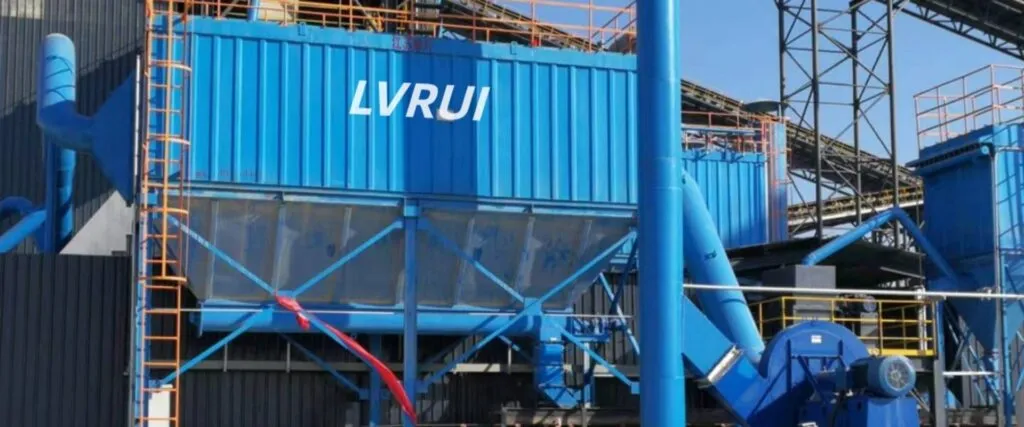
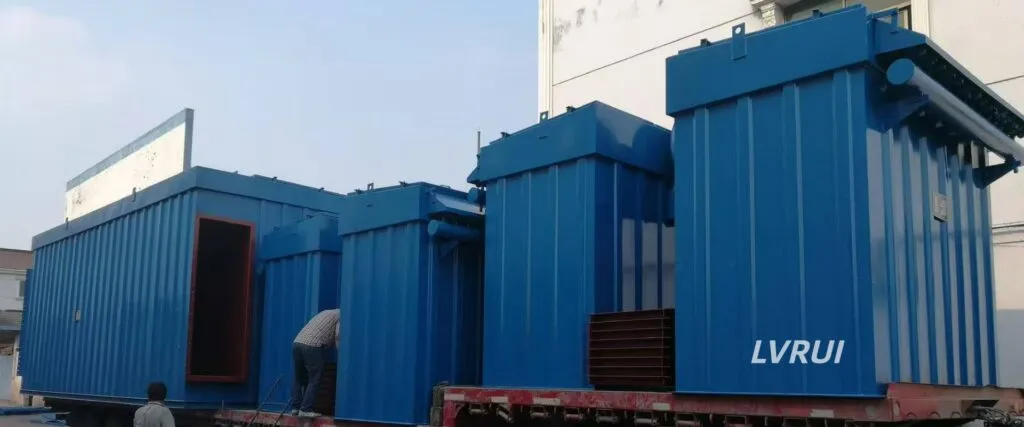
Industrial bag filter system for dust collection in cement and bulk material handling plants

How to Select the Right Bag Filter System for Industrial Dust Control

Bag filter systems are widely used for industrial dust collection in cement plants, bulk material handling facilities, and high-dust industrial environments. However, selecting the right bag filter is not simply about filtration efficiency—it requires a comprehensive evaluation of dust characteristics, operating temperature, airflow volume, and system integration.

This article provides an engineering-oriented guide to selecting industrial bag filter systems, helping plant operators achieve stable dust control, long filter bag service life, and compliance with environmental emission standards.

How to Select the Right Bag Filter System for Industrial Dust Control Read More »

LVRUI bulk material handling equipment displayed in factory with Christmas decoration

Christmas Reflections: Keeping Bulk Material Handling Systems Running Smoothly During the Holiday Season

As Christmas approaches, many industrial plants continue operating to meet production demands. Reliable bulk material handling equipment—such as flow control gates, diverter valves, air slide conveyors, and telescopic loading chutes—plays a critical role in maintaining safe, efficient, and uninterrupted operations during the holiday season. This article reflects on the importance of stable material flow solutions and how well-designed equipment helps industries operate smoothly, even during festive downtime.

Christmas Reflections: Keeping Bulk Material Handling Systems Running Smoothly During the Holiday Season Read More »

How Air Slide Conveyors Work – Air Gravity Principle Explained

Air slide conveyors use the air gravity principle to transport fine powder materials such as cement, fly ash, and limestone with extremely low energy consumption. This article explains how air slide conveyors work, the science behind air gravity conveying, the role of air slide fabric, key operating conditions, and why this technology is widely used in cement plants and bulk material handling systems.

How Air Slide Conveyors Work – Air Gravity Principle Explained Read More »

Heavy duty industrial butterfly valve for bulk material handling and airflow regulation

Butterfly Damper Valve vs Slide Gate Valve – When to Use Which?

Butterfly damper valves and slide gate valves are both widely used in bulk material handling systems, but they serve very different functions. This article provides a clear engineering comparison between butterfly damper valves and slide gate valves, explaining their working principles, advantages, limitations, and typical applications. By understanding material characteristics, sealing requirements, and flow control accuracy, engineers can select the right valve to improve system efficiency, reliability, and operational safety.

Butterfly Damper Valve vs Slide Gate Valve – When to Use Which? Read More »