Working Principle, Selection Tips, Capacity, Applications and Maintenance Guide
Panduan Air Slide Conveyor untuk Pabrik Semen dan Sistem Powder Handling
Introduction
Air slide conveyor guide is a common search topic for cement plants, grinding stations, fly ash storage systems and dry powder handling projects. An air slide conveyor is widely used when dry, fine and free-flowing powder needs to be transported continuously through an enclosed chute with low mechanical wear.
In cement and bulk powder systems, the wrong conveyor selection can cause blockage, unstable feeding, dust leakage, high maintenance cost or poor system efficiency. This guide explains the working principle, main components, suitable materials, selection factors, common problems and practical applications of air slide conveyors.
If you are choosing a conveying system for cement powder, fly ash, lime powder, raw meal or mineral fines, this article will help you understand when an air slide conveyor is suitable and when another solution may be required.
What Is an Air Slide Conveyor?
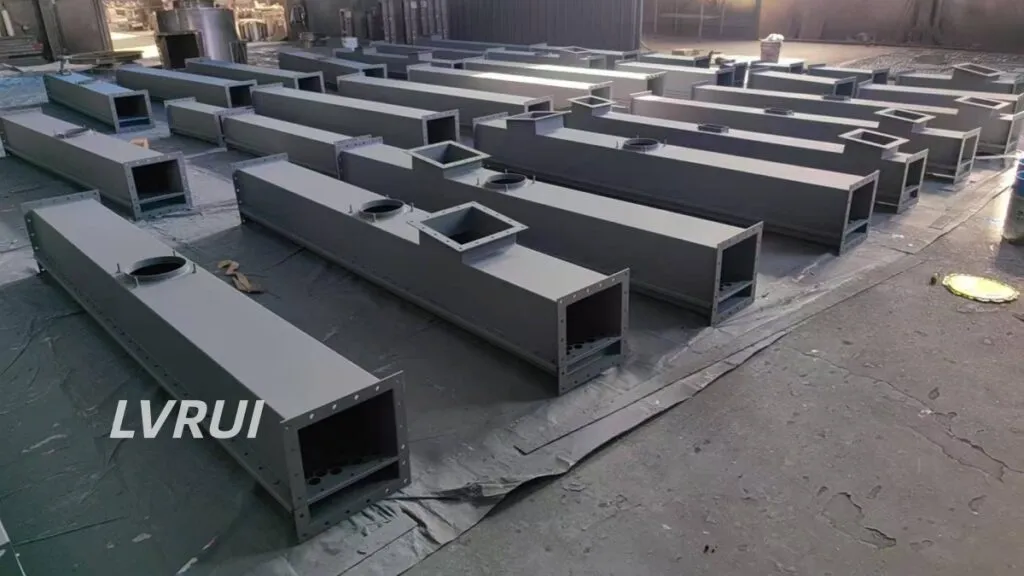
An air slide conveyor is a low-pressure air fluidized conveying system used to move dry, fine and free-flowing powders through an enclosed chute. It is commonly used in cement plants, fly ash handling systems, grinding stations, silo discharge lines, packing systems and bulk loading systems.
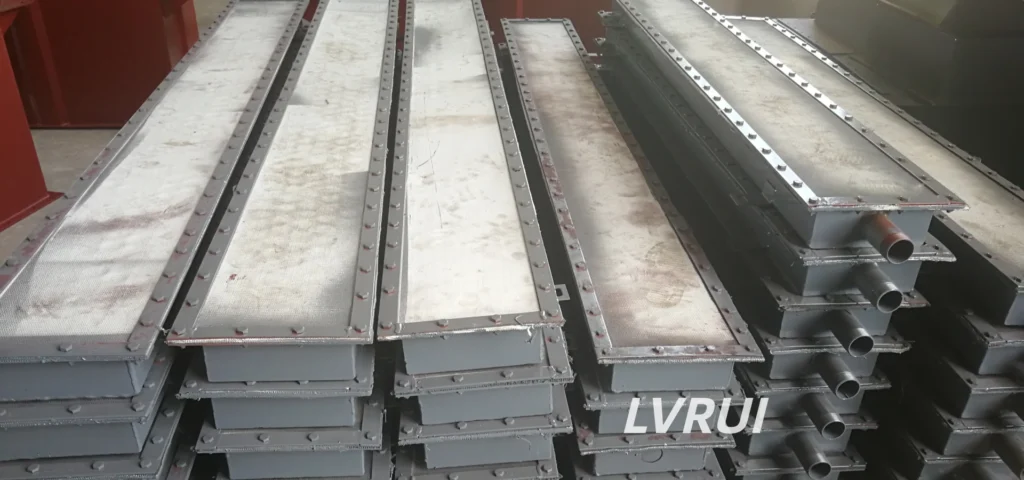
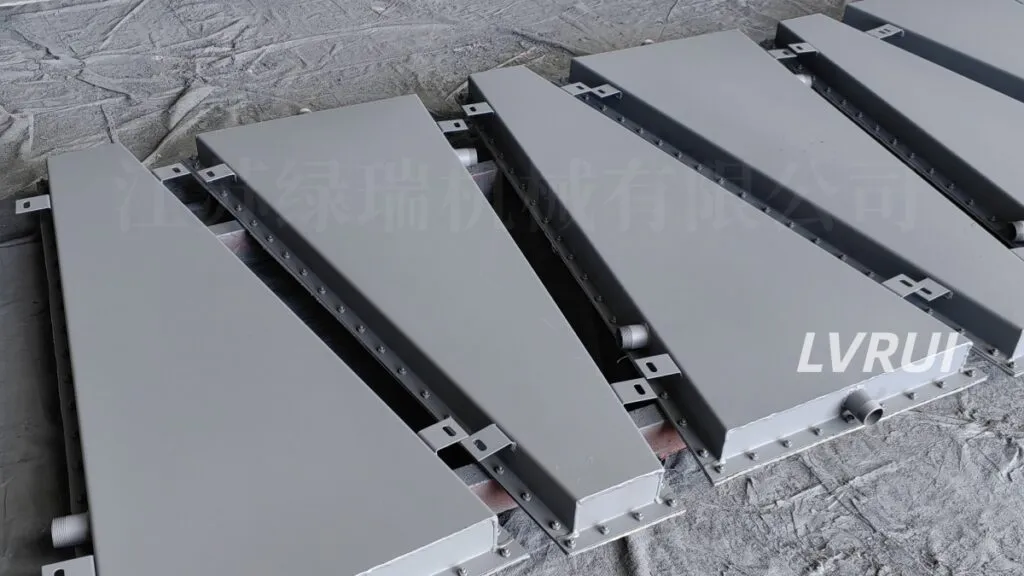
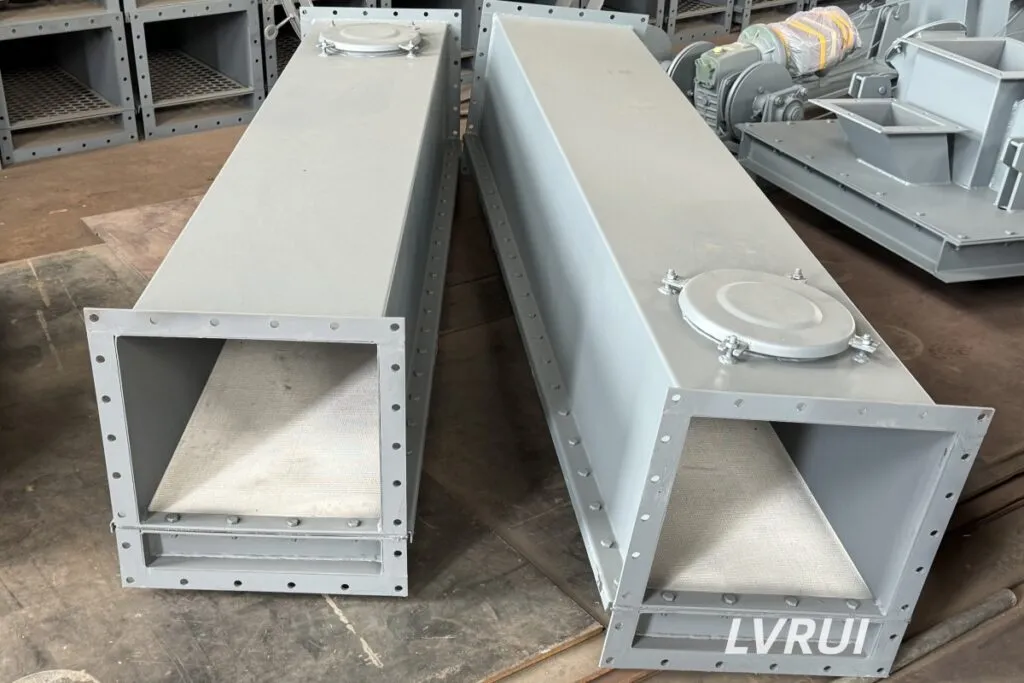
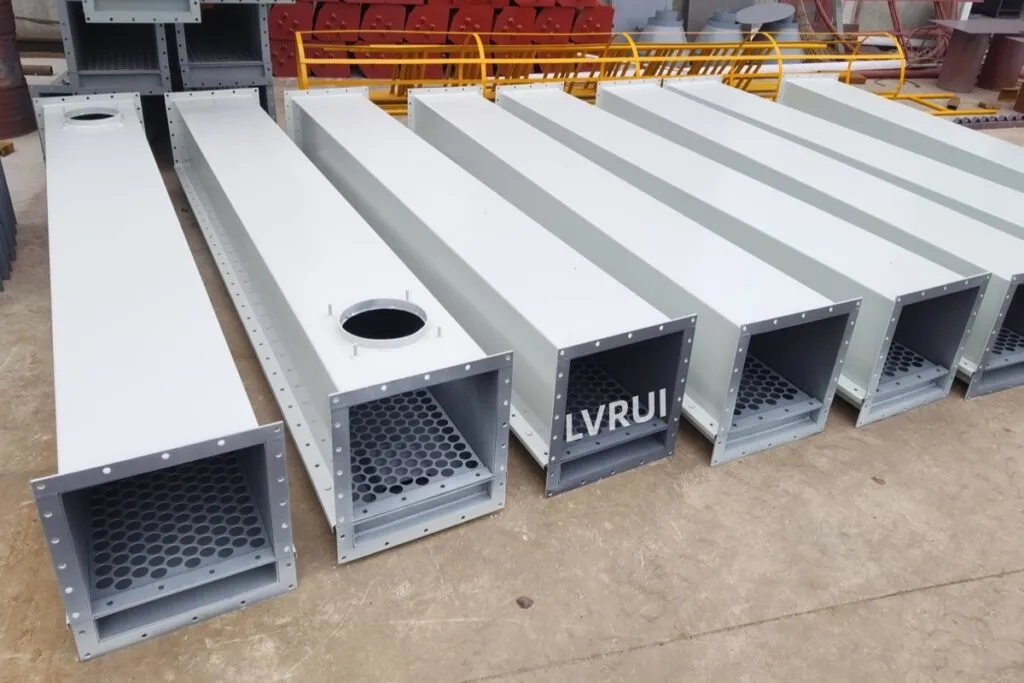
The system usually consists of an upper material chamber, a lower air chamber, air slide fabric, chute body, low-pressure blower, inlet, outlet and inspection sections. Low-pressure air passes through the air slide fabric and fluidizes the powder above it. With a slight downward slope, the material flows along the chute by gravity.
Air slide conveyors are different from screw conveyors and belt conveyors. They have no screw blade, belt or moving part inside the conveying chamber. This makes them suitable for continuous dry powder conveying where low wear, enclosed transfer and stable material flow are important.
Typical applications include:
✅ Cement powder conveying
✅ Fly ash transfer
✅ Raw meal transport
✅ Lime powder conveying
✅ Grinding station material transfer
✅ Cement silo discharge systems
✅ Silo-to-silo powder conveying
✅ Silo-to-packing machine conveying
✅ Silo-to-bulk loading system conveying
✅ Dry mineral powder transfer
This air slide conveyor guide focuses on practical selection factors for cement, fly ash and dry fine powder handling systems.
See:Flow Control Gates and Aeration pads
How Does an Air Slide Conveyor Work?
An air slide conveyor works by using low-pressure air to fluidize powder through air slide fabric. The fabric separates the upper material chamber from the lower air chamber. When air enters the lower chamber and passes evenly through the fabric, the dry powder above the fabric becomes fluidized and flows along the chute.In this air slide conveyor guide, the working principle is explained from air supply, fabric fluidization, chute slope and powder flow behavior.
The chute is installed at a slight downward angle. Once the material is fluidized, gravity helps move the powder from the inlet to the outlet. This design reduces mechanical contact and allows dry powder to move smoothly through an enclosed conveying line.
The basic working process is:
✅ Material enters the upper chamber from the inlet.
✅ Low-pressure air enters the lower air chamber.
✅ Air passes through the air slide fabric evenly.
✅ Dry powder becomes fluidized above the fabric.
✅ The powder flows along the slightly inclined chute.
✅ Material discharges from the outlet into downstream equipment.
The performance of an air slide conveyor depends on several factors, including air volume, air pressure, chute slope, material moisture, powder fineness, fabric condition, inlet design and outlet sealing.
If the air supply is insufficient, the fabric is blocked, or the material is too wet, the powder may not fluidize properly. This can cause poor flow, uneven discharge or blockage.
Main Components of an Air Slide Conveyor
A complete air slide conveyor guide should explain each major component because chute performance depends on the full system, not only the chute body.
| Component | Function |
|---|---|
| Upper chute chamber | Carries the fluidized powder material. |
| Lower air chamber | Distributes low-pressure air under the fabric. |
| Air slide fabric | Allows air to pass through evenly and supports the material layer. |
| Chute body | Provides enclosed conveying structure. |
| Low-pressure blower | Supplies air for powder fluidization. |
| Inlet section | Receives material from silo, hopper or upstream equipment. |
| Outlet section | Discharges material into downstream equipment. |
| Inspection cover | Allows checking, cleaning and maintenance. |
| Sealing parts | Help reduce dust leakage at joints and transfer points. |
| Support frame | Holds the chute at the required slope and position. |
Among these components, air slide fabric is one of the most important wear parts. It directly affects air distribution and powder fluidization. If the fabric is damaged, blocked or unevenly installed, conveying performance will be affected.
References:
- DryBulk International – Bulk Powder Handling
- CEMA Conveyor Standards
- Global Cement Magazine – Industry Trends
Suitable and Unsuitable Materials
Air slide conveyors are suitable for dry, fine and fluidizable powder materials. They are not suitable for every bulk solid. Before choosing this system, the material condition must be checked carefully.This part of the air slide conveyor guide is important because material condition is usually the first reason for success or failure.
| Suitable Materials | Not Recommended |
|---|---|
| Cement powder | Wet powder |
| Fly ash | Sticky material |
| Lime powder | Large lumps |
| Raw meal | Coarse aggregate |
| Gypsum powder | High-moisture powder |
| Limestone powder | Irregular granular material |
| Mineral fines | Materials that cannot be fluidized |
| Other dry fine powders | Materials with serious caking problems |
The most important condition is fluidization. If the material can be fluidized by low-pressure air, an air slide conveyor can be a good choice. If the material is wet, sticky, coarse or lumpy, the system may not work properly.
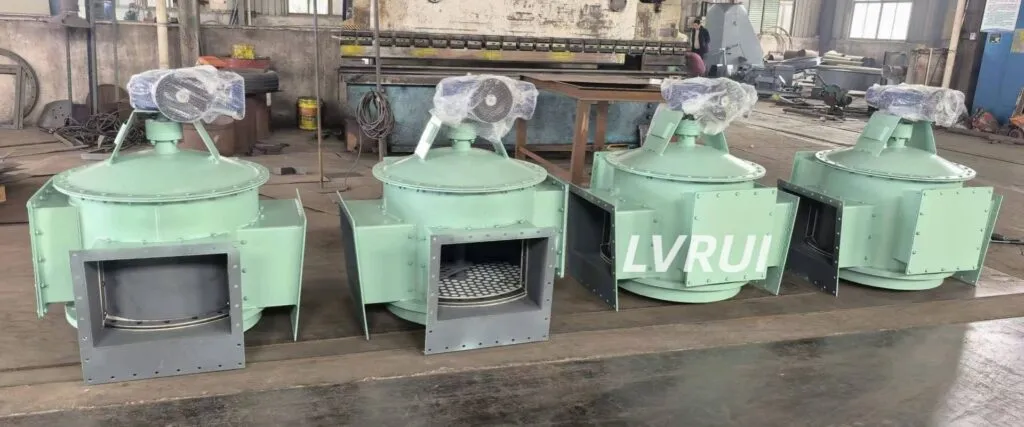
For materials with occasional lumps, a lump breaker may be required before the air slide conveyor to protect the chute and fabric from blockage.
Advantages of Air Slide Conveyors
Air slide conveyors are widely used in cement and powder handling systems because they offer several practical advantages.
✅ Low mechanical wear because there are no moving parts inside the conveying chamber
✅ Enclosed conveying structure helps reduce powder leakage when properly sealed
✅ Suitable for continuous cement powder and fly ash conveying
✅ Lower energy consumption for suitable dry powder applications
✅ Simple structure and relatively easy maintenance
✅ Good for long-distance powder conveying in cement plants
✅ Suitable for silo discharge, packing systems and bulk loading lines
✅ Can work with flow control gates, diverters, bag filters and loading systems
The biggest advantage is low mechanical wear. Unlike screw conveyors, there is no screw blade pushing material through the chamber. This makes air slide conveyors useful for dry powder transport over longer routes.
However, these advantages only apply when the material is suitable. If powder moisture is high or the air slide fabric becomes blocked, performance will decline.
Limitations of Air Slide Conveyors
An air slide conveyor is not suitable for every conveying condition. Understanding its limitations helps avoid wrong selection.
| Limitation | Explanation |
|---|---|
| Requires dry powder | Wet or sticky material may block the fabric and reduce fluidization. |
| Needs suitable slope | The chute normally requires a slight downward angle for gravity flow. |
| Not for large lumps | Oversized lumps may block the chute or damage the fabric. |
| Not for coarse aggregate | Coarse particles may not fluidize properly. |
| Requires air supply | Low-pressure air must be stable and evenly distributed. |
| Fabric condition matters | Blocked or damaged fabric can cause poor flow. |
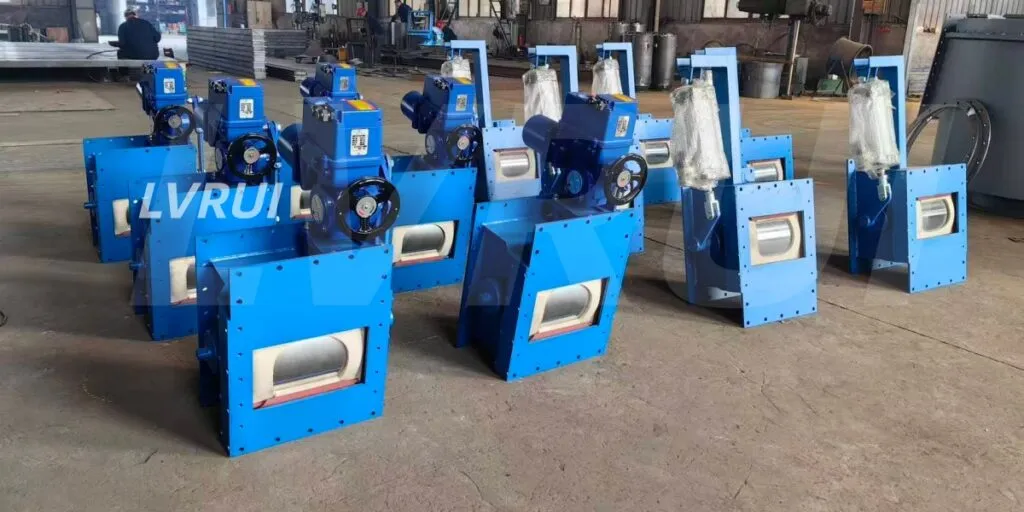
| Not ideal for precise dosing | Additional flow control equipment may be needed. |
This is why air slide conveyor selection should always start from material condition, conveying route and process purpose.
Air Slide Conveyor Technical Specifications
The following table is for preliminary reference only. Actual capacity depends on material type, bulk density, moisture condition, chute slope, air supply, inlet design and system layout.
| Slide Model | AS200 | AS250 | AS315 | AS400 | AS500 | AS630 | AS800 |
|---|---|---|---|---|---|---|---|
| Capacity at 4° – Cement | 22 t/h | 40 t/h | 70 t/h | 130 t/h | 220 t/h | 320 t/h | 400 t/h |
| Capacity at 4° – Raw Material | 16 t/h | 30 t/h | 55 t/h | 100 t/h | 165 t/h | 245 t/h | 310 t/h |
| Capacity at 6° – Cement | 40 t/h | 65 t/h | 120 t/h | 250 t/h | 400 t/h | 610 t/h | 765 t/h |
| Capacity at 6° – Raw Material | 30 t/h | 55 t/h | 90 t/h | 185 t/h | 300 t/h | 455 t/h | 565 t/h |
| Capacity at 8° – Cement | 50 t/h | 80 t/h | 140 t/h | 300 t/h | 470 t/h | 720 t/h | 900 t/h |
| Capacity at 8° – Raw Material | 35 t/h | 65 t/h | 110 t/h | 225 t/h | 355 t/h | 540 t/h | 670 t/h |
Final model selection should be confirmed according to project drawings, material properties, required capacity and installation conditions.
How to Select & Design an Air Slide Conveyor
This section is the most important part of this air slide conveyor guide. A suitable air slide conveyor should be selected based on material behavior, conveying distance, capacity, chute slope and system layout.
| Selection Factor | What to Check | Why It Matters |
|---|---|---|
| Material type | Cement, fly ash, lime powder, raw meal | Different powders have different fluidization behavior. |
| Moisture content | Dry, slightly wet or sticky | Wet powder may block fabric and reduce flow. |
| Bulk density | t/m³ or kg/m³ | Affects capacity and air requirement. |
| Required capacity | t/h | Determines chute width and air volume. |
| Conveying distance | m | Affects chute layout and air distribution. |
| Chute slope | Usually slight downward angle | Slope affects material flow speed. |
| Inlet quantity | Single or multiple feeding points | Affects feeding stability and distribution. |
| Outlet quantity | Single or multiple discharge points | Affects diverter and discharge design. |
| Air supply | Blower or Roots fan | Determines fluidization performance. |
| Downstream equipment | Silo, packing machine, bulk loader, conveyor | Affects outlet design and sealing. |
| Dust control requirement | Standard or enhanced sealing | Important for plant environment and maintenance. |
| Layout drawing | Available or not | Helps confirm installation feasibility. |
A wrong selection may lead to insufficient capacity, unstable flow, poor dust control or frequent blockage. If the material has high moisture, large lumps or poor fluidization behavior, additional equipment such as lump breakers, aeration pads or flow control gates may be needed.
Information Needed Before Selection
Before using this air slide conveyor guide for quotation preparation, collect the following project information. This helps engineers check whether an air slide conveyor is suitable and which model should be selected.
| Required Information | Example |
|---|---|
| Material name | Cement, fly ash, lime powder, raw meal |
| Bulk density | 1.0–1.4 t/m³ |
| Moisture condition | Dry, slightly wet, sticky |
| Required capacity | 50 t/h, 100 t/h, 300 t/h |
| Conveying distance | 10 m, 20 m, 40 m |
| Chute slope | 4°, 6°, 8° or site-limited angle |
| Inlet quantity | Single inlet or multiple inlets |
| Outlet quantity | Single outlet or multiple outlets |
| Air supply condition | Existing blower or new blower required |
| Installation space | Height, width and available route |
| Layout drawing | Available or not |
| Downstream equipment | Silo, bulk loader, packing machine, screw conveyor |
For replacement projects, photos of the existing chute, air slide fabric, inlet, outlet and installation route are also helpful.
Air Slide Conveyor vs Screw Conveyor
Air slide conveyors and screw conveyors are both used in cement and powder handling systems, but they are suitable for different applications.
| Feature | Air Slide Conveyor | Screw Conveyor |
|---|---|---|
| Conveying principle | Low-pressure air fluidization and gravity flow | Mechanical screw rotation |
| Best material | Dry, fine and fluidizable powder | Powder, granules and controlled feeding materials |
| Moving parts | No moving parts inside conveying chamber | Screw blade, shaft, bearings and drive |
| Maintenance | Low for suitable dry powder | Higher due to mechanical wear |
| Dust control | Good when enclosed and properly sealed | Good when inlet, outlet and shaft seals are maintained |
| Energy use | Low for continuous powder transport | Medium to high depending on length, load and inclination |
| Best application | Long-distance cement or fly ash conveying | Short-distance feeding, dosing and silo discharge |
| Limitation | Not suitable for wet, sticky or lumpy materials | More mechanical wear and higher maintenance demand |
If the material is dry, fine and easy to fluidize, an air slide conveyor is often more efficient for continuous powder conveying over longer routes. For short-distance controlled feeding, dosing or silo discharge, a screw conveyor may still be more suitable.
Common Applications in Cement Plants
Air slide conveyors are widely used in cement plants and dry powder handling systems.
Cement Silo Discharge
Air slide conveyors can be used to move cement powder from silo outlets to downstream equipment. When used with proper valves, aeration and dust collection, they support stable powder discharge.
Grinding Station Material Transfer
In grinding stations, air slide conveyors are used to transfer cement powder or raw meal between equipment sections. The enclosed chute structure helps reduce material loss and mechanical wear.
Fly Ash Handling
Fly ash is usually dry and fine, which makes it suitable for air slide conveying when moisture is controlled. The system can be used for storage, transfer and loading lines.
Packing and Bulk Loading Systems
Air slide conveyors can transport powder to packing machines, bulk loaders or loading spouts. The outlet design should match the downstream equipment and dust collection system.
Silo-to-Silo Powder Transfer
When powder needs to move between silos or bins, air slide conveyors can provide enclosed and low-wear conveying for suitable dry materials.
Common Problems and Solutions
This air slide conveyor guide also covers common problems because most failures are related to air supply, fabric condition, material moisture or installation layout.
Even a properly selected air slide conveyor may face problems if material condition, air supply or installation is not suitable.
| Problem | Possible Cause | Suggested Solution |
|---|---|---|
| Poor material flow | Insufficient air supply or blocked fabric | Check blower, air chamber and fabric condition. |
| Chute blockage | Wet, sticky or lumpy material | Check moisture and consider pretreatment. |
| Uneven discharge | Poor inlet feeding or uneven air distribution | Improve inlet design and air distribution. |
| Dust leakage | Poor sealing at joints or inspection covers | Improve sealing and check transfer points. |
| Fabric damage | Abrasion, incorrect installation or aging | Replace fabric and check material condition. |
| High air consumption | Leakage or wrong air pressure setting | Check air chamber sealing and blower setting. |
| Low capacity | Chute too small or slope insufficient | Recheck model, slope and capacity requirement. |
| Material buildup | Moisture, poor flowability or dead zones | Improve layout and reduce material retention points. |
Most problems can be avoided by checking material moisture, slope angle, air supply and fabric condition during the design stage.
Maintenance Tips
Regular inspection helps keep the air slide conveyor running smoothly.
✅ Check air slide fabric condition regularly.
✅ Inspect blower operation and air pressure.
✅ Check air chamber for leakage or blockage.
✅ Keep inspection covers sealed properly.
✅ Check inlet and outlet transfer points.
✅ Remove material buildup during planned shutdowns.
✅ Replace damaged fabric before serious blockage occurs.
✅ Make sure the chute slope has not changed due to support movement.
The maintenance workload is usually lower than mechanical conveyors when the material is suitable and the system is properly installed.
Practical Project Example
The following is a typical reference configuration for a cement plant powder conveying line.
| Item | Reference Configuration |
|---|---|
| Material | Cement powder |
| Application | Silo-to-bulk loading system transfer |
| Conveying route | Enclosed air slide chute |
| Chute slope | Selected according to site layout |
| Air supply | Low-pressure blower |
| Downstream equipment | Bulk loader or loading spout |
| Dust control | Sealing components and dust collection equipment |
| Maintenance focus | Air slide fabric, air chamber and transfer points |
In this type of project, the air slide conveyor helps reduce mechanical contact during powder transfer and supports stable material flow when the powder is dry and fluidizable.
Avoid writing fixed performance claims such as “30% lower energy consumption” unless the project data is verified by actual records.
Conclusion
This air slide conveyor guide shows that air slide conveyors are suitable for dry, fine and free-flowing powders such as cement, fly ash, lime powder and raw meal. They are widely used in cement plants because they provide enclosed, low-wear and continuous powder conveying.
However, the system must be selected correctly. Material moisture, chute slope, air supply, fabric condition, conveying distance and downstream equipment all affect performance. For wet, sticky, coarse or lumpy materials, another conveying method or pretreatment equipment may be required.
For cement plants, grinding stations, fly ash systems and bulk loading lines, an air slide conveyor can be a reliable solution when the material is suitable and the system is properly designed.
FAQs About Air Slide Conveyor Guide
What does this air slide conveyor guide explain?
This air slide conveyor guide explains the working principle, suitable materials, technical selection factors, common problems and maintenance points of air slide conveyors used in cement, fly ash and dry powder handling systems.
How does an air slide conveyor work?
An air slide conveyor uses low-pressure air to pass through air slide fabric. The powder above the fabric becomes fluidized and moves along a slightly inclined chute by gravity. This air slide conveyor guide focuses on this fluidization principle because it directly affects conveying capacity and system stability.
What materials are suitable for an air slide conveyor?
Suitable materials include cement powder, fly ash, lime powder, raw meal, gypsum powder, limestone powder and other dry fine powders that can be fluidized properly. A key point in any air slide conveyor guide is that the material must be dry, fine and free-flowing.
Can an air slide conveyor handle wet cement?
No. Wet or sticky cement is not recommended because it may block the air slide fabric and reduce fluidization performance. This air slide conveyor guide recommends checking moisture condition before selecting chute width, air supply and conveying layout.
What causes poor flow in an air slide conveyor?
Poor flow may be caused by insufficient air supply, blocked air slide fabric, high material moisture, incorrect chute slope, poor sealing, uneven feeding or unsuitable material properties. In this air slide conveyor guide, these problems are mainly linked to air distribution, fabric condition and material fluidization.
What is the difference between air slide conveyor and screw conveyor?
An air slide conveyor uses low-pressure air and gravity to move dry powder, while a screw conveyor uses mechanical screw rotation. As explained in this air slide conveyor guide, air slide conveyors are better for longer dry powder conveying routes, while screw conveyors are better for short-distance controlled feeding and dosing.
What equipment is usually used with an air slide conveyor?
An air slide conveyor can work with flow control gates, air slide fabric, blowers, diverter valves, aeration pads, lump breakers, bag filters, bulk loaders and silo discharge systems. A complete air slide conveyor guide should consider these related components instead of looking at the chute alone.
How do I choose the right air slide conveyor size?
To choose the right size, check material name, bulk density, moisture content, required capacity, conveying distance, chute slope, inlet and outlet quantity, air supply and layout drawing. This air slide conveyor guide uses these factors to help avoid undersized chutes, poor flow and unstable discharge.
How often should air slide fabric be replaced?
Air slide fabric replacement depends on material abrasiveness, operating hours, air distribution and maintenance condition. If the fabric is blocked, damaged or causing poor flow, it should be inspected and replaced if necessary.
Is this air slide conveyor guide only for cement plants?
No. This air slide conveyor guide is mainly written for cement and fly ash systems, but the same selection principles can also apply to lime powder, raw meal, gypsum powder, limestone powder and other dry fine powder handling systems.
Is an air slide conveyor suitable for long-distance cement powder conveying?
Yes, if the material is dry, fine and easy to fluidize. For cement plants and fly ash systems, this air slide conveyor guide recommends air slide conveyors for longer enclosed powder conveying routes where low mechanical wear and stable continuous transport are required.
What does this air slide conveyor guide explain?
This air slide conveyor guide explains the working principle, suitable materials, technical selection factors, common problems and maintenance points of air slide conveyors used in cement, fly ash and dry powder handling systems.
Request an Air Slide Conveyor Solution?
Need help selecting an air slide conveyor for cement powder, fly ash, lime powder, raw meal or other dry fine materials?
Send us your material name, bulk density, moisture condition, required capacity, conveying distance, chute slope, installation layout and downstream equipment. LVRUI can help check whether an air slide conveyor is suitable for your project and recommend a practical configuration.
Website: https://lvrui-conveyor.com/
Email: info@lvrui-conveyor.com
WhatsApp / WeChat: +86-18261998937
Short Indonesian Version
Air slide conveyor adalah sistem conveying tertutup yang menggunakan udara bertekanan rendah untuk memindahkan material bubuk kering seperti semen, fly ash, lime powder dan raw meal. Sistem ini cocok untuk material halus, kering dan mudah terfluidisasi.
Dalam pabrik semen, air slide conveyor sering digunakan untuk transfer powder dari silo ke packing system, bulk loader, atau proses berikutnya. Keunggulannya adalah struktur tertutup, keausan mekanis rendah dan perawatan relatif sederhana.
Sebelum memilih air slide conveyor, periksa jenis material, moisture content, bulk density, kapasitas, jarak conveying, slope chute, kondisi air supply dan downstream equipment. Untuk material basah, lengket atau menggumpal, sistem ini biasanya tidak direkomendasikan tanpa pretreatment.