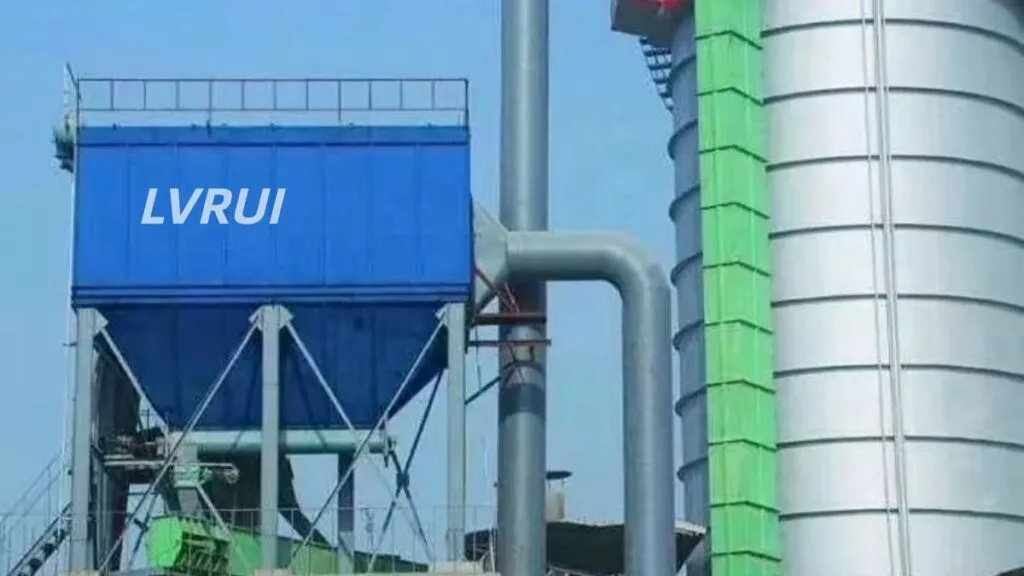
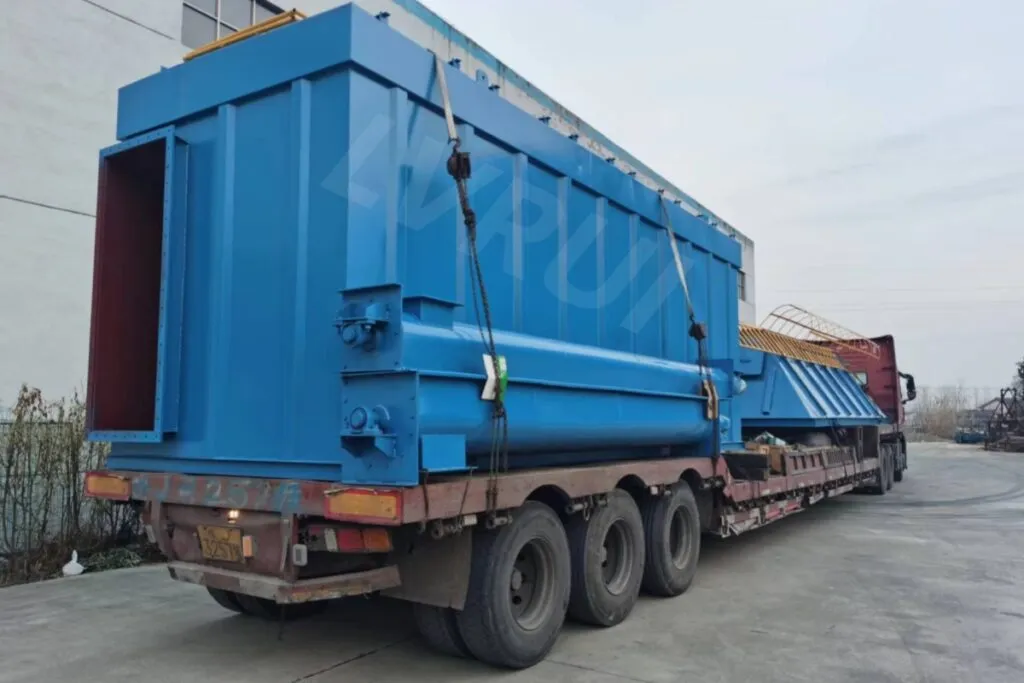
Mobile dust collection equipment for bagged cement truck loading, manual stacking, and warehouse loading areas
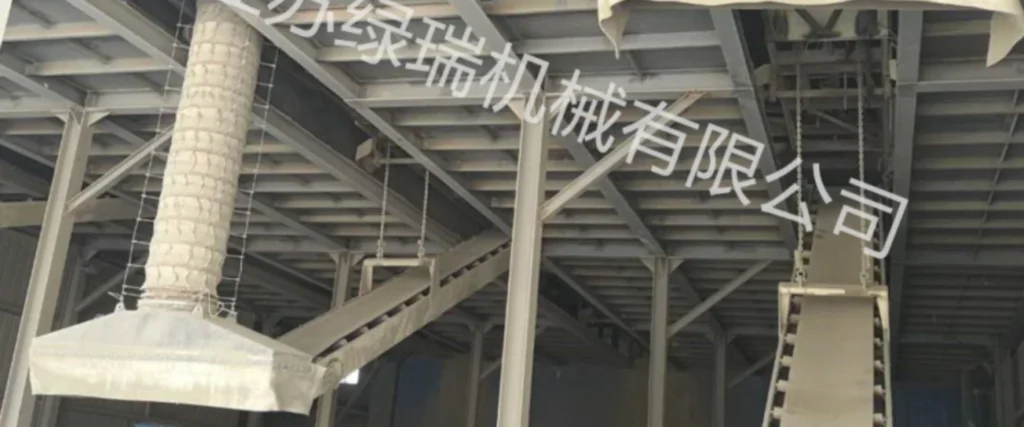
A mobile dust collector for bagged cement is designed for dust control during cement bag truck loading, manual bag handling, warehouse loading, and conveyor discharge. Unlike bulk cement loading, bagged cement loading does not always have one fixed dust point. Dust may appear wherever workers move, stack, throw, slide, or load cement bags.
This is why a normal fixed dust collection point may not be enough. In many cement plants, grinding stations, building material warehouses, and bagged cement distribution centers, the loading position changes with the truck, worker movement, conveyor end, and stacking method.
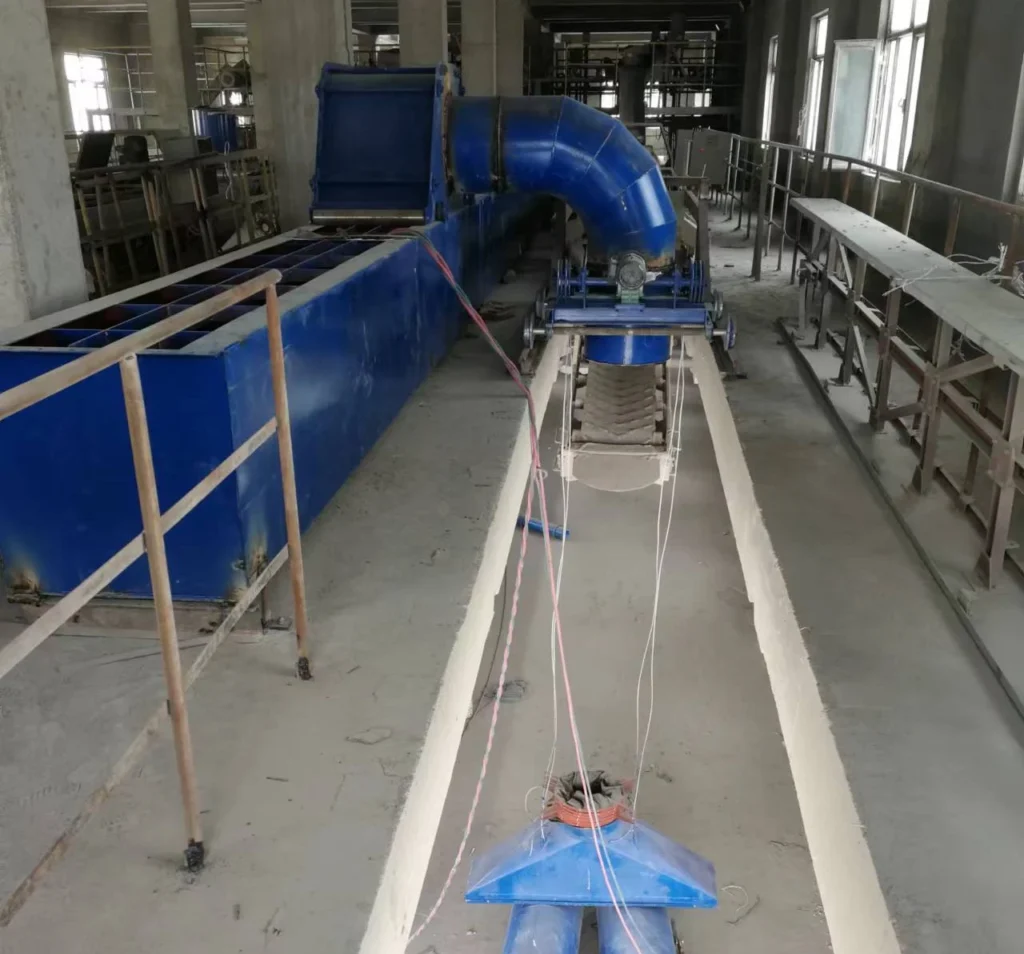
The dust removal device for the mobile bagged cement loading machine addresses this issue by positioning the dust collection hood close to the actual dust source. This system typically consists of a movable dust collection hood, retractable dust collection bags, a mobile air duct, a fixed air box, and a dust removal unit.
What Causes Dust During Bagged Cement Loading?
Bagged cement loading may seem cleaner than bulk cement loading, but dust is still common on site. Cement bags can carry fine powder on the surface, and damaged bags may leak during handling. When workers load bags onto trucks, dust can be released into the air.
Common dust sources include:
√ Fine cement powder attached to bag surfaces
√ Broken or leaking cement bags
√ Manual bag throwing or sliding
√ Conveyor discharge points
√ Bag stacking impact
√ Truck bed loading and rearrangement
√ Forklift movement near the loading area
√ Dust from old or damaged packaging
√ Airflow in semi-open loading platforms
The main challenge is that the dust source is flexible. One moment it may be near the conveyor end, and the next moment it may be near the truck side. A mobile dust collector for bagged cement is useful because the hood can follow the working position.
For general workplace dust reduction methods, plant managers can also refer to workplace exposure control principles when reviewing dust source capture and ventilation design.
What Is a Mobile Dust Collector for Bagged Cement?
A mobile dust collector for bagged cement is a movable dust collection device used near cement bag loading points. Its purpose is to capture airborne dust generated during bag handling, stacking, conveyor transfer, and truck loading.
A typical mobile dust collection system includes:
√ Mobile frame or cart
√ Extendable dust collection hood
√ Dust collection extendable hose
√ Mobile air duct, fixed air duct
√ Bag filter
√ Control box
The key feature is mobility. Instead of installing a fixed suction hood far from the dust source, the operator can move the mobile dust collector close to the bagged cement loading area.
Why Bagged Cement Needs Mobile Dust Collection
Bagged cement loading is different from silo dust collection or bulk loading dust control. In silo venting, transfer chute dust control, or bulk loader dust extraction, the dust point is usually fixed. But in bagged cement loading, the working point often changes.
A fixed dust collector may not work well when:
√ Trucks stop at different positions
√ Workers load from different sides
√ Cement bags are stacked manually
√ The conveyor end is not fully enclosed
√ The loading platform is semi-open
√ The loading height changes
√ The dust hood is too far from the bag handling point
√ The workshop airflow is unstable
A mobile dust collector for bagged cement is more suitable for these flexible dust points. The hood can be adjusted according to truck position, worker movement, and actual dust direction.
Key Structure of a Mobile Dust Collector for Bagged Cement
The performance of a mobile dust collector for bagged cement depends on the whole structure, not only the motor power. A practical design should balance dust capture, mobility, filtration, and worker convenience.
Movable Dust Collection Hood
The dust collection hood is the first capture point. It should be placed close to the cement bag loading area, such as the truck side, conveyor discharge point, manual stacking area, or warehouse loading platform.
A good dust hood should:
√ Capture dust near the source
√ Avoid blocking workers
√ Cover the main dust escape direction
√ Be easy to move and adjust
√ Match different loading heights
√ Work with manual or conveyor loading
If the hood position is wrong, simply increasing fan power will not solve the dust problem.
Flexible Suction Arm
The flexible suction arm allows the hood to move with the loading operation. This is important for bagged cement loading because workers and trucks do not always stay in the same position.
A suitable suction arm should be:
√ Easy to adjust
√ Stable after positioning
√ Strong enough for daily operation
√ Suitable for the required working radius
√ Properly sealed to avoid air leakage
For a mobile dust collector for bagged cement, the suction arm should help the hood reach the dust point without making loading work inconvenient.
Bag Filter System
The bag filter captures fine cement dust from the air stream. Cement dust is fine and easily airborne, so the filter area and cleaning method should be selected carefully.
A bag filter system should consider:
√ Air volume
√ Filter area
√ Filter bag material
√ Dust load
√ Pulse cleaning requirement
√ Pressure drop
√ Maintenance access
√ Dust discharge method
For heavy dust conditions, pulse-jet cleaning can help keep suction performance stable.
How a Mobile Dust Collector for Bagged Cement Works
The working process is simple:
√ Move the dust collector near the bagged cement loading area
√ Adjust the hood toward the dust generation point
√ Start the fan to create negative pressure
√ Dusty air enters the hood
√ Cement dust passes through the suction arm and pipe
√ Filter bags separate fine dust from the air
√ Cleaned air is discharged after filtration
√ Collected dust falls into the drawer or hopper
The most important point is source capture. The closer the hood is to the dust source, the better the dust collection effect.
Suitable Applications
A mobile dust collector for bagged cement can be used in many cement bag handling and loading areas.
Typical applications include:
√ Bagged cement truck loading
√ Cement bag warehouse loading area
√ Cement bag conveyor discharge point
√ Bagged fly ash loading
√ Bagged lime powder loading
It is especially suitable when the dust point changes frequently or when installing a fixed duct system is difficult.
Mobile Dust Collector vs Fixed Dust Collection System
| Item | Mobile Dust Collector for Bagged Cement | Fixed Dust Collection System |
|---|---|---|
| Best for | Moving or flexible dust points | Fixed dust generation points |
| Typical use | Cement bag loading, manual handling, warehouse loading | Silo venting, packing machine, transfer chute |
| Hood position | Adjustable | Fixed |
| Installation | More flexible | Requires duct layout |
| Mobility | Can move with loading point | Cannot move |
| Main advantage | Captures dust near changing work areas | Stable long-term dust collection |
| Limitation | Needs correct operator positioning | Less suitable for moving dust sources |
For many plants, the best solution is not choosing only one system. Fixed dust collection can handle stable dust points, while a mobile dust collector for bagged cement can support flexible bag loading areas.
Design Points Before Ordering
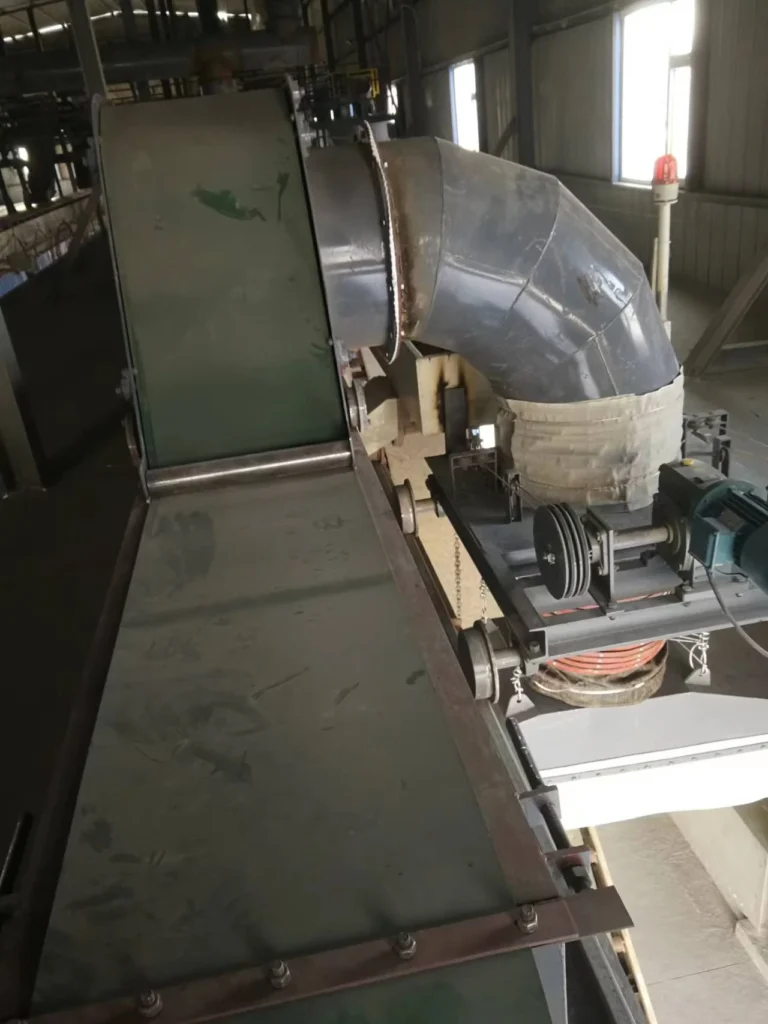
Before ordering a mobile dust collector for bagged cement, buyers should provide real site information instead of selecting only by motor power.
Important information includes:
√ Material name
√ Manual loading or conveyor loading
√ Truck size and loading height
√ Required moving distance
√ Power supply
√ Site photos or layout drawings
For bagged cement dust control, hood position, suction distance, filter area, air volume, and maintenance design are all important.
Common Mistakes in Bagged Cement Dust Control
Mistake 1: Treating Bagged Cement Like Bulk Cement Loading
Bulk cement loading usually has a fixed discharge point. Bagged cement loading has moving dust points. If the system design ignores this difference, the dust collector may not capture dust effectively.
Mistake 2: Placing the Hood Too Far Away
If the hood is too far from the cement bag loading point, dust will spread before it is captured. Source capture is usually more effective than general workshop ventilation.
Mistake 3: Only Increasing Fan Power
A larger fan does not always solve the problem. If the hood design is poor or the filter area is too small, a mobile dust collector for bagged cement may still perform poorly.
Mistake 4: Blocking Worker Movement
If the hood or suction arm makes loading inconvenient, workers may move it away from the dust source. The system must support the loading operation, not interfere with it.
Mistake 5: Forgetting Filter Maintenance
Cement dust can block filter bags over time. Regular cleaning, dust drawer inspection, and filter bag maintenance are necessary for stable suction performance.
FAQs About Mobile Dust Collector for Bagged Cement
What is a mobile dust collector for bagged cement?
A mobile dust collector for bagged cement is a movable dust collection device used to capture fine cement dust during cement bag loading, manual stacking, conveyor discharge, and truck loading. It usually includes a movable hood, flexible suction arm, fan, filter bags, and dust collection unit.
Why is dust generated during bagged cement loading?
Dust is generated because fine cement powder may remain on bag surfaces, leak from damaged bags, or become airborne during manual handling, conveyor transfer, bag stacking, and truck loading impact.
Why use a mobile dust collector for bagged cement instead of a fixed dust collector?
A mobile dust collector for bagged cement is useful when the dust source changes frequently. The movable hood can be positioned near the actual cement bag loading point, while a fixed dust collector may be too far away from the dust source.
Is this equipment suitable for manual cement bag truck loading?
Yes. It is suitable for manual cement bag truck loading because workers often move around the truck and loading platform. The hood can be adjusted according to the actual loading position.
Can it be used with a cement bag conveyor?
Yes. A mobile dust collector for bagged cement can be used near a cement bag conveyor discharge point, especially when dust appears at the end of the conveyor or during bag transfer to the truck.
What is the main advantage of mobile dust collection for bagged cement?
The main advantage is flexible source capture. The hood can move close to the dust point, helping reduce airborne cement dust before it spreads across the loading area.
What structure is important for a mobile dust collector for bagged cement?
Important structures include the movable frame, adjustable hood, flexible suction arm, suction pipe, fan, bag filter, pulse cleaning system, dust collection drawer, and control cabinet.
Can a bag filter collect cement dust from bag loading areas?
Yes. A bag filter can collect fine cement dust if the air volume, filter area, filter bag material, and cleaning method are properly selected. For heavier dust load, pulse-jet cleaning may be required.
Can it be used in a semi-open loading area?
Yes, but hood position is very important. In semi-open areas, wind direction and truck position can affect dust capture. The hood should be placed close to the dust generation point.
What information is needed before ordering a mobile dust collector for bagged cement?
Useful information includes material type, bag weight, loading method, truck size, loading height, dust source position, working area layout, power supply, mobility range, and site photos or drawings.
Can a mobile dust collector remove all dust during bagged cement loading?
It can significantly reduce local dust when properly designed and positioned, but the final effect depends on hood distance, air volume, filter performance, loading method, and site airflow conditions.
What is the difference between a mobile dust collection hood and a mobile dust collector?
A mobile dust collection hood is the capture part near the dust source. A mobile dust collector for bagged cement is the complete system, including hood, suction arm, fan, filter unit, dust collection structure, and control system.
Conclusion
A mobile dust collector for bagged cement is a practical solution for dust control in cement bag truck loading, manual stacking, conveyor discharge, and warehouse loading areas. It is especially useful when the dust source is not fixed and the loading position changes frequently.
Compared with a fixed dust collection system, a mobile dust collector for bagged cement can move closer to the actual dust source and capture dust near the loading point. For cement plants, grinding stations, dry mortar plants, and building material warehouses, this can help improve the working environment and reduce dust spread during bagged cement handling.
The key is not only the dust collector itself. Hood position, suction arm design, filter area, fan selection, mobility, and maintenance access should all be considered together.
Contact Jiangsu Lvrui Machinery Co., Ltd.
Jiangsu Lvrui Machinery Co., Ltd. provides mobile dust collectors, bag filters, dust collection systems, loading spouts, bulk loader systems, air slide conveyors, flow control gate valves, and bulk material handling solutions for cement plants and dry powder industries.
If you need a mobile dust collector for bagged cement, you can send us your material information, bag weight, loading method, truck size, working area layout, dust source position, and site photos. Our team can help check the suitable hood structure, suction arm design, filter area, fan power, and system configuration.
For quotation or technical support, please contact us:
WhatsApp: +86-18261998937
WeChat: +86-18261998937
Email: info@lvrui-conveyor.com
Website: lvrui-conveyor.com
Indonesian Short Version
Mobile dust collector for bagged cement digunakan untuk menangkap debu saat pemuatan sak semen ke truk, penumpukan manual, atau discharge conveyor. Debu biasanya muncul dari permukaan sak, sak yang rusak, perpindahan material, dan proses loading.
Sistem ini menggunakan movable hood, flexible suction arm, fan, dan bag filter untuk menangkap debu dekat sumbernya. Dibandingkan sistem dust collection tetap, mobile dust collector lebih fleksibel untuk area bagged cement loading yang posisinya sering berubah.
Jiangsu Lvrui Machinery Co., Ltd. menyediakan mobile dust collector, bag filter, loading spout, bulk loader system, dan solusi dust control untuk pabrik semen, gudang material bangunan, dan industri bubuk kering.