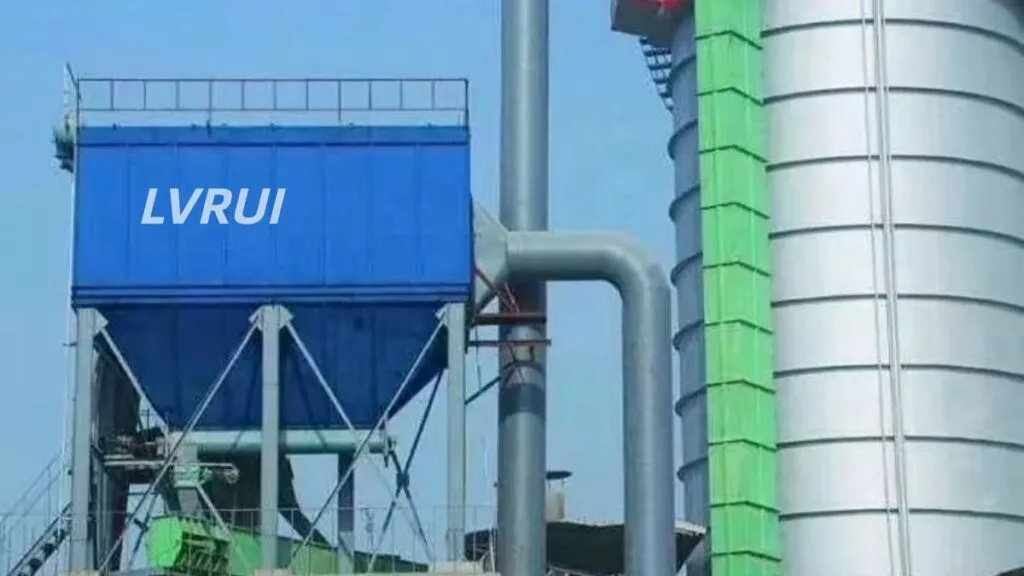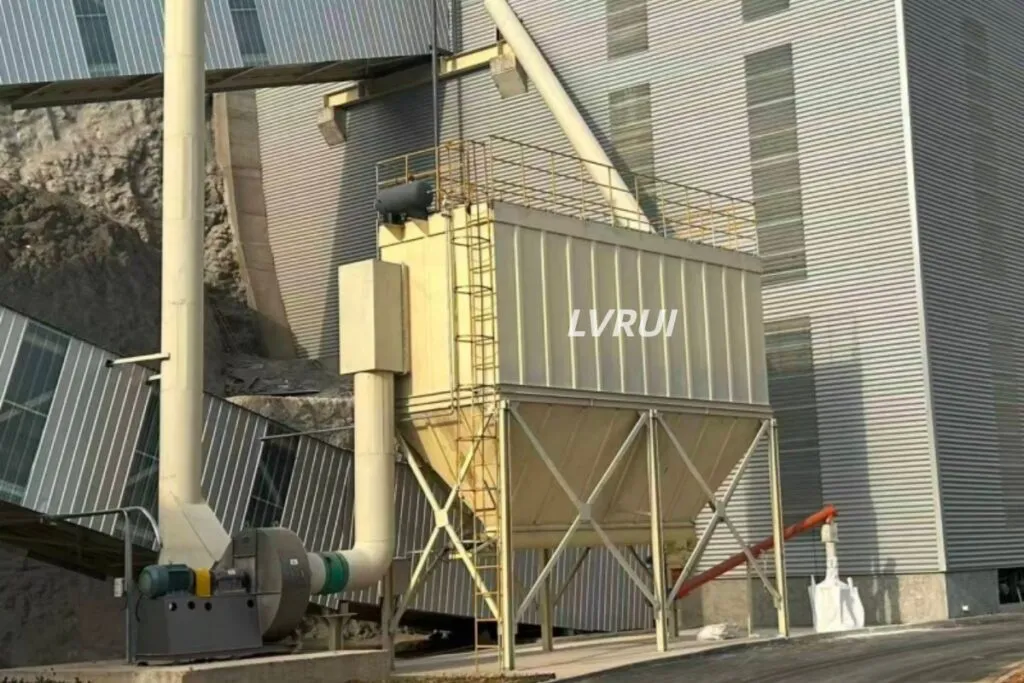
Overview of bag filter systems, including components, types, applications, and key selection factors for industrial dust collection.
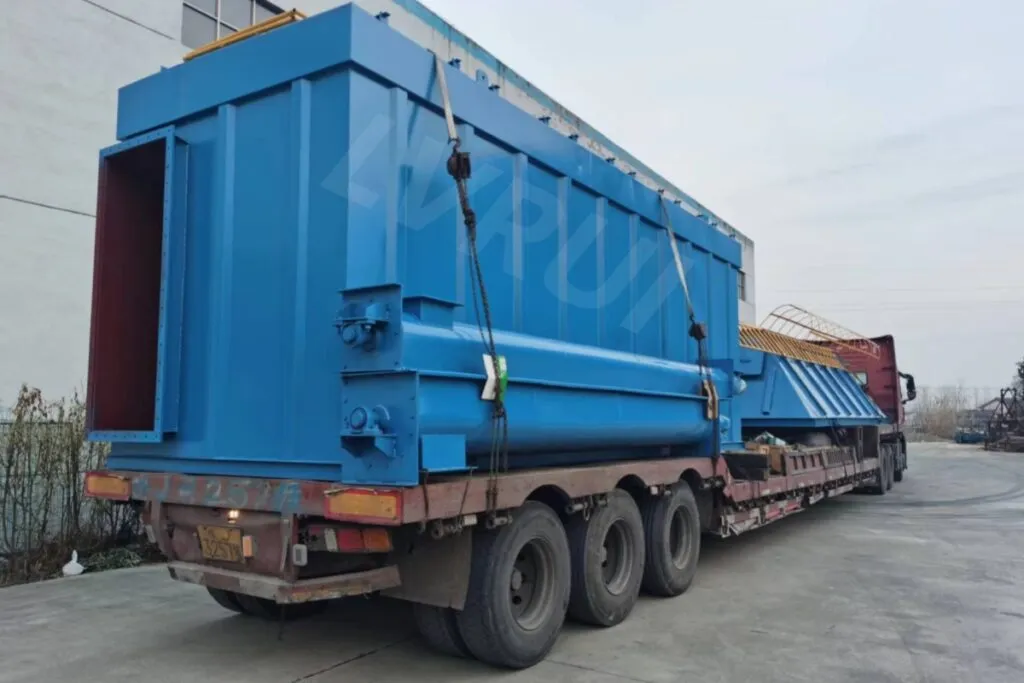
Introduction
Industrial dust collection requires reliable filtration equipment to separate fine particles from process gas streams.
Bag filter systems are commonly applied in industrial dust collection processes where fine particle separation, stable operation, and emission control are required. They are designed as complete filtration units rather than individual filter components.
A complete bag filter system includes not only filter bags but also the filter housing, cleaning system, dust discharge equipment, and control components. For complete industrial filtration equipment, see our Bag Filter System solution.
This article explains the main components, types, and applications of bag filter systems.
What Is a Bag Filter System?
A bag filter system is a complete dust filtration unit that uses fabric filter bags to capture solid particles from gas streams.
Unlike a single filter component, a complete bag filter system includes multiple parts working together to achieve stable filtration performance.
Typical components include:
✓ Filter housing
✓ Filter bags
✓ Cleaning system
✓ Dust discharge equipment
✓ Control and monitoring components
The system design depends on dust characteristics, airflow conditions, operating temperature, and application requirements.
Main Components of a Bag Filter System
Filter Housing
The filter housing provides the structure where filtration and dust separation take place.
Proper airflow distribution inside the housing helps reduce uneven dust loading and improves filter bag service life.
Filter Bags
Filter bags are the main filtration media inside the system. Filter bags are the main filtration media inside the system. The selection of suitable industrial filter bags affects filtration efficiency, service life, and operating stability.
They capture dust particles while allowing clean gas to pass through.
The selection of suitable filter bags depends on:
✓ Temperature conditions
✓ Dust characteristics
✓ Chemical properties
✓ Operating environment
Cleaning System
The cleaning system removes accumulated dust from filter bags and maintains stable pressure drop. The detailed bag filter working principle explains how filtration and cleaning processes work together.
Common cleaning methods include:
- Pulse jet cleaning
- Reverse air cleaning
- Mechanical shaking
Dust Discharge System
Collected dust must be discharged effectively to maintain continuous operation.
Common discharge methods include:
- Rotary valves
- Screw conveyors
- Dust collection bins
Types of Bag Filter Systems
Pulse Jet Bag Filter System
Pulse jet bag filter systems use compressed air pulses to remove dust accumulated on filter bags.
They are widely used in industrial applications because the cleaning process can be performed during operation.
Reverse Air Bag Filter System
Reverse air systems use airflow reversal to clean filter bags.
They are commonly used in applications requiring gentle cleaning conditions.
Shaker Bag Filter System
Shaker systems clean filter bags through mechanical movement.
They are generally used for smaller filtration applications.
Industrial Applications of Bag Filter Systems
Cement Plants
Bag filter systems are commonly used in cement plants for dust collection in:
✓ Process exhaust systems
✓ Material handling areas
✓ Storage and loading sections
For detailed applications in cement production processes, see our guide on bag filter in cement plant.
Mining and Mineral Processing
Bag filter systems help control dust generated during crushing, grinding, and material handling operations.
Power Generation
Bag filters are used for controlling particulate emissions from industrial combustion processes.
Chemical and Bulk Material Industries
They are applied where fine powder handling requires effective dust filtration.
Industrial dust control strategies are often developed based on emission management requirements and air quality considerations. More information about air emissions factors and quantification can be found from the U.S. Environmental Protection Agency (EPA).
Factors Affecting Bag Filter System Performance
Dust Characteristics
Particle size, concentration, and abrasiveness affect filtration efficiency and filter bag life.
Airflow Conditions
Stable airflow distribution helps maintain consistent filtration performance.
Pressure Drop Monitoring
Monitoring differential pressure helps identify dust accumulation, cleaning issues, or abnormal operating conditions.
Cleaning System Performance
Improper cleaning settings may increase pressure drop and reduce filtration efficiency.
Bag Filter System Selection Considerations
When selecting a bag filter system, engineers should consider:
✓ Dust type and properties
✓ Gas temperature
✓ Air volume
✓ Required filtration efficiency
✓ Operating conditions
A properly selected system improves reliability and reduces maintenance requirements.
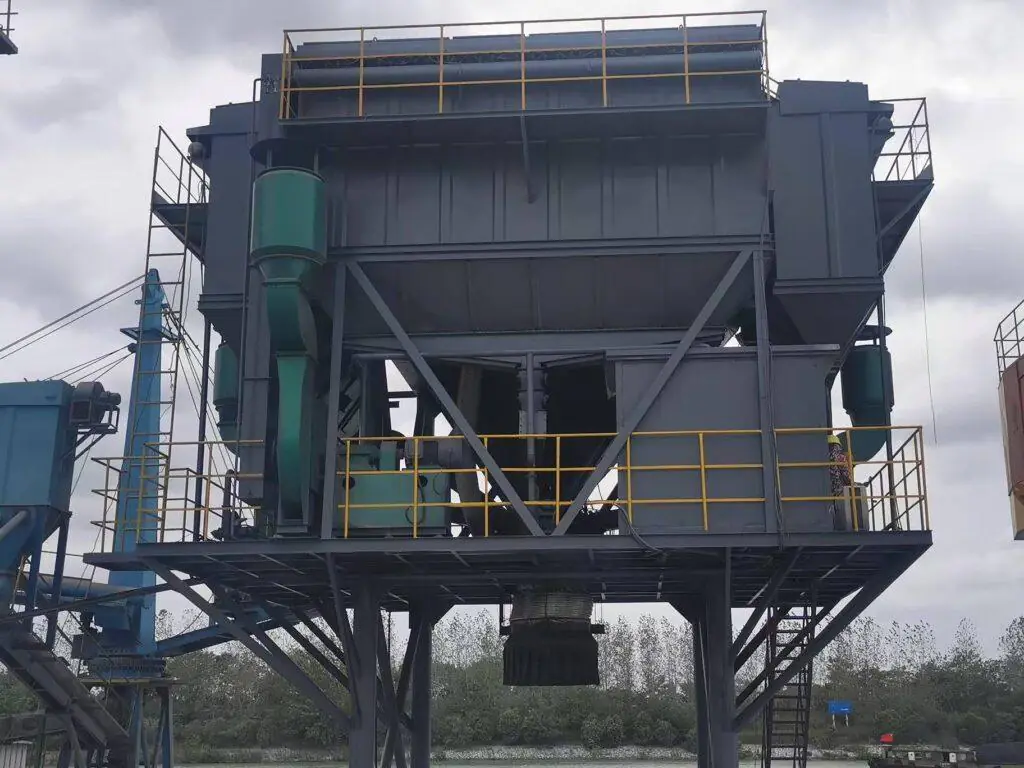
FAQs About Bag Filter Systems
What is a bag filter system?
A bag filter system is a complete dust filtration unit using fabric filter bags to separate dust particles from gas streams.
What are the main components of a bag filter system?
The main components include filter housing, filter bags, cleaning system, dust discharge equipment, and control components.
What factors should be considered when selecting a bag filter system?
Selection depends on dust characteristics, gas temperature, airflow volume, filtration efficiency requirements, and operating conditions.
Where are bag filter systems used?
Bag filter systems are used in cement plants, mining, power generation, chemical processing, and other industries where fine dust removal from gas streams is required.
What affects bag filter system performance?
Performance depends on dust characteristics, airflow conditions, filter media selection, cleaning operation, and maintenance practices.
What information is needed for bag filter system selection?
Engineers should consider dust properties, gas conditions, airflow requirements, filtration efficiency targets, and existing equipment conditions.
Conclusion
Bag filter systems are an important solution for industrial dust filtration applications.
A complete system includes filter bags, housing, cleaning equipment, and dust discharge components that work together to achieve stable dust collection performance.
Understanding system components, types, and operating factors helps engineers select suitable filtration solutions for different industrial applications.
Bag filter systems should be selected according to actual process conditions rather than only filtration capacity.
Need Help Selecting a Bag Filter System?
For a suitable dust filtration recommendation, please provide:
✓ Dust characteristics and material properties
✓ Gas temperature and airflow conditions
✓ Existing filtration equipment information
✓ Application requirements
LVRUI can evaluate your working conditions and provide technical suggestions for industrial dust filtration applications.
Email: info@lvrui-conveyor.com
WhatsApp/WeChat: +86 18261998937