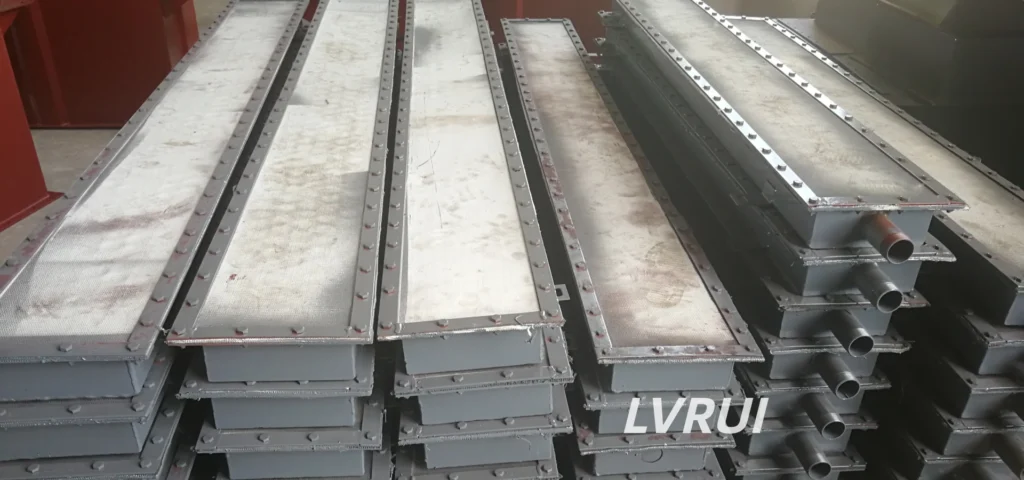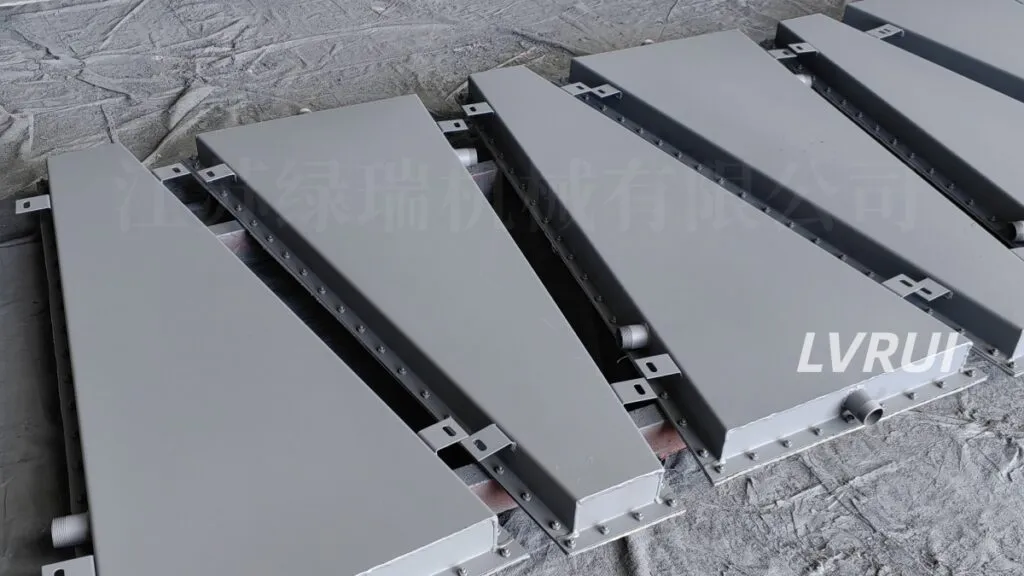
Engineering guide for cleaner cement, fly ash, lime, and dry powder big bag filling systems
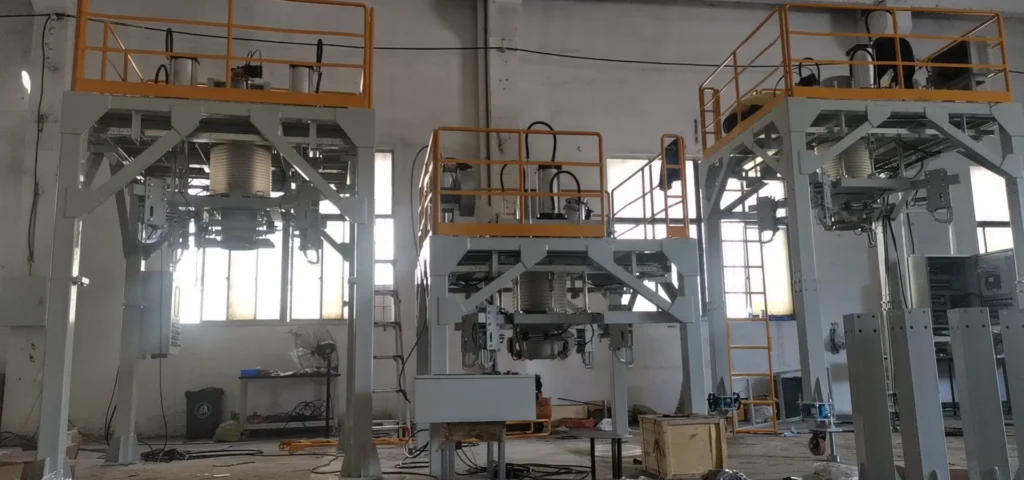
Cement Big Bag Filling Dust Control: Why It Matters
Cement big bag filling dust control is not only about making the packing area look clean. For cement, fly ash, lime, slag powder, mineral powder, and dry mortar production lines, dust control directly affects working conditions, equipment maintenance, material loss, and long-term operation stability. In many dry powder packing projects, cement big bag filling dust control should be planned together with the filling machine, feeding equipment, and dust collection system.
During big bag filling, the material usually falls from a silo, hopper, screw feeder, air slide conveyor, or other feeding device into a flexible bulk bag. Because cement and fly ash are fine powder materials, they can easily create airborne dust when air inside the bag is displaced or when material falls too fast.
If the filling system does not control this dust, the result is often clear on site:
√ Dust escapes from the bag mouth
√ Operators need to clean the area frequently
√ Weighing parts and sensors become covered with powder
√ Bag clamping parts wear faster
√ The filling head becomes dirty and difficult to maintain
√ Material loss increases
√ The working environment becomes poor
√ Customers may complain about packaging cleanliness
A good big bag filling system should not rely on one simple cover or one dust collector only. It should control dust from the source: feeding speed, material drop, bag mouth sealing, air displacement, and dust extraction must work together. This is why cement big bag filling dust control should be treated as a complete engineering issue instead of a single dust collector problem.
FIBC and jumbo big bag filling machine for cement powder
What Causes Dust During Cement Big Bag Filling?
Dust during cement big bag filling usually comes from several design and operation problems. Understanding the cause is more important than simply adding a bigger dust collector.
1. Poor Bag Mouth Sealing
The bag mouth is one of the most common dust leakage points. If the bag is not tightly clamped around the filling head, powder and displaced air can escape from the gap.
This often happens when:
√ The bag mouth size is not stable
√ The clamping ring is too small or too loose
√ The bag fabric is too soft or folded unevenly
√ The filling head shape does not match the bag opening
√ The operator does not position the bag correctly
For cement powder, even a small gap can create visible dust during fast filling.
2. Material Drop Height Is Too High
When material falls from a high position into the big bag, it carries air and creates impact. This impact can push dust upward and outward through the bag mouth.
A lower and more controlled material drop path usually helps reduce dust. In some systems, the filling head or discharge tube should extend closer to the bag inlet area to reduce free-fall distance.
3. Feeding Speed Is Too Fast
Fast feeding improves capacity, but it can also increase dust. If cement powder enters the bag too quickly, air cannot escape in a controlled way. The pressure inside the bag rises, and dust may escape from the bag mouth or dust extraction area.
A better system often uses two-stage filling:
√ Fast feeding at the beginning
√ Slow feeding near the target weight
This helps improve filling speed while keeping weighing accuracy and dust control more stable.
4. No Negative Pressure Around the Filling Point
For fine powder filling, a dust extraction port is usually needed near the filling head. Without controlled negative pressure, the displaced air and fine dust will escape into the surrounding area.
However, negative pressure must be properly designed. If the suction is too weak, dust will leak. If the suction is too strong, it may pull too much material into the filter and affect weighing accuracy.
5. Poor Connection Between Filling Head and Dust Collector
Some big bag filling systems have a dust extraction port, but the connection to the dust collector is not suitable. The dust pipe may be too small, too long, poorly sealed, or connected to a filter with insufficient air volume.
In this case, the filling head may look correct, but the dust control effect is still poor.
6. Material Is Very Fine or Easily Fluidized
Cement, fly ash, and some mineral powders have good flowability and can become easily suspended in air. Fly ash, in particular, can be very fine and may require better sealing and dust extraction design than coarse materials.
The finer the material, the more attention should be given to bag sealing, air displacement, and filter performance.
Why Cement and Fly Ash Need Better Dust Control Than Granular Materials
Cement and fly ash are very different from granular materials such as pellets, aggregates, or coarse sand. They are fine, light, and easily carried by air. During big bag filling, the material does not simply fall into the bag. It also pushes air out of the bag.
If the system cannot guide this air into a dust collector, the air will escape through any available gap.
This is why cement big bag filling dust control should focus on three things:
√ Seal the bag mouth
√ Control the feeding speed
√ Extract dusty air from the filling zone
For granular materials, a simple open filling system may still work. But for cement powder, fly ash, lime powder, and dry mortar, open filling often causes serious dust leakage.
For general industrial dust control principles, plant engineers may also refer to industrial dust control guidance when reviewing local ventilation and dust extraction requirements.
Key Points of Cement Big Bag Filling Dust Control
A clean big bag filling process depends on the whole system design. Below are the most important dust control points.
1. Enclosed Filling Head
The filling head should guide the material into the bag while reducing open space around the discharge point. A well-designed enclosed filling head can reduce powder escape and help direct dusty air toward the dust extraction port.
The filling head design should consider:
√ Bag mouth size
√ Material flow direction
√ Dust extraction position
√ Operator access
√ Clamping method
√ Cleaning and maintenance space
If the filling head is too simple or too open, dust will escape even if a dust collector is installed nearby.
2. Reliable Bag Clamping Device
The bag clamping device is critical for dust control. It should hold the bag mouth firmly during filling and prevent powder from leaking from the connection point.
Common clamping methods include:
√ Mechanical clamp
√ Pneumatic clamp
√ Inflatable sealing ring
√ Customized bag mouth sealing structure
For cement and fly ash, a stronger sealing design is usually better than a simple loose clamp. The sealing surface should be stable, smooth, and easy for operators to use.
3. Dust Extraction Port Near the Filling Point
The dust extraction port should be placed close to the area where dusty air is generated. If the extraction point is too far away, the dust may already escape before it is captured.
The extraction port should be designed to remove air and fine dust from the filling zone without pulling large amounts of material away from the bag.
4. Controlled Feeding System
Feeding control is one of the most overlooked parts of dust control. A stable feeding device can reduce sudden material surges and help the weighing system work more accurately.
Common feeding equipment may include:
√ Screw feeder
√ Rotary valve
√ Flow control gate
√ Air slide conveyor
√ Gravity discharge valve
√ Pneumatic conveying discharge structure
The feeding method should match the material flowability, filling capacity, plant layout, and accuracy requirement.
5. Bag Filter Design for Cement Big Bag Filling Dust Control
A bag filter is often used to collect dust from the filling head area. It helps create negative pressure and collect powder-laden air before it escapes into the workshop.
The filter should be selected according to:
√ Material type
√ Filling speed
√ Dust concentration
√ Air volume requirement
√ Filter area
√ Cleaning method
√ Pipe layout
√ Maintenance frequency
A dust collector that is too small will not solve the problem. A dust collector that is poorly connected may also fail to capture dust effectively.
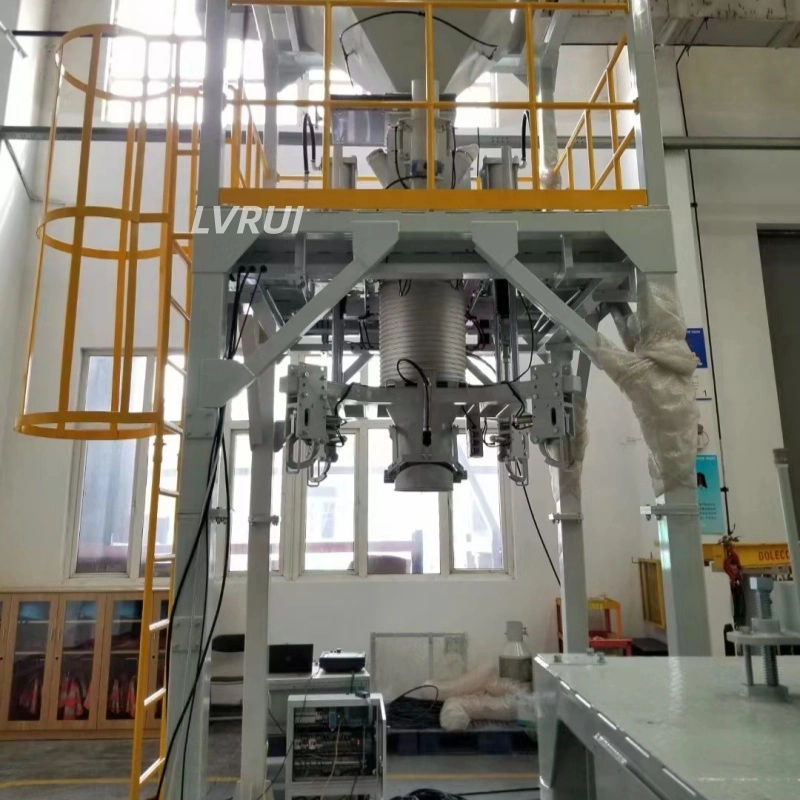
Feeding Method and Dust Generation
In cement big bag filling dust control, the feeding method directly affects dust generation, weighing stability, and the performance of the dust extraction system. The feeding method has a direct effect on dust generation. A filling machine is not only a weighing unit; it is part of a material handling system. The way material enters the filling head can decide whether the process is stable or dusty.
Screw Feeder
A screw feeder is often used when controlled feeding and weighing accuracy are required. It can provide relatively stable material flow and is suitable for two-stage filling control.
Advantages:
√ Better feeding control
√ Suitable for dosing
√ Useful for weighing accuracy
√ Can reduce sudden material surges
Possible limitations:
√ May require more maintenance for abrasive materials
√ Not always suitable for very large capacity
√ Needs proper sealing at inlet and outlet
Gravity Feeding
Gravity feeding is simple and can be efficient when material flows well from a silo or hopper. However, it needs good discharge control. If the material flow is too fast or unstable, dust and weighing errors may increase.
Advantages:
√ Simple structure
√ Lower energy consumption
√ Suitable for free-flowing powders
Possible limitations:
√ Flow may be unstable
√ Dust may increase if feeding is too fast
√ Requires good valve control
Air Slide Conveyor Feeding
For cement and fly ash, air slide conveyors are commonly used for powder conveying. They are suitable for continuous and gentle powder transportation, especially in cement plants and grinding stations.
When connected to a big bag filling system, the air slide conveyor should be matched with proper discharge control and dust extraction. The fluidized material may flow quickly, so the final feeding control must be carefully designed.
Flow Control Gate or Discharge Valve
A flow control gate or discharge valve helps regulate the powder flow from a silo or hopper. In a filling system, it can support stable feeding and improve dust control by reducing sudden material impact.
For cement big bag filling dust control, stable discharge is just as important as dust collection.
How to Connect a Bag Filter for Cement Big Bag Filling Dust Control
A bag filter should not be added randomly. It must be connected to the correct dust generation point and sized according to the actual filling process.
Dust Extraction Position
The dust extraction point should be close to the filling head and bag mouth area. This is where displaced air and fine powder are most likely to escape.
If the extraction point is placed too far away, dust may spread into the workshop before it is captured.
Air Volume Balance
The air volume should be enough to capture dust but not so strong that it pulls too much product into the filter. Excessive suction may cause material loss, unstable weighing, and filter overload.
A balanced dust extraction system should remove dusty air while allowing the material to enter the bag smoothly.
Pipe Layout
Dust pipes should be as short and direct as possible. Long pipes, sharp bends, and poor sealing can reduce suction efficiency.
Important pipe design points include:
√ Avoid too many elbows
√ Keep pipe diameter suitable
√ Seal pipe connections properly
√ Avoid material accumulation inside the pipe
√ Provide maintenance access
Filter Maintenance
Even a well-designed dust collection system will fail if the filter bags are blocked or damaged. Regular inspection is necessary.
Operators should check:
√ Filter bag condition
√ Pulse cleaning system
√ Dust discharge from filter hopper
√ Air leakage points
√ Pressure difference
√ Pipe blockage
√ Fan performance
How to Improve Filling Accuracy While Controlling Dust
Dust control and filling accuracy are connected. If the material flow is unstable or air pressure inside the bag changes too much, weighing accuracy may be affected.
A better system should use both mechanical control and weighing control.
Two-Stage Filling
Two-stage filling is commonly used for big bag packing. The system fills quickly at first, then slows down near the target weight.
This helps achieve:
√ Higher capacity
√ Better final accuracy
√ Less overfilling
√ More stable flow
√ Lower dust impact near the final stage
Stable Bag Support
The big bag should be properly supported during filling. If the bag moves, swings, or collapses, the filling process becomes unstable.
A stable bag support structure may include:
√ Bag hanging hooks
√ Lifting frame
√ Pallet support
√ Vibrating platform
√ Lower support platform
√ Bag shaping device
Controlled Material Flow
Sudden flow changes can create dust and affect weighing. A flow control gate, screw feeder, or controlled discharge valve can help maintain a stable filling process.
Proper Venting and Dust Extraction
The air inside the bag must go somewhere. If the bag is sealed without proper dust extraction, pressure may build up. If the bag is too open, dust may escape. The best design is controlled venting through the dust collection system.
Common Mistakes in Cement Big Bag Filling Dust Control
Poor cement big bag filling dust control is often caused by several small design mistakes rather than one obvious equipment failure. Many dust problems are not caused by the filling machine itself, but by wrong system design or poor site matching.
Mistake 1: Only Adding a Bigger Dust Collector
A larger dust collector does not automatically solve dust leakage. If the bag mouth is not sealed or the extraction point is poorly placed, dust will still escape.
Dust control should start at the filling head and bag connection, not only at the filter.
Mistake 2: Ignoring Feeding Speed
If the material enters the bag too fast, dust will increase. Many users focus on capacity but forget that uncontrolled high-speed filling can create more dust and unstable weighing.
Mistake 3: Using a Simple Clamp for Fine Powder
A simple clamp may be enough for coarse materials, but cement and fly ash often need a better sealing structure. If the bag mouth leaks, the dust collector has to work harder and may still fail.
Mistake 4: Poor Filter Pipe Design
A good bag filter can perform poorly if the pipe is too long, too narrow, or poorly sealed. Dust extraction must be considered as a system.
Mistake 5: Not Providing Material Information Before Ordering
Different powders behave differently. Cement, fly ash, lime, slag powder, and dry mortar may have different bulk density, flowability, moisture content, and dust generation behavior.
Before ordering a filling system, buyers should provide detailed material and site information.
Buyer Checklist Before Ordering a Dust-Controlled Big Bag Filling System
Before asking for a quotation, buyers should prepare the following information. This helps the supplier design a more suitable filling and dust control system.
√ Material name
√ Bulk density
√ Particle size
√ Moisture content
√ Material temperature
√ Bag type
√ Bag size
√ Target filling weight
√ Required filling capacity
√ Required weighing accuracy
√ Existing silo or hopper outlet size
√ Feeding method
√ Available installation height
√ Indoor or outdoor installation
√ Dust collection requirement
√ Power supply
√ Automation level
√ Whether a vibrating platform is needed
√ Whether palletizing or forklift handling is used
√ Site photos, drawings, or layout information
For cement and fly ash projects, photos of the existing silo outlet, available height, and packing area are especially useful. They help determine whether the system should use gravity feeding, screw feeding, air slide feeding, or a combined system.
Practical Design Suggestions for Cement Big Bag Filling Dust Control
To improve cement big bag filling dust control, the system should be designed around the actual working condition instead of using a standard model blindly.
Use a Better Sealing Filling Head
The filling head should match the bag mouth and allow effective dust extraction. For fine powders, a simple open spout is usually not enough.
Match Feeding Speed With Dust Extraction
If the feeding speed is increased, the dust extraction capacity may also need to be adjusted. Otherwise, the system may fill faster but create more dust.
Keep the Material Drop Path Stable
A stable material drop path helps reduce impact and dust. Avoid unnecessary free fall and sudden direction changes.
Use Controlled Final Feeding
For better accuracy and less dust near the target weight, slow feeding should be used in the final stage.
Design Enough Maintenance Space
Operators need access to the filling head, clamps, filter connection, and weighing area. If the system is difficult to inspect, dust problems may stay hidden until they become serious.
Review the Whole System, Not Only the Filling Machine
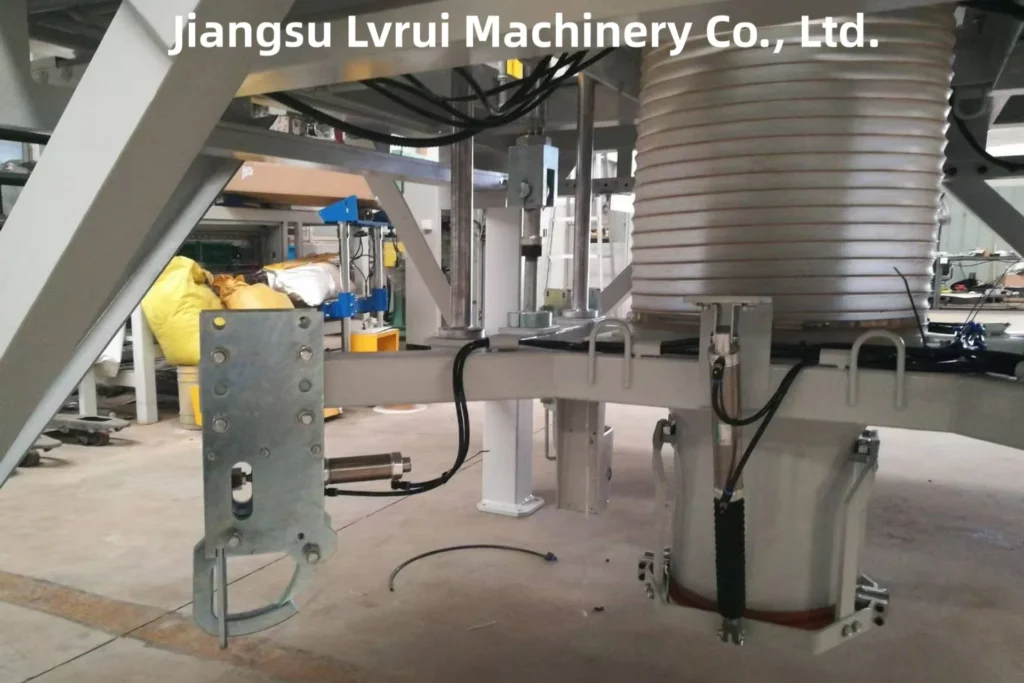
A big bag filling machine may be connected with silo discharge equipment, air slide conveyor, screw conveyor, flow control gate, bag filter, and control cabinet. Dust control depends on how these parts work together.
FAQs About Cement Big Bag Filling Dust Control
What is cement big bag filling dust control?
Cement big bag filling dust control means reducing powder leakage and airborne dust during the filling of cement, fly ash, lime, or other dry powder into FIBC bags, jumbo bags, or ton bags. It usually involves bag mouth sealing, controlled feeding, dust extraction, and bag filter connection.
Why does dust escape during cement big bag filling?
Dust escapes because cement powder is fine and easily carried by air. During filling, material flow pushes air out of the bag. If the bag mouth is not sealed, the feeding speed is too fast, or the dust extraction system is weak, dust will leak into the surrounding area.
How can a big bag filling system reduce cement dust?
A big bag filling system can reduce cement dust by using an enclosed filling head, reliable bag clamping, controlled feeding speed, proper material drop height, and a dust extraction port connected to a suitable bag filter.
Is a bag filter necessary for cement big bag filling?
For most cement and fly ash big bag filling applications, a bag filter or dust collection system is strongly recommended. Fine powder filling usually creates displaced air and suspended dust, which should be captured near the filling head.
Can dust control improve filling accuracy?
Yes. Good dust control can improve filling accuracy because it keeps material flow, air pressure, and weighing conditions more stable. In cement big bag filling dust control, unstable feeding, poor air extraction, or excessive dust movement may affect the weighing signal and final bag weight. A controlled feeding system and balanced dust extraction help the filling machine reach the target weight more consistently.
What feeding method is suitable for cement big bag filling?
The suitable feeding method depends on the plant layout and capacity requirement. Screw feeders are useful for controlled feeding, gravity feeding is simple for free-flowing materials, and air slide conveyors are suitable for cement and fly ash powder conveying.
What is the role of bag mouth sealing?
Bag mouth sealing prevents powder and dusty air from escaping from the connection between the filling head and the big bag. For cement and fly ash, this area is one of the most important dust control points.
Why does dust still leak even after installing a dust collector?
Dust may still leak if the filling head is too open, the bag mouth is not sealed, the dust extraction point is too far from the dust source, or the pipe layout is poorly designed. A dust collector alone cannot solve every problem. For cement big bag filling dust control, sealing, feeding speed, air volume, and filter connection must be designed together.
What information is needed before designing a dust-controlled big bag filling system?
Useful information includes material name, bulk density, particle size, bag size, target weight, filling capacity, accuracy requirement, silo outlet size, feeding method, available height, dust collection requirement, and site layout.
Can one big bag filling system handle both cement and fly ash?
Yes, but the system should be designed according to the characteristics of both materials. Fly ash may be finer and more easily fluidized than cement, so sealing and dust extraction design should be carefully checked.
What is the main goal of cement big bag filling dust control?
The main goal of cement big bag filling dust control is to reduce powder leakage at the bag mouth, filling head, feeding point, and dust extraction area. It also helps improve working conditions, reduce material loss, protect weighing components, and keep the packing area cleaner during cement, fly ash, or dry powder filling.
How can cement big bag filling dust control be improved on an existing packing line?
Cement big bag filling dust control can be improved on an existing packing line by checking the bag mouth sealing, filling head structure, feeding speed, dust extraction position, pipe layout, and bag filter capacity. In many cases, dust leakage can be reduced by improving sealing and airflow control instead of replacing the whole filling system.
Conclusion
Cement big bag filling dust control depends on more than one machine. A clean and stable filling process requires proper coordination between the filling head, bag clamping device, feeding system, weighing control, dust extraction port, bag filter, and site layout. Effective cement big bag filling dust control should combine mechanical sealing, stable feeding, negative pressure dust extraction, and proper bag filter sizing.
For cement, fly ash, lime, slag powder, dry mortar, and other fine powder materials, dust usually starts from the bag mouth, material drop point, or uncontrolled air displacement inside the bag. To reduce dust effectively, the system should seal the filling area, control material flow, guide displaced air into the dust collector, and maintain stable weighing operation.
A well-designed dust-controlled big bag filling system can reduce powder leakage, improve working conditions, lower cleaning work, protect equipment, and make the packing area more professional.
For long-term operation, cement big bag filling dust control should be reviewed regularly together with filling accuracy, filter maintenance, and operator feedback.
Contact Jiangsu Lvrui Machinery Co., Ltd.
Jiangsu Lvrui Machinery Co., Ltd. provides big bag filling systems, FIBC filling machines, bag filters, flow control gate valves, air slide conveyors, loading spouts, and bulk material handling solutions for cement plants, fly ash terminals, grinding stations, and dry powder industries.
If you need to reduce dust during cement big bag filling, you can send us your material information, bag size, target filling weight, required capacity, silo outlet size, plant layout, and site photos. For cement big bag filling dust control projects, we can help review the filling head, bag clamping method, feeding control, and bag filter connection according to your site conditions. Our team can help check the suitable feeding method, dust extraction design, filling head structure, and system configuration for your project.
For quotation or technical support, please contact us:
WhatsApp: +86-18261998937
WeChat: +86-18261998937
Email: info@lvrui-conveyor.com
Website: https://lvrui-conveyor.com/
Address: Industrial Park, Baidian Town, Haian City, Nantong City, Jiangsu Province, China