Engineering guide for cement silo discharge, lump breaking, and air slide conveyor protection
Crusher Valve Before Air Slide Conveyor: Prevent Cement Lumps and Blockage
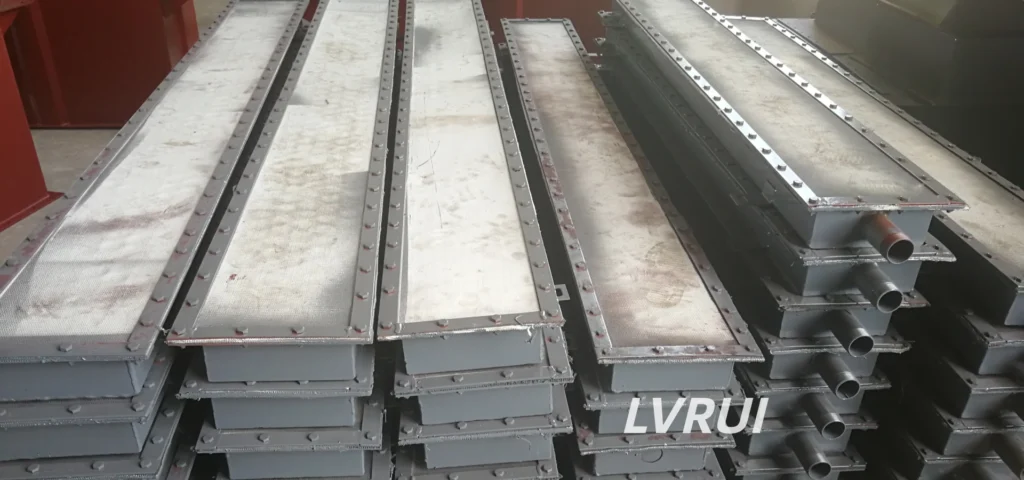
In cement silo discharge systems, an air slide conveyor is often used to transfer dry cement powder, fly ash, raw meal, or mineral powder from the silo outlet to downstream equipment. However, air slide conveyors are designed for fine, dry, and fluidizable powder. They are not suitable for large cement lumps, hard agglomerates, or compacted blocks.
This is why installing a crusher valve before air slide conveyor can be important in cement plants. The crusher valve breaks oversized lumps before the material enters the air slide conveyor, helping protect the air slide fabric, reduce chute blockage, and maintain stable powder flow.
What Is a Crusher Valve Before Air Slide Conveyor?
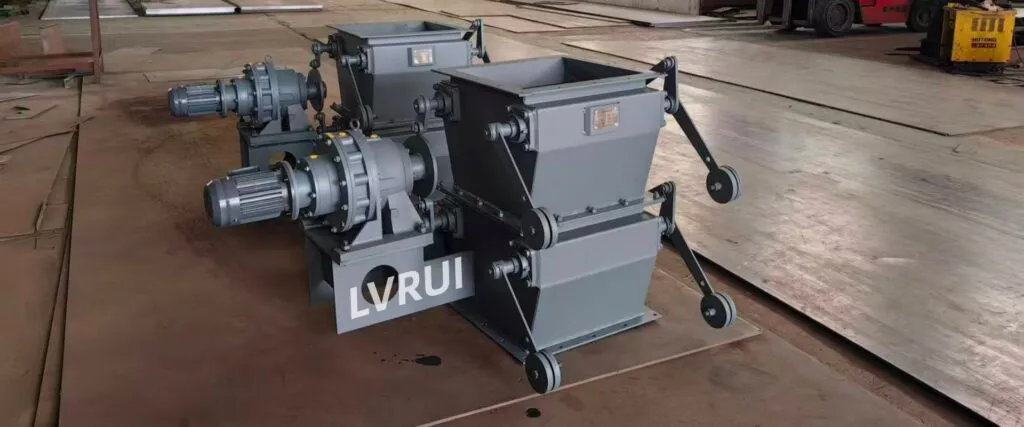
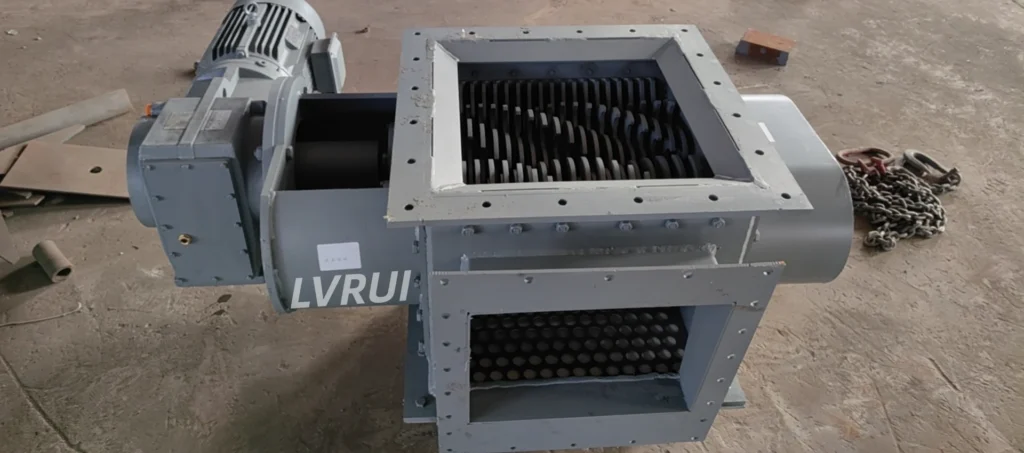
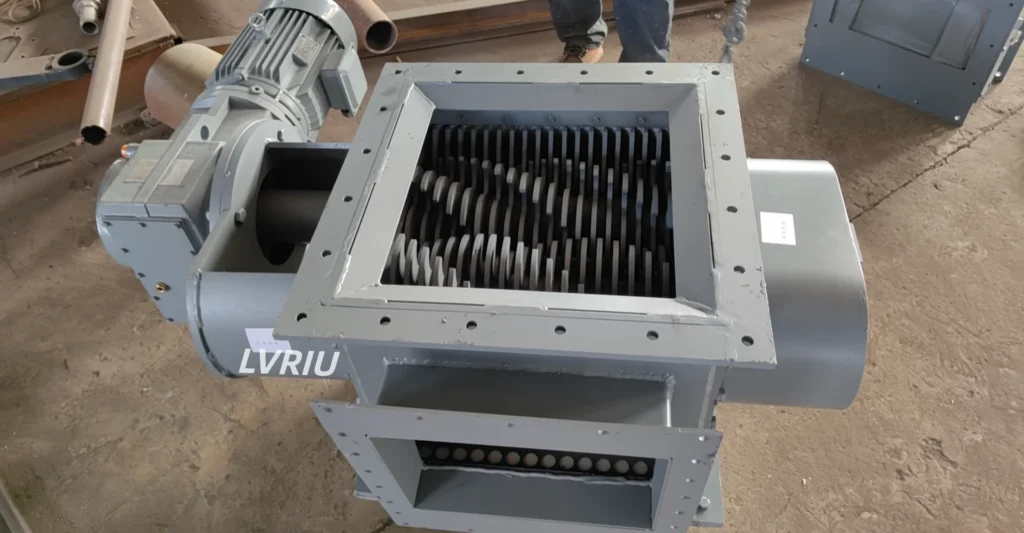
A crusher valve before air slide conveyor is a silo bottom anti-blocking device installed between the cement silo outlet and the downstream conveying system. Its main function is to break cement lumps, clinker particles, compacted powder blocks, or agglomerated material before they enter the air slide conveyor.
Unlike a normal shut-off valve, a crusher valve does not only open or close the material flow. It also crushes or deagglomerates large lumps during discharge. In many cement silo systems, it works as a protection device for the air slide conveyor, flow control gate, rotary valve, screw conveyor, or bulk loading equipment.
A typical system may include:
√ Cement silo outlet
√ Crusher valve or lump breaker
√ Flow control gate valve
√ Air slide conveyor
√ Bag filter or dust collection point
√ Downstream packing or loading system
The crusher valve should not be seen as a separate machine only. It is part of the complete cement silo bottom discharge system.
Why Cement Lumps Are Dangerous for Air Slide Conveyors
Air slide conveyors rely on low-pressure air passing through air slide fabric to fluidize cement powder. Once the powder is fluidized, it flows along the chute by gravity.
This design works well for dry cement powder, fly ash, lime powder, and raw meal. But when large lumps enter the air slide conveyor, several problems may happen.
1. Air Slide Fabric May Be Blocked
Large lumps can sit on the air slide fabric and block the airflow. Once the air cannot pass through evenly, the powder above the fabric will not fluidize properly. This can cause poor flow, dead zones, and material buildup inside the chute.
2. Cement Lumps May Damage the Fabric
Air slide fabric is designed for powder fluidization, not impact from hard blocks. If compacted cement lumps or clinker particles fall directly onto the fabric, they may cause wear, tearing, or local damage.
3. Material Flow Becomes Unstable
When lumps enter the chute, the material flow may become irregular. Some sections may discharge too slowly, while other sections may suddenly release accumulated material. This unstable flow can affect downstream conveyors, packing machines, or loading systems.
4. Chute Blockage May Stop Production
If cement lumps accumulate inside the air slide conveyor, the chute may become blocked. Cleaning an air slide conveyor is usually time-consuming because the system is enclosed. In serious cases, production may need to stop for inspection and manual cleaning.
5. Downstream Equipment May Be Overloaded
If large lumps pass through the air slide conveyor and enter downstream equipment, they may block rotary valves, screw conveyors, flow gates, loading spouts, or packing systems.
This is why a crusher valve before air slide conveyor is useful when cement lumps, clinker pieces, or compacted powder blocks appear at the silo bottom.
Where to Install the Silo Bottom Crusher Valve
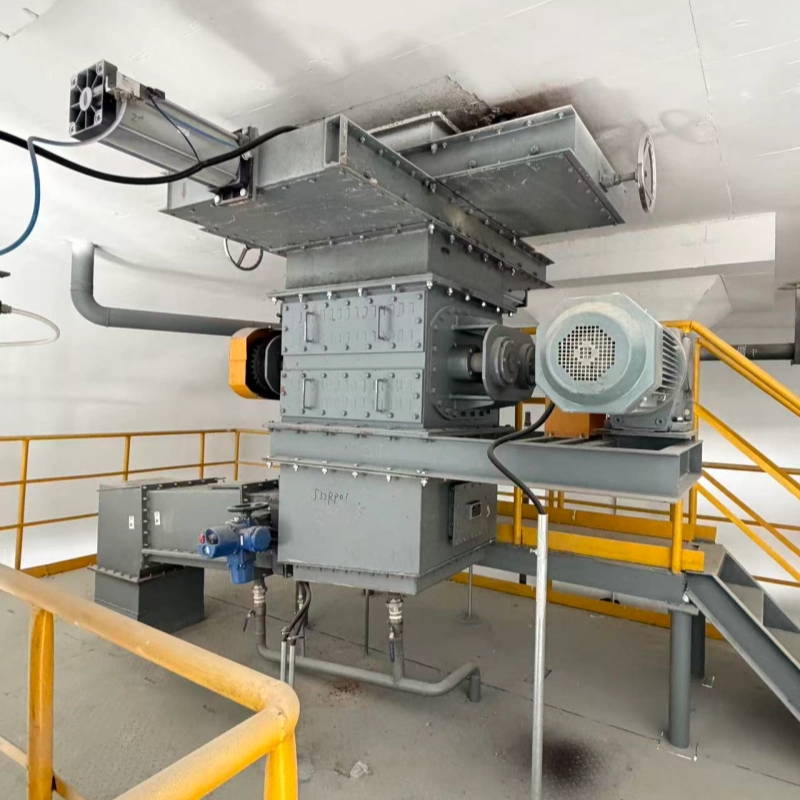
The best installation position is usually directly below the silo outlet or hopper discharge point, before the air slide conveyor inlet.
In many cement plant layouts, the crusher valve is installed in one of these positions:
√ Under the cement silo cone outlet
√ Below a storage hopper
√ Before the flow control gate
√ Before the air slide conveyor inlet
√ Before a screw conveyor or rotary valve
√ Before a bulk loading or packing system
For air slide conveyor protection, the preferred layout is:
Cement silo → Crusher valve → Flow control gate → Air slide conveyor
This layout allows the crusher valve to break oversized lumps first. Then the flow control gate regulates the discharge rate before material enters the air slide conveyor.
How a Crusher Valve Before Air Slide Conveyor Protects Air Slide Fabric
The air slide fabric is one of the most important parts of an air slide conveyor. If the fabric is blocked, worn, or damaged, powder fluidization becomes unstable.
A crusher valve before air slide conveyor helps protect the fabric in three ways.
1. Reducing Oversized Lumps
The crusher valve breaks large cement lumps into smaller, more flowable particles. Smaller material is less likely to damage the fabric or block the conveying chamber.
2. Preventing Direct Impact
Without a crusher valve, large lumps may fall directly into the air slide inlet. With a crusher valve installed first, material is conditioned before entering the chute.
3. Improving Material Flowability
Cement lumps often form because of moisture, long storage time, silo pressure, or temperature change. After deagglomeration, the material becomes easier to fluidize and convey.
Crusher Valve vs Flow Control Gate: Different Functions
Many users confuse crusher valves and flow control gates. In fact, they solve different problems.
| Equipment | Main Function | Best Used For |
|---|---|---|
| Crusher valve | Breaks cement lumps and agglomerates | Anti-blocking before conveyors or valves |
| Flow control gate | Regulates material discharge rate | Stable feeding and flow adjustment |
| Shut-off valve | Opens or closes material flow | Isolation and maintenance |
| Air slide conveyor | Transfers fluidized powder | Enclosed powder conveying |
A crusher valve handles material lump problems. A flow control gate handles discharge control. In a cement silo bottom system, these two devices often work together.
Typical System Layout: Silo + Crusher Valve + Flow Control Gate + Air Slide Conveyor
For cement plants, grinding stations, fly ash terminals, and powder storage systems, a common silo discharge layout is:
√ Cement silo stores dry powder
√ Aeration pads or air distribution devices help material flow toward the outlet
√ Crusher valve breaks large lumps at the silo bottom
√ Flow control gate regulates discharge rate
√ Air slide conveyor transfers powder to downstream equipment
√ Bag filter controls dust at transfer or loading points
This system is more stable than using an air slide conveyor alone. In this layout, the crusher valve before air slide conveyor works as the first protection point against oversized cement lumps. The crusher valve solves lump problems before they reach the conveyor. The flow control gate prevents sudden material surges. The air slide conveyor then handles fine powder transfer in an enclosed way.
cement silo bottom discharge system
When Do You Need a Crusher Valve Before Air Slide Conveyor?
Not every air slide conveyor system needs a crusher valve. If the cement powder is always dry, fine, and free-flowing, the air slide conveyor may work well without lump breaking.
However, a crusher valve before air slide conveyor should be considered when these problems appear:
√ Cement forms lumps after long storage
√ Silo outlet is often blocked
√ Air slide conveyor inlet becomes clogged
√ Air slide fabric is damaged too quickly
√ Material flow is unstable after silo discharge
√ Manual cleaning is required frequently
√ Large lumps are found before downstream equipment
√ Moisture or condensation exists inside the silo
√ Clinker particles or hard blocks enter the cement powder
√ The plant needs more reliable continuous discharge
If the main problem is poor aeration, aeration pads or air distribution should be checked first. If the main problem is oversized lumps, a crusher valve or lump breaker is more suitable.
Common Causes of Cement Lumps at Silo Bottom
Cement lump formation is usually caused by several site conditions, not only one factor.
Moisture Absorption
Cement powder can absorb moisture from humid air. Once moisture enters the silo or discharge area, powder may cake and harden.
Long Storage Time
When cement stays inside the silo for a long time, the lower layer is compressed by material weight. This pressure can create compacted blocks near the bottom.
Temperature Difference
Temperature changes may cause condensation inside the silo. This is common in outdoor silos or areas with large day-night temperature differences.
Poor Silo Aeration
If silo aeration is uneven, some zones may become stagnant. Material in these stagnant zones is more likely to compact and form lumps.
Foreign Particles or Clinker Contamination
Sometimes clinker fragments, hardened material, or foreign objects may enter the silo discharge system. These oversized particles can block the air slide conveyor if not removed or broken.
Buyer Checklist Before Ordering a Cement Silo Bottom Crusher Valve
Before selecting a crusher valve before air slide conveyor, buyers should prepare the following information:
√ Material name
√ Cement type or powder type
√ Bulk density
√ Moisture condition
√ Maximum lump size
√ Required output size after crushing
√ Silo outlet size
√ Required capacity in t/h
√ Installation height and available space
√ Downstream equipment type
√ Whether a flow control gate is installed
√ Air slide conveyor width and inlet size
√ Working temperature
√ Indoor or outdoor installation
√ Maintenance access space
√ Power supply
√ Site photos or drawings
This information helps the supplier choose the correct rotor structure, motor power, inlet and outlet flange size, and maintenance design.
Practical Selection Tips
1. Do Not Select Only by Silo Outlet Size
The silo outlet size is important, but it is not enough. The supplier also needs to know lump size, material condition, capacity, and downstream equipment.
2. Match Capacity with the Air Slide Conveyor
The crusher valve capacity should match the air slide conveyor capacity. If the crusher valve is too small, it may restrict discharge. If it is too large, the system cost may increase unnecessarily.
3. Check Maintenance Access
Crusher valves are installed at silo bottoms, where space is often limited. Inspection doors, blade replacement, and cleaning access should be considered before installation.
4. Consider Flow Control After Crushing
After lumps are broken, the material still needs stable discharge control. A flow control gate after the crusher valve can help regulate the material entering the air slide conveyor.
5. Review the Whole Silo Discharge System
A crusher valve is useful, but it cannot solve every problem alone. Silo aeration, discharge control, dust collection, air slide conveyor slope, and fabric condition should also be checked.
For general reference on conveyor and bulk material handling engineering, plant engineers may also review bulk material handling engineering standards when evaluating system layout and equipment selection.
FAQ About Crusher Valves Before Air Slide Conveyor
What is a crusher valve before air slide conveyor?
A crusher valve before air slide conveyor is a silo bottom device used to break cement lumps, compacted powder blocks, or clinker particles before they enter the air slide conveyor. It helps protect the air slide fabric, reduce chute blockage, and keep cement powder discharge more stable.
Why should cement plants install a crusher valve before air slide conveyor?
Cement plants should install a crusher valve before air slide conveyor when cement lumps often appear at the silo outlet. Air slide conveyors are designed for dry and fluidizable powder, not for large lumps. Breaking the lumps before conveying helps reduce blockage and protect downstream equipment.
Can cement lumps block an air slide conveyor?
Yes. Cement lumps can block the air slide conveyor inlet, reduce airflow through the fabric, create dead zones inside the chute, and stop powder fluidization. If the lumps are hard or oversized, they may also damage the air slide fabric.
Where should a cement silo crusher valve be installed?
A cement silo crusher valve is usually installed below the silo outlet and before the air slide conveyor inlet. In many cement silo discharge systems, the recommended layout is silo outlet, crusher valve, flow control gate, and then air slide conveyor.
What is the difference between a crusher valve and a flow control gate?
A crusher valve breaks cement lumps and agglomerated material. A flow control gate regulates the discharge rate. For stable silo discharge, the crusher valve before air slide conveyor solves the lump problem, while the flow control gate controls how much material enters the conveyor.
Does every air slide conveyor need a crusher valve?
No. If the cement powder is dry, fresh, and free-flowing, the air slide conveyor may not need a crusher valve. A crusher valve before air slide conveyor is mainly needed when the plant has cement lump formation, silo outlet blockage, unstable discharge, or frequent air slide conveyor cleaning.
How does a crusher valve protect air slide fabric?
A crusher valve protects air slide fabric by reducing oversized lumps before they reach the conveying chute. Smaller and more flowable material is less likely to block airflow, scratch the fabric, or create heavy impact at the air slide inlet.
What causes cement lumps at the silo bottom?
Cement lumps at the silo bottom are usually caused by moisture absorption, long storage time, material compaction, temperature difference, poor aeration, or clinker contamination. Once these lumps enter the conveying system, they may cause air slide conveyor blockage and unstable discharge.
Can a crusher valve before air slide conveyor improve discharge stability?
Yes. A crusher valve before air slide conveyor can improve discharge stability by breaking large lumps before they disturb the conveying process. When combined with proper silo aeration and a flow control gate, it helps maintain smoother material flow from the silo to downstream equipment.
What information is needed before ordering a crusher valve before air slide conveyor?
Useful information includes material name, bulk density, moisture condition, maximum lump size, required capacity, silo outlet size, air slide conveyor width, inlet size, installation height, downstream equipment, and site photos or drawings.
Is a crusher valve the same as a lump breaker?
In many cement silo applications, a crusher valve and a lump breaker have similar anti-blocking functions. The difference is that a crusher valve is often integrated into the silo discharge line, while a lump breaker may be used as a separate deagglomeration machine. The final selection depends on installation space, lump size, and system layout.
What is the best system layout for preventing air slide conveyor blockage?
A practical layout is cement silo, crusher valve, flow control gate, and air slide conveyor. The crusher valve breaks lumps, the flow control gate regulates discharge, and the air slide conveyor transfers dry powder in an enclosed chute. This layout is suitable for cement plants, grinding stations, fly ash terminals, and powder handling systems.
Conclusion
Installing a crusher valve before air slide conveyor is an effective way to protect cement silo discharge systems from lump-related blockage. Cement lumps can damage air slide fabric, block airflow, interrupt powder conveying, and overload downstream equipment. For plants that already face air slide conveyor blockage, adding a crusher valve before air slide conveyor can be a practical upgrade before replacing the whole conveying line.
A properly designed system should not rely on the air slide conveyor alone. For cement silos with lump formation risk, the better layout is often crusher valve, flow control gate, and air slide conveyor working together. The crusher valve breaks oversized material, the flow control gate stabilizes discharge, and the air slide conveyor transfers fluidized powder smoothly.
For cement plants, fly ash terminals, grinding stations, and powder handling projects, this system-level approach can reduce downtime, improve flow stability, and protect conveying equipment.
Contact Jiangsu Lvrui Machinery Co., Ltd.
Jiangsu Lvrui Machinery Co., Ltd. provides cement silo bottom crusher valves, lump breakers, flow control gate valves, air slide conveyors, loading spouts, bag filters, and bulk material handling solutions for cement plants, fly ash terminals, grinding stations, and dry powder industries.
If you need to install a crusher valve before air slide conveyor, you can send us your material information, silo outlet size, lump size, required capacity, air slide conveyor width, plant layout, and site photos. Our team can help check the suitable crusher valve model, installation position, flange connection, and downstream flow control solution.
For quotation or technical support, please contact us:
WhatsApp: +86-18261998937
WeChat: +86-18261998937
Email: info@lvrui-conveyor.com
Website: https://lvrui-conveyor.com/