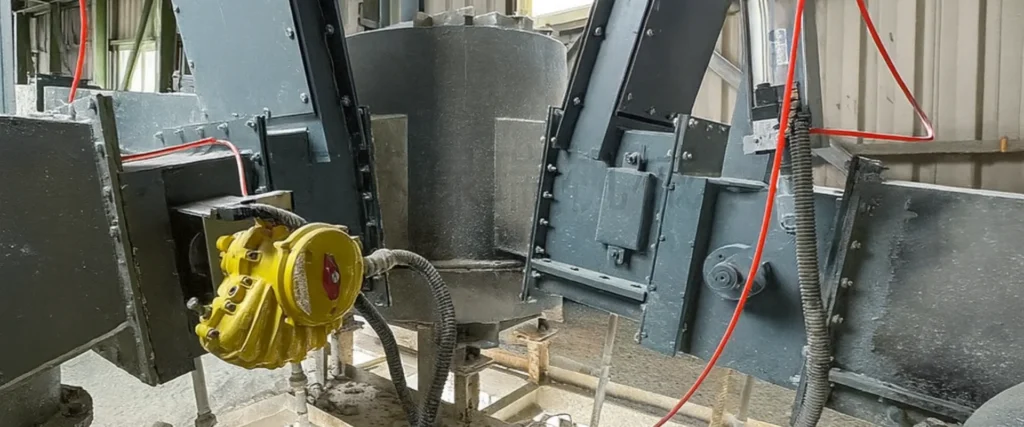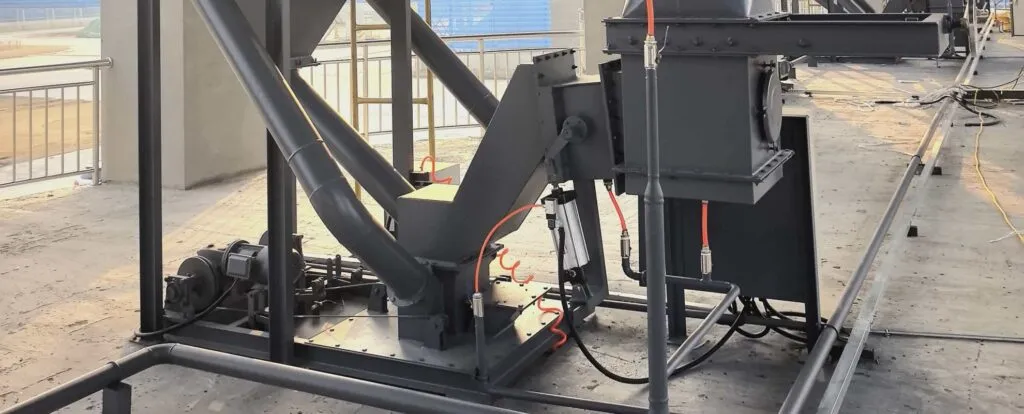
Slow cement tanker loading system from silo discharge to loading spout

Slow Cement Tanker Loading: Causes and Bottleneck Diagnosis

Slow cement tanker loading is usually caused by a restriction somewhere in the complete loading line, not simply by the bulk loader. The bottleneck may be located at the silo outlet, aeration system, flow control gate, conveyor, loading spout, dust extraction line, tanker vent, or control system. This guide explains how to calculate the actual loading rate and locate the real restriction before modifying equipment.

Slow Cement Tanker Loading: Causes and Bottleneck Diagnosis Read More »

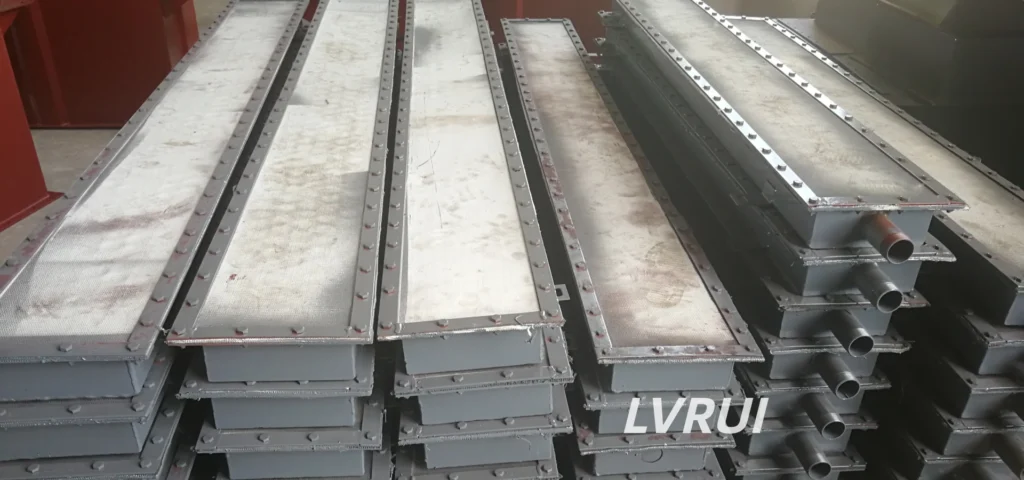
cement filter bag damage patterns including holes burns and hardened fabric

Cement Filter Bag Damage Patterns: How to Diagnose Holes, Burns and Hardened Fabric

Cement filter bag damage patterns can reveal whether a dust collector is suffering from abrasion, excessive temperature, moisture, cage damage, poor airflow, or incorrect pulse cleaning. This guide explains how to diagnose holes, burn marks, hardened fabric, seam failure, and uneven filter bag wear before replacing damaged bags.

Cement Filter Bag Damage Patterns: How to Diagnose Holes, Burns and Hardened Fabric Read More »

Air pressure solids level switch control box for cement loading spout

Cement Tanker Overfill Protection: 7 Practical Ways to Stop Overflow During Bulk Loading

Cement tanker overfill protection is important for safe, clean, and stable bulk cement loading. Overflow often happens when the tanker level is not detected in time, the flow control gate closes too late, or the loading spout is not properly matched with the control system. This guide explains how to reduce overfill risk through dry powder level detection, loading spout positioning, flow control, dust extraction, and automatic shut-off logic.

Cement Tanker Overfill Protection: 7 Practical Ways to Stop Overflow During Bulk Loading Read More »

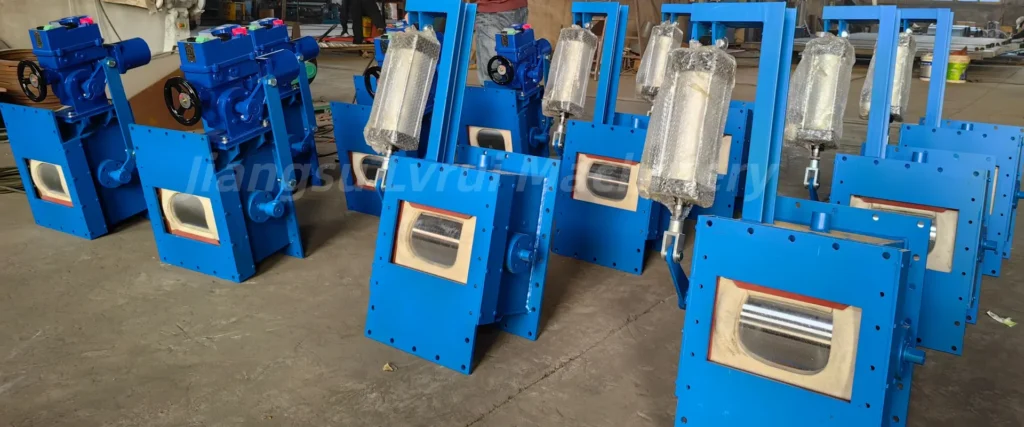
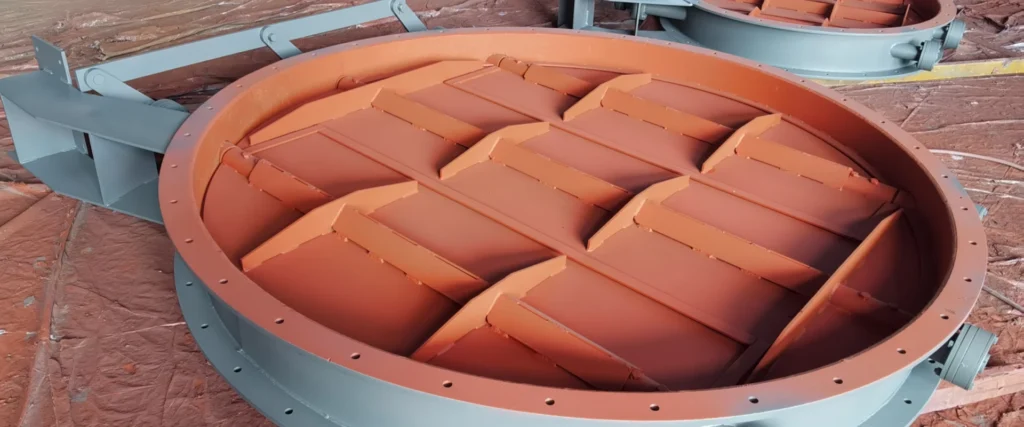
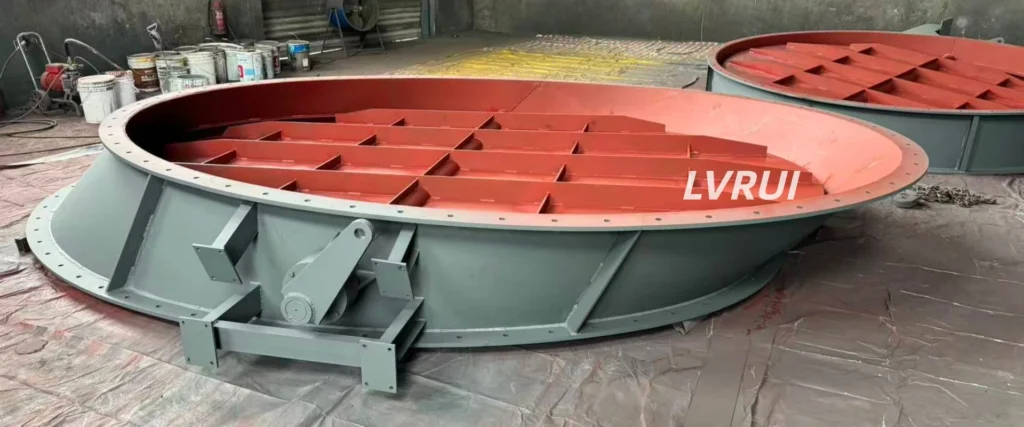
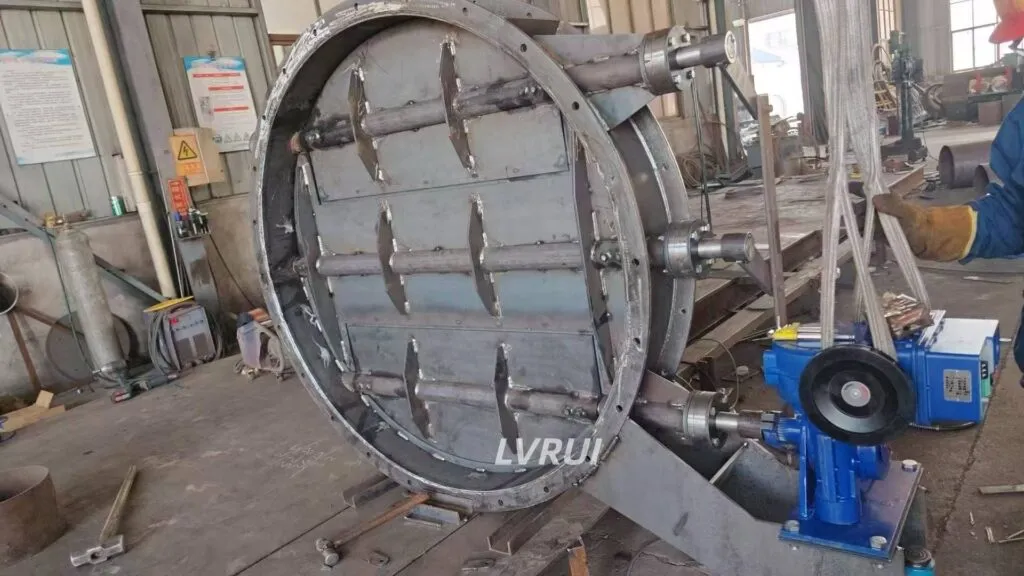
crusher valve before air slide conveyor for cement silo discharge

Lump Breaker Before Air Slide Conveyor: When Is It Needed?

A lump breaker before air slide conveyor equipment is used when hardened cement or other oversized agglomerates may reach the conveying inlet. Its role is to reduce these lumps before they enter the air slide, while the flow control gate regulates discharge and the air slide conveyor transports suitable powder downstream. This guide explains the correct equipment sequence, application limits and conditions that justify upstream lump protection.

Lump Breaker Before Air Slide Conveyor: When Is It Needed? Read More »

cement big bag filling dust control system with enclosed filling head

Cement Big Bag Filling Dust Control: How to Reduce Dust in Bulk Powder Packing

Cement big bag filling dust control is essential for cleaner and more stable packing of cement, fly ash, lime, and dry powder materials. Dust leakage usually comes from poor bag mouth sealing, fast feeding, high material drop, or weak dust extraction. This guide explains how to reduce dust through better filling head design, feeding control, bag clamping, and bag filter connection.

Cement Big Bag Filling Dust Control: How to Reduce Dust in Bulk Powder Packing Read More »

Loading bellows for dust-free bulk material loading into trucks, tankers, and silos

Canvas Shrouds for Loading Spouts: Replacement, Dust Control and Selection Guide

Canvas shrouds for loading spouts are often treated as simple spare parts, but they play an important role in dust control, loading cleanliness, and equipment protection. In cement plants, fly ash terminals, grinding stations, dry mortar plants, and silo discharge systems, canvas shrouds for loading spouts help reduce visible dust leakage, protect the loading area, and support cleaner dry bulk material loading.

Canvas Shrouds for Loading Spouts: Replacement, Dust Control and Selection Guide Read More »

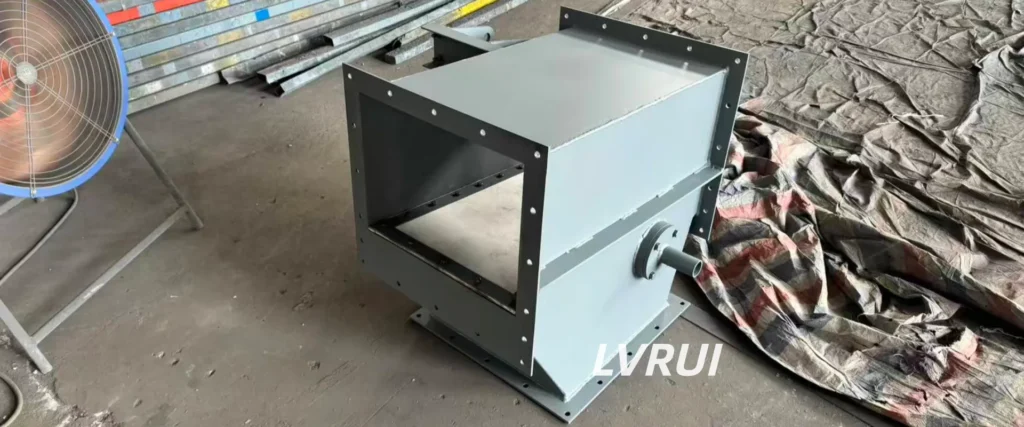
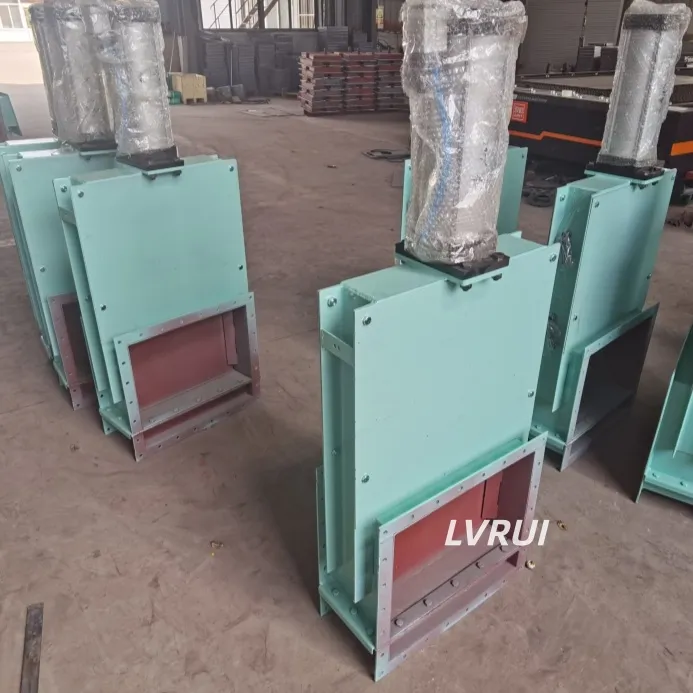
Flow control gate quotation for cement silo discharge and bulk powder handling

Flow Control Gate Quotation Checklist for Cement Silos

Flow Control Gate Quotation is not only about valve size. For cement silos, fly ash systems, air slide conveyors, screw conveyors and bulk loading lines, buyers need to provide material type, discharge capacity, outlet size, actuator type, installation position and sealing requirements. This checklist helps engineers and purchasing teams get a faster and more accurate quotation.

Flow Control Gate Quotation Checklist for Cement Silos Read More »

Cement plant material handling flow from raw material conveying to cement bulk loading

Cement Plant Material Handling: How a Cement Plant Works from Raw Material to Bulk Loading

Cement plant material handling connects every stage of cement production, from raw material conveying to cement powder storage, silo discharge, bulk loading, and dust control. This article explains how a cement plant works from a practical equipment perspective, covering air slide conveyors, bucket elevators, screw conveyors, flow control gate valves, lump breakers, cement bulk loaders, and dust collection systems. Stable material handling helps reduce blockage, dust leakage, loading delays, and unplanned downtime.

Cement Plant Material Handling: How a Cement Plant Works from Raw Material to Bulk Loading Read More »

LVRUI chain conveyor for clinker, cement, and bulk materials with dust-proof design for industrial material handling

Chain Conveyor Wear in Cement and Clinker Handling: 7 Causes and Practical Solutions

Chain conveyor wear is a common problem in cement plants, clinker handling lines, slag conveying systems, fly ash terminals, and heavy-duty bulk material handling projects. It is often caused by abrasive materials, poor chain tension, material buildup, misalignment, insufficient lubrication, overloaded feeding, or worn sprockets and scrapers. This article explains 7 common causes of chain conveyor wear and provides practical troubleshooting methods for improving service life, reducing shutdowns, and keeping cement and clinker conveying systems stable.

Chain Conveyor Wear in Cement and Clinker Handling: 7 Causes and Practical Solutions Read More »