Panduan lengkap ini menjelaskan fungsi Flow Control Valve pada pabrik semen dan sistem penanganan material, termasuk fitur, aplikasi, serta keunggulan produk LVRUI.
What Is a Flow Control Valve?
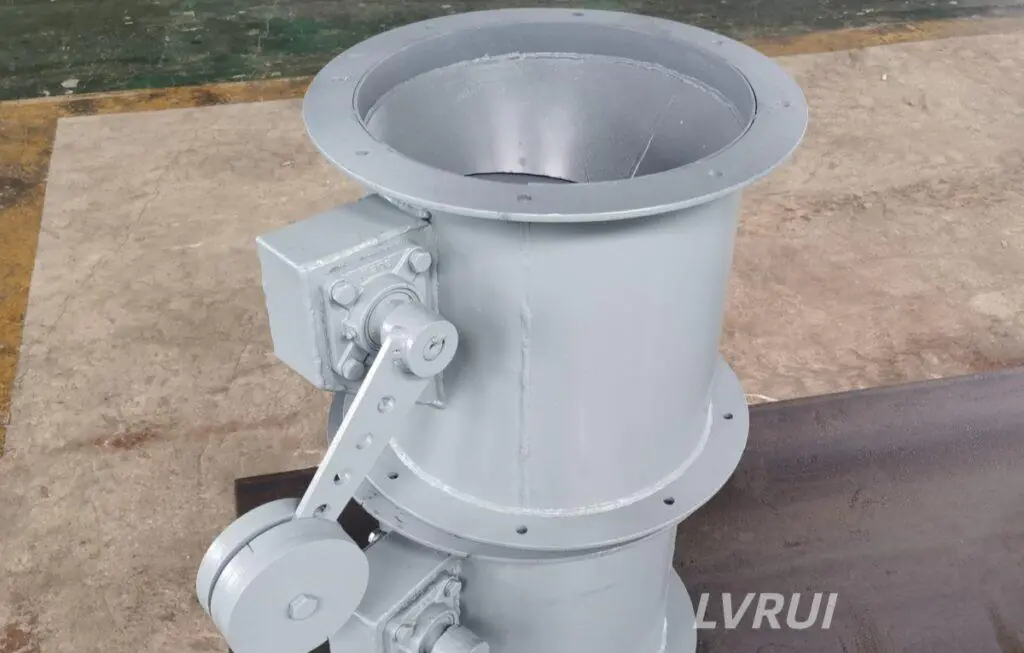
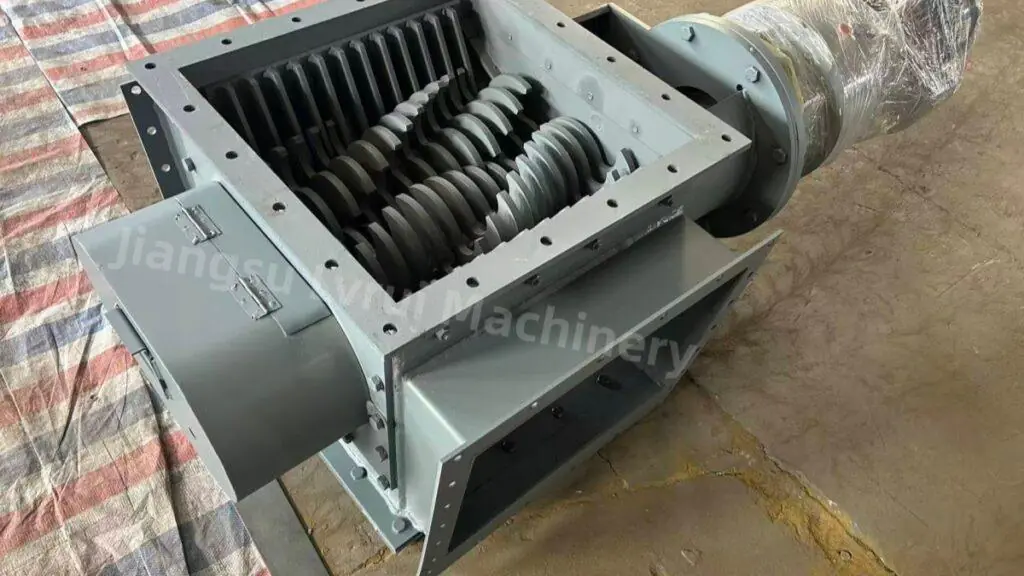
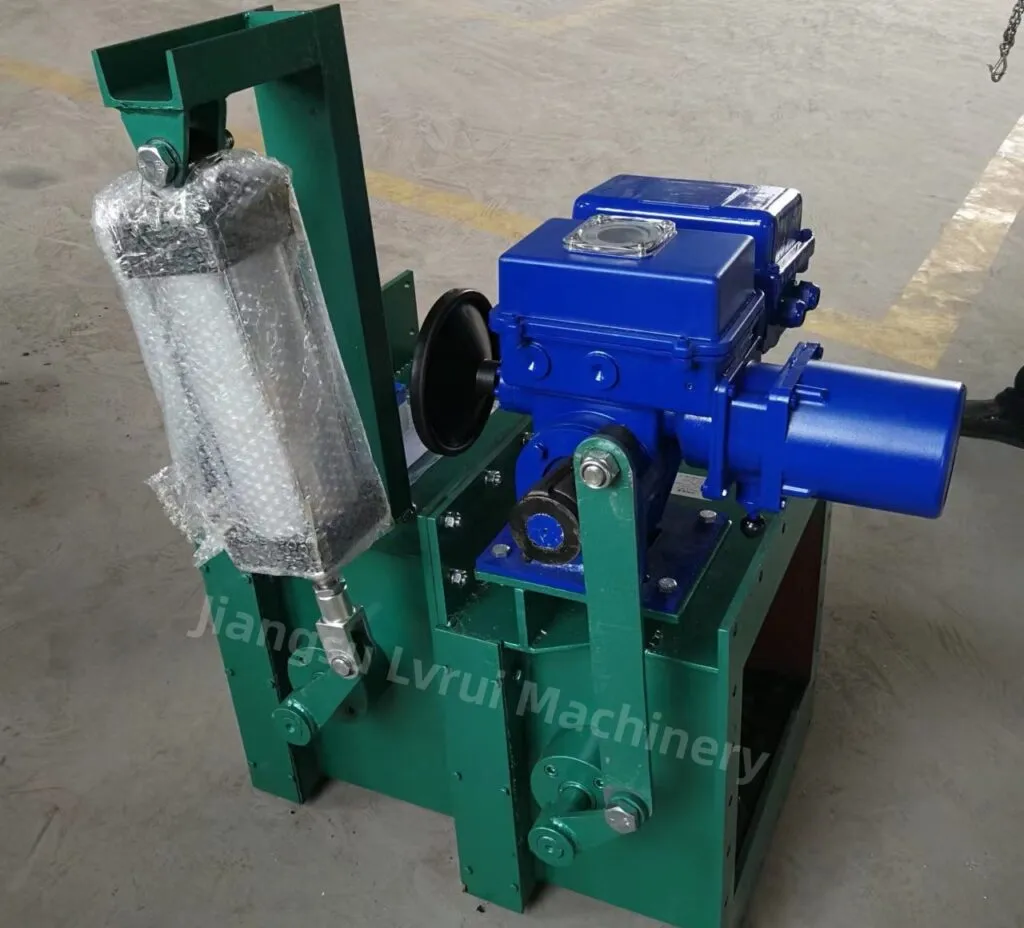
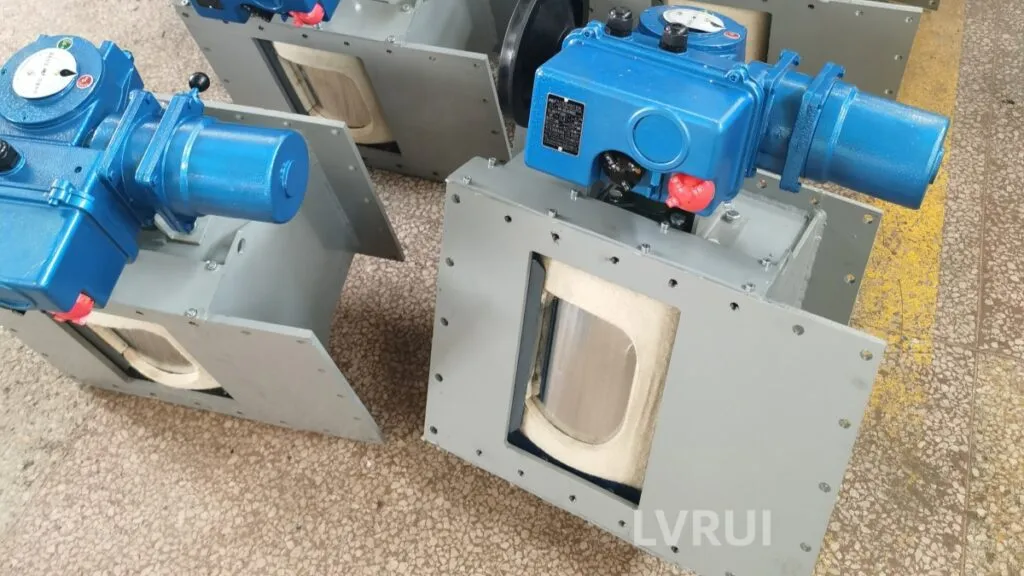
A Flow Control Valve is an industrial device designed to regulate the discharge rate of cement, fly ash, clinker, lime, and other bulk powders. It ensures stable material feeding from silos, hoppers, air slide conveyors, screw conveyors, and packing systems, supporting efficient and continuous cement plant operations.
According to CEMA standards, proper flow control valves enhance material handling efficiency in bulk industries.
Why Flow Control Valve Is Important in Cement Plants?
Unstable material flow is a common issue in bulk material handling. It may cause:
- Blockage at silo bottom
- Irregular discharge
- Downtime in conveying systems
- Inaccurate batching or weighing
- Increased labor and maintenance costs
LVRUI Valves solve these problems by offering precise and stable flow control, improving production consistency and reducing material loss.
Main Features of LVRUI Flow Control Valve
✔ High-Strength Body
Manufactured with carbon steel or stainless steel to withstand dust, abrasion and heavy-duty operation.
✔ Fast Pneumatic Actuation
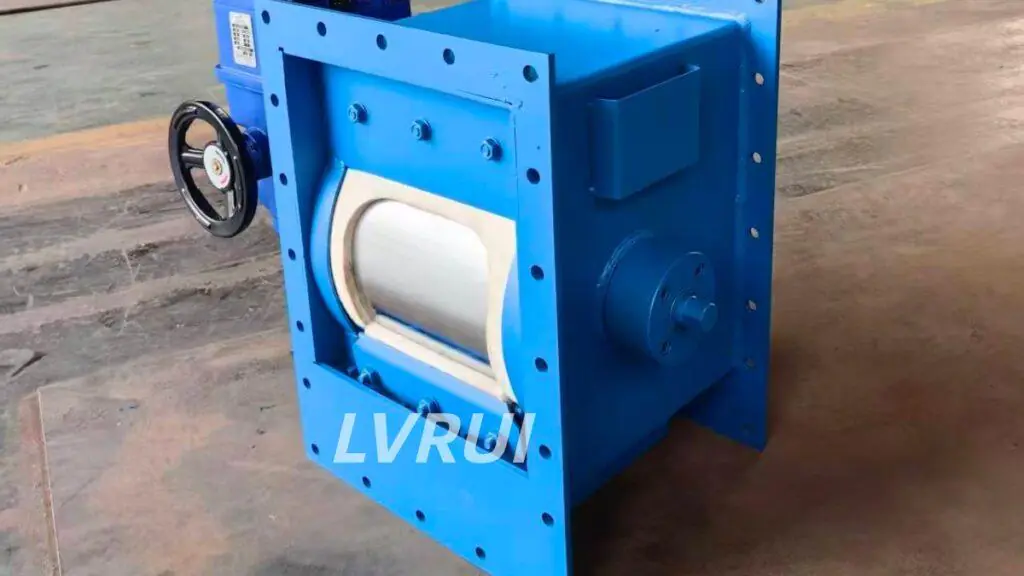
Equipped with reliable pneumatic cylinders and solenoid valves for quick response.
✔ Accurate Flow Adjustment
The adjustable blade allows precise control depending on production requirements.
✔ Excellent Sealing Performance
Wear-resistant sealing rings reduce leakage and extend valve lifespan.
✔ PLC Automation Support
Fully compatible with industrial automation systems for stable operation.
Common Applications of Flow Control Valve
Industrial flow valves are widely used in:
- Cement silo discharge
- Air slide conveyor systems
- Bulk loading and unloading
- Packing machine feeding
- Pneumatic conveying
- Powder and granular material handling
- Mining, chemical and cement industries
Working Principle of Flow Control Gate
The valve adjusts material discharge by changing the gate plate angle. When sensors or PLC detect changes, the actuator immediately regulates flow. This ensures smooth operation, prevents arching, and maintains consistent production performance.
Benefits of Using LVRUI industrial flow valve
✔ Stable and uniform material flow
✔ Reduced risk of silo bottom blockage
✔ Low maintenance cost
✔ Long service life under harsh conditions
✔ Easy integration with existing systems
✔ Improved production efficiency and accuracy
Why Choose LVRUI as Your Valve Supplier?
Professional Manufacturing
We use CNC machining, laser cutting and strict quality inspection to ensure high-precision equipment.
Custom Options
Different materials, flange sizes, actuators and sealing types are available.
Strong Export Experience
Delivered to Indonesia, Vietnam, Saudi Arabia, UAE, Africa and over 30+ countries.
Technical Support
We provide detailed technical drawings, installation guidance and after-sales service.
FAQs About Flow Control Valve
What types of materials can LVRUI Flow Control Valves handle?
Cement, fly ash, clinker, lime, gypsum, and other fine or granular powders used in bulk material handling systems.
Can Flow Control Valves integrate with automation systems?
Yes, LVRUI valves are PLC-compatible and can integrate with plant automation for precise flow regulation.
How to prevent material arching at the silo bottom?
Using properly designed flow control valves with adequate aeration or vibration ensures smooth material discharge and prevents arching.
Are LVRUI valves suitable for tropical climates like Indonesia?
Yes, valves are built with corrosion-resistant materials and coatings suitable for humid and tropical conditions.
What are the advantages of a Flow Control Valve over a standard Slide Gate?
Valves provide precise discharge control, better sealing, and smoother integration with conveyors, reducing blockage and material loss.
How to select the right Flow Control Valve for air slide conveyors?
Consider material type, flow rate, system integration, and actuator type. LVRUI provides engineering support and selection guidelines for optimal performance.
Indonesian Version
Flow Control Valve digunakan untuk mengatur kecepatan aliran material seperti semen, fly ash, dan powder lainnya pada silo, hopper dan sistem air slide.
Valve ini membantu menjaga aliran material tetap stabil, mengurangi penyumbatan pada bagian bawah silo, serta meningkatkan efisiensi proses produksi.
Keunggulan LVRUI Flow Control Valve:
✔ Struktur kuat dan tahan abrasi
✔ Respon pneumatik cepat
✔ Kontrol aliran yang akurat
✔ Mendukung sistem otomatisasi PLC
✔ Mudah diintegrasikan dengan peralatan pabrik semen
Ready to Improve Your Material Flow System?
LVRUI provides high-performance Flow Control Valves and complete bulk material handling solutions for cement, mining, and industrial applications.
Contact Our Engineering Team:info@lvrui-conveyor.com | lvrui-conveyor.com