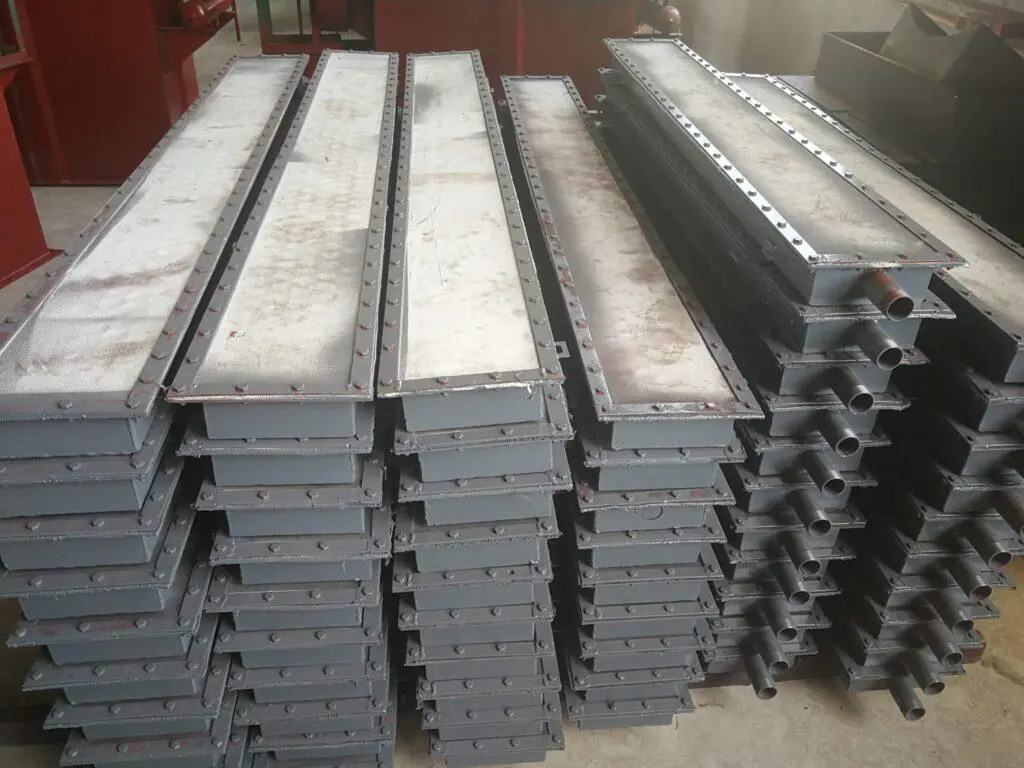
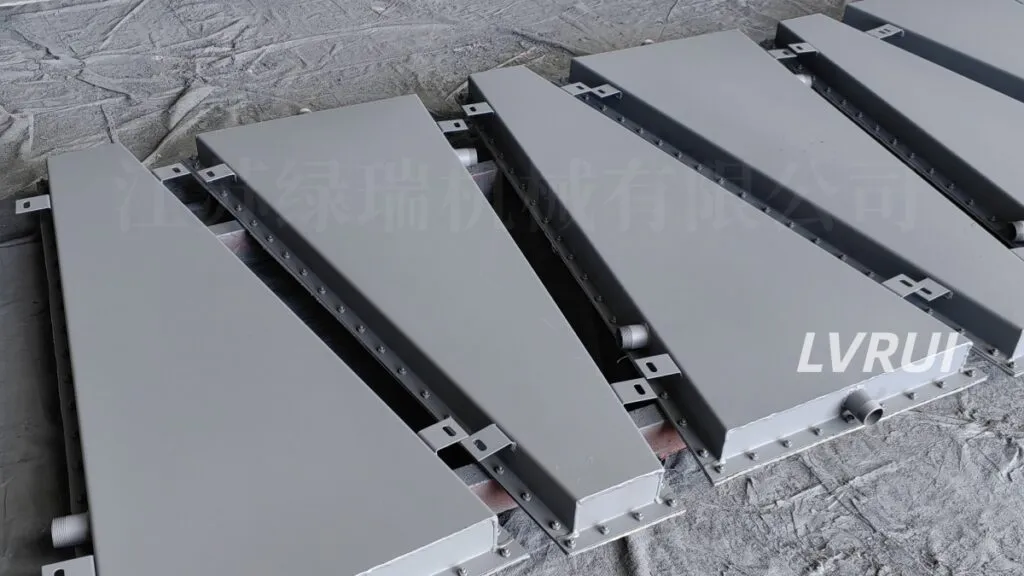
How Air Slide Conveyors Work
Panduan Air Slide Conveyor untuk Pabrik Semen
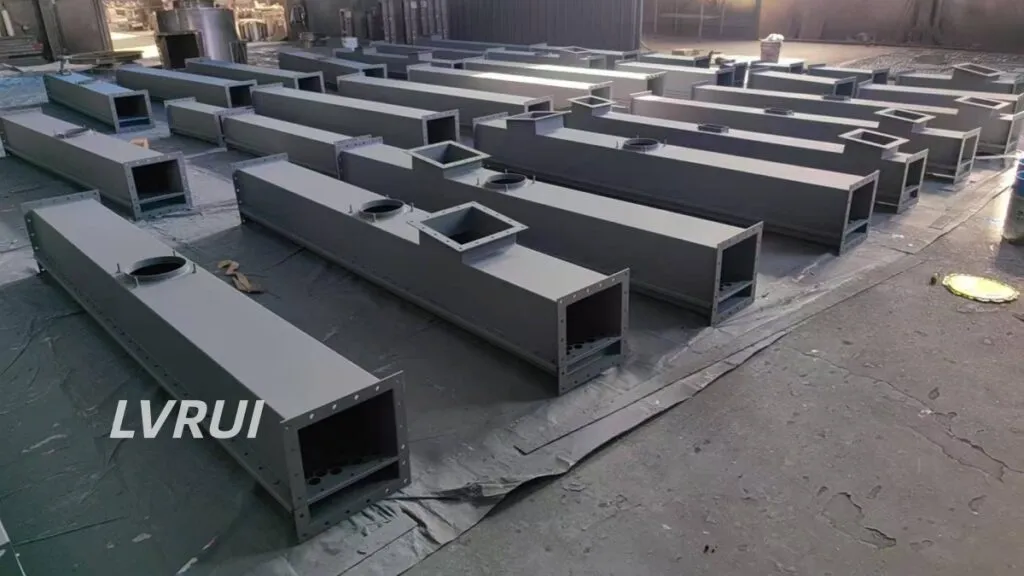
Introduction
When handling fine powder materials such as cement, fly ash, clinker dust, and lime powder, an Air Slide Conveyor (Air Gravity Conveyor) is one of the simplest and most efficient conveying technologies in the bulk material handling industry.
This guide explains how air slides work, their key components, advantages, installation tips, and how to select the right air slide conveyor for your plant while considering cost and ROI.
What Is an Air Slide Conveyor?
An Air Slide Conveyor is a gravity-based conveying system that uses a flow of low-pressure air through a permeable fabric to move powdered materials horizontally or slightly downward.
When air passes through the fabric, the powder becomes fluidized—behaving almost like a liquid—and flows smoothly along the conveyor channel.
Key Components:
- Air Slide Fabric (polyester, aramid)
- Blower / Roots fan
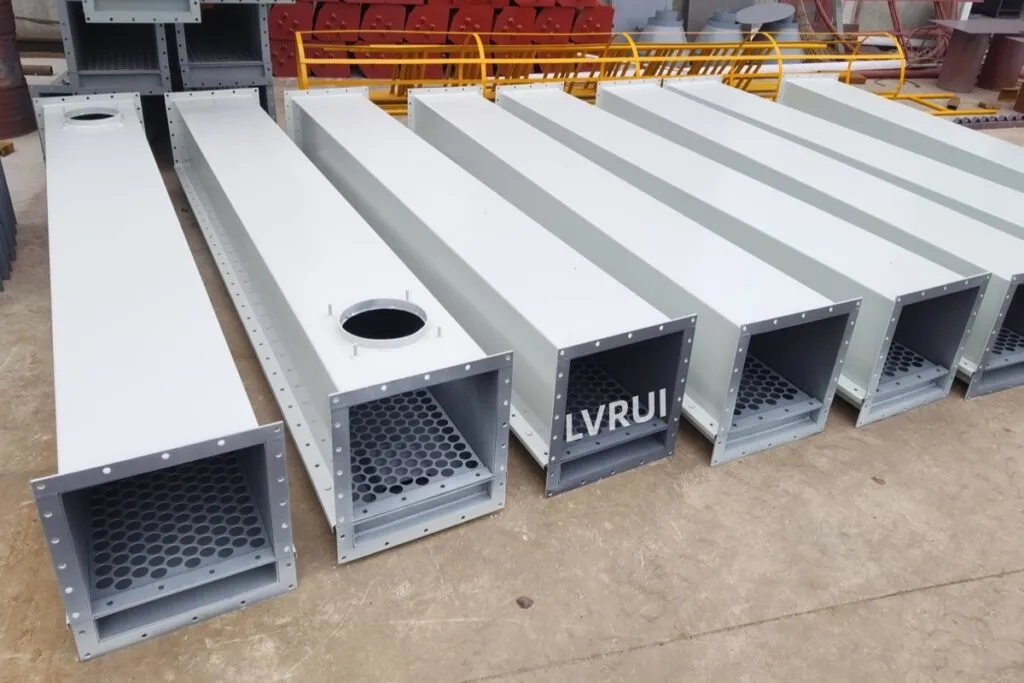
- Steel trough
- Inspection doors
- Dust control connections
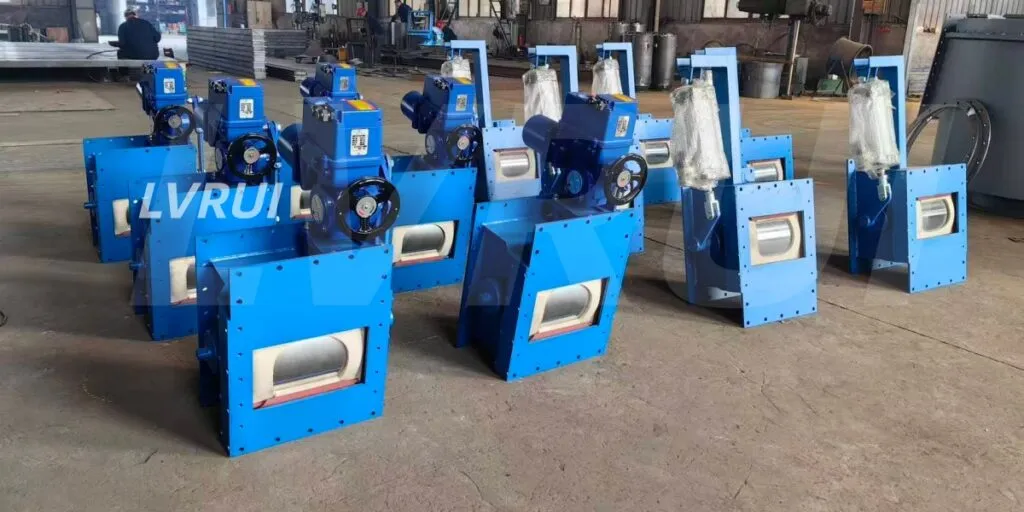
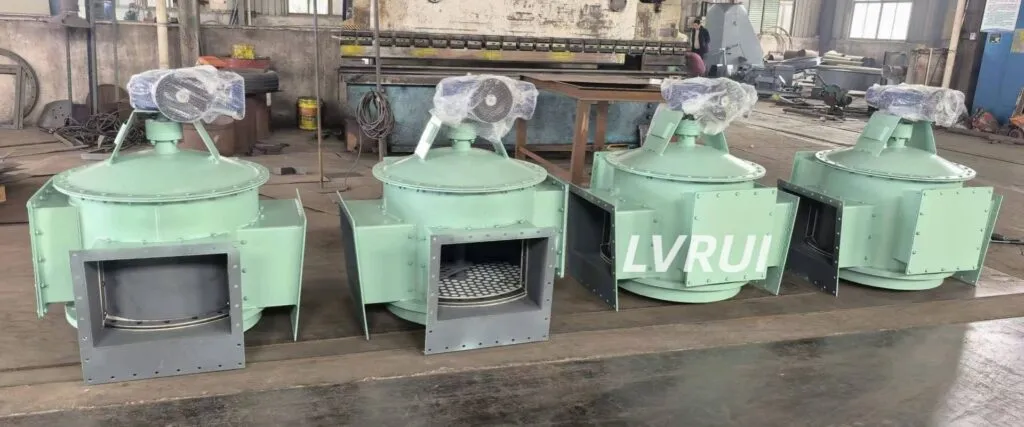
For real cement plant applications, air slide conveyors operate together with flow control and fluidization components to ensure stable powder discharge and efficient material conveying.
See:Flow Control Gates and Aeration pads
How Does an Air Slide Conveyor Work?
Air slides consist of:
- Steel trough (upper and lower chambers)
- Air slide fabric (permeable membrane)
- High-pressure blower
- Inlet/outlet chutes
- Inspection covers
- Observation window
Working Principle:
- Air enters the lower chamber from a blower
- Air flows upward through the air slide fabric
- Powder above the fabric becomes fluidized
- Gravity moves the fluidized material along the slope (4–12°)
Typical Applications:
- Cement plants
- Fly ash handling systems
- Silo discharge and feeding
- Bulk powder storage terminals
- Chemical & mineral industries
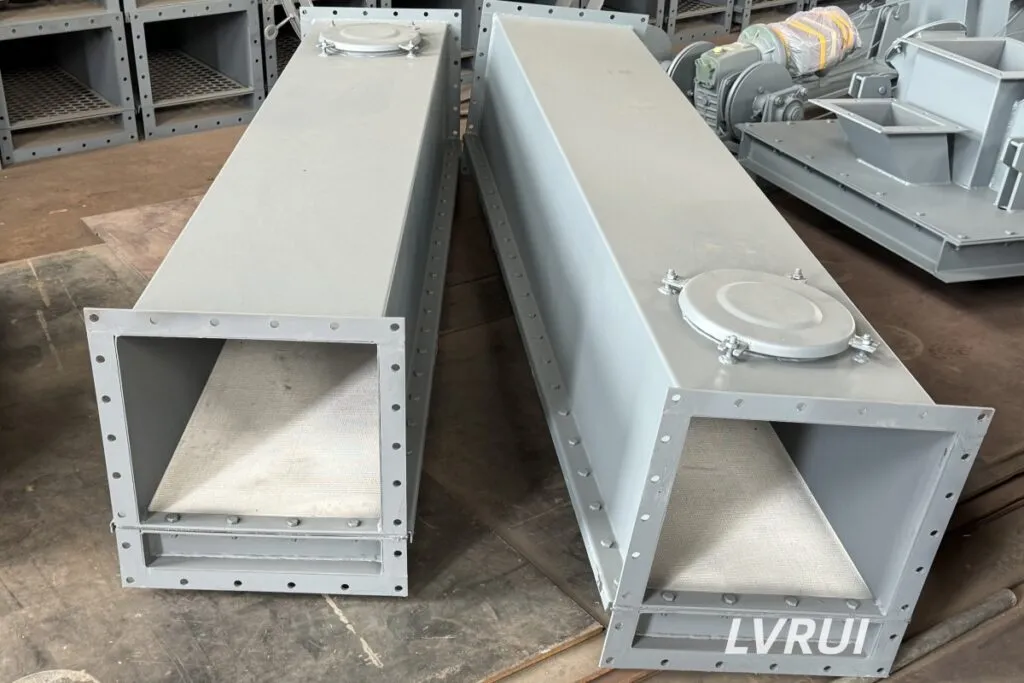
Real Engineering Application Case – Cement Plant Air Slide System
In a modern cement plant material handling system, air slide conveyors are widely used to transport fine powder materials between silos, dust collectors, and packing stations.
Project Example:
A Southeast Asia cement factory installed an air slide conveyor system to replace traditional screw conveyors in their clinker grinding line.
Project Data:
- Plant capacity: 5,000 TPD cement production line
- Air slide length: 36 meters
- Material: Cement powder (bulk density 1.3 t/m³)
- Conveyor slope: 7°
- Air pressure: 25–30 kPa
Results After Installation:
✔ Reduced maintenance costs by 40%
✔ Eliminated mechanical wear problems
✔ Achieved dust-free conveying
✔ Improved material flow stability
✔ Lowered energy consumption by 30%
References:
- DryBulk International – Bulk Powder Handling
- CEMA Conveyor Standards
- Global Cement Magazine – Industry Trends
Advantages of Air Slide Conveyors
- No moving parts: Minimal maintenance and extremely reliable
- Low energy consumption: Only the blower consumes power
- Dust-free operation: Perfect for cement , powder material & fly ash
- Long conveying distances: Up to 100m per section, expandable
- Safe for high-temperature materials: Fabric options withstand up to 200°C
How to Select & Design an Air Slide Conveyor
Material Factors
- Particle size
- Temperature
- Moisture
System Design Factors
- Conveying capacity
- Airflow rate
- Fabric permeability
Installation Factors
- Length
- Slope
- Layout constraints
Selection Summary:
Proper air slide conveyor selection depends on balancing material characteristics, airflow design, conveying distance, and fabric permeability to ensure stable fluidization, energy efficiency, and long-term reliability.
Air Slide Conveyor vs Screw Conveyor
| Feature | Air Slide | Screw Conveyor |
|---|---|---|
| Moving Parts | ❌ None | ✔ Yes |
| Maintenance | Low | High |
| Dust Control | Excellent | Medium |
| Energy Consumption | Very low | Medium–High |
| Best For | Powder | Mixed materials |
Conclusion:
If your system handles powders, air Gravity Conveyor is always more efficient, energy-saving, and maintenance-friendly.
Air Slide Conveyor Capacity & Specifications
| Specification | XZ200 | XZ250 | XZ315 | XZ400 | XZ500 | XZ630 | XZ800 |
|---|---|---|---|---|---|---|---|
| Capacity (t/h) α=4° – Cement | 22T/h | 40T/h | 70T/h | 130T/h | 220T/h | 320T/h | 400T/h |
| Capacity (t/h) α=4° – Raw Material | 16T/h | 30T/h | 55T/h | 100T/h | 165T/h | 245T/h | 310T/h |
| Capacity (t/h) α=6° – Cement | 40T/h | 65T/h | 120T/h | 250T/h | 400T/h | 610T/h | 765T/h |
| Capacity (t/h) α=6° – Raw Material | 30T/h | 55T/h | 90T/h | 185T/h | 300T/h | 455T/h | 565T/h |
| Capacity (t/h) α=8° – Cement | 50T/h | 80T/h | 140T/h | 300T/h | 470T/h | 720T/h | 900T/h |
| Capacity (t/h) α=8° – Raw Material | 35T/h | 65T/h | 110T/h | 225T/h | 355T/h | 540T/h | 670T/h |
| Capacity (t/h) α=10° – Cement | 60T/h | 100T/h | 170T/h | 380T/h | 570T/h | 900T/h | 1080T/h |
| Capacity (t/h) α=10° – Raw Material | 45T/h | 80T/h | 140T/h | 285T/h | 425T/h | 670T/h | 800T/h |
| Capacity (t/h) α=12° – Cement | 70T/h | 120T/h | 205T/h | 455T/h | 685T/h | 1080T/h | 1295T/h |
| Capacity (t/h) α=12° – Raw Material | 50T/h | 95T/h | 165T/h | 340T/h | 510T/h | 805T/h | 960T/h |
When Should an Air Slide Conveyor Be Used?
Best suited for:
• Fine powder materials
• Continuous conveying systems
• Dust-controlled environments
• Long-distance horizontal transport
Not suitable for:
• Large lump materials
• Sticky or wet materials
• Very steep conveying angles
Common Air Slide Conveyor Problems & Solutions
Problem 1: Poor Material Fluidization
Causes: Insufficient airflow, fabric clogging, incorrect slope
Solutions: Increase air pressure, clean/replace fabric, adjust conveyor inclination
Problem 2: Material Blockage
Causes: High moisture content, sticky materials, low air permeability fabric
Solutions: Use high-permeability fabric, install vibration/aeration devices, improve upstream drying
Problem 3: Uneven Material Flow
Causes: Air distribution imbalance, fabric aging, improper channel design
Solutions: Install air distribution control valves, replace worn fabric, optimize air chamber layout
Summary: Most air slide conveyor failures are caused by improper airflow distribution rather than mechanical defects.
FAQs – Air Slide Conveyor Engineering Questions
What materials are suitable for air slide conveyors?
Fine, dry powders such as cement, fly ash, lime powder, alumina, and mineral dust. Not suitable for large lumps or sticky materials.
How does an air slide conveyor move materials without mechanical parts?
Uses high-pressure air to fluidize powder through a permeable fabric, allowing smooth, dust-free flow without moving parts.
What is the typical service life of an air slide conveyor?
Typically 5–10 years depending on material abrasiveness and fabric quality. Proper maintenance improves lifespan and ROI.
What are the main advantages compared to screw conveyors?
Minimal energy consumption
No moving parts
Dust-free operation
Reduced maintenance costs
Reliable handling for fine powders
These benefits improve cost efficiency and ROI.
What factors affect conveying capacity?
Airflow pressure, fabric permeability, conveyor slope, material bulk density, and channel design.
How to calculate ROI and cost efficiency of an air slide conveyor?
Consider energy savings, lower maintenance, dust-free handling, and stable throughput to estimate cost efficiency and ROI.
Why Air Gravity Conveyors Are Superior for Cement Plants
Compared to mechanical conveying equipment, air slide systems offer unmatched reliability, low maintenance, and energy efficiency when handling fine powder materials.
✔ No moving mechanical parts
✔ Extremely low operating cost
✔ Dust-free conveying
✔ Long service life
✔ Easy integration with automation systems
Indonesian Technical Version
Air Slide Conveyor adalah sistem pengangkutan material bubuk berbasis gravitasi dengan aliran udara bertekanan rendah melalui kain permeabel. Cocok untuk semen, fly ash, kapur, dan debu mineral. Sistem ini tidak memiliki komponen mekanis bergerak sehingga konsumsi energi rendah dan perawatan minimal.
Keunggulan utama:
• Konsumsi energi sangat rendah
• Operasi bebas debu
• Tidak ada bagian bergerak
• Umur pakai panjang
• Cocok untuk material bubuk halus
CAT
Looking for a reliable Air Slide Conveyor for cement, fly ash, or powder handling systems?
LVRUI provides:
✔ Air Slide Conveyor
✔ Air Slide Fabric
✔ Flow Control Gates
✔ Butterfly Dampers
✔ Diverter Valves
✔ Bulk Material Handling Solutions
📧 Email: info@lvrui-conveyor.com
🌐 Website: https://lvrui-conveyor.com