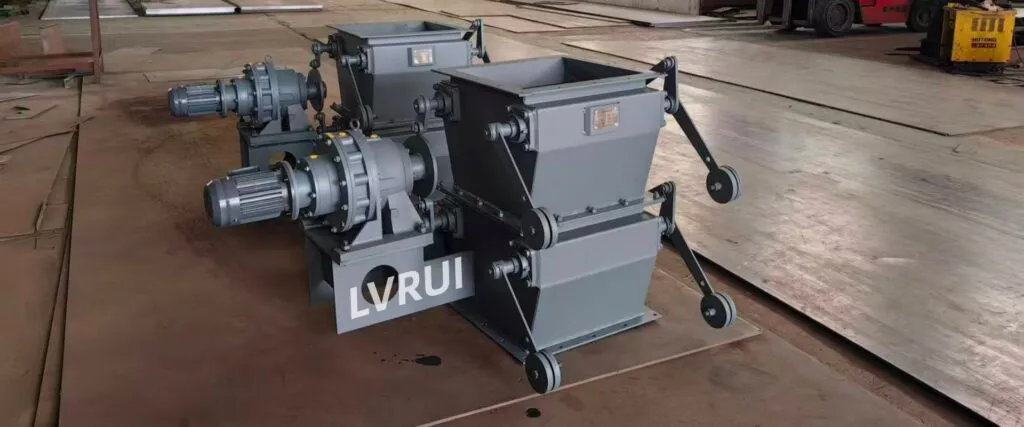
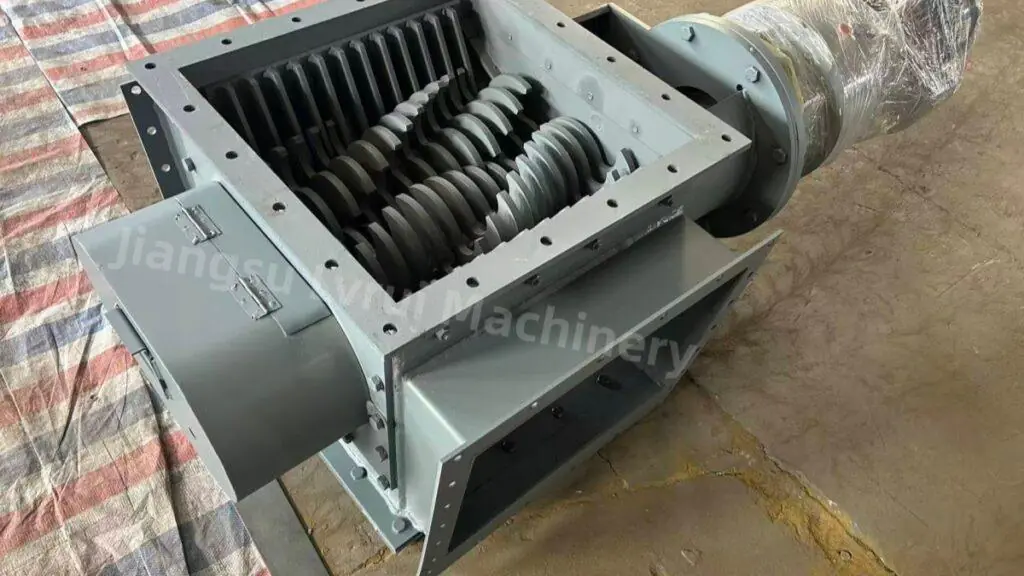
A Complete Industrial Guide to Powder Handling Diverter Valve Selection | Panduan Lengkap Memilih Diverter Valve Terbaik untuk Penanganan Material Bubuk
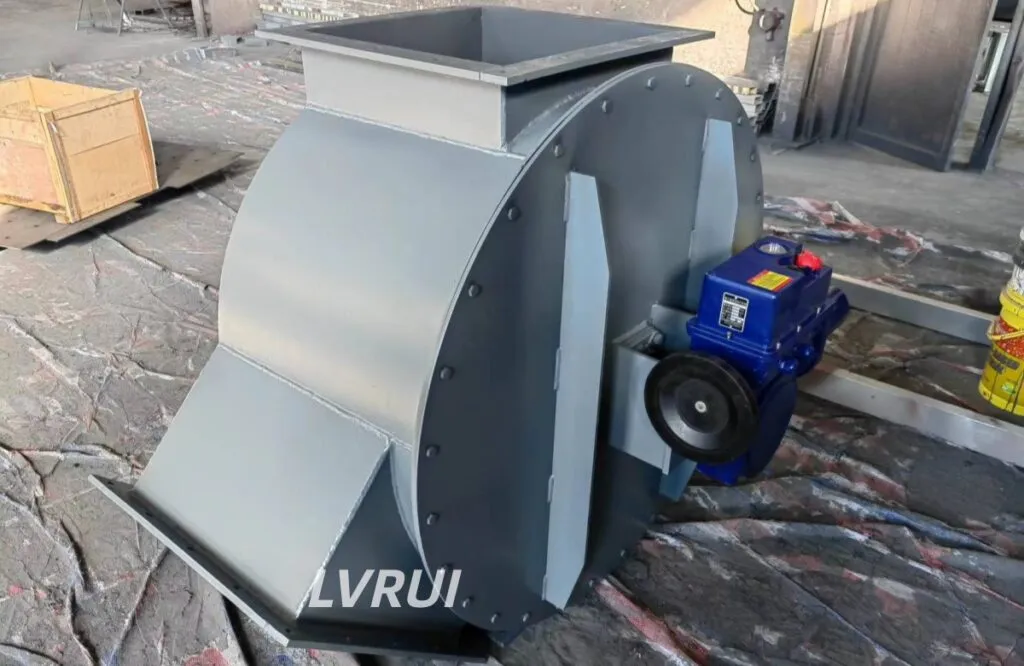
Introduction
Choosing the right diverter valve for powder materials is critical for stable bulk material handling, operational reliability, and long-term system efficiency in cement plants, mining facilities, and powder processing lines. Diverter valves route material flows from one inlet to multiple outlets, and their design impacts dust control, system throughput, sealing performance, wear resistance, and automation integration.
In this guide, we’ll show practical engineering principles, selection criteria, industry standards references, and field-tested recommendations for powder material diverter valve selection—helping engineers, plant managers, and procurement professionals make the optimal choice.
What Is a Diverter Valve?
A diverter valve is a flow-direction device used to route bulk powder materials from one inlet to multiple discharge points. It’s widely deployed in pneumatic conveying lines, gravity conveying systems, and silo discharge networks.
Unlike simple gates or slide valves, diverter valves are engineered for reliable redirection under dynamic load, preserving flow stability and minimizing leakage.
Learn more about powder behavior in bulk material handling with Powder Technology on Wikipedia.
Types of Diverter Valves for Powder Materials
1. Two-Way Diverter Valve
Used to redirect materials into two different paths. Suitable for cement plants, silo feeding, packing lines, and batching systems.
2. Three-Way Diverter Valve
Offers flexible routing for multi-line conveying networks.
3. Gravity Diverter Valve
Best for free‑flowing powders such as cement, lime, and flour using gravity energy.
4. Pneumatic Diverter Valve
Actuated by air cylinders—recommended for fast switching and fully automated plants.
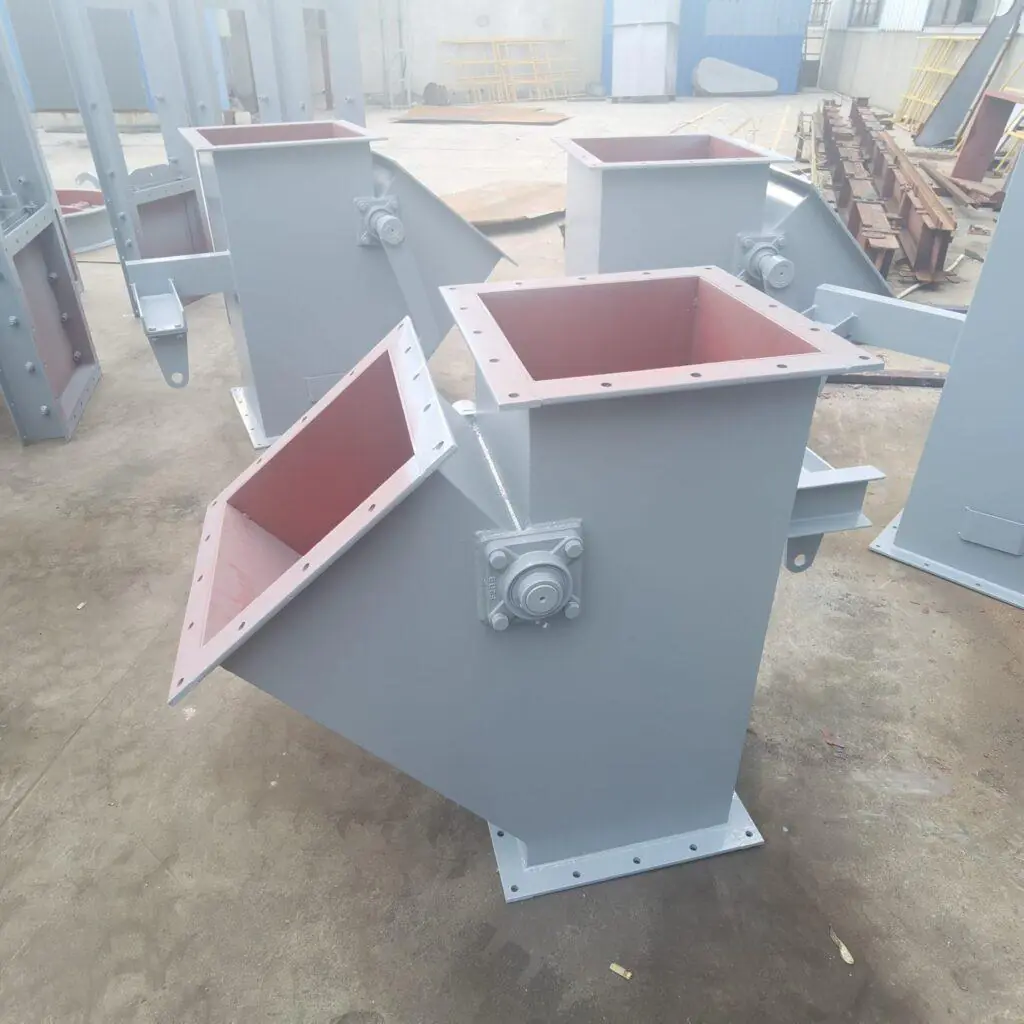
How to Select the Right Diverter Valve for Powder Materials
1. Understand Powder Flow Characteristics
Different powders behave differently:
- ✔ Free-flowing (cement, lime, fly ash)
- ✔ Semi-abrasive (clinker dust, minerals)
- ✔ Cohesive/sticky materials (powdered chemicals)
Selecting the proper valve type, sealing material, and outlet configuration depends on flow behavior and physical properties.
2. Check the Operating Pressure
A diverter valve must match the system’s conveying pressure:
- Low-pressure systems → Gravity & air gravity systems
- Medium-pressure → Typical dilute-phase pneumatic systems
- High-pressure → Dense-phase conveying systems
If pressure ratings are mismatched, leakage or valve failure will occur, especially in dust‑sensitive powder applications.
3. Choose the Right Sealing Structure
For powder materials, sealing quality determines dust control and long‑term stability:
- ✔ Soft sealing → Best for fine powders
- ✔ Hard sealing → Best for abrasive materials
- ✔ Air-tight sealing → Prevents leakage in pressurized systems
Refer to OSHA Dust Control Guidelines for standards on safe dust management in powder handling systems.
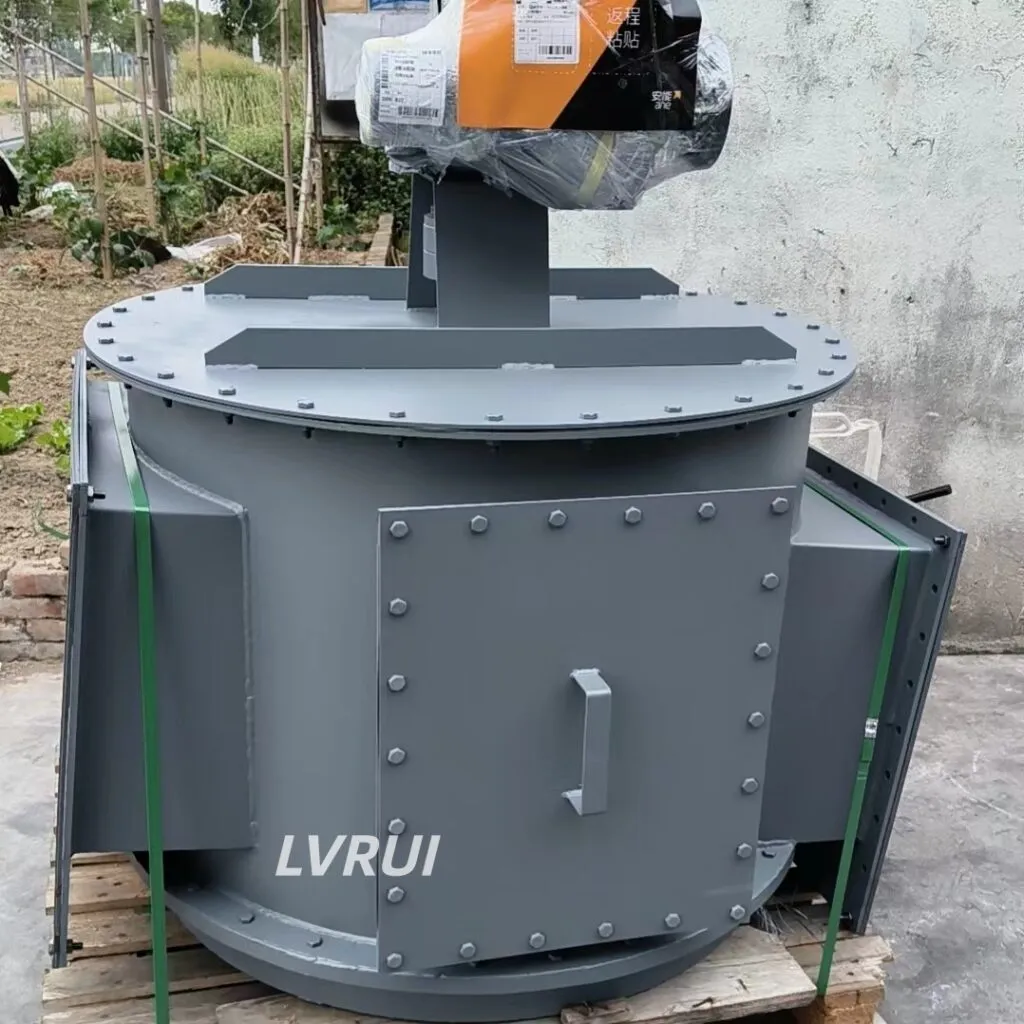
4. Evaluate Wear Resistance
Abrasive materials demand wear‑resistant components:
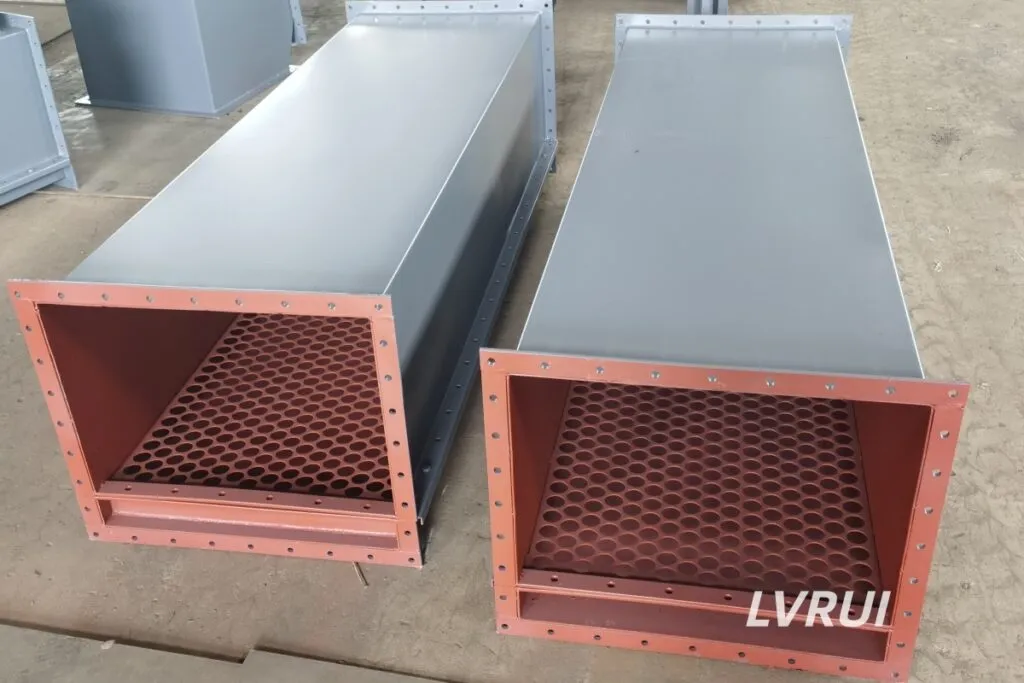
- Hardened steel
- Wear-resistant liner
- Replaceable valve gate or cone
This dramatically increases valve lifespan and reduces downtime for heavy usage in cement and mineral plants.
5. Consider Automation Requirements
Options include:
- ✔ Manual operated diverter valve
- ✔ Pneumatic cylinder
- ✔ Electric motorized diverter
- ✔ PLC/SCADA integration
For fully automatic routing and real‑time process control, choose pneumatic or motorized valves integrated with plant automation.
6. Installation Space & System Layout
Check:
- Available installation height
- Piping angle & orientation
- Silo discharge position
- Accessibility for maintenance
Proper layout ensures stable operation, zero blockages, and avoids unnecessary wear.
When selecting a Diverter Valve for Powder Materials, always consider sealing performance, abrasion resistance, and conveyor layout.
Typical Applications for Diverter Valve for Powder Materials
- Cement silo discharge
- Air slide conveying systems
- Pneumatic conveying pipelines
- Packing line powder distribution
- Fly ash handling
- Bulk material processing plants
Conclusion
Choosing the correct diverter valve for powder materials is critical for system efficiency, dust control, operational safety, and long‑term reliability. By analyzing material characteristics, pressure, sealing performance, wear resistance, and automation requirements, you can ensure a reliable and stable conveying system.
Technical FAQ: Solving Real‑World Diverter Valve Challenges
Can the Diverter Valve for Powder Materials handle abrasive powders such as fly ash, clinker dust, or minerals in cement and powder plants?
Yes. High‑wear liners and hardened steel construction in LVRUI cement and powder diverter valves ensure reliable operation under abrasive powder conditions, maintaining flow stability and minimizing leakage.
How often should diverter valves be inspected?
Regular inspection every 3–6 months is recommended. Replace wear liners when abrasion is detected to maintain reliable performance and extend service life in bulk material handling systems.
Can existing conveying systems retrofit these diverters?
Absolutely. The modular design allows straightforward integration with existing pipelines, silo outlets, and automation control systems, ensuring smooth adoption into current cement and powder processing lines.
Do these valves support automated PLC/SCADA systems?
Yes. Pneumatic or motorized diverter valves can integrate with PLC or SCADA for real-time routing, diagnostics, and feedback control, improving both operational efficiency and safety.
How does the Diverter Valve for Powder Materials improve operational efficiency and safety in bulk material handling?
By combining controlled material flow, automatic skirt adjustment, and active dust extraction, these valves reduce loading cycle time, minimize material spillage, and protect operators from dust exposure, enhancing both productivity and workplace safety in cement plants and powder handling facilities.
What installation considerations ensure safe and reliable diverter valve operation?
Proper installation requires checking available height, piping orientation, outlet alignment, and accessibility for maintenance. Using LVRUI installation guides and trained technicians ensures stable operation, prevents blockages, and maintains continuous dust-free operation.
Need a reliable Diverter Valve for Powder Materials solution?
LVRUI provides high‑performance diverter valve systems for cement, fly ash, clinker, grain powder, and all bulk material handling applications.
Contact us today for technical support and custom valve designs.
📩 Email: info@lvrui-conveyor.com
🌐 Website: https://lvrui-conveyor.com/
Ringkasan Bahasa Indonesia
Memilih diverter valve yang tepat sangat penting untuk sistem penanganan material bubuk seperti semen, fly ash, dan mineral. Faktor utama yang perlu diperhatikan meliputi karakteristik aliran bubuk, tekanan kerja, jenis segel, ketahanan aus, serta kebutuhan otomatisasi. Diverter valve yang tepat akan memastikan aliran material lebih stabil, tanpa kebocoran, dan meningkatkan efisiensi operasi di pabrik Anda. LVRUI menyediakan sistem diverter valve berkinerja tinggi dan dukungan teknis lengkap.