(EN) Troubleshooting Guide for Stable Air Slide Conveyor Operation
(ID) Panduan Mengatasi Masalah Umum Air Slide Conveyor di Industri Semen
Introduction
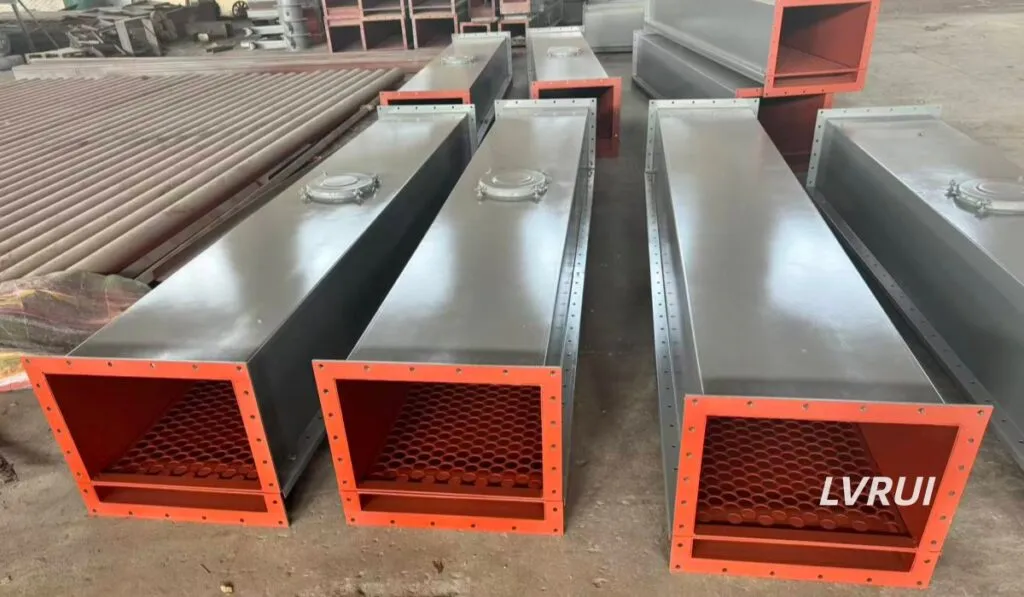
Air slide conveyor problems are common in cement plants and powder handling systems, often leading to material blockage, unstable fluidization, excessive air consumption, and reduced conveying efficiency.
However, despite their simple structure and low maintenance requirements, air slide systems can experience operational problems if design parameters, airflow settings, or material characteristics are not properly controlled.
Understanding the root causes of these failures is critical for ensuring stable conveying performance, preventing production interruptions, and minimizing maintenance costs.This guide explains the root causes of air slide conveyor problems and provides proven engineering solutions for stable long-term operation.
Why Air Slide Conveyor Problems Occur
Most air slide failures are not caused by equipment defects but by engineering mismatches between material properties, airflow parameters, and system design.
For example, when airflow pressure is too low, material cannot fully fluidize, leading to blockages and unstable discharge. Conversely, excessive airflow may cause dust carryover and energy waste.
👉 To better understand the engineering basis of powder fluidization, see the authoritative explanation of fluidization principles in bulk material conveying systems .
7 Common Air Slide Conveyor Problems and Solutions
Problem 1: Material Blockage in Air Slide
Root Causes
• Insufficient airflow pressure
• Low fabric permeability
• High moisture content in powder
• Improper conveyor slope angle
Blockage typically occurs when materials cannot reach full fluidization state.
Engineering Solutions
• Increase blower airflow capacity
• Replace clogged air slide fabric
• Maintain proper slope angle (usually 5°–12°)
• Control material moisture content
Problem 2: Uneven Material Flow
Root Causes
• Non-uniform air distribution
• Damaged fabric membrane
• Uneven material feed rate
This often results in surging discharge or unstable conveying.
Solutions
• Install air distribution balancing valves
• Ensure even material feeding
• Replace worn fluidization fabric
Problem 3: Excessive Air Consumption
Root Causes
• Over-designed blower capacity
• Leakage at air slide joints
• Poor sealing structure
This increases operating costs and reduces efficiency.
Solutions
• Optimize airflow pressure settings
• Seal leakage points
• Use high-quality sealing components
Problem 4: Dust Leakage
Root Causes
• Worn sealing strips
• Improper installation
• Structural deformation
Solutions
• Replace sealing strips regularly
• Ensure proper installation alignment
• Strengthen structural reinforcement
Problem 5: Reduced Conveying Capacity
Root Causes
• Incorrect design calculations
• Improper airflow velocity
• Material density variations
👉 For detailed engineering standards on powder conveying capacity calculation, refer to bulk material handling design principles used in cement engineering .
Solutions
• Recalculate conveying capacity parameters
• Adjust airflow pressure and fabric permeability
• Match blower capacity with system requirements
Problem 6: Fabric Damage or Short Lifespan
Root Causes
• Abrasive materials such as clinker dust
• High temperature exposure
• Improper fabric material selection
Solutions
• Use high-temperature resistant fabrics such as aramid or P84
• Select abrasion-resistant materials
• Perform regular inspection and maintenance
Problem 7: Startup Failure After Shutdown
Root Causes
• Material compaction during idle periods
• Moisture absorption
• Insufficient startup airflow
Solutions
• Use pre-fluidization air before startup
• Maintain dry storage conditions
• Gradually increase airflow pressure
Engineering Conclusion: Key Causes of Air Slide Failures
Preventing air slide conveyor problems requires proper design, airflow balance, and correct fabric selection.
The most critical factors influencing air slide conveyor performance include:
• Airflow pressure and distribution
• Fabric permeability
• Material moisture and particle size
• Conveyor slope design
• Proper system sealing
When these parameters are correctly balanced, air slide conveyors can operate continuously with minimal maintenance and extremely low energy consumption.
Related Equipment in Air Slide Systems
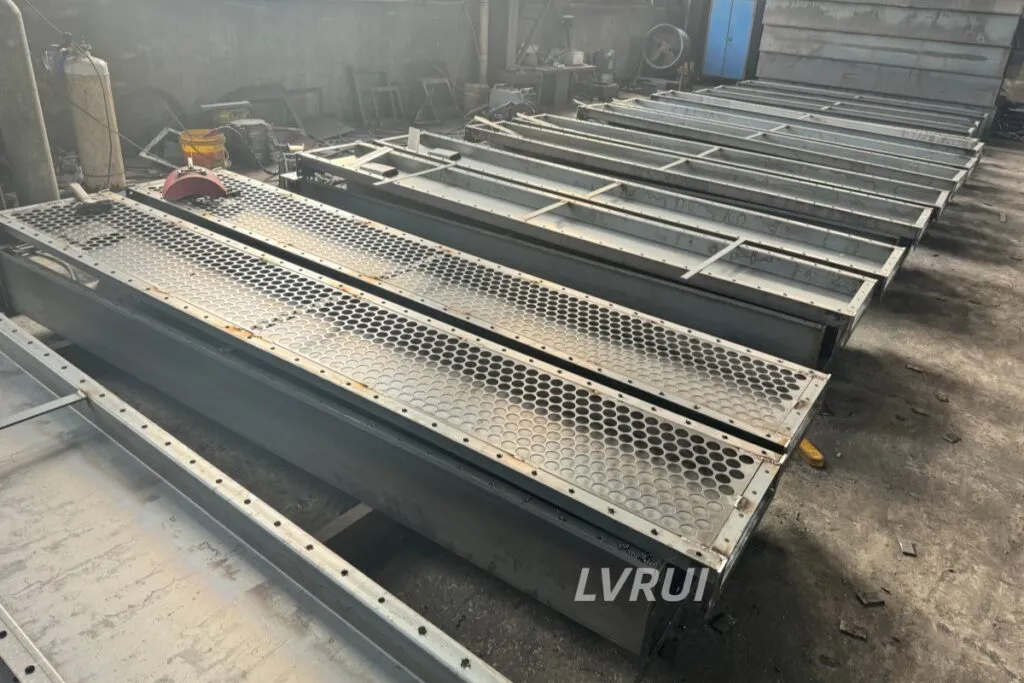
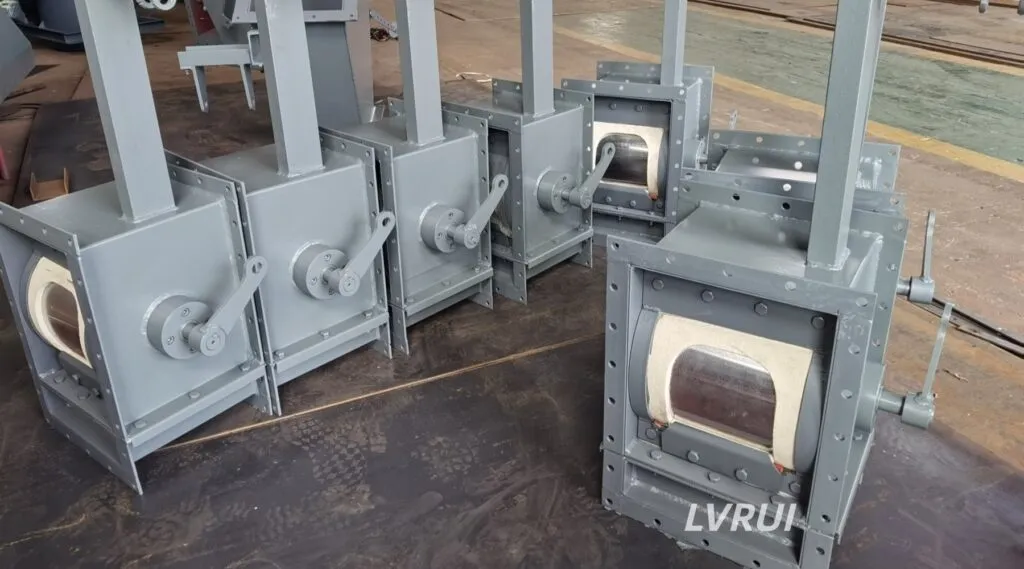
In real cement plant applications, air slide conveyors operate together with flow control equipment to ensure stable discharge and material regulation.
You may also explore:
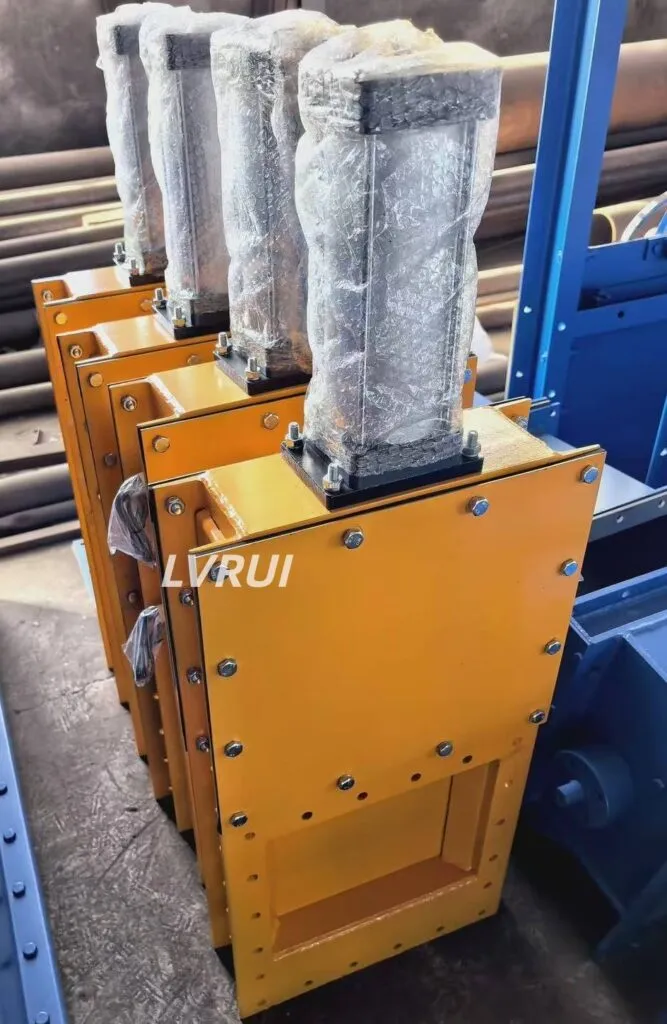
• Pneumatic flow control gate valves designed for precise powder discharge regulation
• High-permeability air slide fabrics engineered for stable fluidization performance
FAQ – Air Slide Conveyor Troubleshooting
What is the most common air slide conveyor problem?
Material blockage caused by insufficient airflow or improper fabric permeability is the most frequent issue.
How can air slide conveyor efficiency be improved?
Efficiency improves by optimizing airflow pressure, ensuring uniform material feeding, and maintaining proper fabric condition.
Why does an air slide conveyor consume too much air?
Excessive air consumption is typically caused by air leakage, incorrect blower sizing, or improper airflow pressure settings.
How often should air slide fabric be replaced?
Fabric replacement cycles usually range from 2 to 5 years depending on material abrasiveness and operating conditions.
Regular inspection is the most effective way to avoid major air slide conveyor problems in cement plant conveying systems.
Key Engineering Takeaways
Air slide conveyor problems are primarily caused by airflow mismatches, material characteristics, and maintenance issues rather than equipment defects.
By applying correct engineering design principles and performing regular maintenance, cement plants can achieve stable, dust-free, and energy-efficient powder conveying operations.
Looking for a reliable Air Slide Conveyor for cement, fly ash, or powder handling systems?
LVRUI provides:
✔ Air Slide Conveyors
✔ Air Slide Fabrics
✔ Flow Control Gates
✔ Diverter Valves
✔ Complete Bulk Material Handling Solutions
📩 Contact us for technical support & quotation
🌐 https://lvrui-conveyor.com
✉ info@lvrui-conveyor.com
Indonesian GEO Version
Air Slide Conveyor adalah sistem transportasi material curah berbasis gravitasi yang menggunakan udara bertekanan rendah untuk memfluidisasi material bubuk seperti semen, fly ash, kapur, dan debu klinker. Sistem ini sangat banyak digunakan dalam industri semen karena memiliki konsumsi energi rendah, tidak memiliki bagian mekanis bergerak, serta mampu mengalirkan material secara stabil dan bebas debu.
Namun dalam praktiknya, berbagai masalah operasional dapat terjadi jika parameter desain dan kondisi material tidak sesuai. Masalah paling umum pada air slide conveyor meliputi penyumbatan material, aliran tidak stabil, konsumsi udara berlebih, kebocoran debu, serta penurunan kapasitas pengangkutan.
Penyumbatan material biasanya terjadi akibat tekanan udara yang tidak cukup untuk mencapai kondisi fluidisasi. Selain itu, kadar kelembaban tinggi, permeabilitas kain yang rendah, atau kemiringan conveyor yang tidak tepat juga dapat menyebabkan material sulit mengalir.
Aliran yang tidak stabil sering disebabkan oleh distribusi udara yang tidak merata, kerusakan kain fluidisasi, atau feeding material yang tidak konsisten. Kondisi ini dapat menyebabkan lonjakan aliran, penumpukan material, serta gangguan pada proses produksi.
Konsumsi udara yang terlalu tinggi biasanya disebabkan oleh kebocoran pada sambungan sistem, pengaturan blower yang tidak tepat, atau desain kapasitas yang berlebihan. Hal ini tidak hanya meningkatkan biaya operasional, tetapi juga dapat mengurangi efisiensi sistem secara keseluruhan.
Untuk memastikan kinerja air slide conveyor tetap optimal, penting untuk melakukan perawatan rutin, memonitor tekanan udara, menjaga kondisi kain fluidisasi, serta menyesuaikan parameter desain dengan karakteristik material yang ditangani.
Dengan penerapan prinsip teknik yang benar dan pemeliharaan yang terjadwal, air slide conveyor dapat beroperasi secara stabil dalam jangka panjang, memberikan solusi pengangkutan material bubuk yang efisien, hemat energi, dan aman bagi lingkungan kerja industri semen modern.