Checklist Perawatan Air Slide Conveyor untuk Pabrik Semen
Introduction
Air Slide Conveyor Maintenance is essential for keeping powder conveying stable, efficient, and reliable in cement plants. A practical Air Slide Conveyor Maintenance plan helps operators prevent blockage, unstable fluidization, fabric clogging, air leakage, high energy consumption, and unexpected shutdowns. A properly maintained air slide conveyor helps prevent blockage, unstable fluidization, fabric clogging, air leakage, high energy consumption, and unexpected production shutdowns.
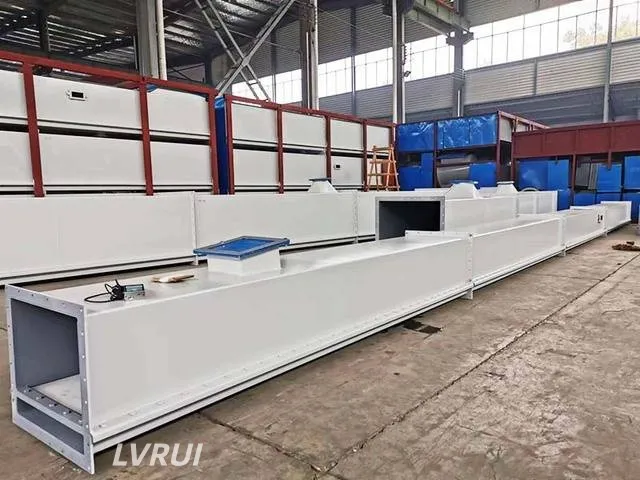
In cement plants, air slide conveyors are widely used for transferring cement, fly ash, lime powder, raw meal, slag powder, and other dry bulk materials between silos, hoppers, packing lines, and bulk loading systems. Since this equipment depends on low-pressure air and permeable air slide fabric, regular inspection is critical for long-term operation.
For complete system design, you can also refer to our Air Slide Conveyor product page.
Why Air Slide Conveyor Maintenance Matters in Cement Plants
Air Slide Conveyor Maintenance matters because cement plants depend on stable airflow, clean air slide fabric, proper sealing, and controlled feeding to keep dry powder moving smoothly. Without regular Air Slide Conveyor Maintenance, small issues such as fabric clogging or air leakage can quickly develop into serious conveying problems.
What Is Air Slide Conveyor Maintenance?
Air slide conveyor maintenance is the routine inspection, cleaning, airflow adjustment, and fabric condition monitoring required to keep dry powder materials fluidized and moving smoothly inside an air gravity conveying system.
In cement plants, proper maintenance helps prevent material blockage, unstable powder flow, air leakage, fabric clogging, excessive blower load, and unexpected shutdowns. A good maintenance plan should cover the blower system, air chamber, air slide fabric, inspection doors, sealing points, discharge outlets, and material feeding conditions.
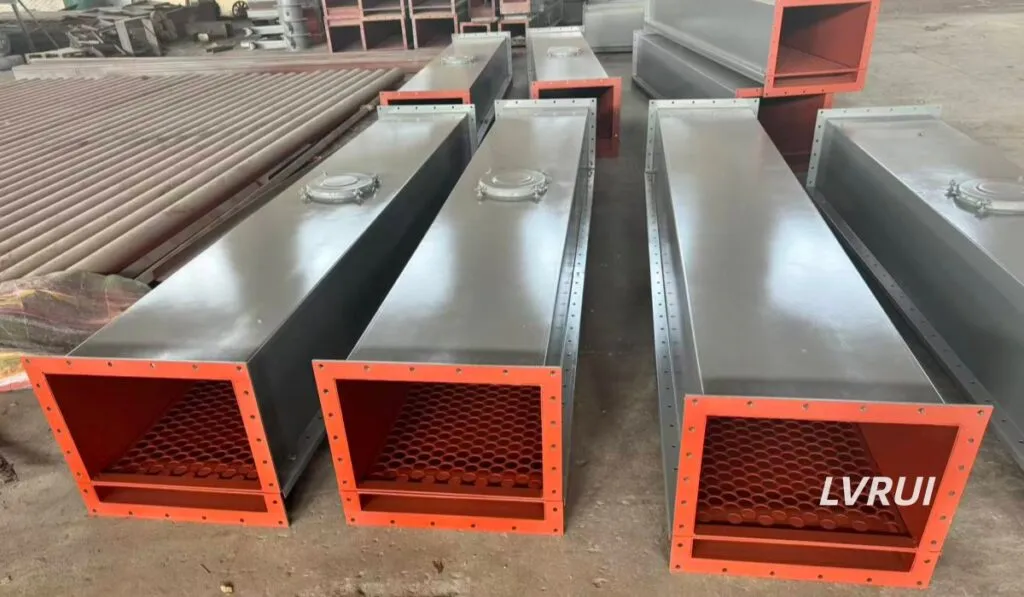
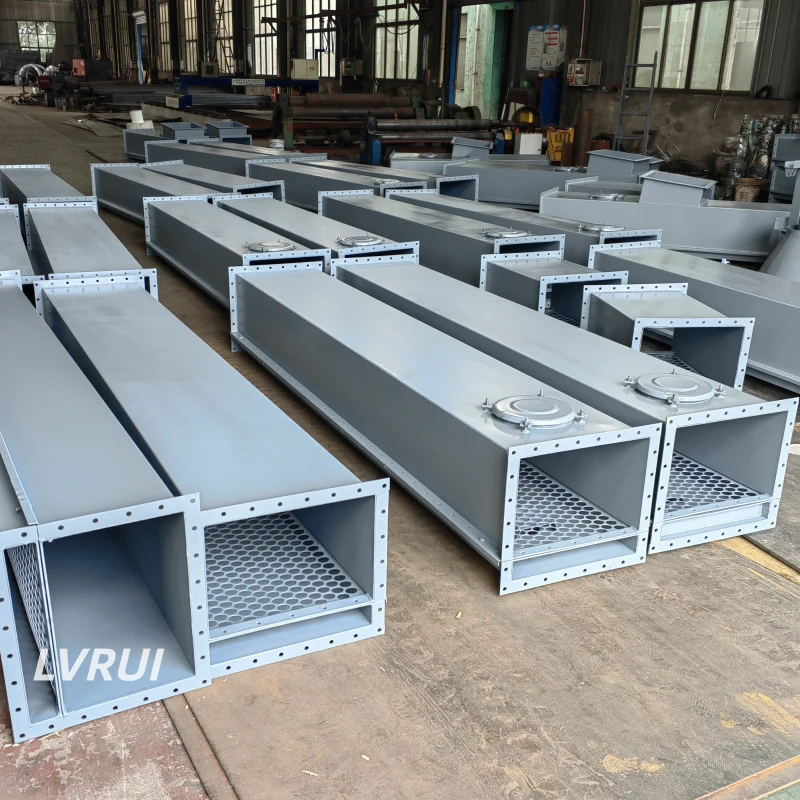
Air slide conveyors work based on the principle of powder fluidization. When low-pressure air passes through the permeable fabric, dry powder becomes fluid-like and moves along the inclined trough by gravity. For general technical background, you may refer to fluidization principles.
Why Maintenance Is Important for Air Slide Conveyors
Air slide conveyors have fewer moving parts than many mechanical conveyors, but they still require regular maintenance. In cement plants, fine powder, moisture, dust buildup, airflow imbalance, and fabric aging can gradually reduce conveying performance.
Poor maintenance can cause several problems:
✅ Material blockage inside the trough
✅ Unstable fluidization and uneven powder flow
✅ Air leakage from inspection doors or flange joints
✅ Fabric clogging caused by moisture or fine dust buildup
✅ Higher blower pressure and energy consumption
✅ Dust leakage around transfer points
✅ Reduced conveying capacity
✅ Unexpected shutdown of packing, silo discharge, or bulk loading lines
A well-maintained air slide conveyor can improve powder conveying stability, reduce downtime, lower energy waste, and extend the service life of air slide fabric.
Air Slide Conveyor Maintenance Checklist by Frequency
The following Air Slide Conveyor Maintenance checklist can be used by cement plant operators, maintenance teams, and equipment managers to organize daily, weekly, monthly, and annual inspections.
| Maintenance Frequency | Inspection Item | What to Check | Recommended Action |
|---|---|---|---|
| Daily | Blower pressure and airflow | Check whether air pressure is stable and airflow is sufficient. | Record pressure data and inspect abnormal fluctuation immediately. |
| Daily | Material flow condition | Observe whether powder moves smoothly without channeling or stop-flow. | Adjust feeding rate or airflow if unstable movement is found. |
| Daily | Air leakage | Check duct joints, flange connections, inspection doors, and seals. | Tighten loose connections and replace damaged gaskets. |
| Daily | Abnormal noise or vibration | Check blower, duct, support frame, and discharge points. | Stop and inspect if unusual sound or vibration appears. |
| Weekly | Air slide fabric surface | Check for dust buildup, moisture contamination, deformation, or clogging. | Clean the fabric surface carefully and keep the chamber dry. |
| Weekly | Inspection ports and chambers | Check whether dust accumulates inside the air chamber or material chamber. | Clean accumulated powder and confirm chamber sealing. |
| Weekly | Damper and airflow adjustment | Check whether airflow distribution is balanced along the conveyor. | Adjust damper positions and verify pressure at different sections. |
| Monthly | Fabric permeability | Check whether air passes evenly through the permeable fabric. | Replace clogged or damaged fabric sections if cleaning is ineffective. |
| Monthly | Steel trough alignment | Check whether the conveyor trough is deformed, misaligned, or leaking. | Repair deformation and restore proper slope and sealing. |
| Monthly | Sealing gaskets | Check inspection doors, flange seals, and chamber seals. | Replace worn gaskets to prevent air leakage and dust escape. |
| Annually | Full fabric inspection | Inspect all fabric sections for wear, clogging, aging, and heat damage. | Replace fabric when permeability drops or damage is visible. |
| Annually | Blower and air supply system | Inspect blower, filter, air pipe, valves, and pressure control points. | Service blower and recalibrate airflow distribution. |
| Annually | Structural corrosion | Check steel trough, support frame, bolts, and external coating. | Repair corrosion and reinforce weak structural areas. |
Daily Maintenance Checklist
Daily Air Slide Conveyor Maintenance focuses on airflow stability, material movement, dust leakage, air leakage, and abnormal operating signs.
Daily inspection focuses on the most visible operating conditions. Operators should check whether the air slide conveyor is running smoothly and whether the powder flow is stable.
Important daily checks include:
✅ Blower pressure and airflow stability
✅ Smooth material movement inside the trough
✅ Abnormal noise from the blower or duct system
✅ Dust leakage near inspection doors and flange joints
✅ Air leakage from sealing points
✅ Overfeeding at the inlet
✅ Outlet blockage or restricted discharge
If material flow becomes unstable, the operator should not only increase blower pressure. The real cause may be clogged fabric, moisture in the material, air leakage, excessive feeding, or outlet restriction.
Weekly Maintenance Checklist
Weekly Air Slide Conveyor Maintenance should focus on air slide fabric condition, chamber cleanliness, airflow distribution, and sealing performance.
Weekly maintenance should focus on air distribution, fabric condition, sealing points, and chamber cleanliness.
The air slide fabric should be inspected for visible dust buildup, moisture, deformation, or surface damage. If the fabric is partially clogged, powder may not fluidize evenly, which can cause channeling or blockage.
The air chamber should also be checked. If powder enters the air chamber, it may indicate damaged fabric, poor sealing, or incorrect installation. This should be repaired quickly because powder buildup in the air chamber can reduce airflow and damage the blower system.
Monthly Maintenance Checklist
Monthly Air Slide Conveyor Maintenance requires deeper inspection of fabric permeability, steel trough alignment, gaskets, discharge outlets, and downstream equipment connections.
Monthly maintenance should include a deeper inspection of the conveying trough, support frame, seals, fabric permeability, and discharge outlet.
The slope of the air slide conveyor should remain stable. If the trough becomes misaligned or deformed, powder flow may slow down or accumulate in certain sections. This is especially important for long conveying lines in cement plants.
Monthly maintenance should also check the connection between the air slide conveyor and related equipment, such as the Flow Control Gate Valve, silo outlet, bucket elevator, packing system, or bulk loading line.
Annual Maintenance Checklist
Annual Air Slide Conveyor Maintenance should be treated as a complete system review for fabric, blower, air pipes, steel trough, seals, support structure, and operating records.
Annual maintenance should be treated as a full system review. The maintenance team should inspect the entire conveying line, including fabric, blower, air pipes, steel trough, support structure, sealing gaskets, inspection doors, and discharge points.
Annual inspection should also review operating records, including blockage frequency, blower pressure, conveying capacity, fabric replacement history, dust leakage points, and energy consumption.
If the air slide conveyor is used in a high-temperature, abrasive, or high-dust cement plant environment, annual inspection should be more detailed.
Common Air Slide Conveyor Maintenance Problems and Solutions
| Problem | Possible Cause | Inspection Point | Recommended Solution |
|---|---|---|---|
| Material blockage | Clogged fabric, low airflow, excessive feeding, moisture in powder, or outlet restriction. | Check fabric permeability, blower pressure, material moisture, feed rate, and discharge outlet. | Clean or replace fabric, adjust airflow within design range, reduce overfeeding, and clear the outlet. |
| Unstable fluidization | Uneven air distribution, damaged fabric, air leakage, or poor chamber sealing. | Inspect pressure distribution, fabric condition, air chamber, and sealing points. | Balance airflow, repair damaged fabric, and seal leakage points. |
| Low conveying capacity | Insufficient air volume, wrong slope, material buildup, or partial blockage. | Check blower performance, conveyor slope, internal buildup, and outlet condition. | Clean the trough, verify slope, and restore proper airflow. |
| Excessive air consumption | Air leakage, damaged seals, open inspection doors, or incorrect blower setting. | Check flange joints, inspection doors, gaskets, and air pipe connections. | Seal leakage points and recalibrate blower pressure. |
| Fabric clogging | Fine dust penetration, moisture contamination, oil mist, or long-term buildup. | Inspect the fabric surface and check whether air passes evenly. | Clean dry dust buildup or replace fabric if clogging is severe. |
| Fabric damage | High temperature, abrasion, wrong installation tension, or sharp material particles. | Check fabric wear, tears, edge damage, and fixing condition. | Replace damaged sections and verify material temperature and installation method. |
| Dust leakage | Poor sealing at inspection doors, flanges, outlets, or fabric joints. | Inspect all sealing points and chamber joints. | Replace gaskets, tighten bolts, and improve sealing structure. |
| Blower overheating | Blocked filter, excessive resistance, wrong pressure setting, or poor ventilation. | Check blower filter, inlet condition, pressure, and motor temperature. | Clean filter, reduce resistance, and service the blower. |
When Should Air Slide Fabric Be Replaced?
Air slide fabric is one of the most important parts of an air slide conveyor. Its permeability directly affects powder fluidization, conveying capacity, blower pressure, and system stability.
| Replacement Signal | What It Means |
|---|---|
| Uneven powder flow | Air is not passing through the fabric evenly, causing unstable fluidization. |
| Frequent blockage | Fabric permeability may be reduced by dust buildup, moisture, or aging. |
| Visible fabric damage | Tears, holes, deformation, or loose edges can cause air leakage and material leakage. |
| Higher blower pressure | The blower may need more pressure to push air through clogged fabric. |
| Reduced conveying capacity | The system cannot reach the expected powder transfer rate even after airflow adjustment. |
| Moisture contamination | Wet powder can block fabric pores and reduce fluidization quality. |
| Long operating time | Fabric normally needs replacement after long-term operation depending on material abrasiveness, temperature, and maintenance quality. |
Air slide fabric should be replaced when cleaning cannot restore stable air permeability, when visible damage appears, or when frequent blockage and reduced conveying capacity continue after airflow adjustment.
For air distribution and powder fluidization equipment, you can also check our Aeration Pad page.
Recommended Maintenance Schedule for Cement Plants
| Frequency | Main Task | Responsible Team |
|---|---|---|
| Every Shift | Observe material flow, blower pressure, and abnormal noise. | Operator |
| Daily | Check air leakage, dust leakage, and visible fabric condition. | Maintenance operator |
| Weekly | Clean inspection ports, check airflow distribution, and inspect seals. | Mechanical maintenance team |
| Monthly | Check fabric permeability, trough alignment, gasket condition, and discharge outlet. | Mechanical and process team |
| Quarterly | Inspect blower system, air pipes, valves, dampers, and pressure measuring points. | Mechanical and electrical team |
| Annually | Full fabric inspection, blower servicing, structure inspection, and airflow recalibration. | Maintenance manager and engineering team |
This schedule can be adjusted according to working hours, material abrasiveness, moisture level, production intensity, and previous failure records.
Airflow Control and Feeding Stability
Air slide conveyors need stable airflow and controlled feeding. If too much material enters the conveyor at one time, the powder layer may become too thick, and airflow cannot fluidize the material properly.
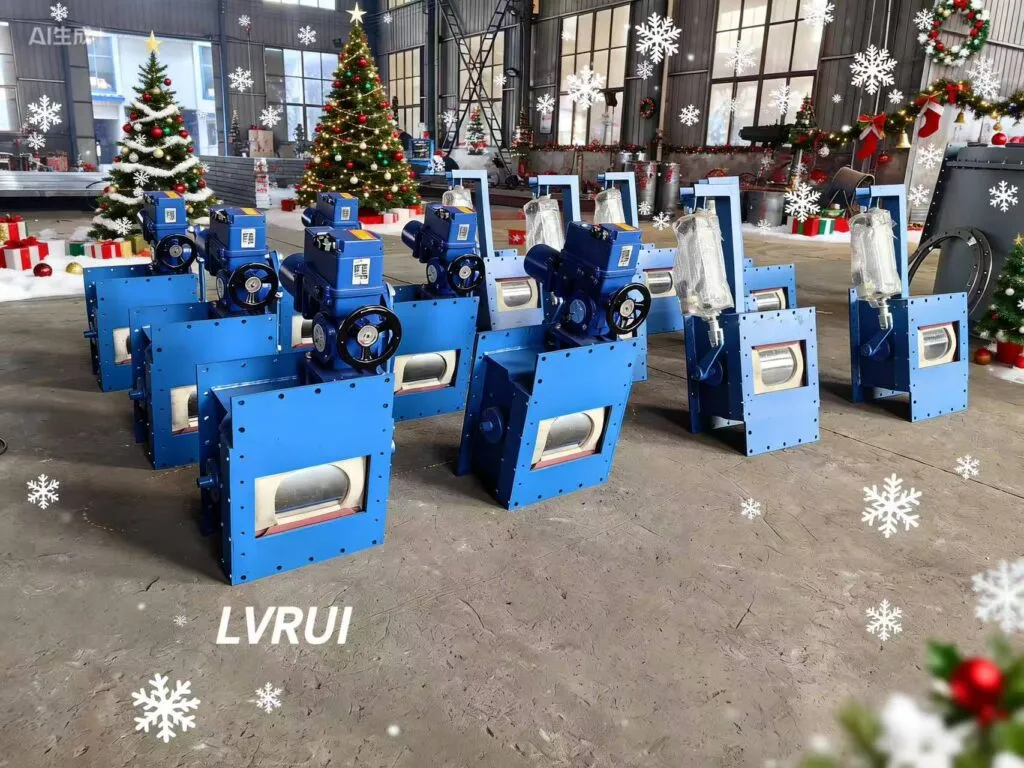
For cement silo discharge systems, a flow control gate is often installed before the air slide conveyor to regulate powder feeding. This helps maintain stable material layer thickness and prevents overload.
For downstream loading systems, the conveyor may feed a Loading Spouts system for truck, railcar, or ship loading. In this case, maintenance should include both the conveying line and the loading system to avoid blockage, dust leakage, and unstable discharge.
Dust Control During Maintenance
Dust control is important during air slide conveyor inspection and cleaning. Cement dust, fly ash, and mineral powder can create dusty working conditions if inspection doors are opened without proper precautions.
Operators should avoid opening inspection ports while the system is under pressure. Before maintenance, the system should be stopped, depressurized, and cleaned according to site safety procedures.
For dust-related industrial safety information, you may refer to OSHA combustible dust guidance. For cement industry updates and technical context, Global Cement industry news is also a useful reference.
A proper Dust Collection System can help reduce airborne dust around transfer points, loading stations, and maintenance areas.
Maintenance Tips for Longer Service Life
To extend the service life of an air slide conveyor, cement plants should follow several practical maintenance principles.
✅ Keep the air chamber dry and clean.
✅ Avoid feeding wet or sticky material into the conveyor.
✅ Maintain stable blower pressure within the design range.
✅ Prevent overfeeding at the inlet.
✅ Inspect air slide fabric regularly.
✅ Replace damaged seals and gaskets quickly.
✅ Clean material buildup before it causes blockage.
✅ Keep inspection doors tightly closed during operation.
✅ Record pressure, capacity, and blockage history.
✅ Replace worn fabric before serious failure occurs.
Preventive maintenance is usually cheaper than emergency shutdown repair. In cement plants, a blocked air slide conveyor can affect silo discharge, packing, bulk loading, and powder transfer efficiency.
For complete powder conveying applications, you may also visit our Powder Transfer System page.

FAQs About Air Slide Conveyor Maintenance
Why is Air Slide Conveyor Maintenance important in cement plants?
Air Slide Conveyor Maintenance is important because cement plants rely on stable airflow, clean air slide fabric, and proper sealing to keep cement, fly ash, lime powder, and other dry powders moving smoothly. Without regular maintenance, the system may develop blockage, unstable fluidization, air leakage, dust leakage, and higher energy consumption.
How often should Air Slide Conveyor Maintenance be performed?
Air Slide Conveyor Maintenance should include daily visual inspection, weekly airflow and fabric checks, monthly sealing and discharge inspections, and annual full-system review. The exact frequency depends on operating hours, material moisture, dust level, fabric condition, and previous blockage records.
What is the most important point in Air Slide Conveyor Maintenance?
The most important point in Air Slide Conveyor Maintenance is keeping stable airflow distribution and good fabric permeability. If the fabric becomes clogged or the airflow becomes uneven, powder fluidization will become unstable and conveying capacity will drop.
Why does an air slide conveyor become blocked?
An air slide conveyor can become blocked because of clogged fabric, insufficient airflow, excessive feed rate, moisture in the powder, outlet restriction, or uneven material distribution inside the trough. A good Air Slide Conveyor Maintenance plan should check all these points before increasing blower pressure.
How can Air Slide Conveyor Maintenance reduce unstable fluidization?
Air Slide Conveyor Maintenance reduces unstable fluidization by checking blower pressure, balancing airflow distribution, cleaning or replacing clogged fabric, sealing air leakage points, and controlling material feeding at the inlet.
When should air slide fabric be replaced?
Air slide fabric should be replaced when it is clogged, torn, deformed, heat-damaged, or unable to restore stable air permeability after cleaning. In practical Air Slide Conveyor Maintenance, frequent blockage, higher blower pressure, and reduced conveying capacity are also strong replacement signals.
Can poor Air Slide Conveyor Maintenance increase energy consumption?
Yes. Poor Air Slide Conveyor Maintenance can increase energy consumption because air leakage, fabric clogging, poor airflow distribution, and incorrect blower pressure force the blower to work harder to maintain conveying performance.
What causes dust leakage around an air slide conveyor?
Dust leakage is usually caused by worn gaskets, loose inspection doors, damaged seals, poor flange connections, or leakage around the inlet and discharge points. Regular Air Slide Conveyor Maintenance should include sealing inspection and gasket replacement to reduce dust escape.
What information is needed to plan Air Slide Conveyor Maintenance?
To plan Air Slide Conveyor Maintenance, operators should collect conveyor length, trough width, material type, bulk density, moisture level, operating temperature, blower pressure, airflow volume, fabric type, conveying capacity, and previous blockage or leakage records.
Can Air Slide Conveyor Maintenance help reduce shutdowns?
Yes. Preventive Air Slide Conveyor Maintenance helps reduce unexpected shutdowns by finding early signs of fabric clogging, airflow imbalance, air leakage, dust leakage, blower problems, and discharge restrictions before they become serious failures.
Indonesian Technical Version
Perawatan air slide conveyor sangat penting untuk menjaga stabilitas pengangkutan material bubuk di pabrik semen, terminal fly ash, sistem silo, dan jalur bulk loading. Sistem ini bekerja dengan prinsip air gravity conveying, sehingga performanya sangat bergantung pada distribusi udara, kondisi kain permeabel, tekanan blower, kebersihan chamber, dan sealing pada setiap sambungan.
Checklist perawatan sebaiknya dilakukan berdasarkan frekuensi inspeksi. Pemeriksaan harian mencakup tekanan udara, kestabilan aliran material, kebocoran udara, kebocoran debu, dan suara abnormal. Pemeriksaan mingguan berfokus pada kebersihan fabric, inspection port, chamber, serta distribusi udara. Pemeriksaan bulanan perlu mencakup permeabilitas fabric, kondisi gasket, alignment trough, dan outlet discharge. Pemeriksaan tahunan mencakup penggantian fabric bila diperlukan, servis blower, inspeksi struktur, serta kalibrasi ulang sistem udara.
Masalah umum seperti blockage, unstable fluidization, konsumsi energi tinggi, fabric clogging, dan dust leakage biasanya berhubungan dengan fabric yang tersumbat, airflow tidak seimbang, moisture pada material, kebocoran sealing, atau feeding rate yang terlalu tinggi. Untuk menjaga operasi tetap stabil, operator harus mencatat data tekanan udara, memeriksa kondisi fabric secara berkala, membersihkan akumulasi debu, dan mengganti komponen yang sudah aus sebelum menyebabkan shutdown.
Untuk aplikasi semen, fly ash, lime powder, slag powder, raw meal, dan mineral powder, perawatan preventif bukan hanya membantu memperpanjang umur air slide conveyor, tetapi juga meningkatkan efisiensi conveying, mengurangi konsumsi energi, dan menjaga kestabilan produksi.
Need a Reliable Air Slide Conveyor Maintenance Solution?
Partner with LVRUI for professional powder conveying equipment and maintenance support.
✅ Air Slide Conveyors for cement, fly ash, lime powder, and dry bulk materials.
✅ High-permeability Air Slide Fabric for stable fluidization.
✅ Flow Control Gates for accurate powder discharge regulation.
✅ Dust Collection Systems for cleaner working conditions.
✅ Engineering support for blockage, airflow imbalance, and conveying efficiency improvement.
Contact LVRUI today to get your customized Air Slide Conveyor maintenance and spare parts solution.
Email: info@lvrui-conveyor.com
Website: lvrui-conveyor.com