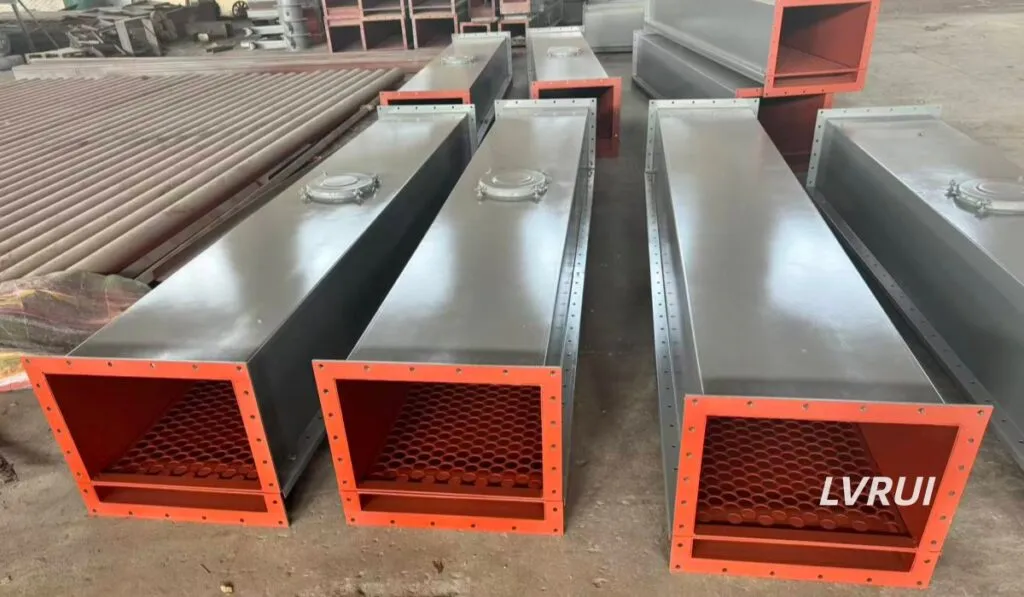
Air Slide Conveyor Root Cause Analysis: Diagnosing Recurring Failures

A Data-Based Method for Finding Why the Same Air Slide Failure Returns


Air Slide Conveyor Root Cause Analysis for recurring conveying failures

Introduction

Air slide conveyor failures are sometimes easy to restore but difficult to eliminate. A blocked section may be cleared, blower settings may be adjusted, or contaminated air slide fabric may be cleaned, yet the same problem can return after several hours, days or production cycles.

Air slide conveyor root cause analysis is intended for these recurring situations. Instead of asking only which component appears abnormal, the investigation compares operating history, material condition, airflow behavior, failure location, feeding conditions and downstream operation to determine why the same problem keeps returning.

The objective is not simply to restart the conveyor. It is to identify and verify the condition that must be corrected to prevent recurrence.


When Is Root Cause Analysis Necessary?

Not every air slide conveyor problem requires formal root cause analysis.

When an abnormal condition appears for the first time, normal troubleshooting should usually come first. Operators can check material condition, feeding, blower operation, air slide fabric, discharge condition and downstream equipment to narrow down the immediate problem.

Root cause analysis becomes more useful when:

✓ The same failure returns after temporary correction.
✓ The same conveyor section repeatedly develops abnormal behavior.
✓ Several components have been changed without eliminating the problem.
✓ Adjusting blower operation improves performance only temporarily.
✓ Performance changed after a material, process or equipment change.
✓ The failure appears only under specific production conditions.
✓ The visible failed component does not explain why the failure developed.

For first-level symptom diagnosis, refer to our Common Problems of Air Slide Conveyors guide.

Root cause analysis should begin after the recurring failure has been clearly defined rather than replacing basic troubleshooting.


Symptom, Contributing Factor and Root Cause Are Not the Same

One of the most common mistakes in recurring-failure analysis is treating the visible symptom as the root cause.

LevelMeaningExample
SymptomWhat operators observeConveying capacity repeatedly decreases
Immediate conditionWhat is directly associated with the symptomOne section develops higher airflow resistance
Contributing factorA condition that increases the likelihood of failureFabric contamination is concentrated in that section
Root causeThe underlying reason the problem keeps returningThe condition repeatedly causing contamination remains unchanged

Replacing contaminated air slide fabric may restore airflow. However, if the condition causing repeated contamination is not corrected, fabric replacement has treated the symptom rather than eliminated the root cause.

A valid root cause should explain:

  • What failed
  • Why it failed
  • Why it occurred at that location
  • Why it started when it did
  • Why the same failure keeps returning

This distinction is fundamental to effective air slide conveyor root cause analysis.


Air Slide Conveyor Root Cause Analysis Workflow

Step 1: Define the Failure Precisely

Avoid starting an investigation with a vague statement such as:

“Air slide conveyor does not work properly.”

Instead, describe the abnormal condition in measurable or observable terms.

Record:

✓ Which conveyor or section is affected
✓ Where the abnormal behavior begins
✓ Whether the problem is continuous or intermittent
✓ When it first appeared
✓ How often it returns
✓ Under what operating conditions it occurs
✓ Whether temporary intervention restores normal operation

For example:

“Conveying performance repeatedly decreases in the same section after several production cycles.”

is more useful than:

“The blower pressure is too low.”

The second statement already assumes a cause before the evidence has been evaluated.

Step 2: Record the Condition Before Making Adjustments

A recurring problem becomes much harder to diagnose when operators change several settings before preserving the original operating condition.

Whenever it is safe and practical, record the condition before changing blower output, adjusting valves, replacing fabric or clearing accumulated material.

Useful evidence includes:

EvidenceWhat It Helps Determine
Failure locationWhether the problem is local or system-wide
Failure frequencyWhether the condition is random or repeatable
Material conditionWhether powder behavior has changed
Feed rateWhether loading condition is associated with the failure
Actual throughputDegree of performance loss
Pressure trendChanges in resistance, air distribution or leakage
Blower operating conditionWhether the air supply has changed
Fabric inspectionLocal contamination, damage or installation condition
Lower air chamber conditionPowder ingress, contamination or sealing problems
Outlet conditionWhether discharge restriction contributes to accumulation
Downstream statusWhether receiving equipment affects the air slide
Maintenance historyWhether the problem followed repair or modification

Photographs, operator notes and operating records can be particularly valuable because some failures disappear after shutdown or cleaning.

The goal is not to collect every possible measurement. It is to preserve enough evidence to compare abnormal operation with normal operation.

Step 3: Compare With a Known Normal Baseline

Root cause analysis becomes more useful when the failed condition can be compared with a period of stable operation.

The key question is:

What changed before the recurring failure began?

Compare normal and abnormal operation in the areas most relevant to the failure:

AreaCompare
MaterialSource, condition, moisture, temperature or flow behavior
ProductionThroughput, feed rate and operating sequence
Air SupplyBlower condition, pressure trend and valve position
EquipmentFabric, sealing, air piping and recent maintenance
InterfacesInlet, outlet, venting and downstream receiving condition

If the recurring failure follows a change in powder condition, review the Air Slide Conveyor Material Compatibility guide to determine whether material behavior may be contributing to unstable fluidization.

Do not treat every difference as a cause. At this stage, the purpose is only to identify changes that may later be tested as cause hypotheses.

Step 4: Build a Failure Timeline

Intermittent failures often contain useful time-based patterns.

Create a simple sequence:

Normal operation

Process, material or equipment change

First abnormal indication

Temporary correction

Return to operation

Failure recurrence

Then compare several events.

Ask:

  • Does the failure always occur after startup?
  • Does it appear after a silo refill?
  • Does it follow a material change?
  • Does it occur only at higher throughput?
  • Does it develop after long operating periods?
  • Did it begin after maintenance?
  • Does it coincide with downstream restriction?

A proposed root cause should be consistent with the actual sequence of events.


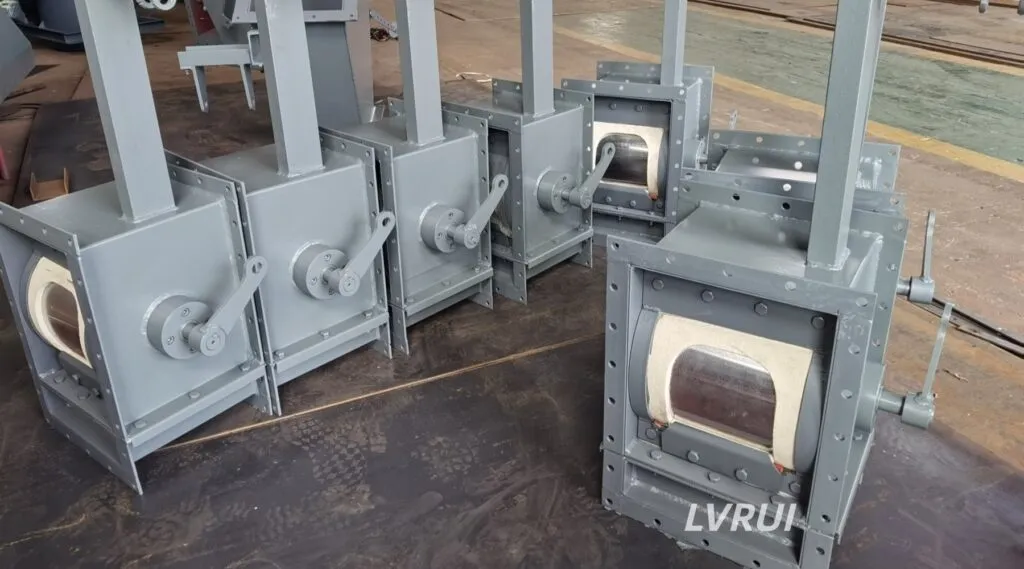
Air slide conveyor airflow and fabric condition inspection

Step 5: Develop More Than One Cause Hypothesis

Do not investigate only the first plausible explanation.

Possible causes should be considered across the complete conveying system.

Material Condition

Changes in moisture, agglomeration, cohesion or fluidization behavior can alter conveying performance.

Feeding and Discharge

Unstable feeding, excessive loading or restricted discharge can create recurring accumulation or unstable flow.

Fluidizing-Air Path

Possible factors include blower condition, air-line restriction, incorrect valve position, leakage or uneven air distribution.

Air Slide Fabric and Lower Air Chamber

Localized contamination, damage, sealing problems or powder entering the lower chamber can change airflow through part of the conveyor.

Venting and Downstream Interfaces

Restricted venting or insufficient downstream receiving capacity can create abnormal pressure and material accumulation.

Installation or Structural Condition

Alignment, connections, sealing, deformation or changes made during maintenance may contribute to repeatable local failures.

A recurring air slide failure does not automatically mean the air slide conveyor itself is defective. Upstream silo discharge, flow-control equipment, material condition, venting and downstream equipment should also be included in the cause hypotheses.

A structured root cause analysis methodology should separate possible causes from verified causes and use evidence before corrective actions are finalized.

Step 6: Test and Eliminate Cause Hypotheses

A cause hypothesis should not be accepted only because it is technically possible.

For each hypothesis, define:

QuestionPurpose
What should be observed if this cause is true?Define the expected evidence
What evidence currently supports it?Identify supporting observations
What evidence contradicts it?Look for inconsistencies
What inspection or test can distinguish it from other causes?Select the next verification step
Does the result support or reject the hypothesis?Narrow the investigation

For example, if insufficient overall blower capacity is suspected but only one short conveyor section repeatedly develops abnormal behavior while the remaining sections operate normally, the evidence does not strongly support a system-wide blower limitation.

A hypothesis that cannot explain the failure location, timing and recurrence should be rejected or downgraded even if it is technically capable of producing a similar symptom.


What Recurrence Patterns Can Tell You

The way a failure repeats can provide useful direction before components are replaced.

Recurring PatternInvestigation Direction
Same location every timeLocalized equipment or interface condition
Several sections change togetherSystem-wide material, air-supply or process change
Failure follows a material changeVerify correlation with changed material behavior
Failure appears only at high throughputCapacity, feeding or discharge interaction
Failure occurs after startupStartup sequence or material-settling condition
Failure begins after maintenanceRecent intervention or assembly change
Failure coincides with downstream restrictionProcess-interface condition
Performance gradually declinesProgressive deterioration rather than a sudden event

These patterns do not prove the root cause.

They help determine which hypotheses should receive the most attention.


Why Temporary Fixes Often Fail

A temporary action may restore an air slide conveyor without explaining why the abnormal condition occurred.

Increasing Blower Output

Additional air may temporarily improve powder movement, but this does not prove that insufficient blower capacity caused the recurring failure.

Increasing airflow alone is therefore not a reliable root cause solution.

Cleaning or Replacing the Air Slide Fabric

Restoring fabric permeability may recover conveying performance.

However, if contamination or damage repeatedly returns, the investigation should continue to determine what is causing the repeated fabric condition.

Clearing Accumulated Material

Removing accumulated powder restores the conveying path but does not explain why accumulation developed.

If an actual blockage has already been confirmed, detailed location and clearing procedures should be handled through the separate Air Slide Conveyor Blockages troubleshooting process.

The distinction is important:

Recovery restores operation. Root cause analysis explains recurrence.

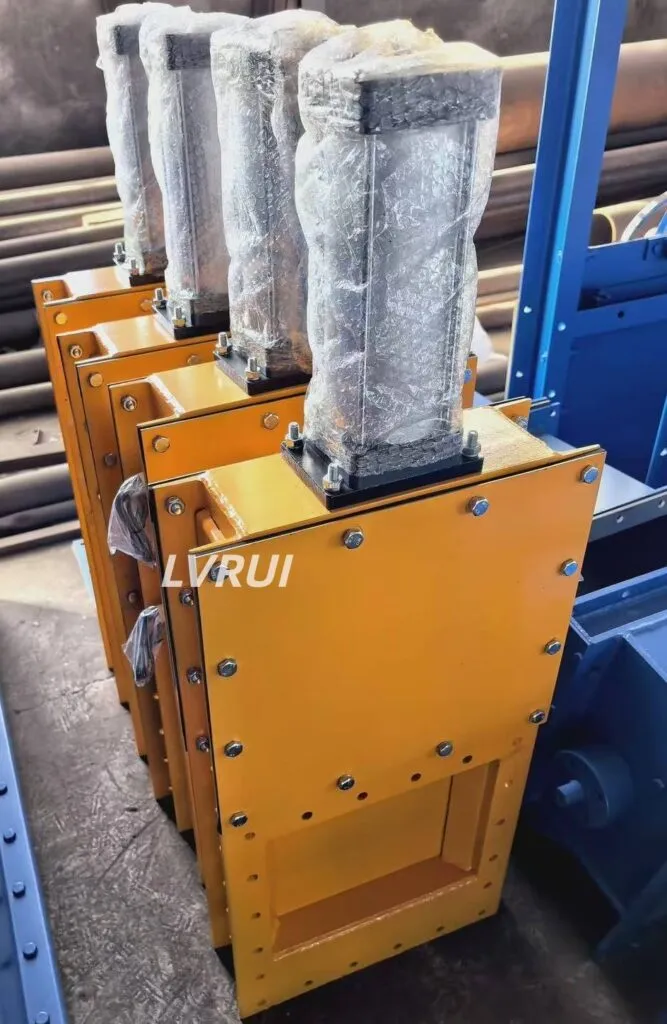
Flow control gate installed on air slide conveyor in cement plant

Verify the Root Cause and Corrective Action

A suspected cause should not be accepted simply because it appears reasonable.

Before closing the investigation, confirm that the proposed cause explains the complete failure pattern.

Check whether:

✓ It explains the observed symptom.
✓ It explains why the failure developed at that location.
✓ It explains why the failure started when it did.
✓ It explains why previous temporary corrections did not last.
✓ Correcting the condition prevents the same failure from recurring.

Corrective action should match the verified cause.

Depending on the investigation result, corrective action may involve:

  • Material-control changes
  • Feeding or discharge correction
  • Air-distribution correction
  • Fabric or sealing repair
  • Air-piping or valve adjustment
  • Venting improvement
  • Interface modification
  • Installation correction
  • Operating-procedure changes

After correction, operate the conveyor under conditions comparable with those in which the previous failure occurred.

Confirm:

  • Throughput remains stable
  • Pressure or blower trends remain consistent
  • The affected section behaves normally
  • The original failure does not return
  • The corrective action has not created a new operating problem

If the same failure returns, reopen the investigation rather than replacing another component without supporting evidence.


Air Slide Conveyor RCA Closure Record

Failure Statement
What recurring failure was investigated?

Cause Hypotheses
Which possible causes were evaluated?

Supporting and Conflicting Evidence
What evidence supported or contradicted each hypothesis?

Verified Root Cause
What condition best explains the failure location, timing and recurrence?

Corrective Action
What was changed to address the verified cause?

Effectiveness Review
Did the same failure return under comparable operating conditions?

Routine inspection records from an Air Slide Conveyor Maintenance program can provide valuable baseline information for this type of analysis.


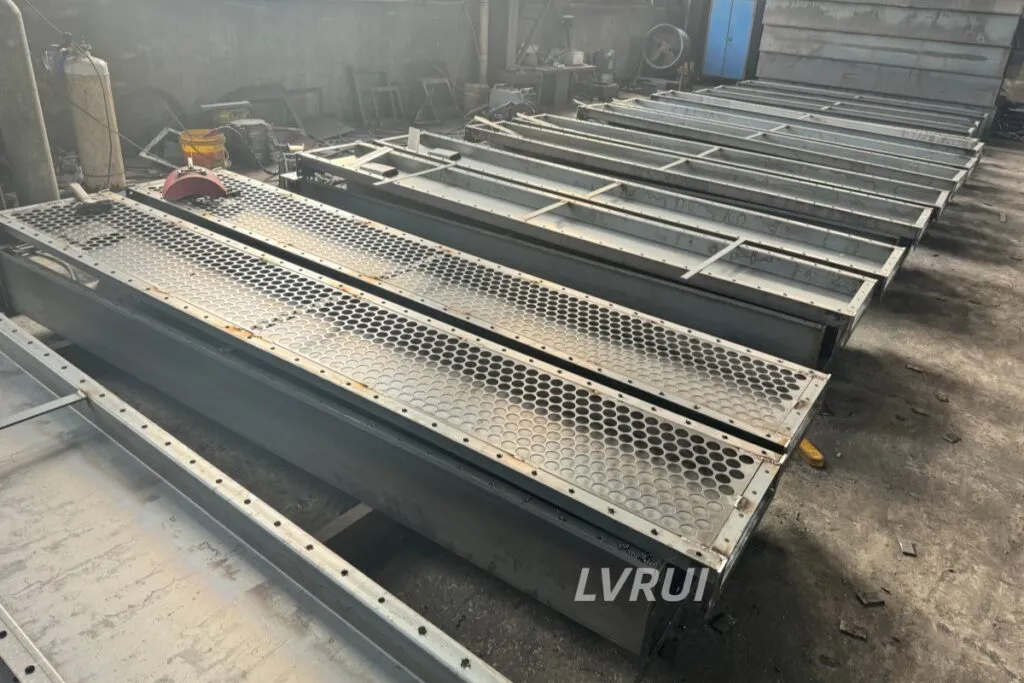
Air slide conveyor perforated support plate and internal inspection

Air Slide Conveyor Root Cause Analysis FAQs

What is the difference between troubleshooting and root cause analysis?

Troubleshooting focuses on identifying the likely reason for the current abnormal condition and restoring operation. Root cause analysis goes further by determining why the failure occurred and why it continues to recur.

How do you verify that the real root cause has been found?

The proposed cause should explain the failure location, timing and recurrence. After corrective action, the same failure should not return when the conveyor operates under comparable conditions.

Can an air slide conveyor failure have more than one root cause?

Yes. Material behavior, feeding, fluidizing air, fabric condition, venting and downstream restrictions can interact. Complex recurring failures may therefore involve several contributing conditions rather than one isolated cause.

How much operating history is useful for root cause analysis?

There is no fixed period. The most useful records are those that include stable operation before the failure began, the first abnormal event, temporary corrections and later recurrences. Even limited historical data can be valuable when the failure pattern is clearly documented.

What if the failure disappears before the conveyor can be inspected?

Record the operating condition, location, timing, pressure or throughput trends, material condition and operator observations before making adjustments whenever possible. Recurring intermittent failures can often be investigated by comparing several events even when the failure is not continuously present.


Conclusion

Air slide conveyor root cause analysis should begin where ordinary troubleshooting ends.

The objective is not to create another list of common air slide problems or to replace components until the conveyor restarts. Effective RCA defines the recurring failure clearly, preserves operating evidence, compares abnormal operation with a known normal baseline, identifies competing cause hypotheses and tests them against actual operating conditions.

When the same failure keeps returning, the visible component is not always the true source of the problem.

Material condition, feeding, fluidizing air, air slide fabric, venting, upstream discharge and downstream equipment should be evaluated as one connected operating system.

The investigation should only be closed after the corrective action has been verified under comparable operating conditions and the recurring failure no longer returns.


Need Help Reviewing a Recurring Air Slide Failure?

Send LVRUI the conveyed material, normal and abnormal throughput, failure location, conveyor layout, inlet and outlet conditions, blower or pressure information if available, photos of the affected section, and a description of when the problem occurs.

Based on this information, LVRUI can help review the air slide conveyor configuration, air slide fabric, air-supply arrangement and connected equipment interfaces, and identify which areas should be checked before equipment or component changes are confirmed.

Email: info@lvrui-conveyor.com
WhatsApp: +86-18261998937
WeChat: +86-18261998937