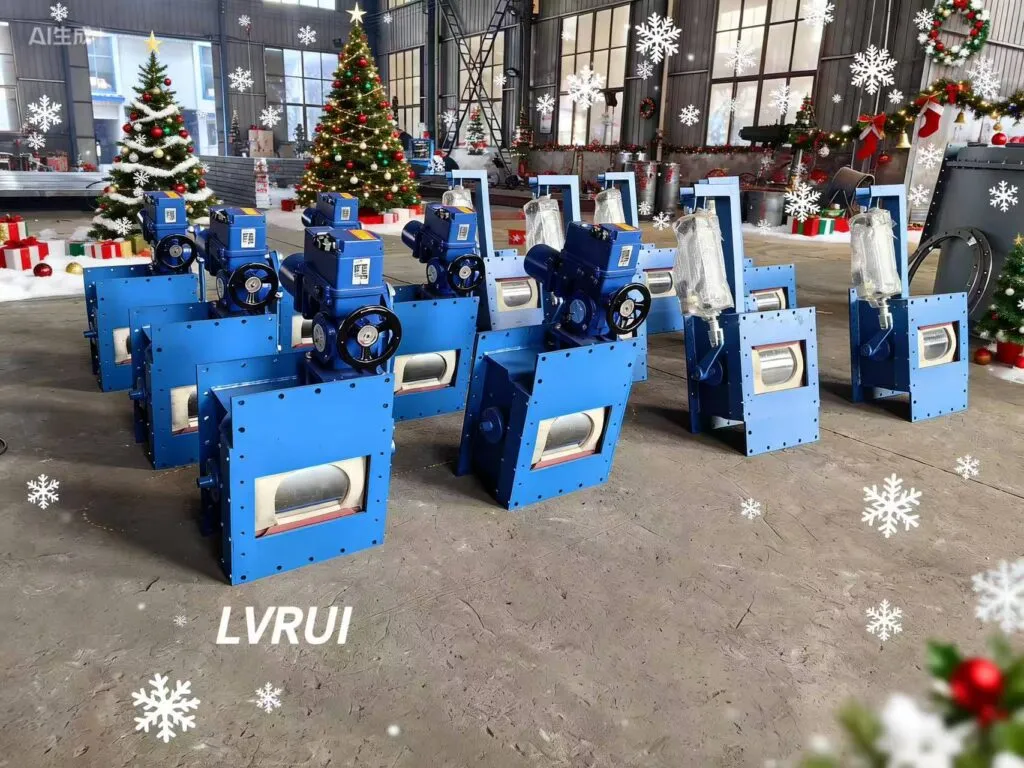
A planned shutdown gives cement plants an opportunity to inspect equipment, complete preventive maintenance, and correct developing faults before they interrupt production. However, incomplete maintenance preparation can lead to material blockages, conveyor failures, valve malfunctions, and dust collection problems when operations resume.
A practical cement plant shutdown maintenance checklist should cover three stages: preparation before shutdown, equipment inspection during downtime, and verification before restart.
This guide focuses on bulk material handling equipment, including cement silos, discharge gates, conveyors, air slide systems, and dust collectors. It complements routine preventive maintenance and detailed restart procedures rather than replacing them.
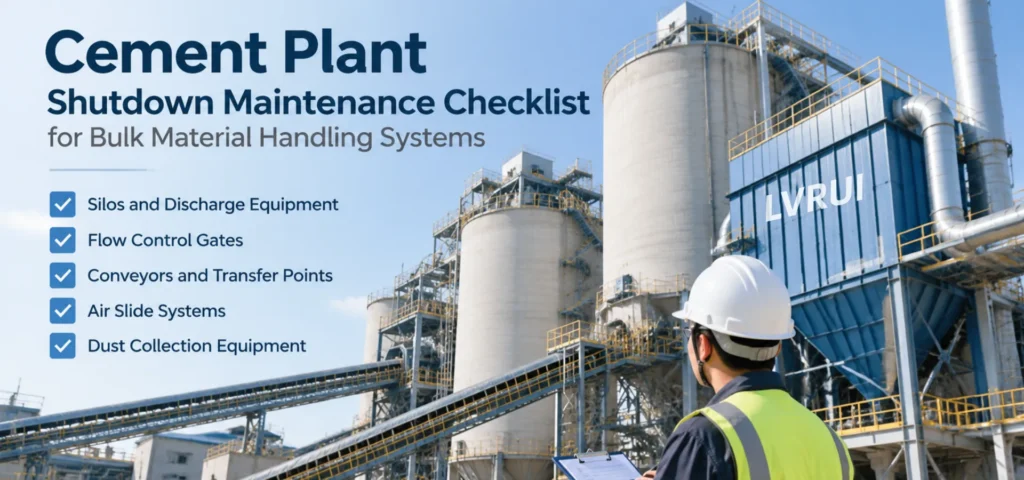
1. Why Shutdown Maintenance Matters in Cement Plants
Bulk material handling systems contain interconnected mechanical, pneumatic, and electrical components. A fault in one section can affect the entire conveying process.
Common risks during extended shutdowns include:
- Residual powder accumulating in hoppers, chutes, and conveyor sections.
- Moisture entering equipment and affecting stored or residual powder.
- Wear, corrosion, or mechanical stiffness in moving components.
- Damaged seals and unreliable valve actuation.
- Dust collector faults or restricted airflow.
- Incomplete inspection records and unresolved maintenance issues.
The appropriate maintenance scope depends on the shutdown duration, material characteristics, operating history, equipment condition, and manufacturer recommendations.
The objective is not to replace every component during downtime. It is to identify risks, complete necessary maintenance, and verify that the system is ready for its next operating cycle.
2. Cement Plant Shutdown Maintenance Checklist
Use this cement plant shutdown maintenance checklist to prioritize inspections based on equipment condition, operational risk, and planned downtime.
2.1 Prepare the Maintenance Plan
Before stopping production, establish a clear maintenance scope for the complete material handling line.
Review the following items:
- Identify equipment with recurring faults or abnormal operating conditions.
- Review previous inspection reports and outstanding maintenance work orders.
- Confirm the availability of critical spare parts, tools, and qualified maintenance personnel.
- Assign responsibilities for inspection, repair, testing, and final acceptance.
- Identify equipment requiring specialist support or additional safety controls.
Prioritize equipment that could stop the entire production or conveying line if it fails.
A documented plan also helps maintenance teams distinguish between urgent corrective work and improvements that can be scheduled for a later shutdown.
2.2 Remove Residual Material Where Appropriate
Residual cement, fly ash, or other bulk powders may accumulate in equipment during normal operation. Depending on the material and storage conditions, prolonged exposure to moisture or compaction may make subsequent discharge more difficult.
Where the process and site procedures permit, review whether material should be cleared from:
- Silo discharge outlets and accessible hoppers.
- Conveyor inlets, transfer chutes, and discharge points.
- Screw conveyors and other enclosed conveying equipment.
- Air slide sections and associated material distribution points.
- Dust collector hoppers and discharge devices.
Do not assume that every silo or conveying line must be completely emptied. The decision should reflect the material condition, process requirements, equipment design, and approved operating procedures.
If a material flow problem already exists, identify its cause before deciding whether cleaning, aeration adjustment, mechanical repair, or a change in the discharge arrangement is necessary.
For related engineering considerations, see our guide to cement silo discharge design mistakes.
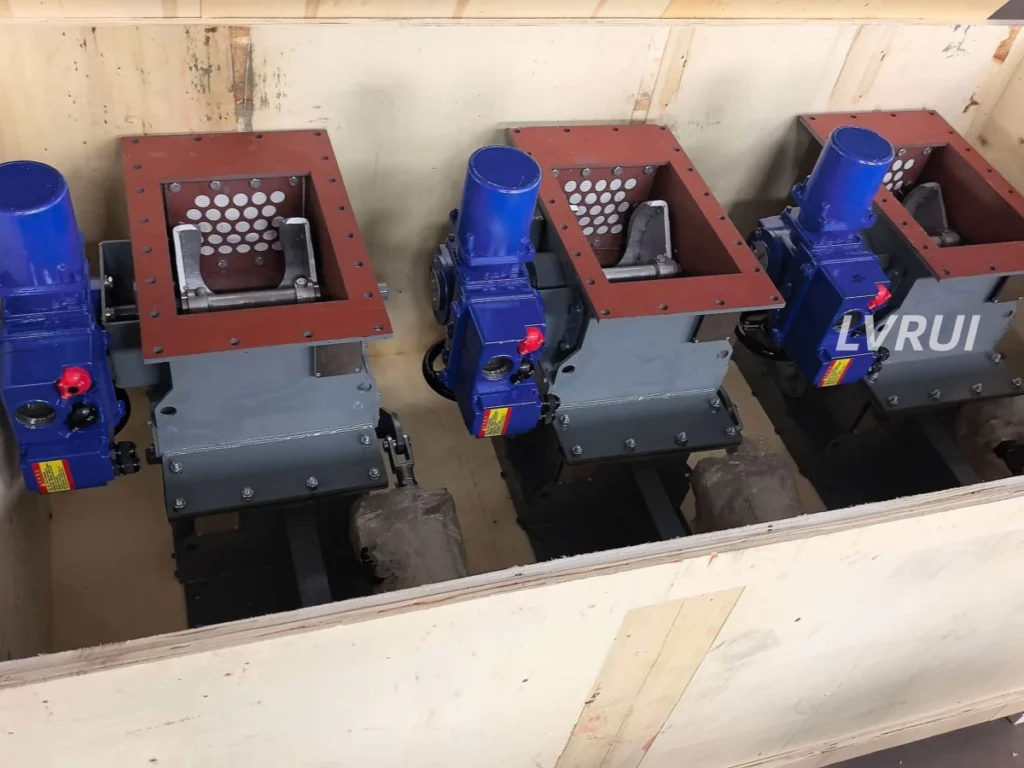
2.3 Inspect Silo Discharge Equipment and Flow Control Gates
Silo discharge equipment controls the movement of powder from storage into downstream conveying systems. A malfunctioning gate or obstructed outlet can delay production even when the conveyor itself is in good condition.
During the inspection, check:
- Gate movement and the condition of accessible mechanical components.
- Sealing surfaces, connections, and signs of material leakage.
- Pneumatic actuators, air lines, electrical connections, and limit switches, as applicable.
- Signs of hardened material or mechanical obstruction.
- Whether the discharge gate and downstream equipment are appropriately matched.
- Whether existing control signals and interlocks operate as intended.
Do not assume that a gate is defective simply because discharge is unstable. Poor material flow, unsuitable aeration, or insufficient downstream capacity may produce similar symptoms.
See the LVRUI flow control gate valve page for equipment information and application considerations.
2.4 Inspect Conveyors and Transfer Points
Conveyor maintenance should focus on components that affect safe operation, conveying continuity, and material transfer.
For belt conveyors, inspect:
- Belt condition, splices, tracking, and tension.
- Idlers, pulleys, scrapers, and accessible bearings.
- Drive components, guards, and signs of abnormal wear.
- Transfer chutes and points where material accumulation or dust leakage occurs.
For screw conveyors, bucket elevators, and chain conveyors, follow the applicable equipment manual and inspect the relevant drive components, bearings, chains, buckets, screws, and wear surfaces.
Also check whether material accumulation at a transfer point results from a blockage, poor alignment, excessive feeding, or an unsuitable downstream connection.
Correcting the underlying cause is more effective than repeatedly clearing the same blockage.
2.5 Check Air Slide Conveyors and Aeration Systems
Air slide conveyors depend on suitable material properties, a correctly arranged conveying route, and adequate airflow through the permeable fabric.
During shutdown maintenance, inspect:
- Air slide fabric for visible damage, contamination, or signs of moisture exposure.
- Accessible inspection covers, seals, and flange connections.
- Air chambers and air supply lines for leakage or damage.
- Blower condition and associated air supply components.
- Signs of uneven material accumulation or restricted powder movement.
Protect the air slide fabric from water and contamination during maintenance. Use only cleaning methods approved for the fabric and equipment.
Before returning the system to service, confirm that the air supply arrangement and operating conditions meet the equipment requirements.
For more information about the equipment and its operating principle, see the LVRUI air slide conveyor page.
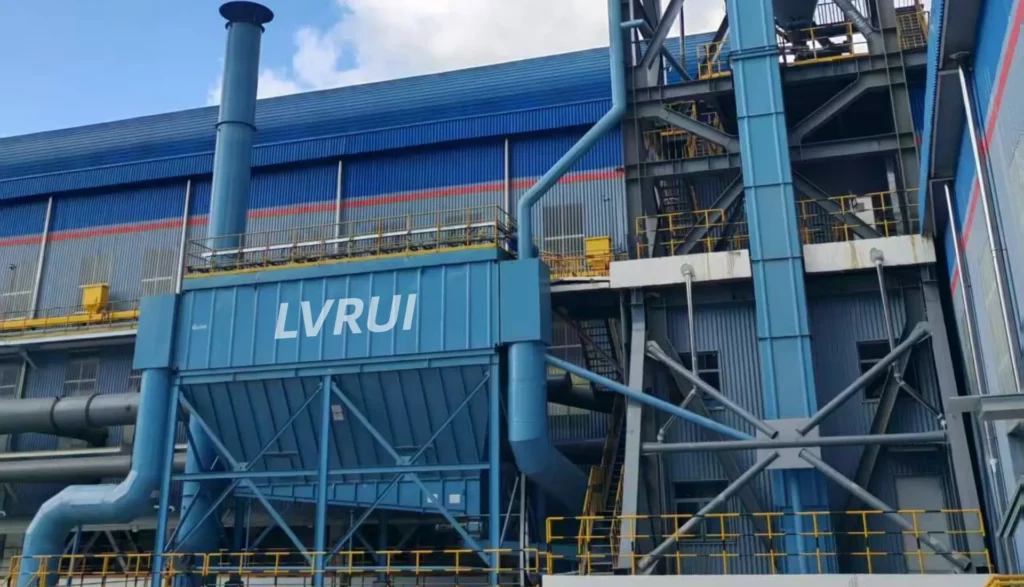
2.6 Inspect Dust Collection Equipment
Dust collection performance affects housekeeping, equipment reliability, and control of airborne dust at transfer points.
Inspect the relevant parts of the dust collection system, including:
- Filter bags or other filtration elements for damage and abnormal contamination.
- Pulse cleaning valves and compressed-air connections, where applicable.
- Dust collector hopper discharge devices.
- Fan, ductwork, and accessible connections for damage or leakage.
- Differential pressure instruments and other monitoring devices, if installed.
Record abnormal readings and compare them with the equipment manufacturer’s operating requirements and historical operating data.
Do not treat every high differential pressure reading as a filter bag failure. The cause may involve filtration elements, cleaning performance, airflow conditions, or accumulated material.
For equipment information, visit the LVRUI bag filter page.
3. Maintenance Practices During the Shutdown
3.1 Control Hazardous Energy Before Servicing
Maintenance must not begin until the equipment has been placed in a safe condition under the site’s approved procedures.
Electrical, mechanical, pneumatic, hydraulic, and stored energy sources may create hazards during servicing.
Apply the required isolation and lockout/tagout procedures, verify that isolation is effective, and control stored energy before work begins. Only authorized personnel should perform the relevant isolation and release procedures.
For general background on hazardous-energy control, see the OSHA Control of Hazardous Energy (Lockout/Tagout) guidance. Applicable local regulations and site-specific safety procedures must also be followed.
Never enter a silo, hopper, or other confined space without the required authorization, isolation, atmospheric assessment, and confined-space controls.
3.2 Protect Equipment From Moisture and Contamination
During extended downtime, protect exposed equipment and components against water ingress, dust accumulation, and corrosion.
Pay particular attention to:
- Air slide fabric and air supply components.
- Electrical cabinets, sensors, and actuator connections.
- Open inspection points and disconnected equipment interfaces.
- Spare parts and replacement components awaiting installation.
- Equipment exposed to outdoor weather or condensation.
Use suitable covers and preservation methods without obstructing required ventilation or creating additional hazards. Follow the manufacturer’s recommendations for equipment storage and preservation.
3.3 Complete Repairs and Record Findings
After inspection, document the condition of each critical component and the work completed.
Maintenance records should include:
- The equipment identification and inspection date.
- The fault or abnormal condition observed.
- The corrective action performed.
- Parts replaced and any outstanding defects.
- Test results and the person responsible for acceptance.
If a fault cannot be corrected before the planned restart, document its operational implications and obtain the required engineering and operational approval before deciding whether the equipment can return to service.
4. Pre-Restart Maintenance Checklist
Before production resumes, confirm that maintenance work has been completed and the affected equipment is safe to operate.
4.1 Verify Mechanical Completion
Check that:
- Tools, temporary materials, and maintenance debris have been removed.
- Guards, inspection covers, and access panels have been properly reinstalled.
- Required fasteners and equipment connections have been checked.
- Lubrication and other maintenance requirements have been completed according to the equipment manual.
- Outstanding defects have been recorded and assessed.
4.2 Test Controls and Supporting Systems
Where applicable, verify valve actuation, limit switches, sensors, alarms, and interlocks using the approved test procedure.
Confirm that pneumatic systems and blower arrangements are available and operating within their specified requirements.
For air slide systems, check the required airflow conditions. For dust collection equipment, confirm that the necessary filtration and cleaning functions are available.
The exact test method depends on the equipment configuration. Do not bypass safety interlocks or conduct tests that expose personnel to moving machinery.
4.3 Confirm System Readiness
Before material is introduced, verify that downstream equipment is ready to receive it and that the relevant operating conditions have been met.
Check the complete material path, from the silo outlet and flow control device through the conveying equipment to the receiving point.
During the initial operating period, monitor for:
- Abnormal noise, vibration, or mechanical movement.
- Belt mistracking or unexpected material accumulation.
- Unstable discharge or repeated blockage.
- Unusual dust leakage at transfer points.
- Abnormal instrument readings or equipment alarms.
Stop and investigate if an abnormal condition exceeds the site’s approved operating limits.
For a detailed sequence of silo system restart operations, see Cement Silo Restart Sequence: 7 Steps to Follow.
5. Common Shutdown Maintenance Mistakes
Mistake 1: Treating Every Shutdown the Same
A short maintenance stop and an extended shutdown may require different inspection scopes. Adjust the plan according to equipment condition, material characteristics, environmental exposure, and the expected downtime.
Mistake 2: Replacing Components Without Diagnosing the Cause
Repeated blockage, unstable discharge, or excessive dust leakage may originate from interactions between several pieces of equipment.
Inspect the material path and identify the source of the problem before replacing components. Our guide to material flow problems in cement plants provides additional troubleshooting context.
Mistake 3: Skipping Documentation
Without maintenance records, the next shutdown team may repeat previous inspections without addressing recurring faults. Documenting findings and corrective actions supports more effective preventive maintenance.
Mistake 4: Restarting Before the Complete System Is Ready
A conveyor or discharge gate should not be assessed in isolation from the equipment it serves. Confirm the required downstream readiness, control logic, and safety conditions before introducing material.
FAQs About Cement Plant Shutdown Maintenance
How early should a cement plant prepare for a planned shutdown?
Preparation should begin early enough to review equipment condition, define the maintenance scope, obtain critical spare parts, assign personnel, and arrange required safety controls. The lead time depends on the shutdown duration, equipment criticality, and the complexity of the planned work.
Which equipment should receive priority during shutdown maintenance?
Prioritize equipment whose failure could interrupt the entire material handling line. This often includes silo discharge equipment, flow control gates, conveyors, air slide systems, and dust collection equipment. The final priority should be based on site-specific risk and operating history.
Should cement silos always be emptied before a long shutdown?
No. Whether a silo should be emptied depends on the stored material, moisture exposure, process requirements, silo design, and approved operating procedures. Review the actual conditions rather than applying a universal rule.
How can a plant reduce material blockages after an extended shutdown?
Review residual material, moisture exposure, discharge equipment condition, aeration arrangements, and downstream conveying capacity. If blockages recur, identify the underlying cause before changing the equipment configuration.
Does shutdown maintenance replace routine preventive maintenance?
No. Shutdown maintenance provides an opportunity for inspections and repairs that are difficult to complete during production. Routine inspections, lubrication, monitoring, and scheduled maintenance should continue according to the equipment manufacturer’s recommendations and the plant’s maintenance program.
Conclusion
A reliable cement plant shutdown maintenance checklist should cover material handling equipment, mechanical condition, flow control, aeration, dust collection, hazardous-energy control, and pre-restart verification.
The most effective approach is to plan maintenance around equipment condition and operational risk, document the work completed, and confirm that the complete material handling line is ready before production resumes.
For assistance with cement silo discharge equipment, flow control gates, air slide conveyors, or dust collection systems, contact LVRUI with your equipment details, operating conditions, and available drawings or site photos.
Jiangsu LVRUI Machinery Co., Ltd.
- Email: info@lvrui-conveyor.com
- WhatsApp: +86-18261998937
- Website: https://lvrui-conveyor.com/