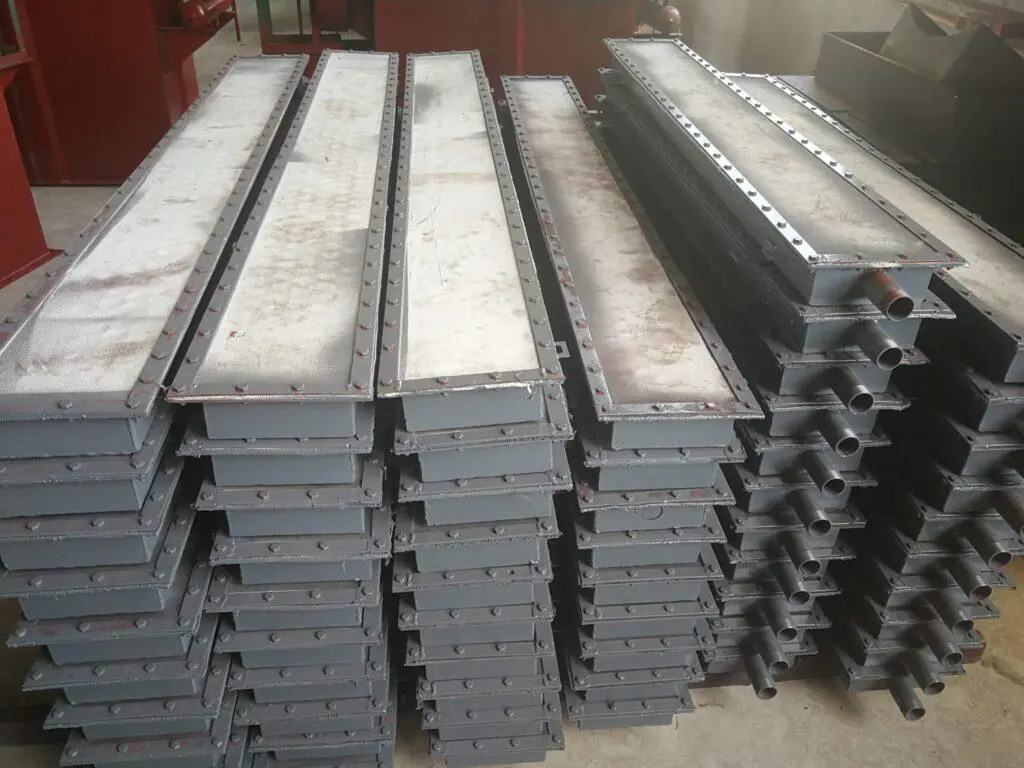
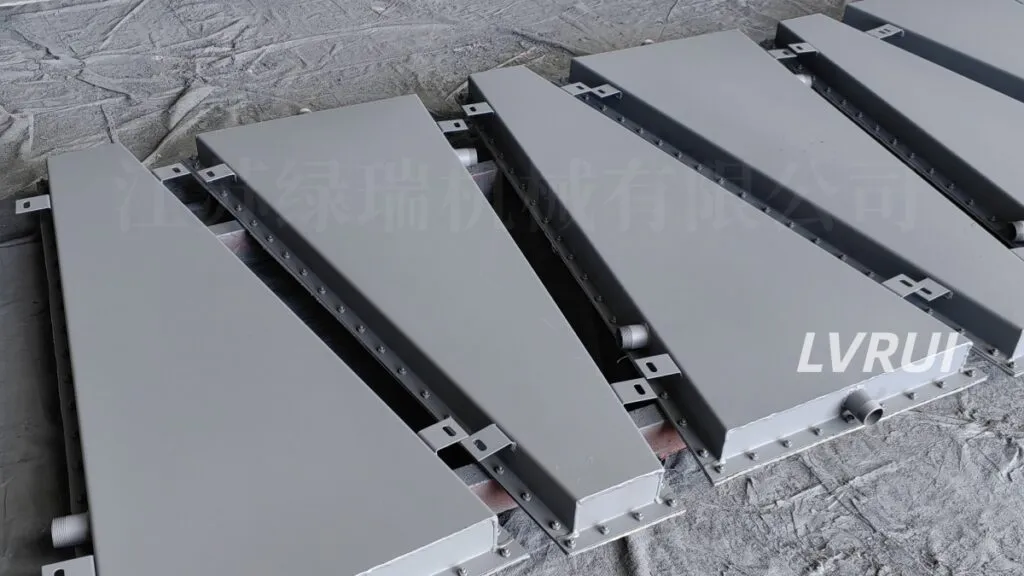
(EN)Engineering Guidelines for Designing Long-Distance and High-Capacity Air Slide Conveyor Systems in Cement and Bulk Powder Handling
(ID)Panduan Rekayasa untuk Desain Sistem Air Slide Conveyor Jarak Jauh dan Kapasitas Besar pada Industri Semen dan Penanganan Serbuk Curah
Why Use Air Slide Conveyors for Long-Distance Powder Conveying?
Air slide conveyor system design plays a critical role in achieving stable, energy-efficient, and dust-free powder conveying for cement plants and bulk material handling systems, especially in long-distance and high-capacity applications.
Air slide conveyors are ideal for cement, fly ash, raw meal, lime powder, and other fine bulk materials. Compared with mechanical conveyors, they offer several advantages for long-distance and continuous conveying:
- Low power consumption due to air gravity principle
- No rotating or moving parts inside the conveying trough
- Enclosed design for dust-free operation
- Uniform material flow with minimal degradation
- Long service life and low maintenance cost
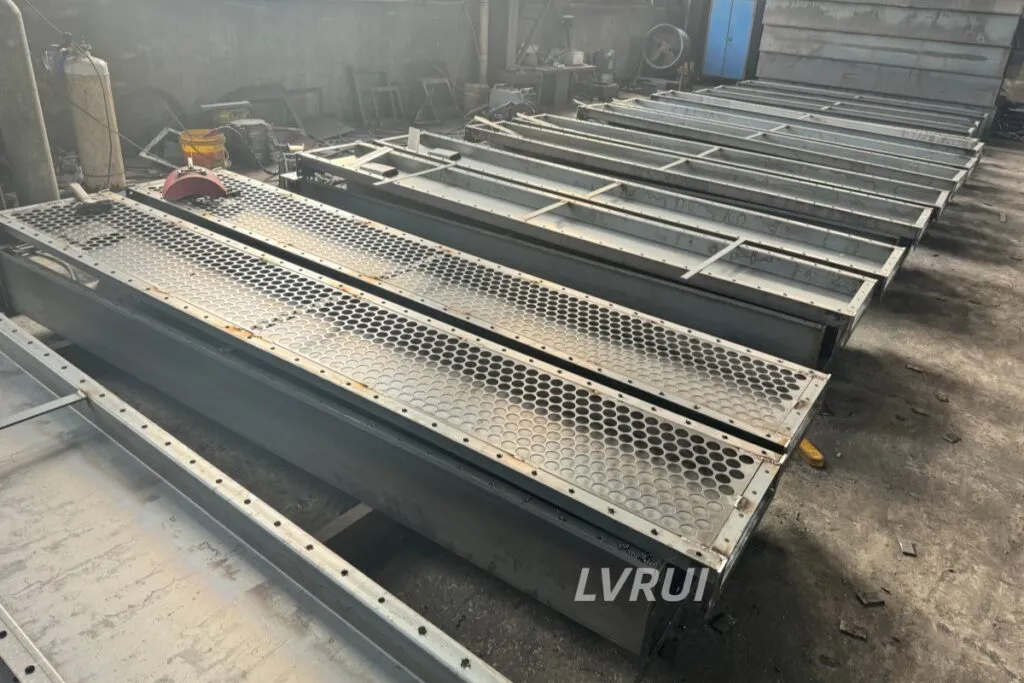
For a basic working principle explanation, you may also refer to Wikipedia – Air Slide Conveyor
Key Design Factors for Long-Distance Air Slide Conveyor Systems
In long-distance applications, air slide conveyor system design must consider material properties, aeration zoning, and airflow balance to ensure stable and continuous powder transport.
Designing an air slide conveyor for long-distance or high-capacity applications requires more than simply extending the conveyor length.
Material Properties Assessment
Before system design, evaluate the following material characteristics:
- Particle size distribution
- Bulk density and aerated density
- Moisture content
- Flowability and tendency to agglomerate
Materials such as cement, fly ash, and silica flour are well suited for air slide conveying, while coarse or sticky materials may cause flow instability.
Conveyor Length, Inclination, and Layout Design
1. Optimal Inclination Angle
Most air slide conveyors operate at an inclination between 6° and 10°, depending on material flowability. For long-distance systems:
- Lower angles ensure stable flow
- Multiple conveyor sections may be combined
- Transfer points should be minimized
2. Horizontal vs Inclined Layout
For extended distances, designers often use:
- Short horizontal sections combined with inclined segments
- Modular air slide conveyor troughs
- Expansion joints to accommodate thermal movement
For comparison with alternative systems, see our internal guide:
👉 Air Slide Conveyor vs Screw Conveyor – Which One to Choose for Cement Plants?
Aeration System Design and Air Supply Calculation
1. Aeration Fabric Selection
The aeration medium is the core of the air slide conveyor. High-quality aeration fabric ensures:
- Uniform air distribution
- Stable fluidization of powder
- Long operational life
Common options include polyester, aramid, or synthetic fiber fabrics designed for cement and bulk powders.
You can learn more about aeration components in this related article:
👉 Aeration Pad vs Aeration Box: What’s the Difference in Cement Silo Applications?
2. Blower and Airflow Requirements
Proper airflow is essential for long-distance conveying:
- Insufficient air leads to material blockage
- Excessive air increases energy consumption and dust risk
Designers typically calculate airflow based on:
- Conveyor cross-section
- Material bulk density
- Required conveying capacity
For general bulk material handling guidelines, you may refer to
CEMA – Conveyor Equipment Manufacturers Association
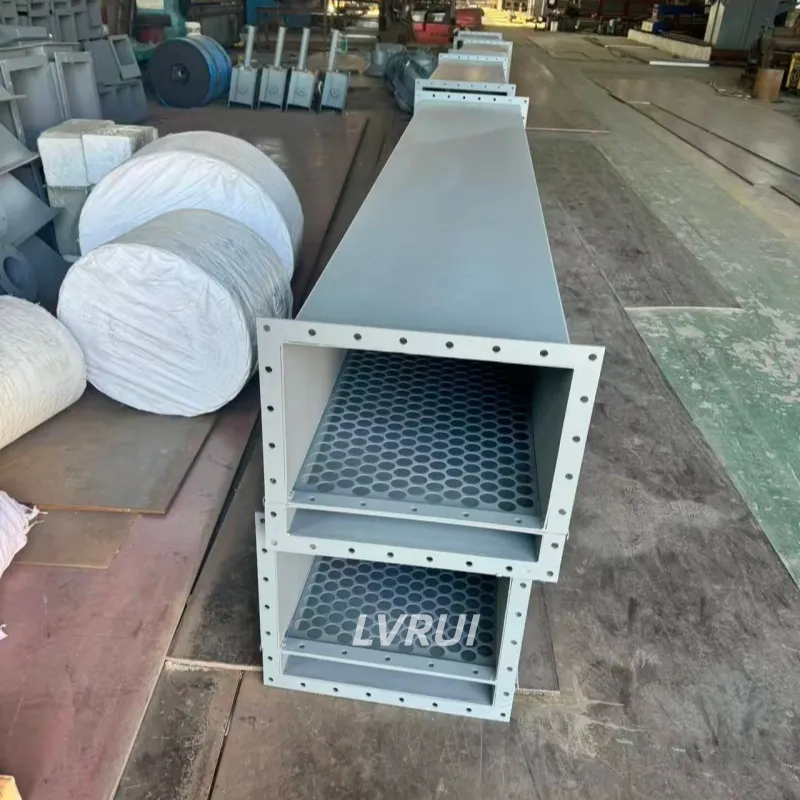
High-Capacity Conveying Considerations
When designing air slide conveyors for high throughput:
- Increase conveyor width rather than airflow velocity
- Use multiple aeration zones with independent air control
- Install pressure monitoring points along the conveyor
This approach improves flow stability and reduces wear on aeration components.
Common Design Mistakes to Avoid
Even well-intended designs can fail if these issues are overlooked:
- Overloading the conveyor beyond material flow capacity
- Poor aeration zoning causing uneven fluidization
- Improper sealing at joints leading to air leakage
- Ignoring material temperature and moisture variations
For troubleshooting insights, see:
👉 Common Problems of Air Slide Conveyors (And How to Fix Them)
Typical Applications of Long-Distance Air Slide Conveyors
Air slide conveyor systems are commonly used in:
- Cement grinding and storage systems
- Fly ash conveying from ESP or bag filters
- Raw meal transport between process units
- Powder discharge from silos to packing machines
Their modular design makes them suitable for both new plants and retrofit projects.
From an engineering perspective, proper air slide conveyor system design is essential for achieving consistent powder flow, reduced energy consumption, and long-term operational stability in cement and bulk material handling plants.
In modern cement plants, optimized air slide conveyor system design is widely applied to improve long-distance powder transport efficiency while maintaining stable, dust-free operation.
Frequently Asked Questions (FAQ)
Q1: How long can an air slide conveyor system be?
With proper design and aeration zoning, air slide conveyors can operate efficiently over tens of meters, especially when using multiple connected sections.
Q2: Can air slide conveyors handle high-temperature materials?
Yes, but aeration fabric and seals must be selected according to the material temperature and operating environment.
A well-engineered air slide conveyor system design helps cement plants achieve higher conveying efficiency, lower operating costs, and long-term operational reliability.
Need a reliable Air Slide Conveyor system for long-distance or high-capacity powder conveying?
LVRUI specializes in designing and manufacturing customized air slide conveyors, aeration pads, and bulk material handling solutions for cement and powder industries.
📩 Contact us: info@lvrui-conveyor.com
🌐 Learn more at: LVRUI Air Slide Conveyor Solutions
Versi Singkat Bahasa Indonesia
Air Slide Conveyor sangat cocok untuk transportasi semen, fly ash, dan bubuk halus lainnya karena konsumsi energi rendah dan operasi tanpa debu. Untuk jarak jauh dan kapasitas besar, desain sistem harus memperhatikan sifat material, sudut kemiringan, distribusi udara, dan pemilihan aeration pad yang tepat. Dengan desain yang benar, air slide conveyor dapat beroperasi stabil, efisien, dan minim perawatan di pabrik semen dan sistem penanganan material curah.
📩 Hubungi LVRUI: info@lvrui-conveyor.com