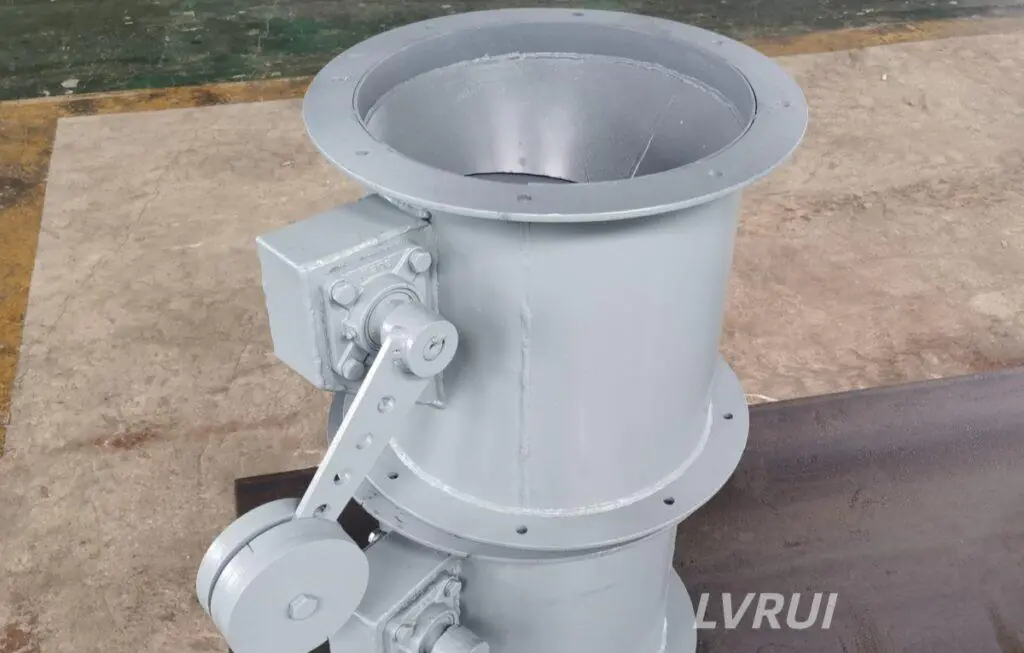
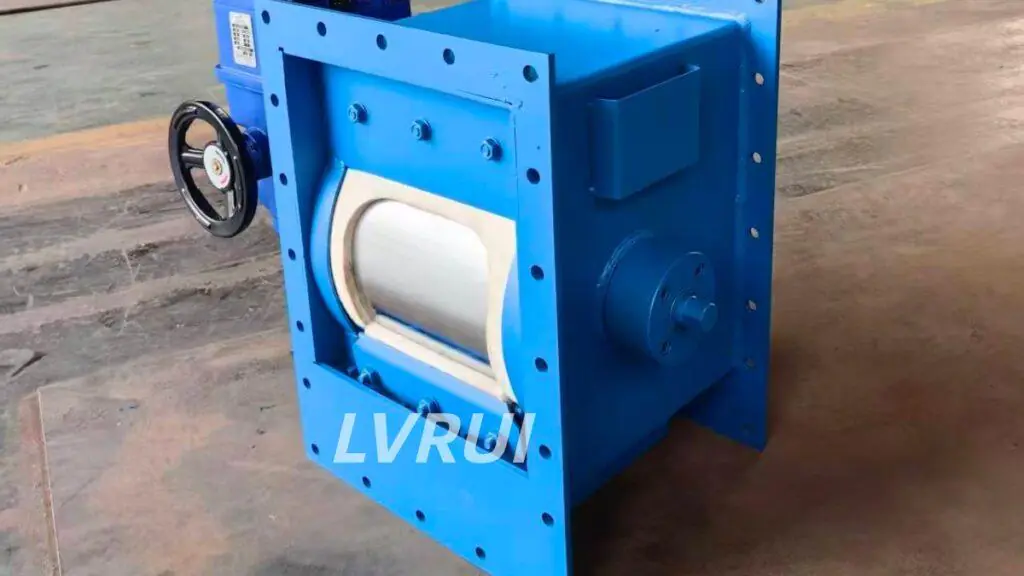
Katup Butterfly untuk Sistem Ventilasi Saluran Industri – Prinsip Desain dan Aplikasi Praktis
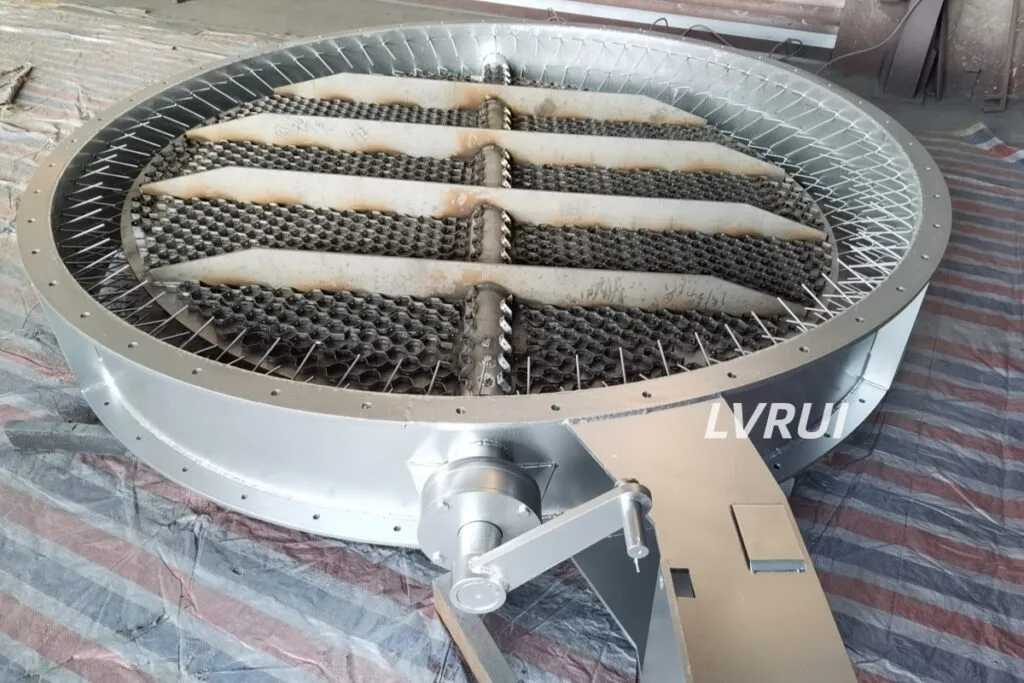
1. Introduction: Airflow Control Challenges in Industrial Duct Ventilation
Butterfly dampers for industrial duct ventilation systems play a critical role in cement plants, power stations, steel mills, and bulk material handling facilities. These systems are responsible for exhausting hot gases, controlling dust-laden air, and maintaining stable pressure conditions throughout the process line.
However, airflow control in large-diameter ducts is rarely straightforward. Variations in temperature, dust concentration, and system resistance can cause unstable airflow distribution and pressure imbalance. Butterfly dampers are commonly adopted in these systems as a practical solution for regulating airflow and isolating duct sections when required.
In large-scale ventilation engineering projects, butterfly dampers for industrial duct ventilation are commonly used to regulate airflow and maintain system balance.
2. How Butterfly Dampers Work in Ventilation Ducts
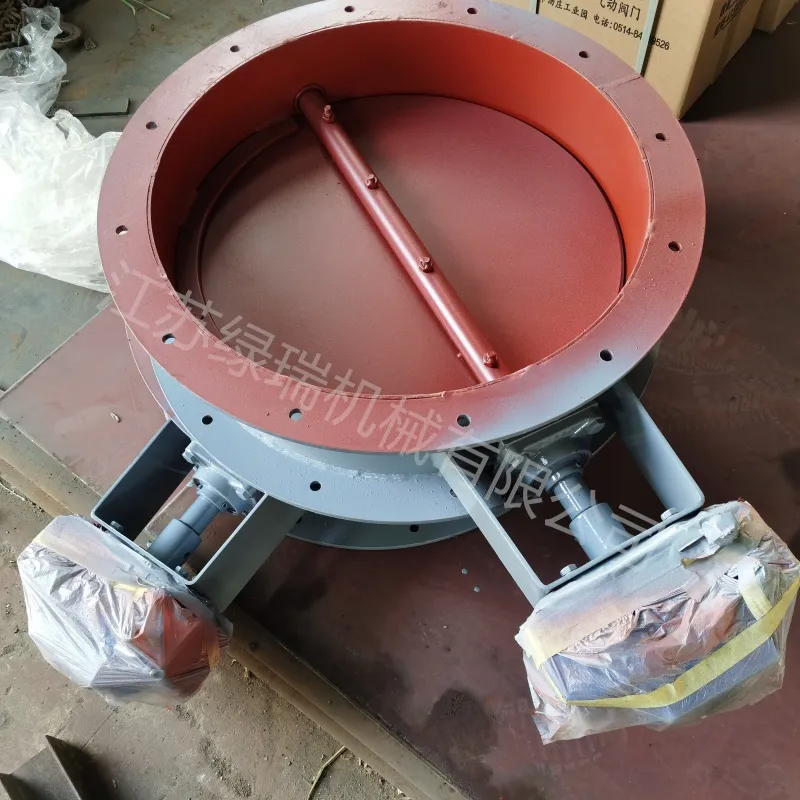
A butterfly damper consists of a circular disc mounted on a central shaft inside the duct. By rotating the disc, the damper changes the effective flow area, allowing precise control of airflow volume.
In ventilation applications, butterfly dampers are typically used in partially open positions to balance airflow between different branches. Their simple structure enables fast adjustment and stable performance, especially in medium-pressure duct systems.
Compared with multi-blade designs, butterfly dampers introduce relatively low resistance when fully open, making them suitable for long duct runs and main ventilation lines.
3. Typical Applications of Butterfly Dampers in Industrial Ventilation
Butterfly dampers are widely applied in various industrial duct ventilation scenarios, including:
- Main exhaust ducts in cement kiln and cooler systems
- Ventilation ducts for dust collection and air handling units
- Branch duct airflow balancing in large plants
- Isolation of duct sections during maintenance
- Process ventilation systems in bulk material handling facilities
In many cement plants, butterfly dampers are installed upstream or downstream of fans to regulate airflow distribution and maintain system stability.
4. Key Design Considerations for Duct Ventilation Butterfly Dampers
Selecting a butterfly damper for industrial duct ventilation requires careful evaluation of several engineering factors.
Airflow and Pressure Conditions
The damper must be designed to handle the expected airflow velocity and static pressure without excessive vibration or leakage.
Operating Temperature
High-temperature exhaust gases require appropriate material selection and shaft sealing design to ensure long-term reliability.
Dust Load and Abrasion
In dust-laden air streams, disc thickness, shaft strength, and surface treatment play a critical role in service life.
Sealing Performance
Although butterfly dampers are not designed for absolute shut-off, proper sealing design helps reduce leakage when isolation is required.
In modern ventilation engineering, butterfly dampers for industrial duct ventilation are widely applied to achieve stable airflow control and efficient system balancing.
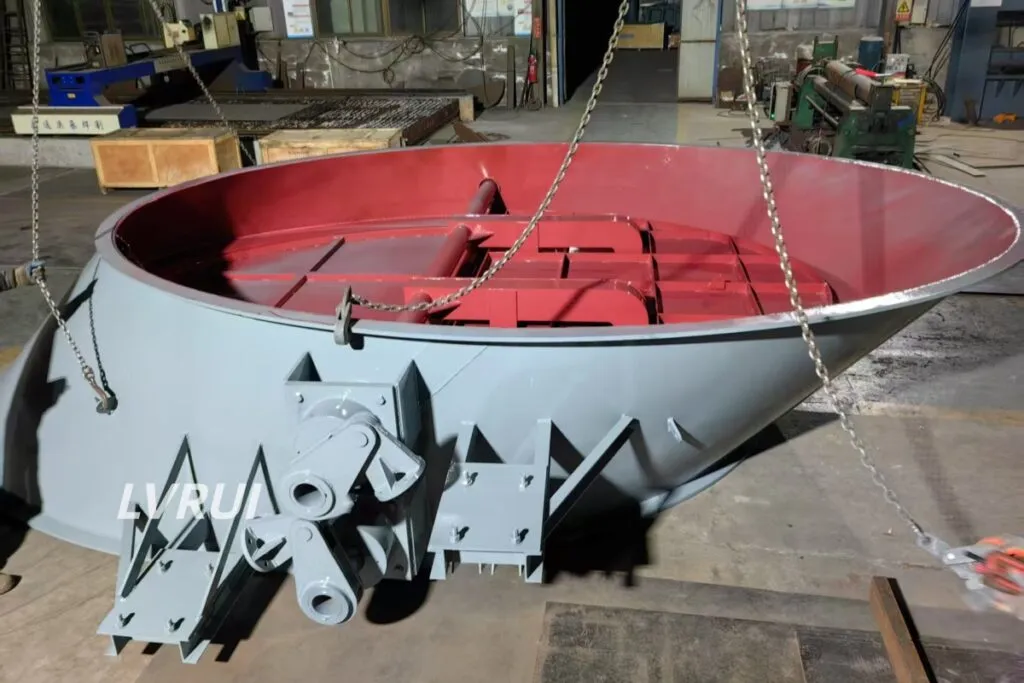
5. Butterfly Dampers vs Other Ventilation Damper Types
In industrial duct systems, butterfly dampers are often compared with louver dampers and multi-blade dampers.
Butterfly dampers offer a simpler structure and faster response, while louver dampers provide finer airflow modulation and better sealing in certain applications. The choice depends on duct size, airflow control requirements, and operating conditions.
For detailed airflow regulation in high-dust environments, engineers may consider alternatives such as louver damper valves for industrial airflow control, while butterfly dampers remain a practical choice for main duct regulation.
6. Actuation Options for Ventilation Butterfly Dampers
Butterfly dampers used in ventilation systems can be equipped with different actuation methods:
- Manual handwheel for simple adjustment
- Pneumatic actuators for automated control
- Electric actuators for integration with control systems
Actuator selection depends on response speed requirements, control accuracy, and system automation level.
7. Installation and Operational Best Practices
Proper installation is essential to ensure stable damper performance in ventilation ducts:
- Ensure correct alignment between damper and duct
- Avoid installing dampers too close to fans or elbows
- Allow sufficient straight duct length upstream and downstream
- Regularly inspect shaft seals and disc condition
Correct installation helps minimize turbulence, vibration, and uneven wear during operation.
8. Integration with Industrial Airflow Control Systems
Butterfly dampers rarely operate as standalone components. They are typically part of a broader airflow control system that may include fans, filters, and flow control devices.
In cement and bulk material handling systems, butterfly dampers are often coordinated with flow control gate valves to manage both air and material flow in different process stages, ensuring stable and energy-efficient operation.
9. Conclusion
Butterfly dampers remain a reliable solution for regulating airflow in industrial ducts. Proper design, installation, and integration ensure long-term stability and operational efficiency.
FAQ
What are butterfly dampers used for in industrial duct ventilation?
They regulate airflow, maintain system balance, and stabilize operation in cement and industrial facilities.
How do butterfly dampers differ from louver or multi-blade dampers?
They provide simpler structure, faster response, lower resistance, while louver dampers provide finer modulation and better sealing.
What factors should be considered when selecting a butterfly damper?
Airflow/pressure, operating temperature, dust load, abrasion, sealing performance, integration with duct or control systems.
Can butterfly dampers be automated?
Yes, with manual, pneumatic, or electric actuators depending on system requirements.
Where should butterfly dampers be installed in industrial ducts?
In straight duct sections, upstream/downstream of fans, avoiding tight bends or elbows for stable airflow.
How do butterfly dampers integrate with industrial airflow control systems?
They coordinate with fans, filters, and flow control valves to regulate airflow and optimize energy efficiency.
Indonesian Short Version
Butterfly damper banyak digunakan dalam sistem ventilasi saluran industri untuk mengatur aliran udara dan menyeimbangkan tekanan. Dengan desain sederhana dan respon cepat, katup ini cocok untuk saluran ventilasi berdiameter besar di pabrik semen. Pemilihan desain dan pemasangan yang tepat sangat penting untuk memastikan kinerja stabil dan umur pakai panjang.
CTA Section
Need a reliable butterfly damper for your industrial duct ventilation system?
Contact LVRUI today for expert technical support and fast quotation.
📧 Email: info@lvrui-conveyor.com
🌐 Website: https://www.lvrui-conveyor.com