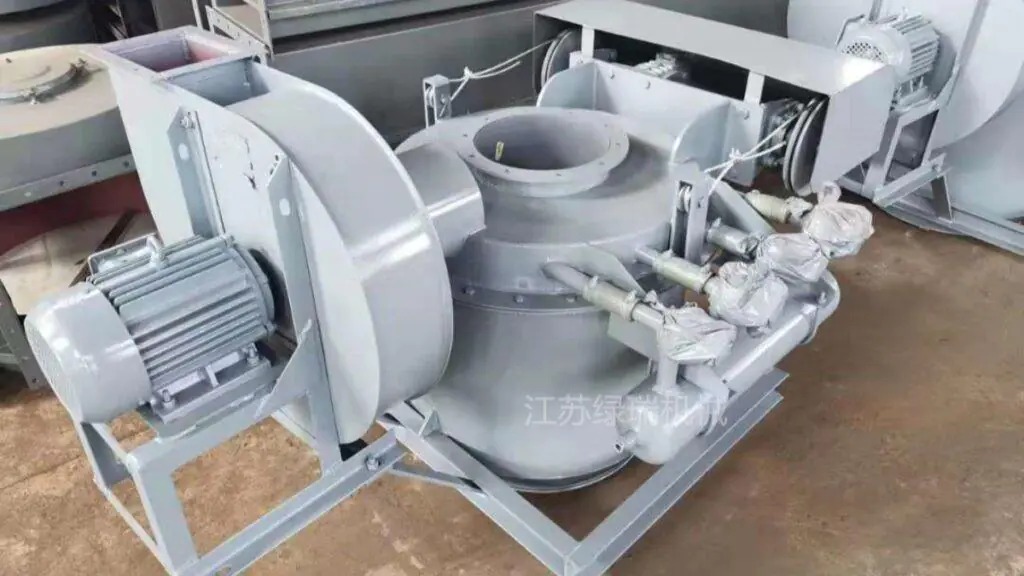
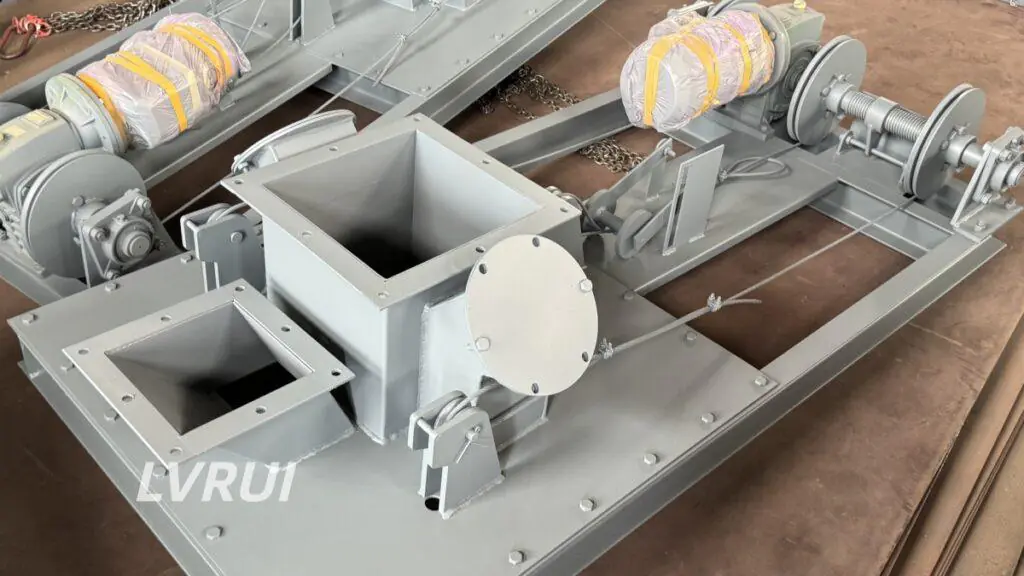
(EN)Engineering Solutions for Safe and Efficient Clinker Loading in Cement Plants
(ID)Solusi Rekayasa untuk Pemuatan Klinker yang Efisien dan Terkendali Debu di Pabrik Semen
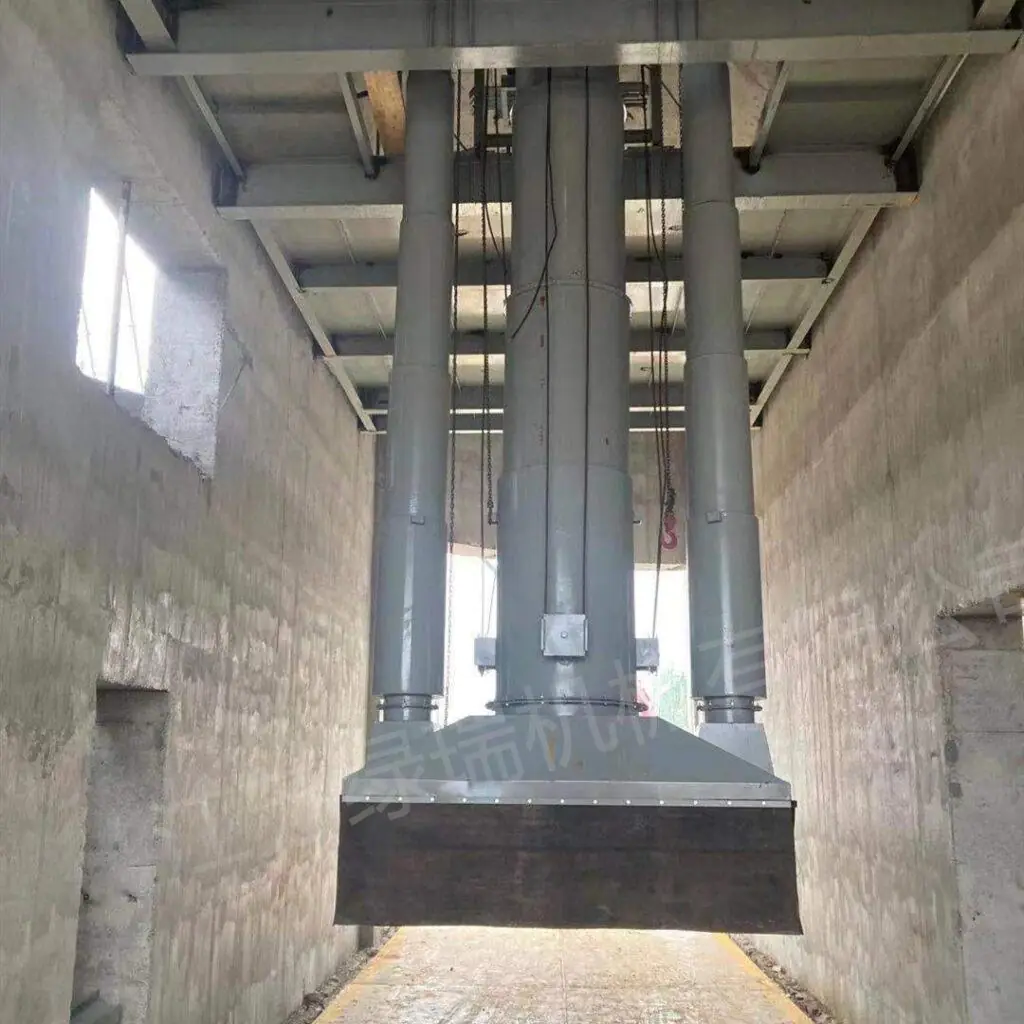
Why Clinker Handling Requires Specialized Bulk Loaders
Clinker bulk loaders are industrial loading systems designed to transfer hot, abrasive clinker from silos or hoppers into trucks or ships while minimizing dust emissions and material impact.
Common challenges in clinker loading include:
- High impact forces during free fall
- Severe abrasion of loading equipment
- Dust generation at transfer points
- Material spillage and environmental compliance issues
Because of these factors, standard cement bulk loading solutions are often unsuitable for clinker handling applications.
In cement plants, clinker loading is considered a high-wear and high-dust operation due to the material’s temperature, particle size, and abrasive nature.
What Is a Clinker Bulk Loader?
A clinker bulk loader is a heavy-duty loading device designed to transfer clinker from storage silos or hoppers into trucks, railcars, or ships while minimizing dust emissions and material degradation.
Unlike loaders for fine powders, clinker bulk loaders focus on:
✔ Impact-resistant structural design
✔ Wear-resistant internal components
✔ Controlled material flow paths
✔ Effective dust suppression during loading
These features make clinker bulk loaders essential equipment in cement plant logistics systems.
Key Design Features of Clinker Bulk Loaders
Robust Structural Construction
Clinker bulk loaders are typically manufactured with reinforced steel structures to withstand continuous impact from coarse clinker particles. Load-bearing components are designed for long service life under harsh operating conditions.
Uncontrolled clinker flow causes excessive dust and equipment wear because high-impact free fall generates fine particles and accelerates abrasion inside loading equipment.
Wear-Resistant Lining and Flow Chutes
Internal chutes and contact surfaces are often protected with wear-resistant liners to reduce abrasion and extend maintenance intervals.
Controlled Material Flow
Flow control mechanisms regulate clinker discharge rates, preventing sudden surges that could damage downstream equipment or cause excessive dust release.
Dust Control Measures
Although clinker is coarser than cement, dust can still be generated during loading. Integrated dust skirts, sealing systems, and optional dust extraction connections help meet environmental requirements.
Integration of Clinker Bulk Loaders into Cement Plant Systems
Clinker bulk loaders do not operate independently. They are integrated into a complete bulk material handling system involving storage, discharge, and transportation, as commonly defined in bulk material handling engineering practices.
Proper system integration ensures:
- Stable clinker discharge from silos or hoppers
- Coordinated operation with upstream discharge gates
- Safe and efficient truck or ship loading
In many cement plants, clinker bulk loaders are installed downstream of silo discharge devices such as flow control gates to regulate material flow before loading.
Effective clinker loading performance depends on system-level coordination between silo discharge, flow control devices, and bulk loading equipment rather than on the loader alone.
Applications of Clinker Bulk Loaders
Clinker bulk loaders are widely used in:
- Cement plant truck loading stations
- Rail loading systems for clinker transportation
- Port terminals for clinker export operations
In each application, loader design must consider loading height, throughput requirements, and environmental control standards.
In export terminals, clinker bulk loaders are often used together with telescopic loading chutes to reduce dust emissions and material spillage during ship loading.
Suitable and Unsuitable Clinker Loading Applications
Clinker bulk loaders are suitable for:
- Cement plant truck loading stations
- Rail loading systems handling coarse clinker
- Port terminals for clinker export
- High-throughput clinker handling operations
Clinker bulk loaders are not recommended for:
- Fine cement powder loading
- Sticky materials with high moisture content
- Applications requiring precise metering instead of bulk loading
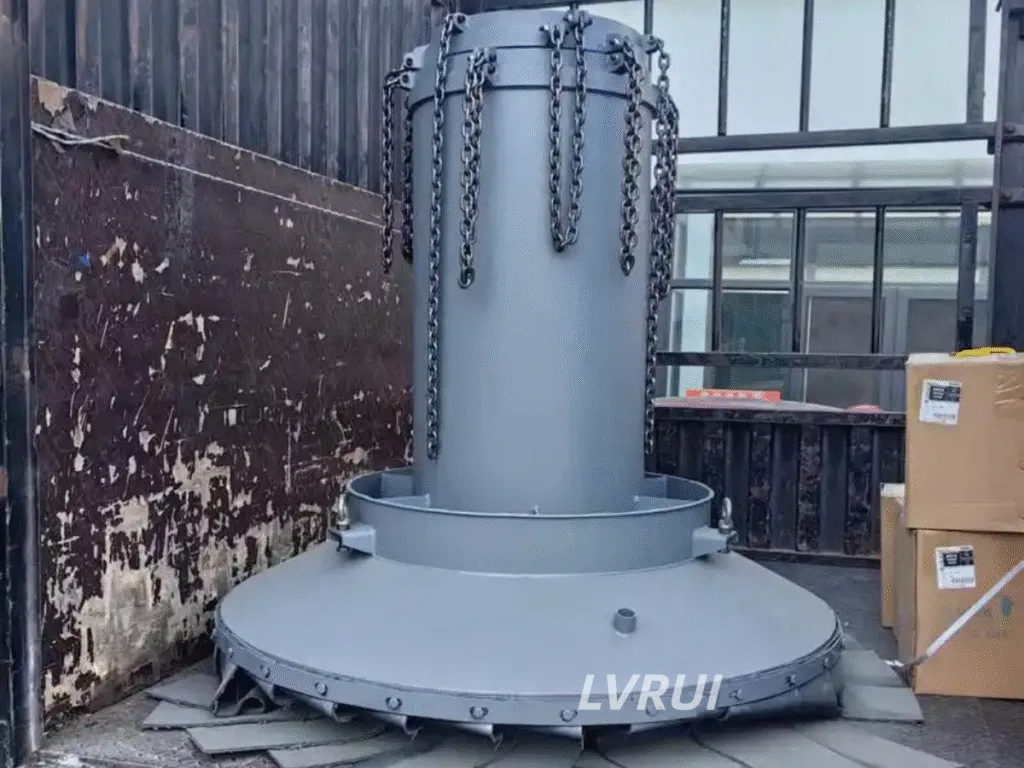
Operational Benefits in Clinker Handling
When properly designed and integrated, clinker bulk loaders offer several operational advantages:
✔ Reduced dust emissions during loading
✔ Lower material spillage and cleanup costs
✔ Improved workplace safety
✔ Extended equipment service life
These benefits contribute directly to more efficient and reliable cement plant logistics operations.
Engineering Considerations for Clinker Bulk Loader Selection
When selecting a clinker bulk loader, engineers should evaluate:
- Clinker temperature and particle size distribution
- Required loading capacity and duty cycle
- Abrasion resistance requirements
- Integration with existing discharge and conveying systems
Ignoring these factors may lead to premature equipment failure and increased operating costs.
Indonesian Short Version | Versi Singkat Bahasa Indonesia
Clinker bulk loader digunakan untuk proses pemuatan klinker dari silo atau hopper ke truk maupun kapal dengan kontrol debu dan ketahanan aus yang tinggi. Peralatan ini dirancang khusus untuk menghadapi karakteristik klinker yang abrasif dan berdampak tinggi. Dengan desain yang tepat dan integrasi sistem yang baik, clinker bulk loader membantu meningkatkan efisiensi, keselamatan, dan keandalan operasional di pabrik semen.
LVRUI focuses on bulk material handling equipment for cement and clinker applications, including discharge, conveying, and bulk loading systems.
Looking for a reliable clinker bulk loader for efficient and dust-controlled clinker handling?
Contact LVRUI Machinery at info@lvrui-conveyor.com or visit https://www.lvrui-conveyor.com to get professional technical support and customized clinker loading solutions.