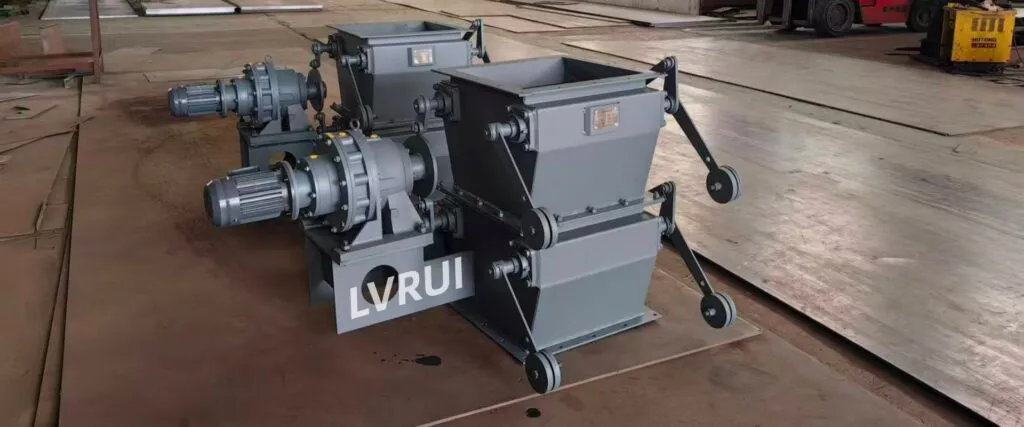
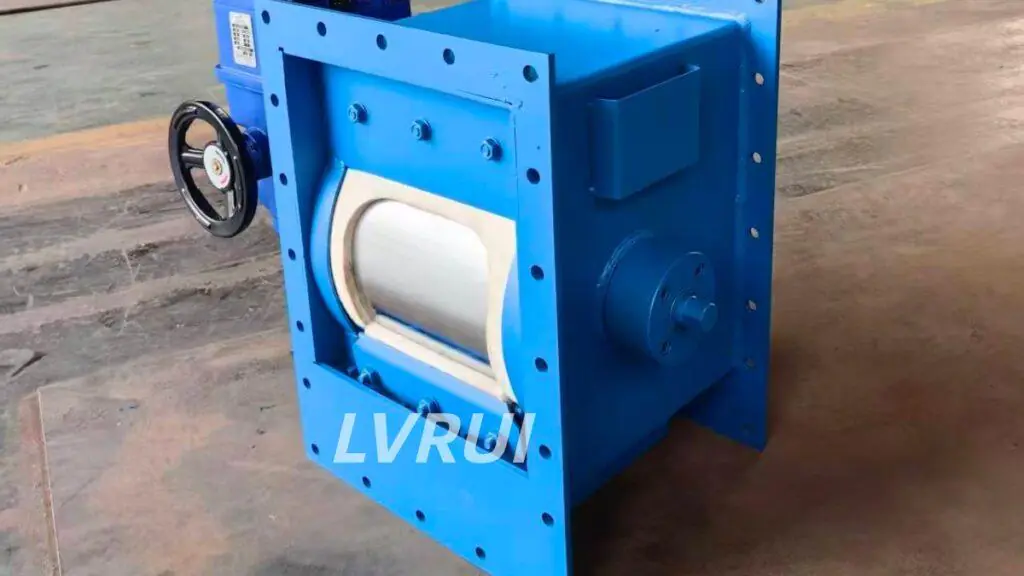
How Shaft Structure Affects Lump Breaking Performance, Capacity, Stability and Maintenance in Cement Silo Discharge Systems
Why Shaft Design Matters in Lump Breaking
A lump breaker is not only selected by motor power or capacity. The shaft structure has a direct influence on how the machine handles compacted powder, oversized lumps and unstable material flow.
In cement plants and dry bulk material handling systems, lumps may appear near silo outlets, hopper discharge points or conveyor feeding sections. If the lump breaking structure is too weak, the machine may not pull material into the breaking zone smoothly. If the design is too aggressive, it may create unnecessary fines, vibration or wear.
This is why twin shaft lump breaker design should be considered when the application involves larger lumps, higher capacity, uneven feeding or repeated blockage before downstream equipment.
The purpose is not to grind material into fine powder. The real goal is to break agglomerates into smaller, flowable pieces before they enter screw conveyors, air slide conveyors, rotary valves, flow control gates or bulk loading systems.
What Is a Twin Shaft Lump Breaker Design?
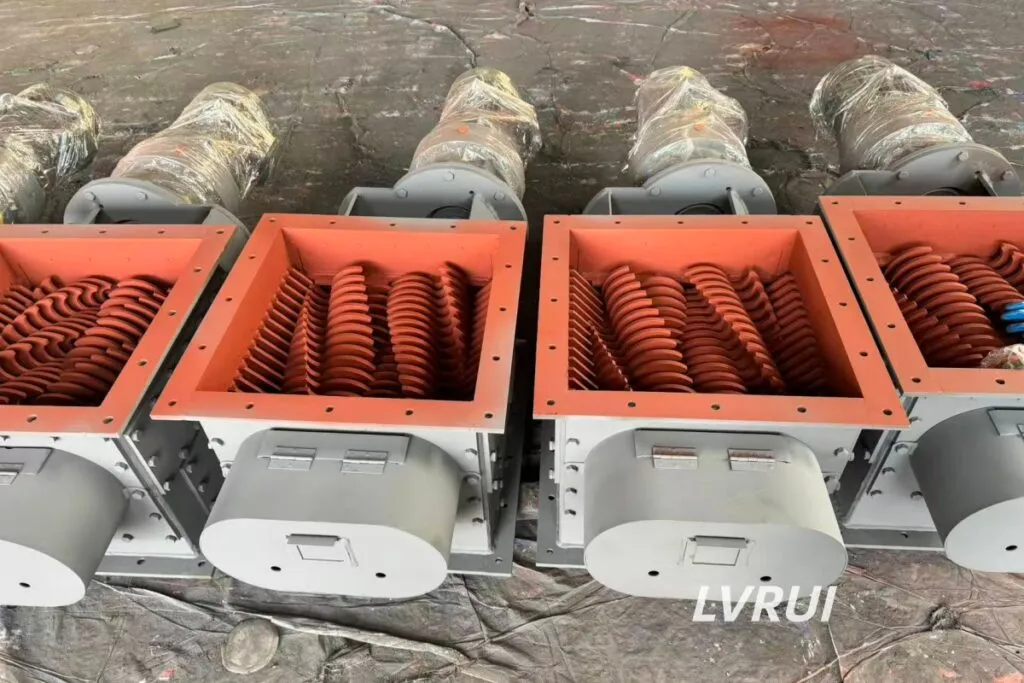
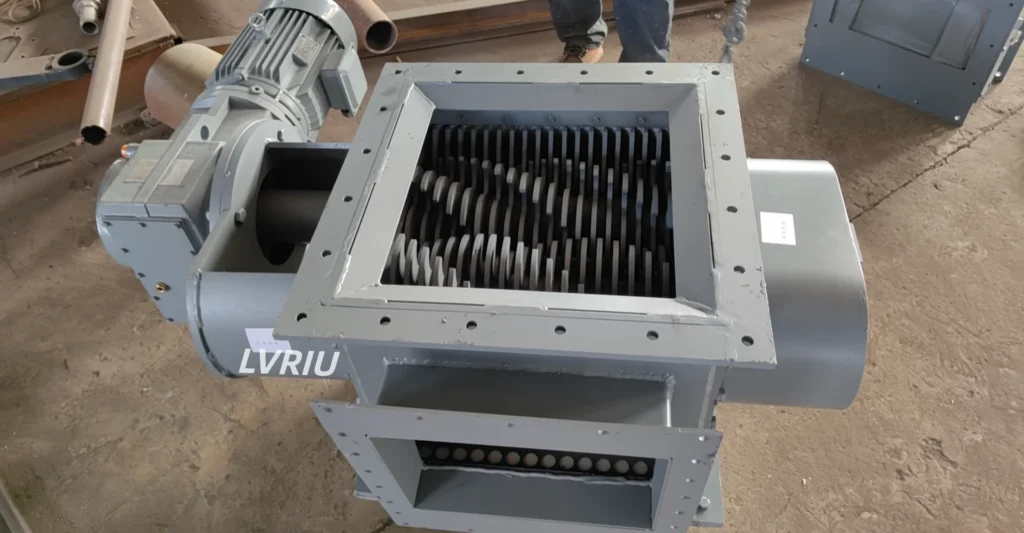
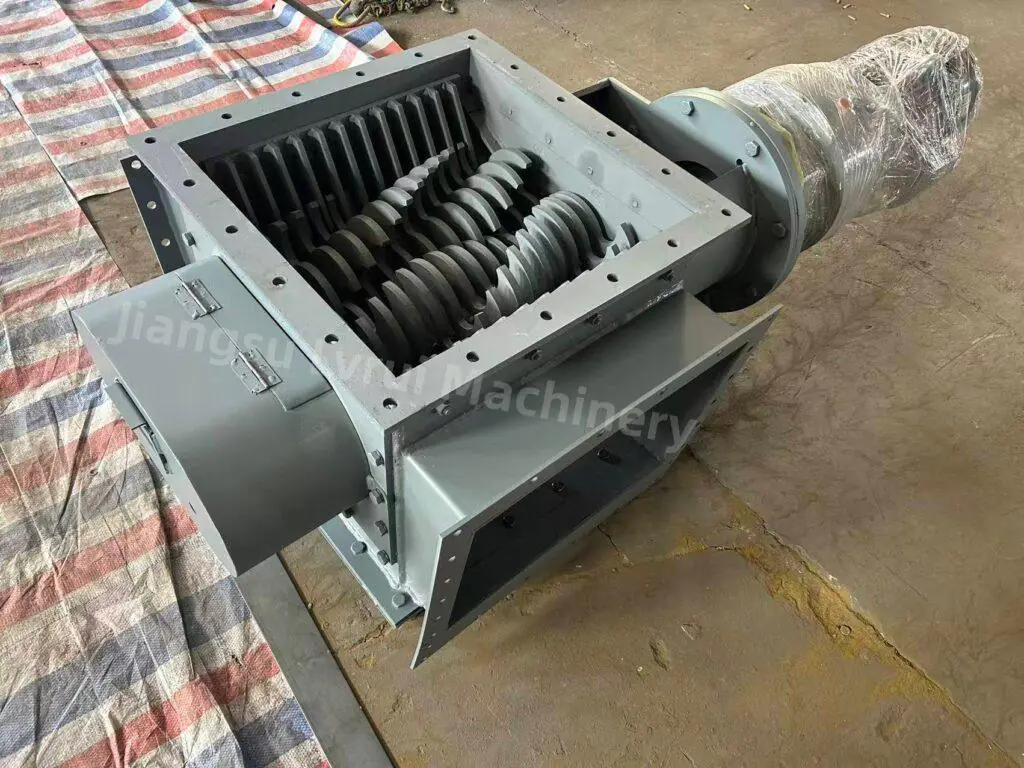
A twin shaft lump breaker design uses two rotating shafts with blades, teeth or breaking elements installed inside the housing. The two shafts usually rotate toward each other, pulling lumps into the breaking zone and reducing them into smaller pieces.
Compared with a single shaft design, the twin shaft structure has two active breaking lines. This gives the machine stronger material gripping ability and more stable processing when the feed contains irregular lumps.
Typical features include:
√ Two rotating shafts
√ Counter-rotating breaking action
√ Stronger pulling force into the crushing zone
√ More stable lump size reduction
√ Better handling of larger agglomerates
√ More balanced torque distribution
√ Lower risk of material bypassing the breaking zone
√ Suitable for higher-capacity silo discharge points
For cement powder, fly ash, lime powder, gypsum powder and mineral powder, this structure is often used when lumps are not only soft powder balls, but compacted blocks caused by moisture, storage pressure or long shutdown periods.
How a Twin Shaft Lump Breaker Works
When lumpy material enters the machine from the inlet, the two shafts rotate and pull oversized material into the center breaking area. The blades or teeth shear, squeeze and break the lumps into smaller pieces.
The processed material then falls through the outlet and enters the downstream equipment.
The working process usually includes:
√ Material enters from the silo outlet or hopper
√ Oversized lumps reach the rotating shafts
√ Counter-rotating shafts pull material inward
√ Blades or teeth break compacted lumps
√ Smaller particles pass through the outlet
√ Downstream equipment receives more stable material flow
This working principle is different from high-speed crushing. A twin shaft lump breaker usually works at lower speed with higher torque. This is more suitable for restoring flowability in powder handling systems.
Twin Shaft vs Single Shaft Lump Breaker
A single shaft lump breaker uses one rotating shaft and a fixed breaking area. It can work well for smaller capacity, softer lumps and lighter-duty applications.
A twin shaft lump breaker uses two rotating shafts. It is usually more suitable when material condition is more difficult or when the system requires more stable breaking performance.
| Comparison Item | Single Shaft Design | Twin Shaft Design |
|---|---|---|
| Shaft Structure | One rotating shaft | Two rotating shafts |
| Breaking Action | Rotor against fixed area | Counter-rotating shafts pull and break material |
| Best For | Smaller lumps and lighter-duty flow problems | Larger lumps, higher capacity and unstable feed |
| Material Pulling Ability | Medium | Stronger |
| Torque Distribution | Concentrated on one shaft | More balanced |
| Capacity Range | Usually lower | Usually higher |
| Risk of Material Bypass | Higher in some layouts | Lower when properly designed |
| Maintenance Complexity | Simpler | More parts to inspect |
| Cost | Usually lower | Usually higher |
| Typical Use | Light powder deagglomeration | Cement silo discharge, hopper discharge, bulk powder conditioning |
The better choice depends on material condition, lump size, required capacity, installation space and downstream equipment. The main advantage of twin shaft lump breaker design is stronger material pulling ability when lumps are large or feed conditions are unstable.
When Is Twin Shaft Design Better?
Twin shaft design is not always necessary. It should be used when the working condition justifies the stronger structure.
A twin shaft lump breaker is usually better when:
√ Lumps are larger or harder
√ Material feed is uneven
√ Required discharge capacity is higher
√ Silo outlet blockage happens repeatedly
√ Single shaft design cannot pull material smoothly
√ Downstream equipment is sensitive to oversized lumps
√ Cement powder has compacted after long storage
√ Fly ash, lime powder or gypsum powder forms stable agglomerates
√ The system needs more reliable continuous operation
√ The machine is installed before critical conveying equipment
For example, if a cement silo discharges material into a screw conveyor and hardened lumps frequently collect at the inlet, twin shaft design may provide more stable lump breaking before the conveyor.
If the material only contains small, soft agglomerates and the capacity is low, a single shaft design may be enough.
When Single Shaft Design May Be Enough
A single shaft lump breaker should not be dismissed. In some applications, it is the more practical choice.
Single shaft design may be suitable when:
√ Lumps are small and soft
√ Capacity requirement is not high
√ Installation space is limited
√ Budget is more sensitive
√ Material flow is mostly stable
√ The equipment is used for light deagglomeration
√ Maintenance simplicity is more important
√ The downstream machine can tolerate small agglomerates
For light-duty cement powder or mineral powder applications, a single shaft design can reduce cost and simplify maintenance. The key is to confirm the real lump size and material condition before selection.
How Twin Shaft Design Protects Downstream Equipment
The biggest value of twin shaft design is not only breaking lumps. It also protects downstream equipment from receiving oversized material.
Downstream equipment that may need protection includes:
√ Screw conveyors
√ Air slide conveyors
√ Rotary valves
√ Flow control gates
√ Slide gate valves
√ Loading spouts
√ Cement bulk loaders
√ Pneumatic conveying feeding points
√ Transfer chutes
If large lumps enter a screw conveyor, the screw blade may face sudden resistance. If lumps enter an air slide conveyor, fluidization may become unstable. If hard blocks enter a rotary valve, the rotor may jam. If a lump reaches a flow control gate, the gate may fail to close completely.
A properly selected twin shaft lump breaker design reduces these risks by conditioning material before it reaches sensitive downstream equipment.
Key Design Factors to Check
A twin shaft lump breaker should not be selected only by model name. The actual design should be based on the material and system layout.
Important factors include:
√ Maximum lump size
√ Lump hardness
√ Material moisture condition
√ Required capacity
√ Silo outlet size
√ Inlet and outlet flange dimensions
√ Available installation height
√ Downstream conveyor type
√ Required output size
√ Shaft speed
√ Blade structure
√ Motor power and reducer torque
√ Maintenance access
√ Whether interlock control is required
If the machine is installed under a cement silo, the inlet size should match the silo outlet. If it is installed before a screw conveyor, the output size should be suitable for the screw inlet. If it is installed before an air slide conveyor, hardened lumps should be broken before they reach the air slide fabric.
Design Checklist
| Design Point | What to Check | Why It Matters |
|---|---|---|
| Material Type | Cement, fly ash, lime, gypsum or mineral powder | Different materials form different lump strength |
| Maximum Lump Size | Largest expected lump before breaking | Determines shaft structure and inlet size |
| Required Capacity | Tons per hour | Affects rotor size, motor power and outlet design |
| Shaft Structure | Single shaft or twin shaft | Determines breaking performance and cost |
| Blade Design | Tooth shape, spacing and material | Affects lump pulling and wear resistance |
| Motor Power | Power and torque margin | Prevents overload under difficult material feed |
| Installation Position | Under silo, below hopper, before conveyor or valve | Affects inlet connection and maintenance access |
| Downstream Equipment | Screw conveyor, air slide conveyor, rotary valve or loading system | Determines required output size and flow stability |
| Maintenance Access | Inspection doors and service space | Reduces downtime during inspection |
| Control Logic | Local control or interlock with discharge system | Improves operation safety and stability |
This checklist helps separate structural selection from simple model selection. The machine should match the system, not just the material name.
Before confirming a twin shaft lump breaker design, the plant should check the real lump size, moisture condition and installation space.
For general conveyor and bulk material handling background, the bulk material handling engineering reference from CEMA can be used when checking downstream conveyor capacity and system matching.
Twin Shaft Design for Cement Silo Discharge
In cement silo discharge systems, twin shaft design is often used when material is stored for a long time, exposed to moisture or compacted near the silo outlet.
Common problems include:
√ Hardened cement lumps at the outlet
√ Sudden discharge blockage
√ Material arching near the silo bottom
√ Screw conveyor overload
√ Air slide conveyor inlet blockage
√ Rotary valve jamming
√ Flow control gate poor closing
√ Unstable feeding before bulk loading
In these cases, a twin shaft structure can provide stronger breaking action than a light-duty single shaft design. For cement silo discharge, twin shaft lump breaker design is more suitable when hardened lumps repeatedly enter conveyors or valves.
However, this article should not replace product selection. If the goal is to choose a complete machine for silo discharge, the product page for a cement silo lump breaker should be used as the main reference.
Twin Shaft Design for Other Dry Bulk Materials
Twin shaft lump breaker design can also be used in other friable dry bulk material applications.
Suitable materials may include:
√ Fly ash
√ Lime powder
√ Gypsum powder
√ Limestone powder
√ Mineral powder
√ Slag powder
√ Kiln dust
√ Dry chemical powder
√ Other friable bulk solids
The material should be checked carefully before selection. Very sticky, wet or extremely hard materials may require a different structure, stronger drive, special blades or another type of crushing equipment.
Common Selection Mistakes
Many selection problems come from treating all lump breakers as the same machine.
Common mistakes include:
√ Selecting only by capacity
√ Ignoring maximum lump size
√ Using single shaft design for large hardened blocks
√ Choosing twin shaft design when a simpler design is enough
√ Ignoring downstream conveyor inlet size
√ Ignoring maintenance space
√ Not checking material moisture
√ Not matching flange dimensions
√ Underestimating motor torque
√ Ignoring interlock control with upstream and downstream equipment
A correct selection should start from the material problem, not from the machine name.
Maintenance Points for Twin Shaft Lump Breakers
Twin shaft machines have more moving parts than single shaft designs, so maintenance access and inspection planning are important.
Useful checks include:
√ Inspect blades or teeth for wear
√ Check shaft alignment
√ Check bearing condition
√ Inspect seals around the shaft
√ Check reducer and motor connection
√ Listen for abnormal noise
√ Watch motor current during operation
√ Clean material buildup around the inlet
√ Check whether large lumps are repeatedly entering the machine
√ Confirm inspection doors can be opened safely
If the machine is installed under a silo, maintenance space should be confirmed before installation. A good design should allow routine inspection without unnecessary disassembly.
FAQs About Twin Shaft Lump Breaker Design
What is twin shaft lump breaker design?
Twin shaft lump breaker design uses two rotating shafts to pull, shear and break compacted material lumps into smaller, flowable pieces. It is usually selected for larger lumps, higher capacity or unstable feed conditions in cement silo discharge and dry bulk material handling systems.
Is twin shaft lump breaker design always better than single shaft design?
No. Twin shaft lump breaker design is stronger, but it is not always necessary. A single shaft design may be enough for small, soft lumps, lower capacity and lighter-duty powder applications.
When should a cement plant choose twin shaft lump breaker design?
A cement plant should consider twin shaft lump breaker design when cement lumps are large, discharge capacity is high, blockage happens repeatedly, or downstream equipment needs better protection from oversized material.
Can twin shaft design protect screw conveyors?
Yes. By breaking oversized lumps before they enter the screw conveyor inlet, a twin shaft design can reduce overload, abnormal noise, material buildup and sudden shutdown risk.
Can twin shaft design protect air slide conveyors?
Yes. Air slide conveyors need fine and flowable powder. A twin shaft lump breaker design can help break hardened lumps before they reach the air slide fabric and disturb fluidization.
What information is needed before selecting shaft design?
The key information includes material name, maximum lump size, capacity, moisture condition, silo outlet size, downstream equipment, installation height, motor power and required output size. These details help decide whether single shaft or twin shaft lump breaker design is more suitable.
Does twin shaft lump breaker design create more dust?
Not necessarily. Compared with high-speed crushing, low-speed twin shaft lump breaker design is mainly used to restore flowability, not to grind material aggressively. Dust generation depends on material condition, blade structure and operating speed.
Is twin shaft design suitable for clinker?
Twin shaft design may be suitable for some friable clinker lumps or agglomerates, but clinker condition should be checked carefully. Very hard clinker may require stronger crushing equipment instead of a standard powder lump breaking structure.
What is the main disadvantage of twin shaft lump breaker design?
The main disadvantages are higher cost, more moving parts and greater maintenance requirements compared with a simple single shaft design. However, twin shaft lump breaker design can be more reliable when handling larger lumps or unstable silo discharge.
Should this article replace product selection?
No. This article explains shaft structure differences. For actual equipment selection, the final model should be confirmed according to material condition, lump size, capacity, installation layout and downstream equipment.
Contact LVRUI for Lump Breaking and Silo Discharge Solutions
If your cement plant has repeated silo outlet blockage, downstream conveyor overload, valve jamming or unstable powder discharge, the shaft structure should be selected according to the real material condition.
Jiangsu Lvrui Machinery Co., Ltd. provides dry bulk material handling equipment for cement plants, grinding stations, fly ash systems, lime powder systems and mineral powder production lines. We can help select suitable lump breaking equipment, flow control gates, conveyors, dust collection systems and bulk loading equipment.
For a proper recommendation, please provide:
√ Material name
√ Maximum lump size
√ Required capacity
√ Silo outlet size
√ Installation height
√ Downstream equipment
√ Power supply
√ Photos or drawings of the discharge point
WhatsApp: +86-18261998937
WeChat: +86-18261998937
Email: info@lvrui-conveyor.com
Contact LVRUI for a suitable dry bulk material handling solution.
Simplified Indonesian Version
Desain twin shaft lump breaker menggunakan dua poros berputar untuk menarik dan memecah gumpalan material. Dibandingkan dengan single shaft design, struktur twin shaft biasanya lebih cocok untuk gumpalan yang lebih besar, kapasitas lebih tinggi, dan kondisi discharge yang tidak stabil.
Namun, twin shaft design tidak selalu diperlukan. Untuk gumpalan kecil dan aplikasi ringan, single shaft design mungkin sudah cukup. Pemilihan struktur harus berdasarkan ukuran gumpalan, jenis material, kapasitas, ukuran outlet silo, peralatan downstream, dan ruang instalasi. Dalam sistem discharge silo semen, desain yang tepat dapat membantu melindungi screw conveyor, air slide conveyor, rotary valve, flow control gate, dan sistem loading dari material berukuran terlalu besar.