(EN)Engineering Guidelines, Design Parameters, and Best Practices for Stable Cement Powder Conveying
(ID)Panduan Rekayasa, Parameter Desain, dan Praktik Terbaik untuk Pengangkutan Bubuk Semen yang Stabil
Introduction
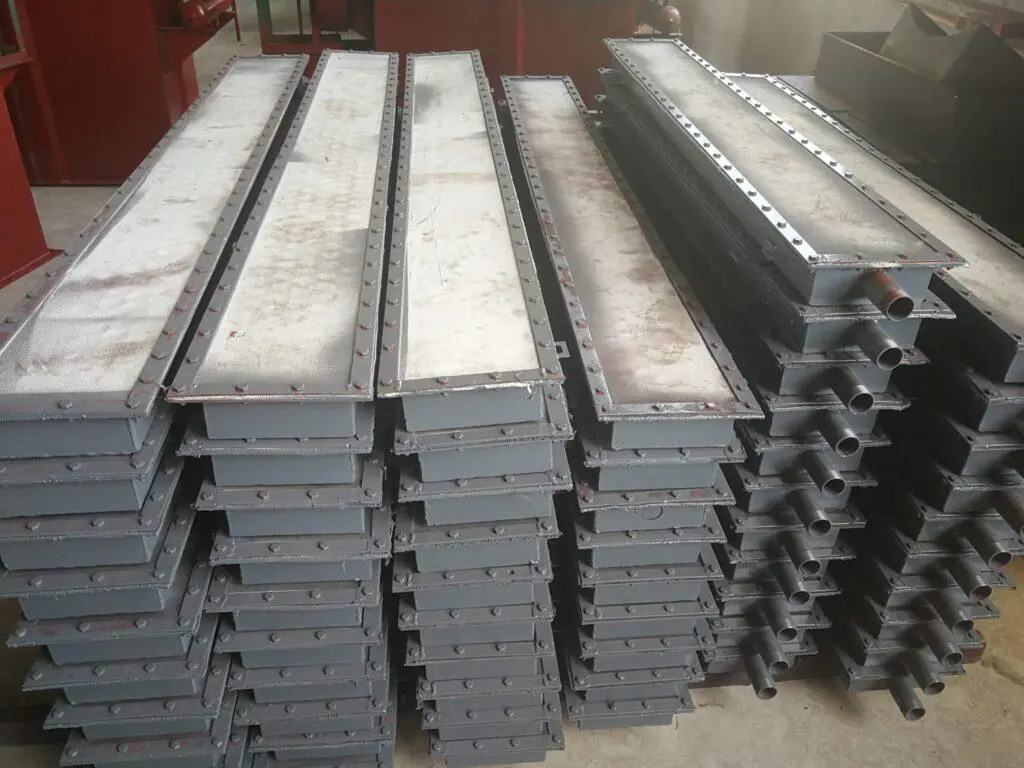
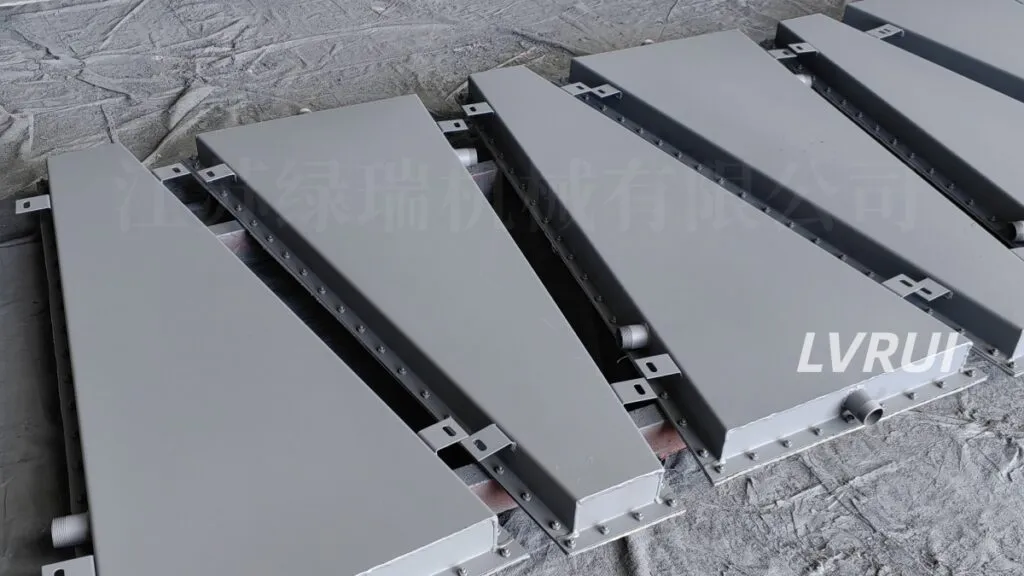
Air slide conveyor system design plays a critical role in achieving stable, low-energy powder conveying in modern cement plants.
In cement plants, handling fine powders such as cement, raw meal, and fly ash requires a conveying system that is energy-efficient, stable, and reliable. Among various options, air slide conveyors have become a preferred solution due to their low power consumption, dust-free operation, and simple mechanical structure.
However, an inefficient air slide conveyor system design can lead to poor flow, blockages, unstable conveying, or excessive air consumption. This article explains how to design an efficient air slide conveyor system for cement plants, focusing on key engineering parameters, layout considerations, air supply optimization, and material characteristics—helping engineers and plant operators achieve stable and long-term performance.
1. Understand Material Characteristics Before Design
Before designing an air slide conveyor system, engineers must clearly understand the material properties, as they directly affect conveying behavior.
Key material factors include:
- Bulk density
- Particle size distribution
- Moisture content
- Flowability and aeration behavior
Fine, dry, and free-flowing materials such as cement and fly ash are ideal for air slide conveying. Materials with high moisture or poor fluidization may require additional design adjustments.
🔗 For general powder flow behavior and aeration principles, see Bulk material flow on Wikipedia – use clean anchor text like “bulk material flow characteristics”.
2. Air Slide Conveyor Inclination Angle Design
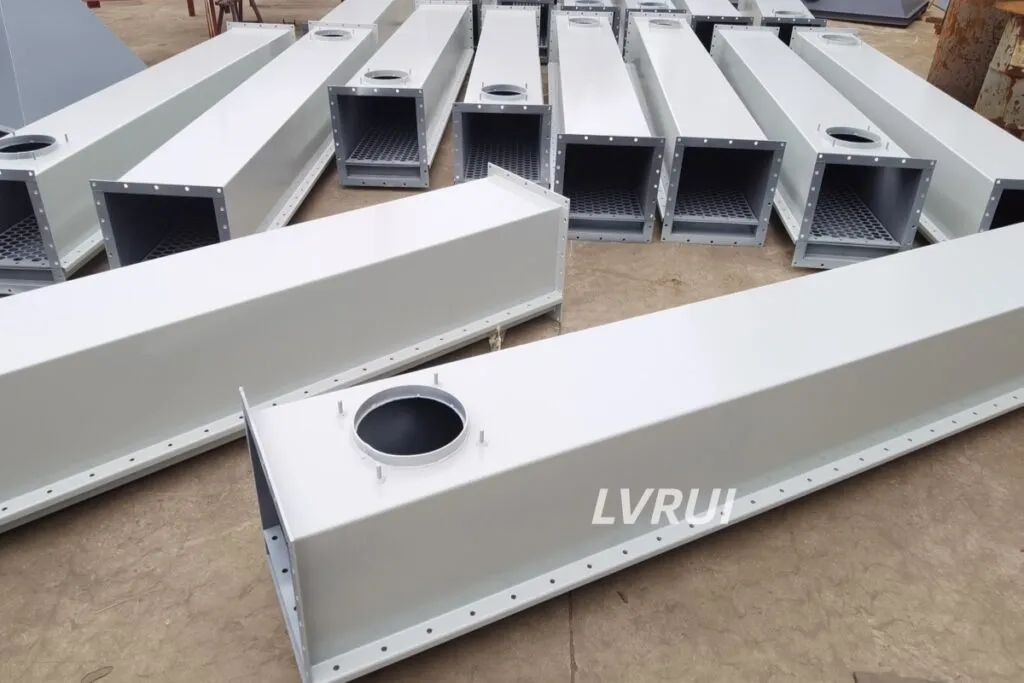
The inclination angle is one of the most critical design parameters.
Typical design range:
- 6°–10° for cement and raw meal
- 7°–12° for fly ash (depending on flowability)
An angle that is too small may cause material stagnation, while an excessive angle can lead to unstable flow or excessive velocity.
✅ Design tip: Always confirm the optimal angle through material testing or reference data from similar cement plant applications.
3. Air Supply Optimization in Air Slide Conveyor System Design
The air supply system determines whether the powder can be properly fluidized.
Key design points:
- Uniform air distribution across the aeration pad
- Stable low-pressure air source
- Adjustable airflow control for fine tuning
Excessive air increases energy consumption, while insufficient air causes material buildup and blockages.
🔗 For industrial air and dust control guidance, refer to OSHA guidelines on bulk material handling ventilation.
4. Air Slide Conveyor Length and Layout Design
A well-executed air slide conveyor system design ensures uniform material flow, lower energy consumption, and long-term operational reliability in cement plants.
Long conveying distances require careful layout planning to maintain stable flow.
Design considerations include:
- Maximum single-section length
- Expansion joints and inspection points
- Smooth transitions between sections
For long systems, dividing the conveyor into multiple sections with independent air control improves reliability and maintenance accessibility.
🔗 “How Air Slide Conveyors Work – Air Gravity Principle Explained”
5. Selection of Aeration Pad and Conveyor Structure
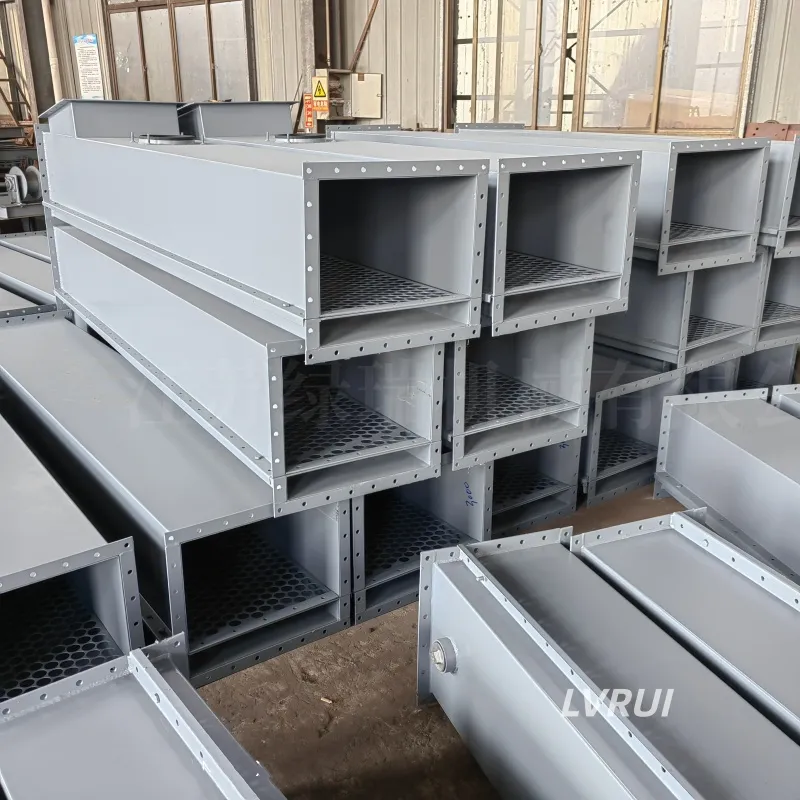
The aeration pad (fluidization fabric) must be selected based on:
- Material fineness
- Temperature resistance
- Wear resistance
A properly selected aeration pad ensures even airflow and long service life. The conveyor trough should be rigid, airtight, and designed to prevent air leakage.
🔗 “Air Slide Aeration Plate for Efficient Powder Flow in Cement & Bulk Material Handling”
6. Installation and Maintenance Considerations
Even a well-designed air slide conveyor system can fail if installed incorrectly.
Best practices include:
- Ensuring airtight sealing during installation
- Verifying inclination angle on site
- Regular inspection of aeration pads
- Monitoring airflow and pressure
🔗 For general conveyor system standards, you may reference CEMA technical guidelines.
Conclusion
Designing an efficient air slide conveyor system for cement plants requires more than selecting standard components. By carefully considering material properties, inclination angle, air supply optimization, conveyor layout, and aeration pad selection, engineers can ensure smooth, stable, and energy-efficient powder conveying.
A properly designed air slide conveyor system not only reduces operating costs but also improves plant reliability and long-term performance.
By following proven air slide conveyor system design principles, cement plants can achieve efficient, stable, and low-maintenance powder conveying.
Need a reliable air slide conveyor for your cement or powder conveying system?
LVRUI specializes in designing and manufacturing high-performance air slide conveyor systems for cement plants and bulk material handling.
📧 Email: info@lvrui-conveyor.com
📱 WhatsApp: +86-18261998937
🌐 Website: lvrui-conveyor.com
Indonesian Short Version
Air slide conveyor banyak digunakan di pabrik semen untuk memindahkan material halus seperti semen dan fly ash secara efisien. Desain yang baik harus mempertimbangkan karakteristik material, sudut kemiringan, sistem suplai udara, tata letak conveyor, serta pemilihan aeration pad yang tepat.
Dengan desain sistem air slide conveyor yang efisien, pabrik semen dapat mengurangi konsumsi energi, mencegah penyumbatan material, dan meningkatkan stabilitas operasi jangka panjang.
📧 Email: info@lvrui-conveyor.com
📱 WhatsApp: +86-18261998937
🌐 Website: lvrui-conveyor.com