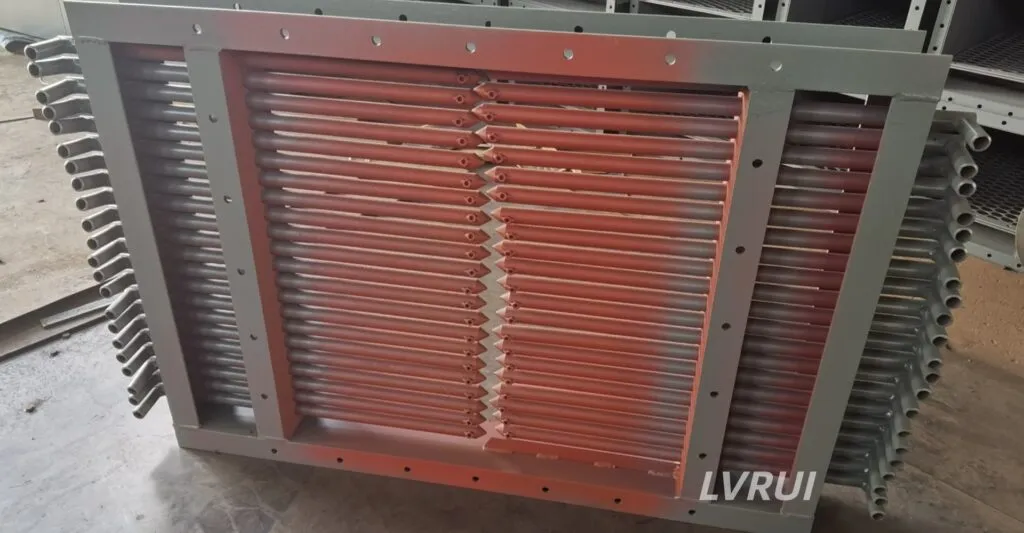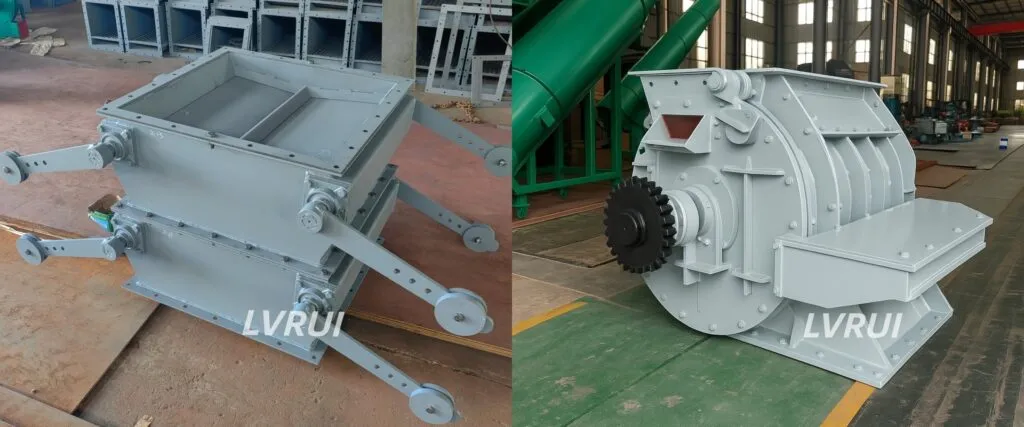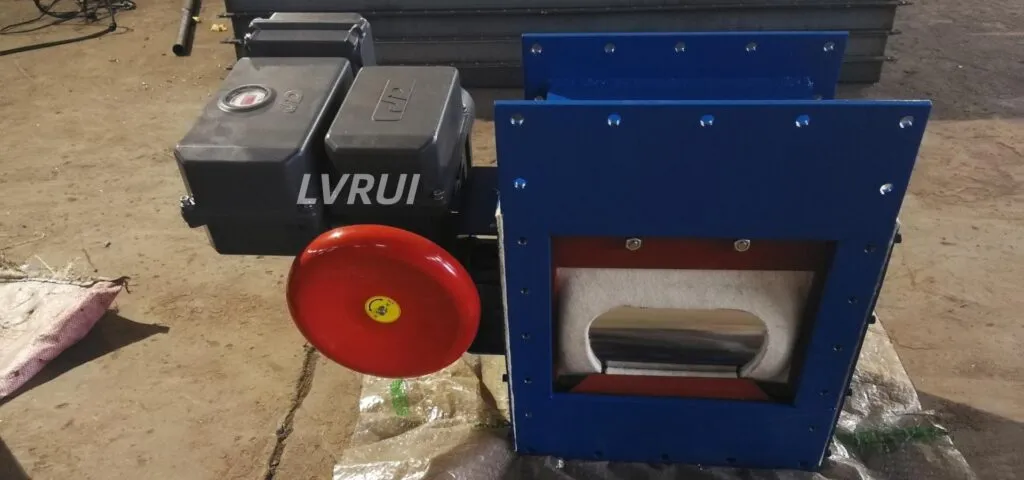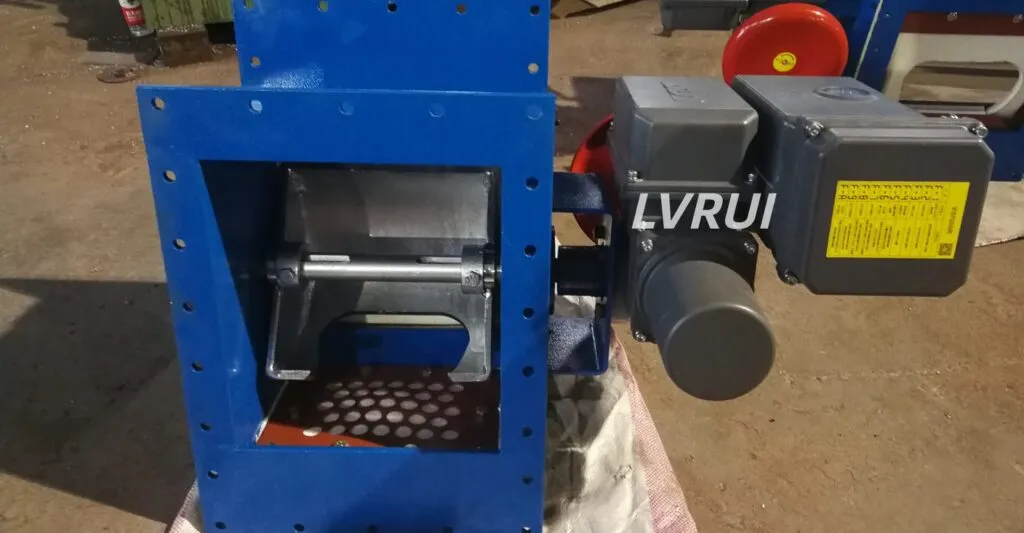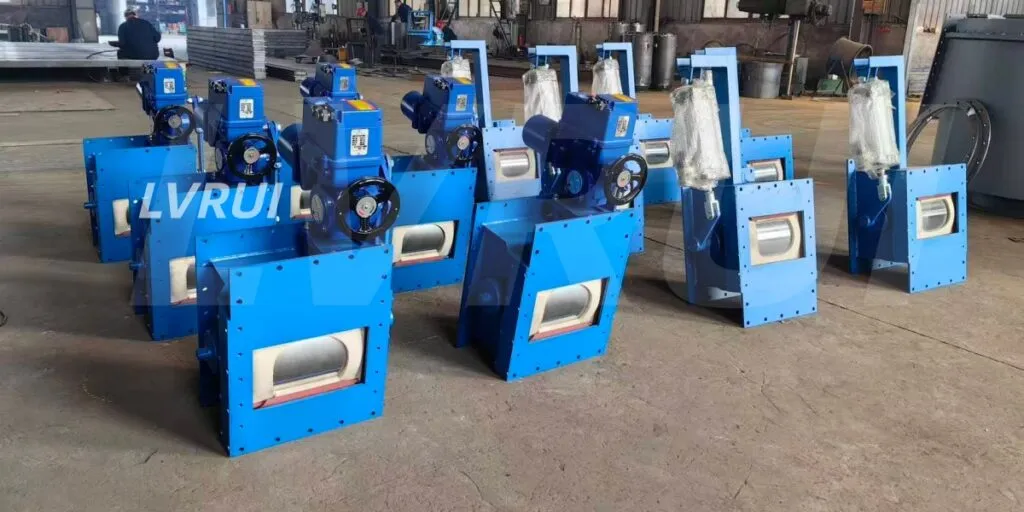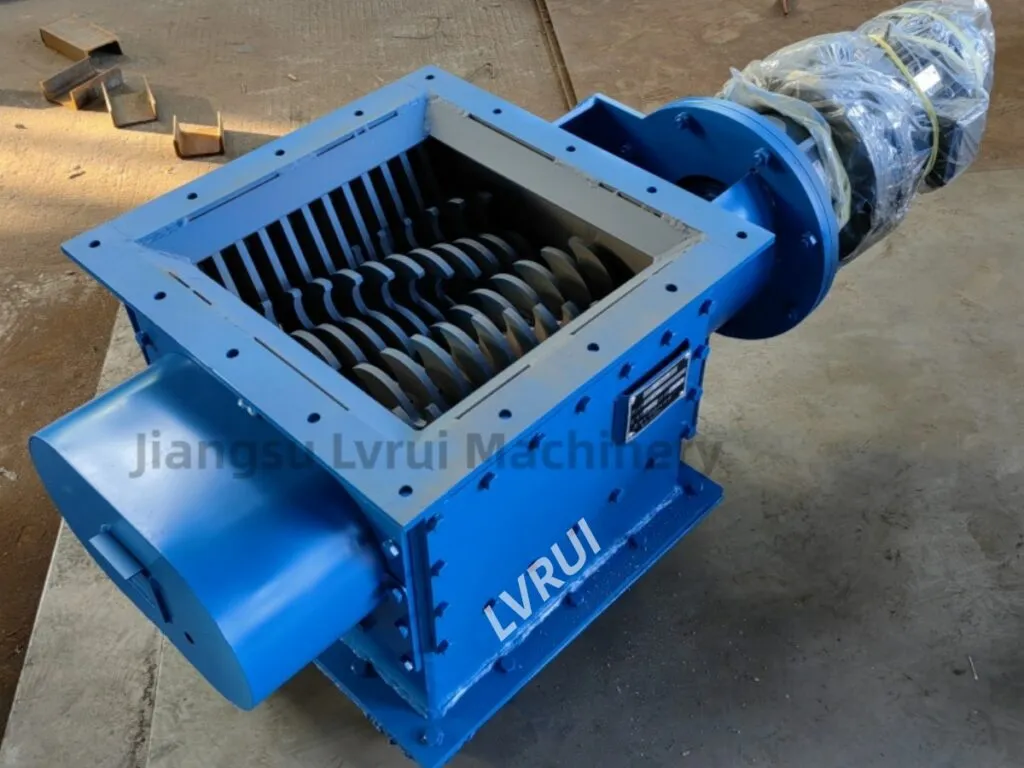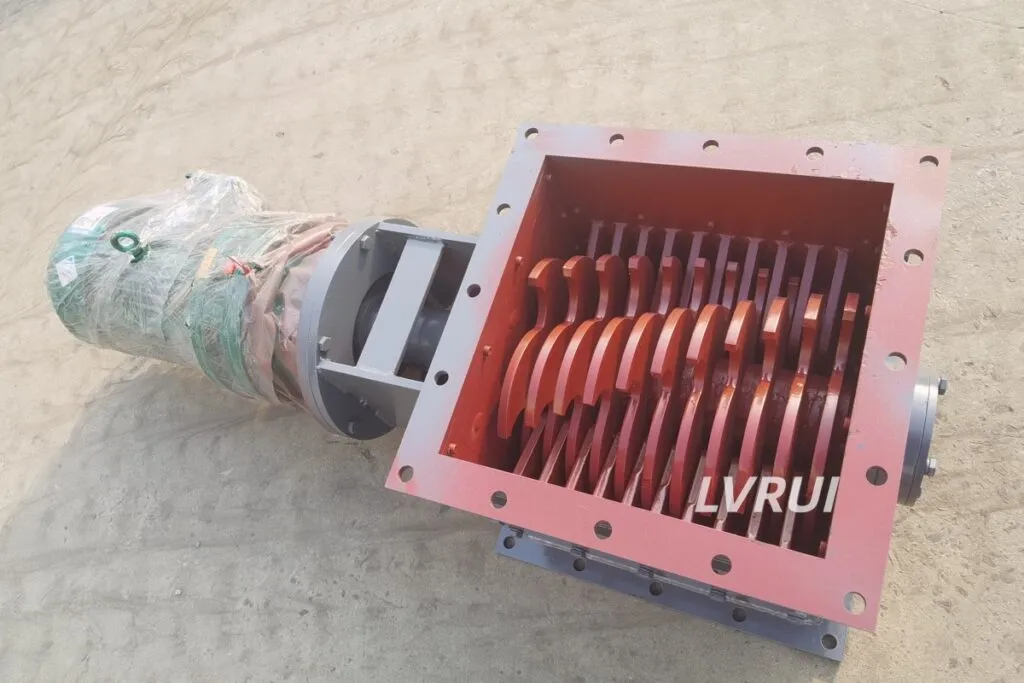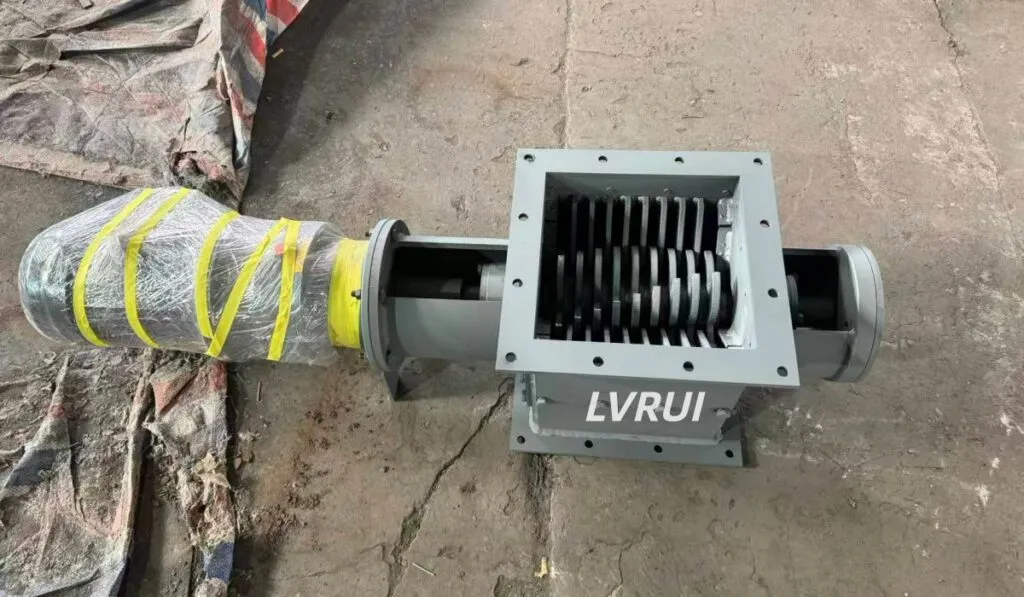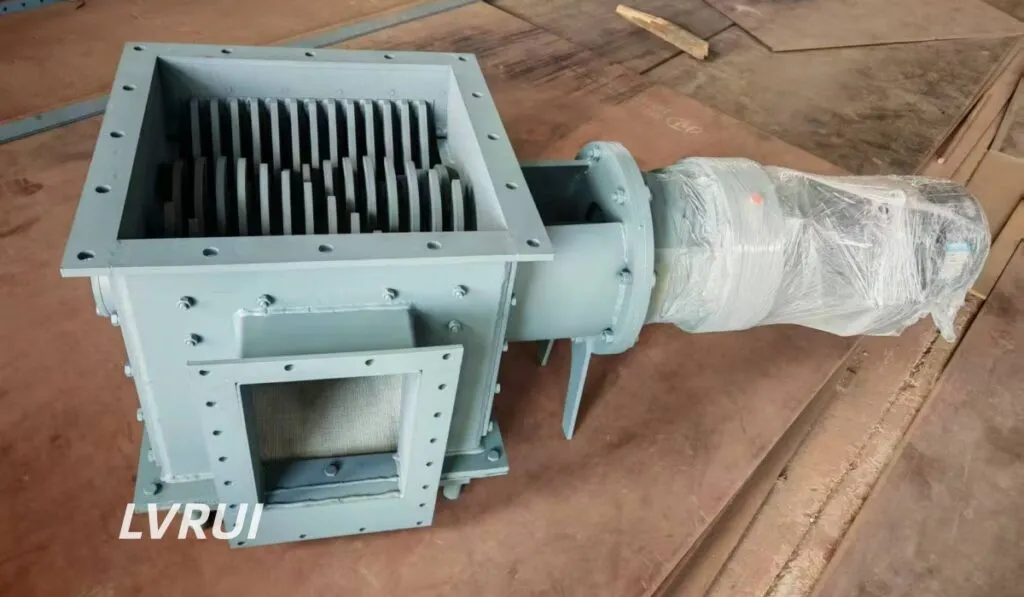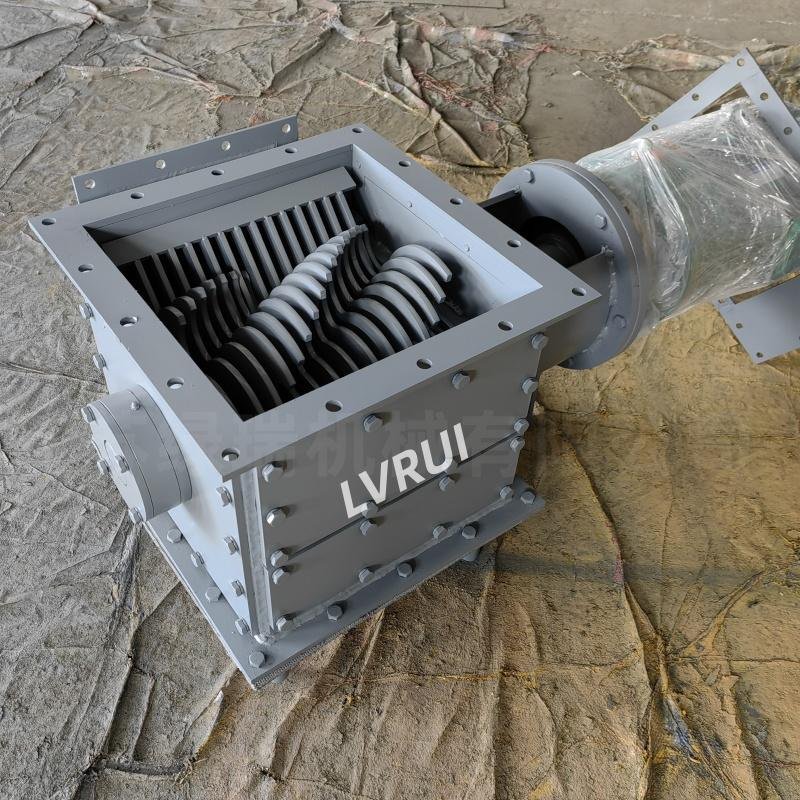
Lump breaker installed at cement silo discharge to prevent arching and blockage

Lump Breaker vs Crusher vs Vibrator: Which Prevents Cement Silo Blockage Best?

Cement silo blockage is a major operational challenge caused by material lump formation. Various equipment solutions exist, including lump breakers, crushers, and vibrators. Each works differently and is suitable for specific conditions. Understanding their engineering differences helps optimize bulk material handling systems.

Lump Breaker vs Crusher vs Vibrator: Which Prevents Cement Silo Blockage Best? Read More »

electric twin-shaft lump breaker valve in cement silo discharge system

Lump Breaker for Cement Silos: Complete Engineering Guide to Prevent Blockage & Improve Material Flow

A lump breaker for cement silos is a heavy-duty twin-shaft crushing device designed to eliminate hardened material agglomerates before discharge. It prevents arching, improves material flow stability, protects downstream conveying equipment, and ensures reliable continuous operation in cement plants.

Lump Breaker for Cement Silos: Complete Engineering Guide to Prevent Blockage & Improve Material Flow Read More »

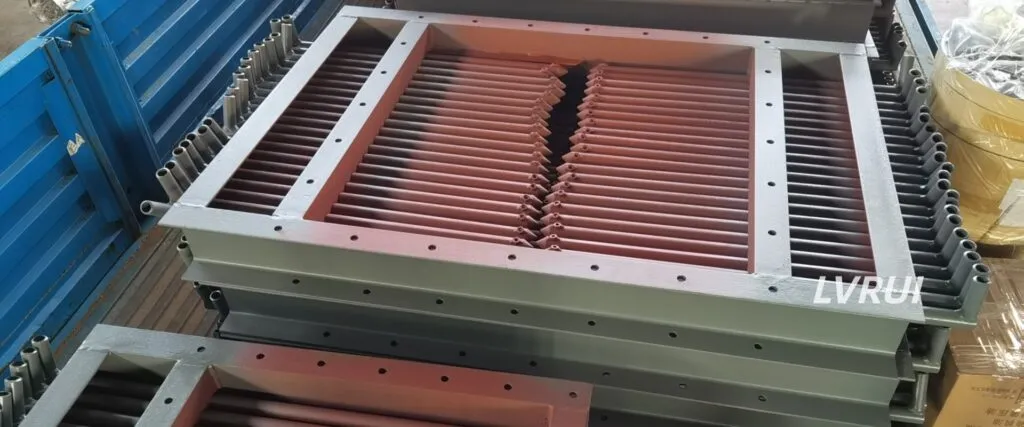
Square damper valve for powder conveying and material flow control

Electric Louver Damper for Cement Plant Ventilation: Why It Is Essential

Electric louver dampers play a critical role in cement plant ventilation duct systems by regulating airflow, controlling dust emissions, and ensuring stable kiln and material handling operations. This article explains why electric louver dampers are essential, how they work, and how to select the right model for industrial cement plant applications.

Electric Louver Damper for Cement Plant Ventilation: Why It Is Essential Read More »

Lump breaker for bulk material handling to prevent blockages

Why Cement Silo Bottom Electric Lump Breaker Valves Are Critical for Stable Discharge Systems

A cement silo bottom electric lump breaker valve is a critical device used to crush hardened cement lumps, prevent arching, and ensure stable material discharge. It improves flow consistency, protects downstream conveying equipment, and enhances overall system reliability in modern cement handling operations.

Why Cement Silo Bottom Electric Lump Breaker Valves Are Critical for Stable Discharge Systems Read More »

Flow control gate for cement silo bottom discharge system

When Should You Use a Flow Control Gate Valve Instead of a Slide Gate?

This article explains when a flow control gate valve should be used instead of a slide gate in cement plants, fly ash systems, and bulk material handling applications. It compares structural design, regulation capability, sealing performance, and system integration logic, helping engineers make informed decisions based on operational stability and discharge requirements.

When Should You Use a Flow Control Gate Valve Instead of a Slide Gate? Read More »

B400 pneumatic flow control gate installed under fly ash silo bottom

B400 Pneumatic Flow Control Gate for Fly Ash Silo Bottom Discharge: System Design, Flow Stability and Engineering Integration

The B400 Pneumatic Flow Control Gate is engineered for precise regulation of fly ash discharge in silo bottom systems. Unlike simple shut-off slide gates, a pneumatic flow control gate provides adjustable material flow, improved sealing, and stable integration with air slide conveyors and downstream bulk handling equipment. This article analyzes the structural design, operational logic, system integration principles, and engineering boundaries of B400 pneumatic flow control gates in fly ash silo bottom discharge systems, with practical guidance for plant designers and operators.

B400 Pneumatic Flow Control Gate for Fly Ash Silo Bottom Discharge: System Design, Flow Stability and Engineering Integration Read More »

electric twin-shaft lump breaker valve in cement silo discharge system

System Integration of Electric Twin-Shaft Lump Breaker Valves in Cement Silo Discharge

In modern cement plants, stable silo bottom discharge is essential for continuous production and downstream equipment protection. Electric twin-shaft lump breaker valves are increasingly integrated into cement silo discharge systems to eliminate material agglomeration, stabilize flow, and improve system reliability. This article focuses on the system integration logic of electric twin-shaft lump breaker valves, explaining how they work together with silo structures, flow control devices, and conveying systems to ensure stable and controlled cement discharge.

System Integration of Electric Twin-Shaft Lump Breaker Valves in Cement Silo Discharge Read More »

Damper valve used for airflow control in cement plant duct and ventilation systems by LVRUI

Butterfly Dampers for Industrial Duct Ventilation Systems: Design, Applications, and Engineering Considerations

Butterfly dampers are widely used in industrial duct ventilation systems to regulate airflow, balance pressure, and isolate process sections. Compared with other damper types, butterfly dampers offer a compact structure, fast response, and reliable airflow control for medium to large ducting applications. This article explains how butterfly dampers function in industrial ventilation systems, typical application scenarios, key design considerations, and selection guidelines for cement plants and bulk material handling facilities.

Butterfly Dampers for Industrial Duct Ventilation Systems: Design, Applications, and Engineering Considerations Read More »

Flow control gate for cement silo bottom discharge system

Flow Control Gate for Cement Silo Bottom Discharge: Working Principle and System Integration

A flow control gate for cement silo bottom discharge is a critical component in modern cement handling systems. It regulates the flow of cement from the silo outlet to downstream equipment such as air slide conveyors, screw conveyors, or bulk loaders, ensuring stable discharge and precise material control. By working together with silo aeration systems and air distributors, a properly designed flow control gate helps prevent material arching, reduces dust leakage, and improves overall operational efficiency. This article explains the working principle, structural design, application scenarios, and system integration methods of flow control gates used in cement silo bottom discharge systems.

Flow Control Gate for Cement Silo Bottom Discharge: Working Principle and System Integration Read More »

Cement lump breaking valve for silo discharge and clinker crushing

Cement Lump Breaking Valve: The Ultimate Solution for Silo Blockage & Set Material

Cement silo discharge often suffers from material agglomeration, clinker formation, and flow blockage, especially in humid or long-term storage conditions. A cement lump breaking valve, combining flow control and de-agglomeration functions, offers a highly effective solution to restore smooth material flow and protect downstream conveying equipment. This article explains how a valve-type lump breaker works, its structural design, application scenarios, and key advantages in modern cement handling systems.

Cement Lump Breaking Valve: The Ultimate Solution for Silo Blockage & Set Material Read More »

Pneumatic shut-off valve installed under air slide conveyor for cement silo discharge

Pneumatic Shut-Off Valve for Air Slide Conveyor: Precise Flow Control for Cement & Powder Handling

Pneumatic shut-off valves play a critical role in air slide conveyor systems by providing fast, reliable, and dust-tight material flow control under silos and hoppers. In cement plants and powder handling lines, these valves ensure stable feeding, prevent material leakage, and protect downstream equipment. This article explains the working principle, advantages, selection criteria, and typical applications of pneumatic shut-off valves used with air slide conveyors, helping engineers choose the right solution for efficient bulk material conveying.

Pneumatic Shut-Off Valve for Air Slide Conveyor: Precise Flow Control for Cement & Powder Handling Read More »