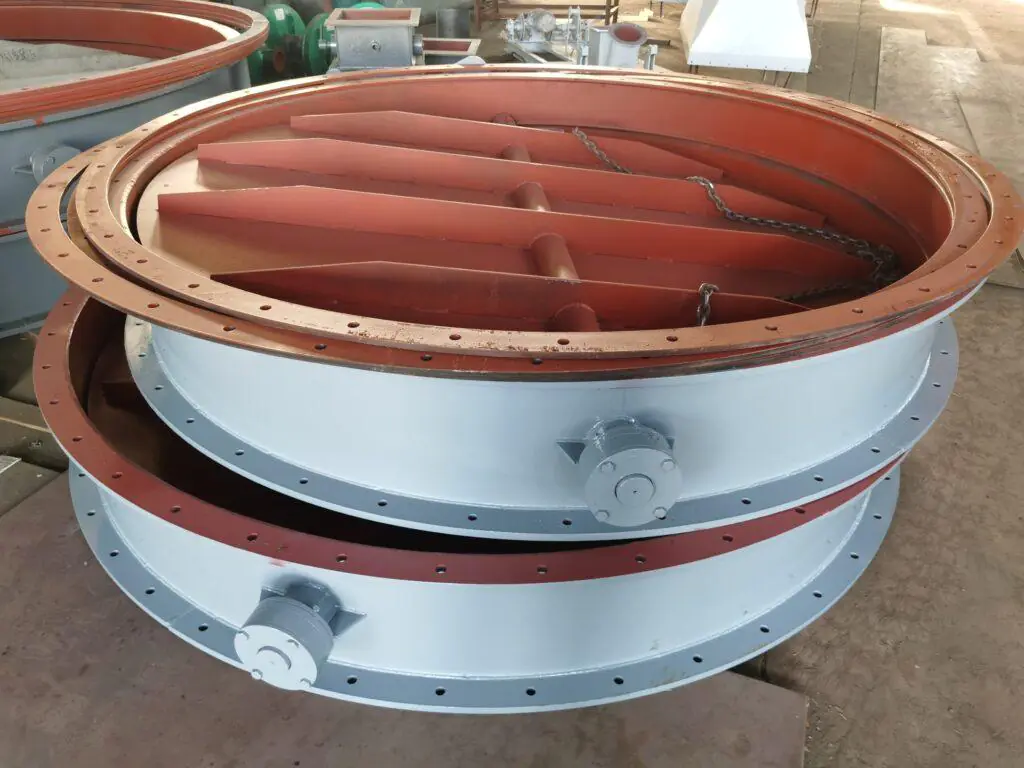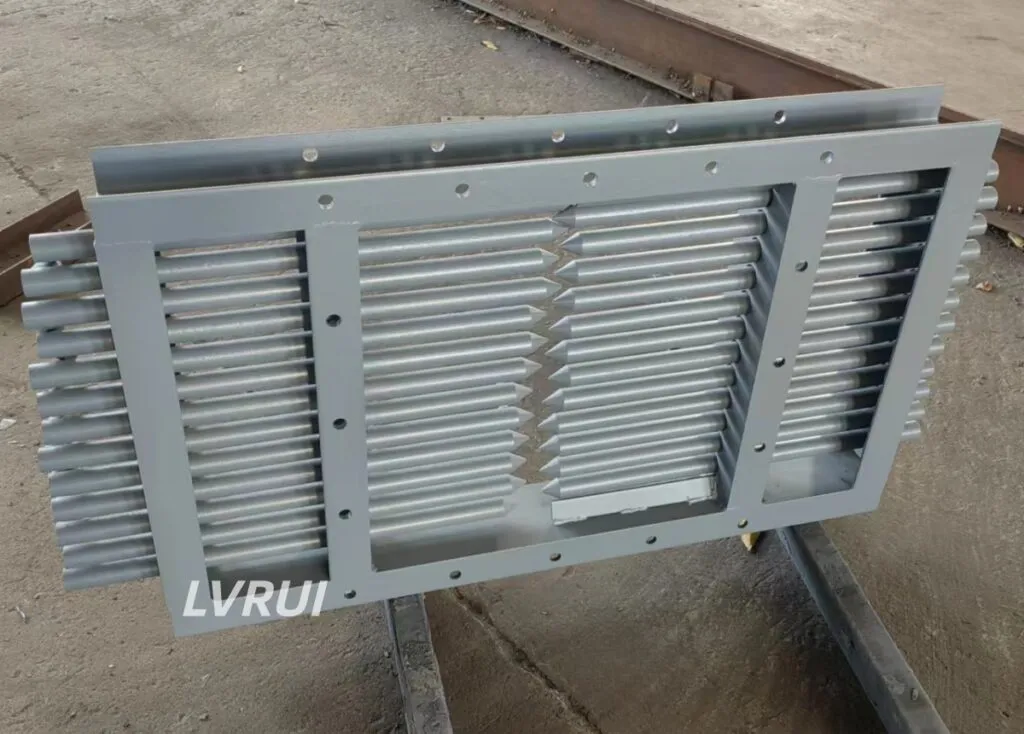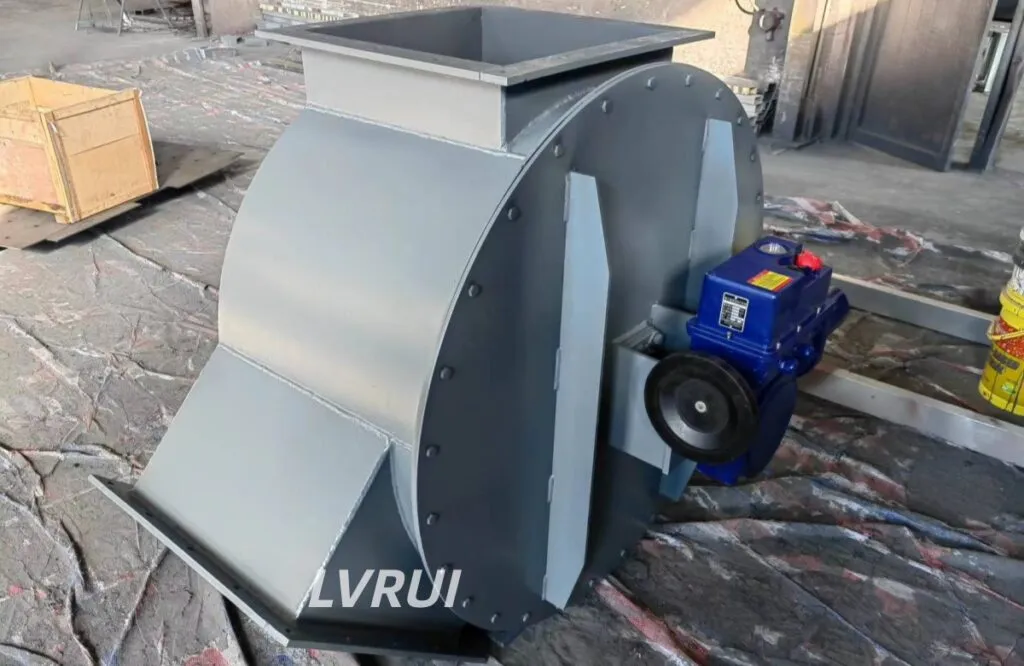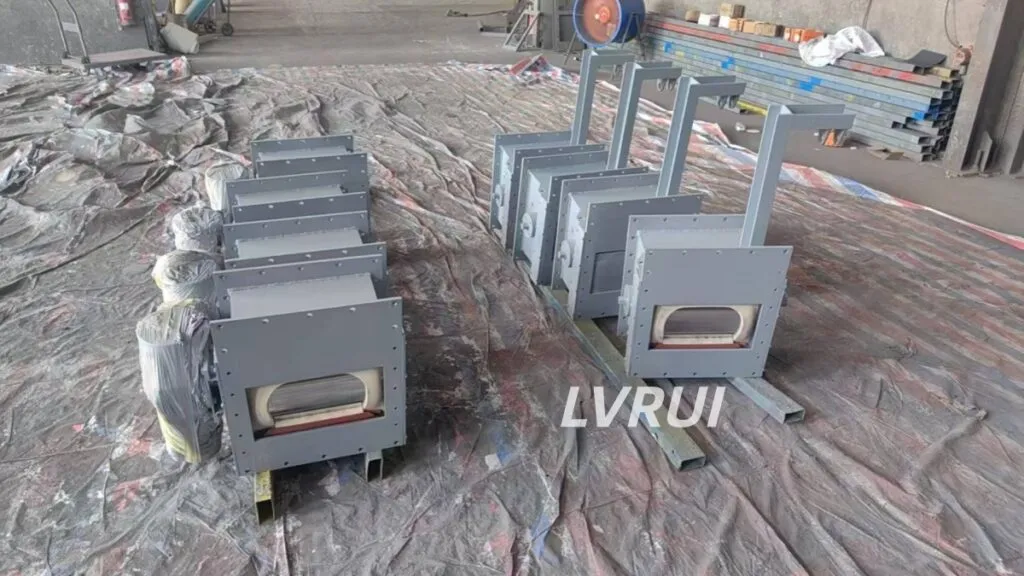
Double flap valve for bulk material discharge in cement plant

How Does a Double Dump Valve Work?

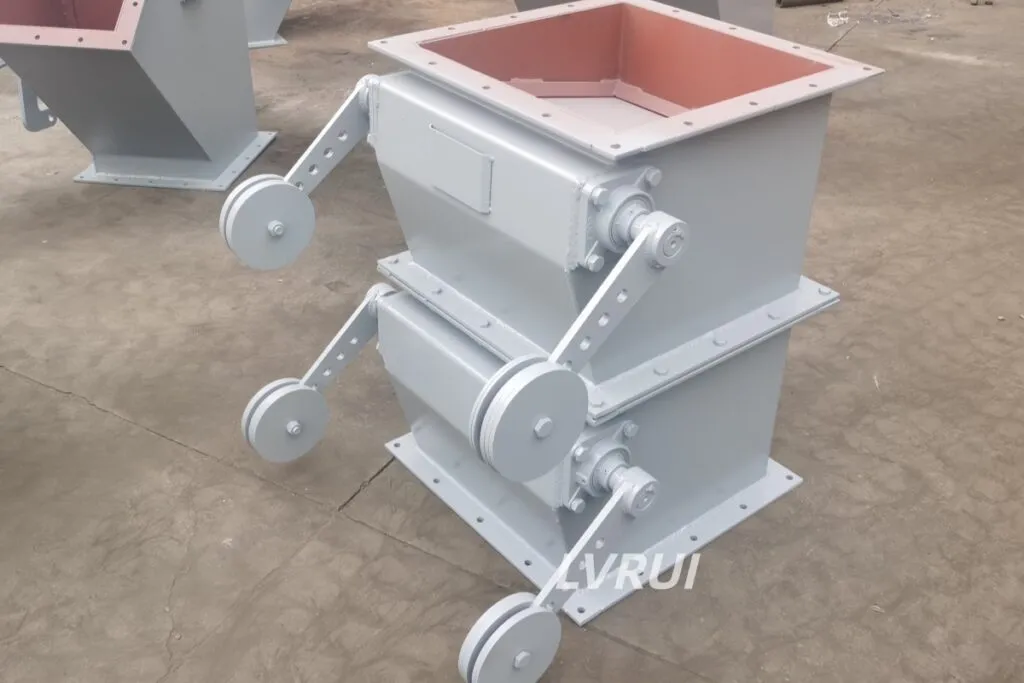
A double dump valve uses two vertically arranged flaps to discharge bulk material while limiting direct airflow between connected equipment. This guide explains the four-stage operating cycle, why one flap must remain closed, how timing and chamber filling affect performance, and how to diagnose air leakage, incomplete closing, irregular discharge and other common operating problems.

How Does a Double Dump Valve Work? Read More »

Pneumatic vs motorized flow control gate comparison – LVRUI

Flow Control Gate Design Considerations for Cement and Powder Handling Systems

Flow control gates play a critical role in regulating bulk material flow in cement plants, powder handling systems, and industrial conveying lines. Beyond basic selection, proper gate design directly impacts flow accuracy, sealing performance, maintenance frequency, and system reliability. This article explores key flow control gate design considerations, including gate structure, sealing methods, actuator selection, material compatibility, and installation layout—helping engineers and plant managers build more stable and efficient bulk handling systems.

Flow Control Gate Design Considerations for Cement and Powder Handling Systems Read More »

Butterfly damper valve vs louver damper valve for industrial airflow control

Butterfly Damper vs Louver Damper: Key Differences and Selection Guide

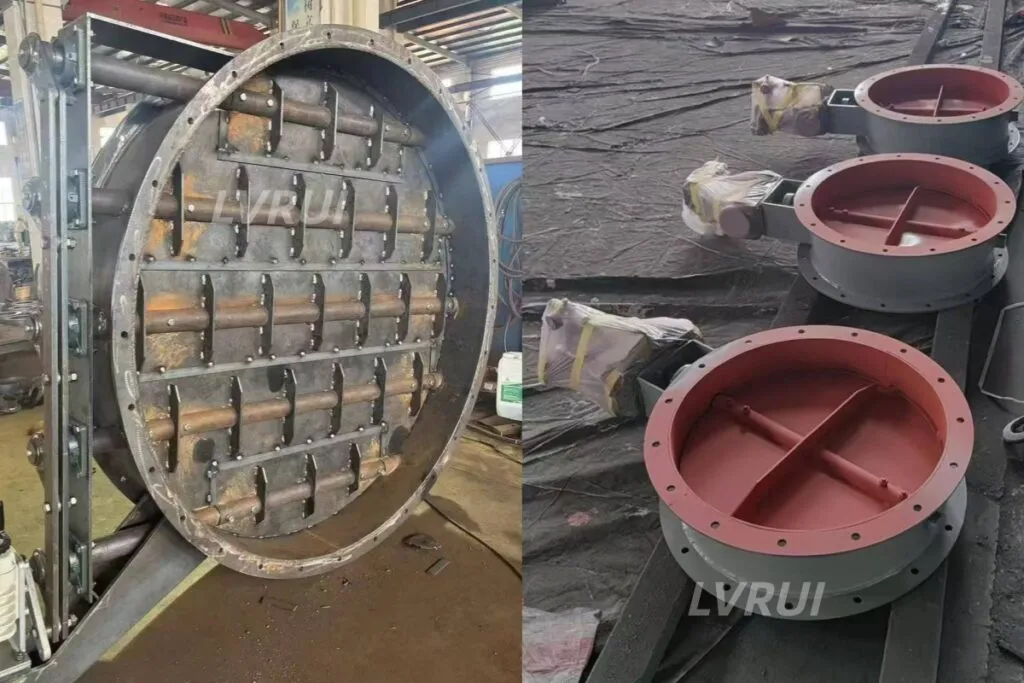
Butterfly damper vs louver damper selection depends on more than duct size. Butterfly dampers use a single rotating blade and provide a compact arrangement for airflow regulation or isolation, while louver dampers use multiple linked blades for smoother airflow control across larger duct sections. This guide compares their blade structure, modulation, leakage, actuation, installation space, maintenance and industrial applications to help engineers select the appropriate damper configuration.

Butterfly Damper vs Louver Damper: Key Differences and Selection Guide Read More »

Damper valve used for airflow control in cement plant duct and ventilation systems by LVRUI

Damper Valve for Cement Plant Airflow Control: Selection Guide

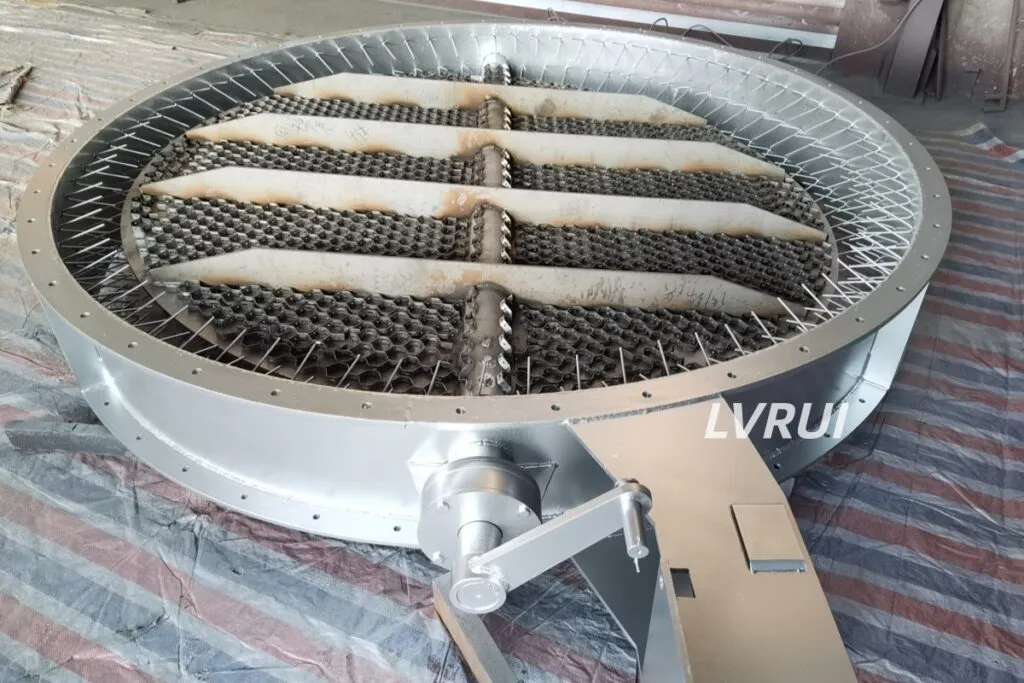
Damper valves play a critical role in cement plant airflow control systems, directly affecting process stability, energy efficiency, and dust control performance. This article provides a practical engineering guide to selecting the right damper valve for cement plants, covering key factors such as operating temperature, dust load, sealing performance, and actuation methods. By understanding different damper valve types and application requirements, engineers can achieve reliable airflow regulation and long-term operational efficiency.

Damper Valve for Cement Plant Airflow Control: Selection Guide Read More »

Heavy duty industrial butterfly valve for bulk material handling and airflow regulation

Butterfly Damper Valve vs Slide Gate Valve – When to Use Which?

Butterfly Damper Valve vs Slide Gate Valve selection depends mainly on the controlled medium and installation position. Butterfly dampers are designed primarily for air, gas, and dust-laden airflow in ducts, while slide gates are used mainly for dry bulk material shut-off and isolation below silos, hoppers, chutes, and conveying equipment. This guide compares their working functions, applications, sealing requirements, actuation, and selection criteria while distinguishing dry bulk slide gates from conventional pipeline gate valves.

Butterfly Damper Valve vs Slide Gate Valve – When to Use Which? Read More »

Rod gate for bulk material handling in cement and powder conveying systems by LVRUI

How to Select the Right Rod Gate for Bulk Material Handling

Selecting the right rod gate requires evaluating material properties, hopper outlet dimensions, available installation space and operating requirements. This rod gate selection guide explains four parallel-rod arrangements, manual, pneumatic and electric operation, and the key factors affecting equipment selection. It also discusses how rod gates can be combined with sector gates or clamshell gates in clinker and aggregate discharge systems. Understanding these factors helps engineers select suitable equipment configurations for coarse and lumpy bulk material handling applications.

How to Select the Right Rod Gate for Bulk Material Handling Read More »

LVRUI Flow Control Gate for Bulk Material Handling

How to Select a Flow Control Gate Valve for Bulk Materials

Flow control gate selection should be based on the actual material and operating requirements rather than silo outlet size alone. This guide explains how to choose between manual, pneumatic, and motorized flow control gate valves for cement and dry powder systems. Key factors include material flowability, required discharge capacity, operating frequency, control method, downstream equipment, installation space, and sealing requirements. The goal is to select a gate configuration that provides practical and reliable powder discharge control.

How to Select a Flow Control Gate Valve for Bulk Materials Read More »

LVRUI heavy-duty Motorized Flow Control Gate Valve with electric actuator for precise material flow control in cement and mining systems.

Motorized Flow Control Gate Actuator: PLC Control & Position Feedback

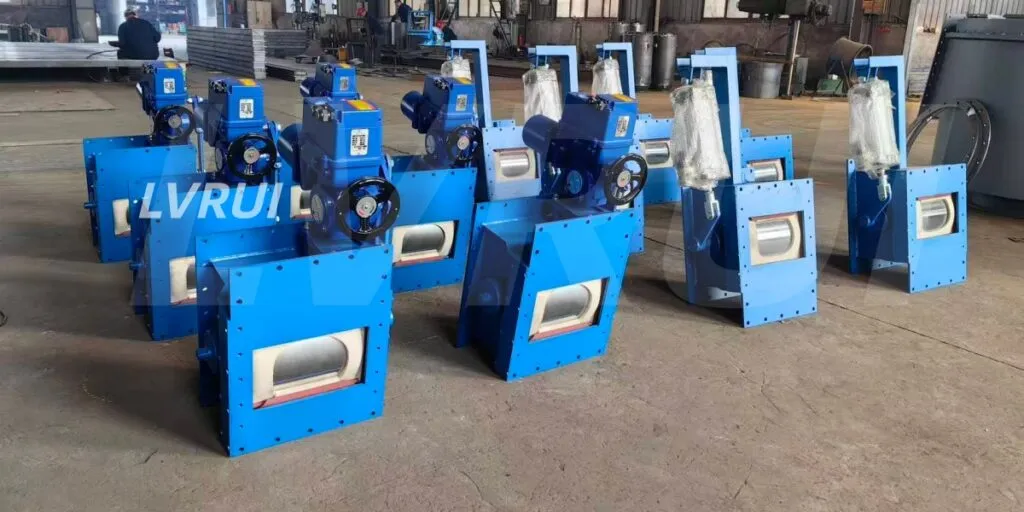
A motorized flow control gate uses an electric actuator to adjust the discharge opening below a silo or hopper. Reliable operation depends not only on the valve body, but also on actuator torque, travel limits, position feedback, control signals, duty cycle, and PLC integration. This guide explains how these control elements work together in cement and dry powder systems, and what engineers should confirm when configuring a motorized gate for remote or automated operation.

Motorized Flow Control Gate Actuator: PLC Control & Position Feedback Read More »

Industrial lump breaker for bulk material handling, manufactured by LVRUI

Industrial Lump Breaker Applications for Dry Bulk Materials

Industrial lump breakers are used where dry bulk materials form agglomerates that may interfere with downstream conveying, feeding or packaging equipment. Typical applications include silo outlets, hopper discharge points, screw conveyors, rotary valves, mixers, bagging systems and bulk loading lines. This guide explains where lump breakers are commonly installed, which materials are suitable, and when another type of equipment may be more appropriate.

Industrial Lump Breaker Applications for Dry Bulk Materials Read More »