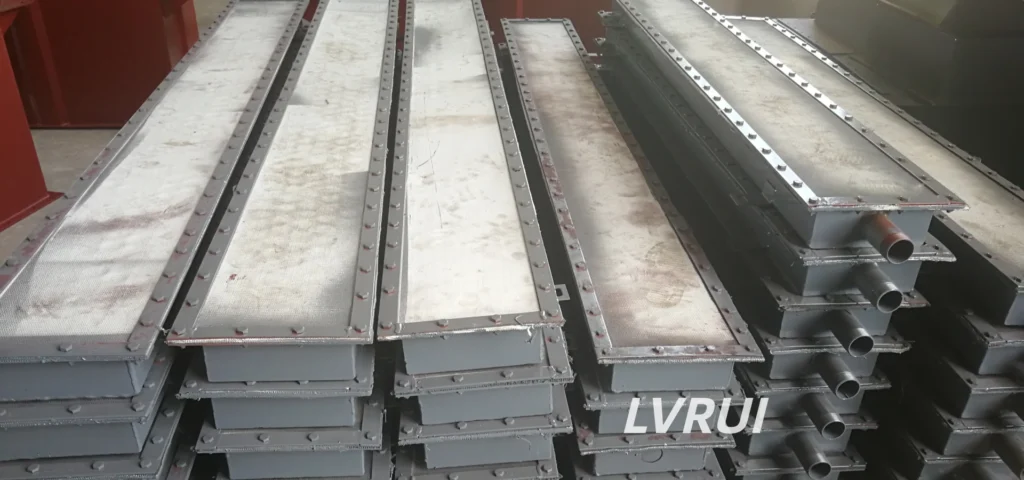
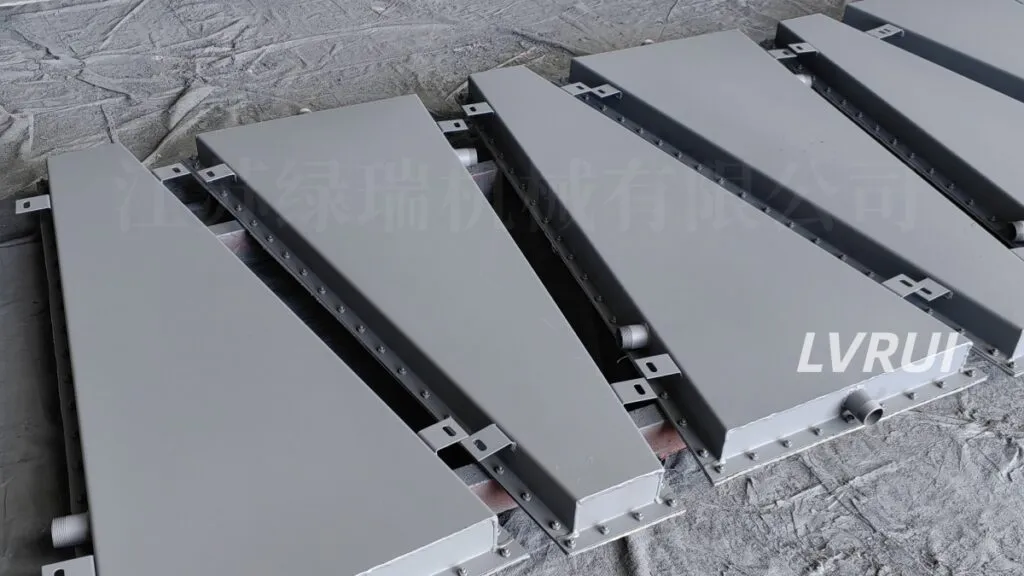
(EN)Air Slide Conveyor Design Parameters Explained: Air Flow, Length, Slope & Capacity
(ID)Penjelasan Parameter Desain Air Slide Conveyor: Aliran Udara, Panjang, Kemiringan & Kapasitas
What Are Air Slide Conveyor Design Parameters?
Air slide conveyors rely on low-pressure air to fluidize fine powders and move them smoothly along a slightly inclined channel.
Unlike mechanical conveyors, their performance depends heavily on correct parameter matching, not moving parts.
👉 what an air slide conveyor is and how it works?
This conveying principle is based on the fluidization principle, where fine particles behave like a fluid when air passes through them.
The core air slide conveyor design parameters include:
- Air flow and air pressure
- Conveyor length
- Slope (inclination angle)
- Conveying capacity and material properties
Each of these parameters must be carefully calculated during system design to avoid flow instability, material blockage, or energy waste.
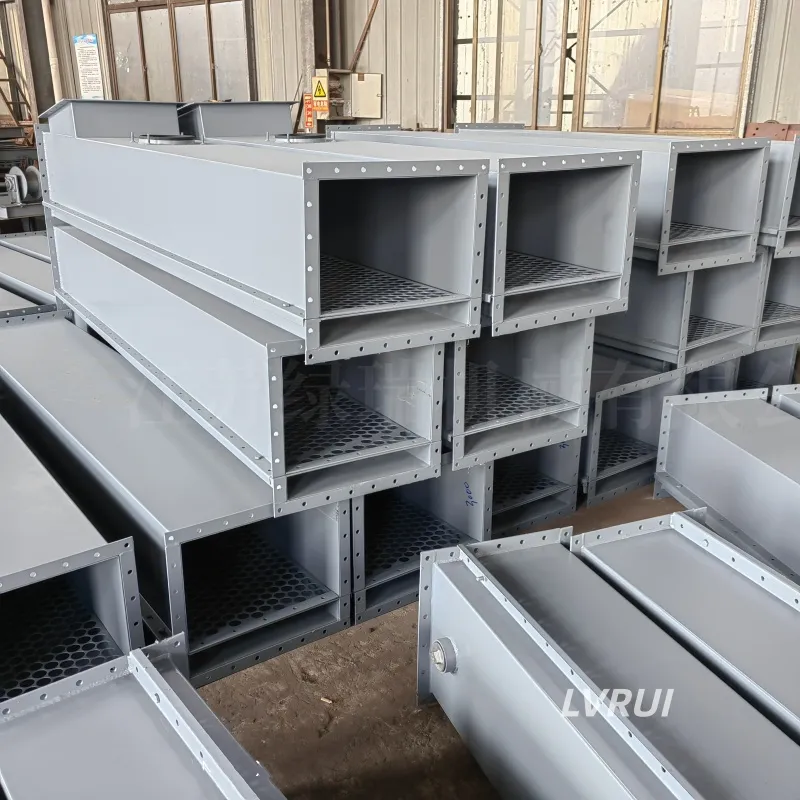
Air Flow Rate: The Core of Air Slide Conveyor Performance
Air flow is the most critical parameter in air slide conveyor design.
Why Air Flow Matters
- Provides fluidization for cement, fly ash, and fine powders
- Reduces internal friction and enables gravity flow
- Prevents material compaction and arching
Design Considerations
- Too little air → poor fluidization, unstable flow
- Too much air → excessive dust, material blowback, higher energy consumption
In cement applications, airflow is typically controlled through:
- Aeration pads or aeration plates
- Adjustable air chambers
- Fine-tuned blower selection
A well-designed air slide conveyor system delivers uniform air distribution, not just higher air volume.
Conveyor Length: How Far Can an Air Slide Conveyor Transport Material?
Air slide conveyors are ideal for short to medium-distance horizontal or slightly inclined conveying.
Key Length Guidelines
- Best suited for conveying distances within practical layout limits
- Longer systems require careful airflow zoning
- Excessive length without sectional air control can cause pressure drop and uneven flow
For long-distance layouts in cement plants, air slide conveyors are often combined with:
- Multiple discharge points
- Intermediate silos or bins
- Other conveying equipment such as screw conveyors or bucket elevators
Proper length planning ensures stable powder movement without overloading the air system.
Slope Angle: The Gravity Factor in Air Slide Conveyor Design
Slope angle directly determines whether material flows smoothly or stalls.
Typical Slope Range
- Fine cement powder: small inclination is sufficient
- Fly ash and similar materials: slightly higher slope may be required
Design Tips
- Insufficient slope → slow flow or material buildup
- Excessive slope → uncontrolled flow and discharge instability
The correct slope allows gravity to work together with air fluidization, ensuring consistent conveying without mechanical assistance.
👉 air gravity conveying principle
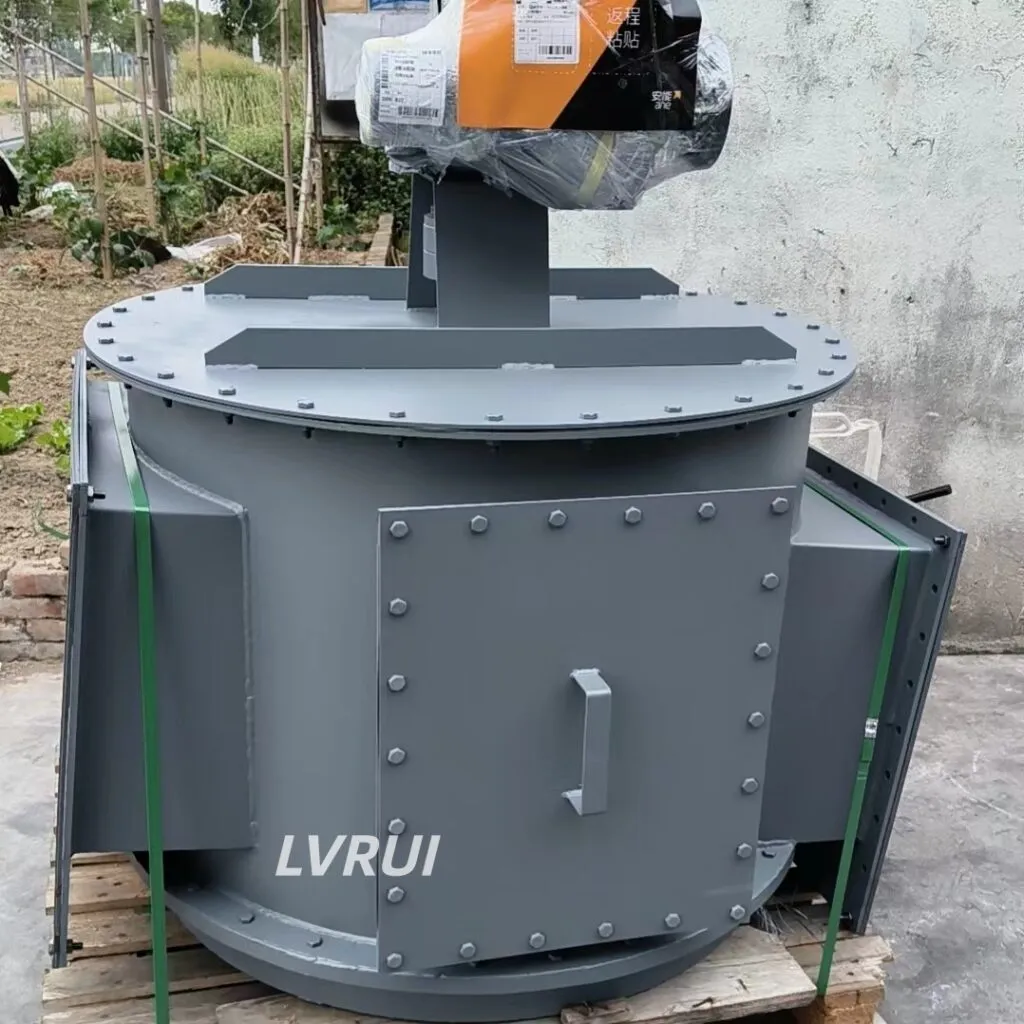
Conveying Capacity: Matching Design to Production Demand
Capacity design depends on both material characteristics and process requirements.
Factors Affecting Capacity
- Bulk density of material
- Particle size distribution
- Moisture content
- Required throughput (tons per hour)
In cement plants, conveying capacity must match:
- Mill output
- Silo discharge rate
- Packaging or loading system demand
Oversized capacity leads to energy waste, while undersized capacity restricts production flow.
Material Properties: Why Cement Powder Needs Special Attention
Air slide conveyors are designed specifically for fine, dry, free-flowing powders.
Suitable Materials
- Cement
- Fly ash
- Limestone powder
- Alumina and similar industrial powders
Unsuitable Materials
- Coarse granules
- High-moisture materials
- Sticky or fibrous powders
Understanding material behavior is essential for selecting the right aeration structure and airflow parameters.
Common Design Mistakes in Air Slide Conveyor Systems
Many air slide conveyor problems are caused by incorrect parameter selection rather than equipment quality.
Typical Mistakes
- Designing airflow without considering material properties
- Excessive conveyor length without pressure zoning
- Incorrect slope selection
- Ignoring temperature and humidity effects
Avoiding these issues during the design stage significantly improves system reliability and service life.
How LVRUI Supports Professional Air Slide Conveyor Design
At LVRUI, air slide conveyor systems are engineered based on real operating conditions, not generic assumptions.
Our design approach includes:
- Accurate airflow and capacity calculation
- Material-specific aeration pad selection
- Layout optimization for cement plants and bulk handling systems
- Integration with upstream and downstream equipment
Each system is customized to ensure stable, dust-free, and energy-efficient powder conveying.
Frequently Asked Questions (FAQ)
What is the most important parameter in air slide conveyor design?
Airflow rate is the most critical factor, as it directly affects powder fluidization and conveying stability.
Can air slide conveyors handle long-distance conveying?
They are best for short to medium distances. Long-distance conveying requires careful zoning or combination with other equipment.
Is air slide conveyor suitable for wet materials?
No. Air slide conveyors are designed for dry, fine powders only.
How do I choose the right slope angle?
Slope selection depends on material flow characteristics and required capacity. Fine cement powders require only slight inclination.
Ready to Design a Reliable Air Slide Conveyor System?
Partner with LVRUI for professional air slide conveyor solutions tailored to cement plants and bulk material handling systems.
✔ Customized system design based on real process conditions
✔ Stable powder flow with low energy consumption
✔ Factory-direct manufacturing and strict quality control
Contact LVRUI today to get your customized air slide conveyor solution.
📧 Email: info@lvrui-conveyor.com
Versi Singkat
Air slide conveyor membutuhkan perhitungan parameter desain yang tepat seperti aliran udara, panjang conveyor, sudut kemiringan, dan kapasitas material.
Desain yang benar memastikan aliran bubuk semen stabil, bebas debu, dan hemat energi. LVRUI menyediakan solusi air slide conveyor yang disesuaikan untuk pabrik semen dan sistem penanganan material curah.