Practical Selection Guide for Choosing the Right Air Slide Conveyor by Material Type(Panduan Praktis Memilih Air Slide Conveyor Berdasarkan Jenis Material)
Introduction
Air slide conveyor selection is a critical step when designing powder handling systems for cement plants and bulk material applications.
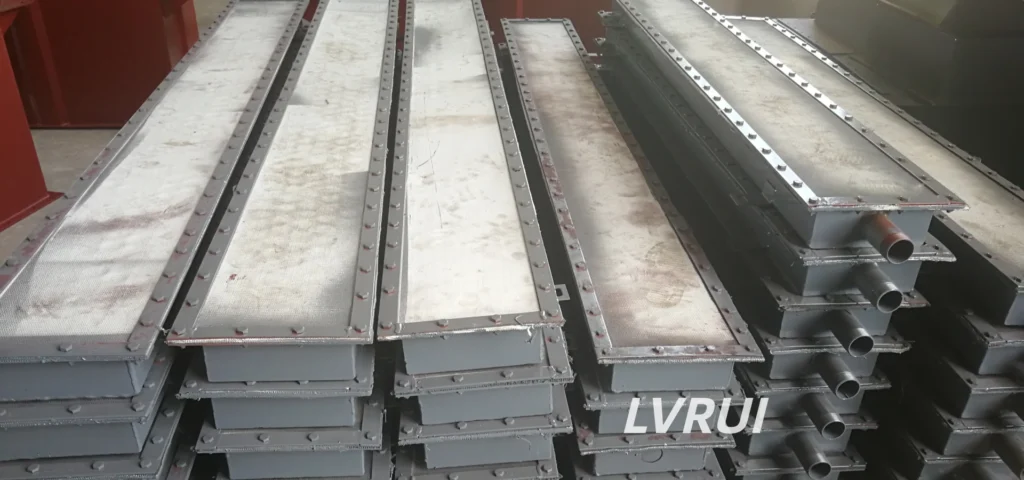
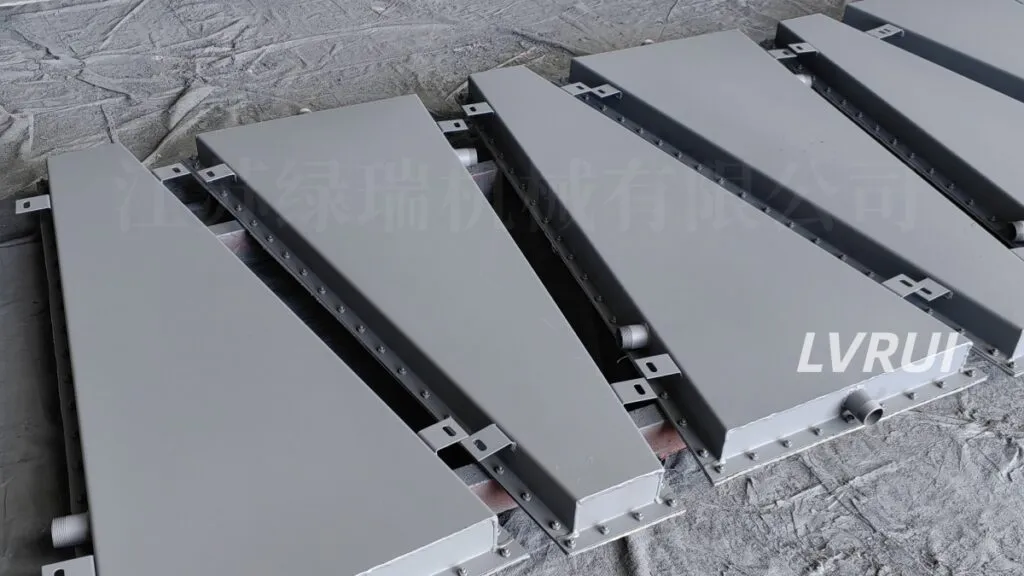
Air Slide Conveyors (also known as air gravity conveyors) are widely used in cement plants and powder handling systems due to their simple structure, low energy consumption, and dust-free operation.
However, not all air slide conveyors perform the same with different bulk materials.
Material properties such as particle size, flowability, moisture content, and abrasiveness play a decisive role in air slide conveyor selection. Choosing the wrong configuration can result in unstable flow, segregation, or even complete blockage.
This article focuses on how to select the right air slide conveyor for cement, fly ash, and lime powder, based on real engineering considerations rather than generic theory.
Why Material Properties Matter in Air Slide Conveyor Selection
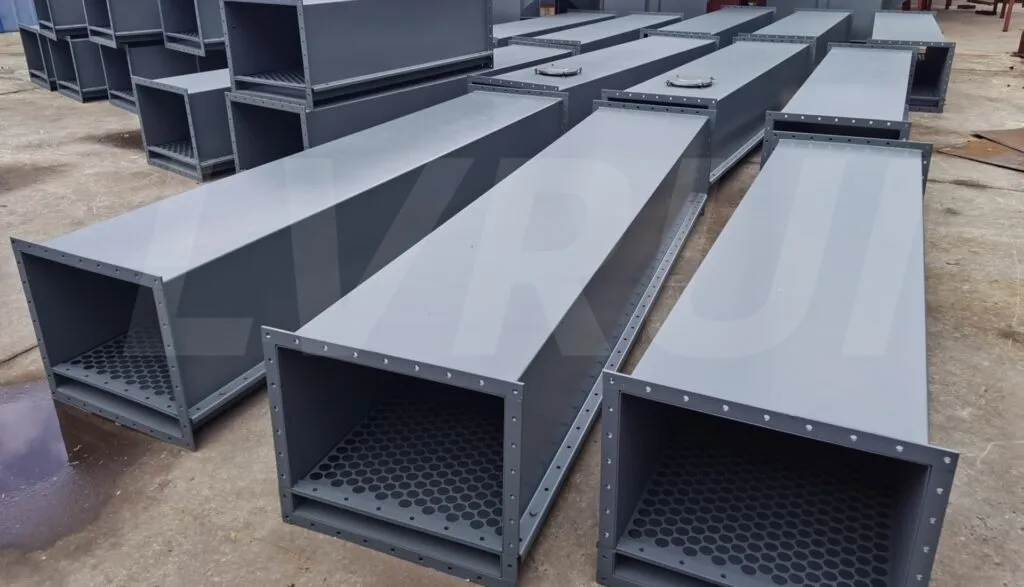
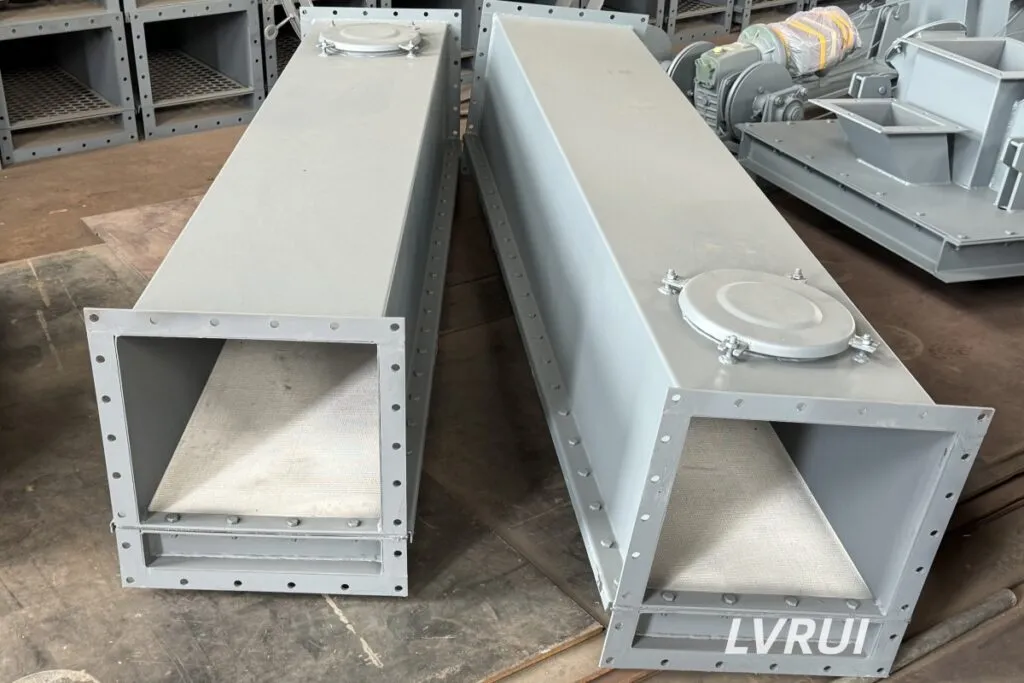
An air slide conveyor works by fluidizing fine powder through low-pressure air passing a permeable fabric. The fluidized material then flows by gravity along a slight slope.
Because of this principle, material behavior directly affects conveying performance, especially in terms of:
- Fluidization stability
- Required air volume
- Slope angle
- Fabric type and permeability
- Conveying distance and capacity
Before selection, the material characteristics must be clearly understood.
Selecting an Air Slide Conveyor for Cement
Cement is the most common material conveyed by air slides in cement plants.
Key Cement Properties
- Medium to fine particle size
- Good flowability when dry
- Moderate bulk density
- Sensitive to moisture
Selection Guidelines
- Use standard air slide fabric with medium permeability
- Typical conveying slope: 5–8°
- Ensure stable and dry air supply to prevent clogging
- Suitable for long-distance and continuous conveying
👉 Cement is highly compatible with air slide conveyors and represents the ideal application for this technology.
🔗 Air gravity conveying principle explained by CEMA
Selecting an Air Slide Conveyor for Fly Ash
Fly ash has very different behavior compared to cement.
Key Fly Ash Properties
- Extremely fine particles
- Low bulk density
- Poor natural flowability
- High tendency to fluidize and flood
Selection Guidelines
- Use low-permeability fabric to prevent over-fluidization
- Reduce conveying slope to improve flow control
- Install precise air regulation and pressure control
- Consider air distribution uniformity along the conveyor
⚠️ Fly ash requires more careful air control than cement to avoid flushing and unstable discharge.
Selecting an Air Slide Conveyor for Lime Powder
Lime powder presents the highest selection risk among the three materials.
Key Lime Powder Properties
- Fine but irregular particles
- Strong moisture sensitivity
- Tendency to agglomerate
- Higher abrasiveness
Selection Guidelines
- Use abrasion-resistant air slide fabric
- Maintain strictly dry conveying conditions
- Shorter conveying distances recommended
- Proper aeration balance to avoid build-up
⚠️ For lime powder, incorrect air slide selection can quickly lead to blockages and maintenance issues.

Comparison Table: Cement vs Fly Ash vs Lime Powder
| Material | Flowability | Air Control Sensitivity | Selection Difficulty |
|---|---|---|---|
| Cement | High | Medium | Low |
| Fly Ash | Medium–Low | High | Medium |
| Lime | Low | Very High | High |
Common Selection Mistakes to Avoid
- ❌ Assuming one air slide design fits all materials
- ❌ Oversupplying air for fine powders like fly ash
- ❌ Ignoring moisture control for lime handling
- ❌ Selecting slope angle without material testing
Proper material-based selection dramatically improves air slide conveyor reliability and lifespan.
When an Air Slide Conveyor Is NOT the Best Choice
Air slide conveyors are not suitable for:
- Coarse or granular materials
- Sticky or wet bulk solids
- Materials with wide particle size distribution
In such cases, mechanical conveyors or pneumatic conveying systems may be more appropriate.
🔗 You can also review our guide on Air Slide Conveyor vs Screw Conveyor for alternative selection logic.
Conclusion
Selecting the right air slide conveyor is not just about capacity or layout—it starts with understanding the material itself. Cement, fly ash, and lime powder each require different air slide configurations to achieve stable, efficient, and dust-free conveying.
A properly selected air slide conveyor improves process stability, reduces energy consumption, and minimizes maintenance costs in bulk material handling systems.
In real projects, proper air slide conveyor selection helps ensure stable flow, lower energy consumption, and long-term system reliability.
This practical guide shows how proper air slide conveyor selection improves conveying stability and long-term system efficiency.
FAQs
Can one air slide conveyor handle multiple materials?
Yes, but only if material properties are similar. Otherwise, performance compromises are likely.
Is air slide suitable for moist cement?
No. Moisture can cause caking and block the permeable fabric.
How long can an air slide conveyor be?
With proper design, air slides can convey materials over long distances, especially in cement applications.
Need a reliable air slide conveyor for your cement, fly ash, or lime powder handling system?
LVRUI specializes in custom-designed air slide conveyors for cement plants and bulk material conveying applications.
📧 Email: info@lvrui-conveyor.com
🌐 Website: lvrui-conveyor.com
Versi Singkat Bahasa Indonesia
Air Slide Conveyor harus dipilih berdasarkan karakteristik material. Semen memiliki aliran stabil, fly ash membutuhkan kontrol udara yang presisi, sedangkan bubuk kapur sangat sensitif terhadap kelembaban. Pemilihan air slide yang tepat meningkatkan efisiensi, mengurangi masalah operasional, dan memastikan sistem conveying berjalan stabil.