Overview of Cement Production
Cement is a crucial construction material worldwide. The production of cement involves multiple steps to convert raw materials into a fine powder that can bind other materials together. Understanding the modern production process helps engineers, plant managers, and procurement teams optimize operations.
Raw Materials Used in Cement Manufacturing
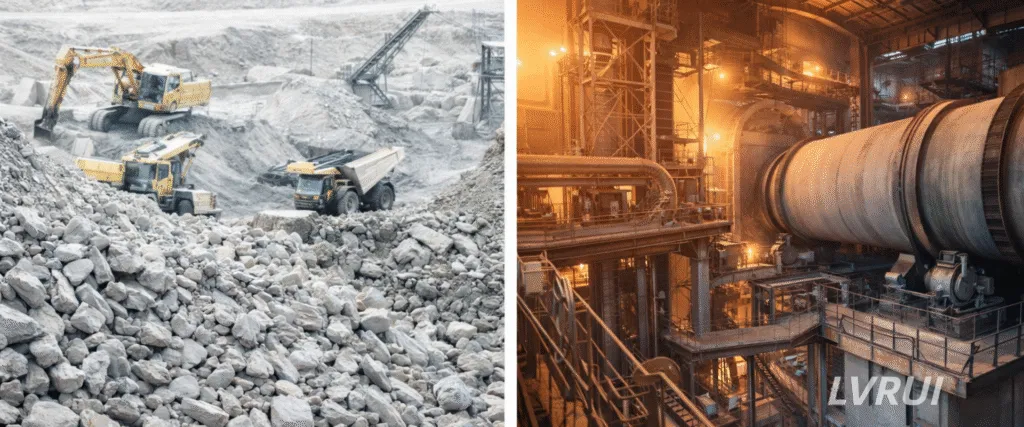
The main raw materials include limestone, clay, silica, and iron ore. Each material contributes specific chemical components necessary for clinker formation.
Step 1 – Crushing and Grinding
Raw materials are first crushed and ground into smaller particles to prepare for mixing. Advanced crushing systems ensure uniform particle size and reduce energy consumption.
Cement Plant Equipment Solutions
Step 2 – Blending and Homogenization
The crushed materials are blended in precise proportions to achieve consistent chemical composition. Homogenization ensures that the final product maintains high quality across batches.
Bulk Loader System for Cement & Fly Ash
Step 3 – Clinker Production in the Kiln
The blended raw materials are heated in a rotary kiln at temperatures up to 1450°C. This process produces clinker, the main ingredient in cement. Energy efficiency and proper kiln operation are critical to reduce production costs.
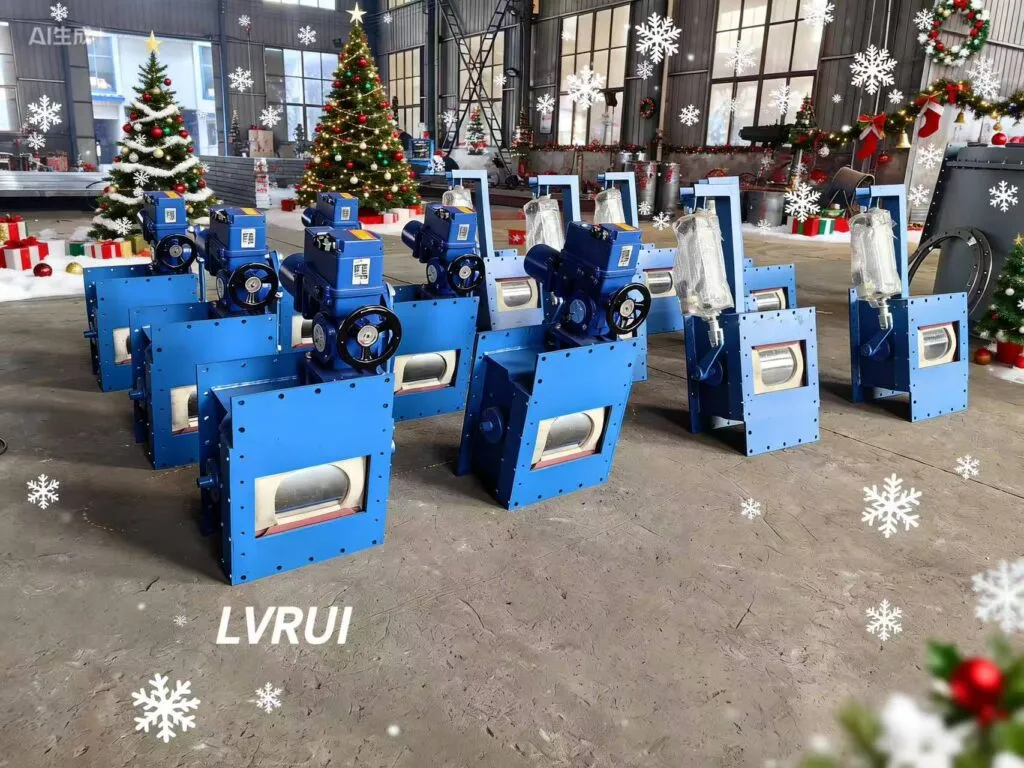
Industrial Valves for Cement & Bulk Material Systems
Step 4 – Cement Grinding and Packaging
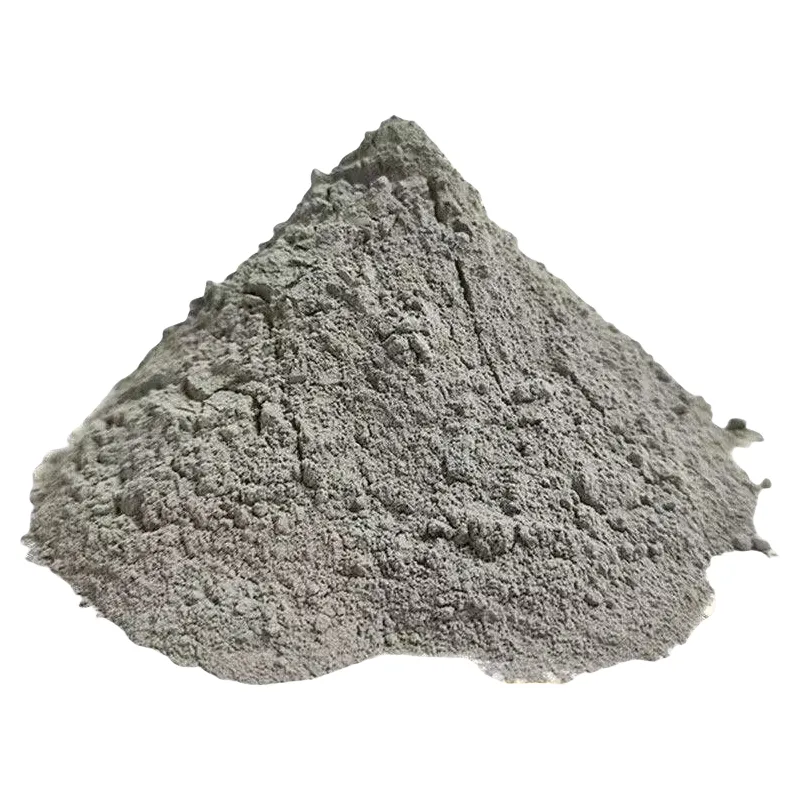
Clinker is mixed with gypsum and other additives, then ground into a fine powder. The final cement is then packaged in bulk or bags for delivery. Modern grinding systems enhance productivity and ensure consistent quality.
Applications of Cement
Cement is widely used in construction, including concrete, mortar, and infrastructure projects. Choosing high-quality cement ensures durability and structural integrity.
Dust Control System for Cement & Bulk Material
FAQ – Cement Production Questions
What are the main raw materials used in cement production?
The primary raw materials are limestone, clay, silica, and iron ore. These materials are precisely blended to achieve the correct chemical composition for clinker formation, which ensures high-quality cement suitable for industrial and construction applications worldwide.
How long does the clinker production process take?
Clinker formation in modern rotary kilns typically takes 1–2 hours, depending on kiln size and capacity. Larger industrial kilns can produce up to 5000 tons of clinker per day, while smaller plants may produce 1000–2000 tons per day.
Can cement production be energy-efficient?
Yes. Using modern energy-saving kilns, preheaters, and high-efficiency grinding systems can reduce energy consumption by up to 30%. These systems are widely adopted in industrial cement plants to optimize production cost and minimize environmental impact.
What is the difference between Portland cement and blended cement?
Portland cement is pure clinker-based cement, while blended cement includes supplementary materials such as fly ash, slag, or natural pozzolans. Blended cement improves durability, reduces environmental footprint, and is widely used in large-scale construction projects.
Which equipment is most critical for efficient cement production in industrial plants?
Rotary kilns, crushers, raw mills, and cement grinders are essential for maintaining production efficiency and consistent quality. Typical plant capacities range from 1000 to 5000 tons per day, depending on equipment size and design.
How do cement plants ensure consistent quality during production?
Quality control involves regular chemical analysis of raw materials, continuous particle size monitoring during grinding, and periodic laboratory testing of clinker and finished cement. These measures ensure uniform performance and compliance with international standards.
CTA
Need a reliable solution for cement production or plant optimization? Contact LVRUI today!
- Expert support within 12 hours
- Factory-direct quality and inspection
- Engineering support for efficient operations
- Stable delivery for international projects
📧 info@lvrui-conveyor.com | 🌐 lvrui-conveyor.com
Kesimpulan Versi Indonesia
“Proses produksi semen melibatkan beberapa langkah utama: penghancuran bahan baku, pencampuran, pembentukan clinker di tungku, dan penggilingan menjadi semen akhir. B400 Flow Control Gate Valve dapat digunakan untuk mengontrol aliran bubuk dan semen secara efisien dalam pabrik. Hubungi LVRUI untuk solusi yang andal.