Double Flap vs Rotary Valve: Choosing the Best Option for Cement Powder Airlock and Flow
(Double Flap vs Rotary Valve: Memilih Solusi Terbaik untuk Aliran Bubuk Semen dan Airlock)
Introduction
In cement plants and bulk powder handling facilities, choosing the right airlock valve is critical for stable material flow, dust control, and equipment reliability. Double flap valves and rotary airlock valves are the two main options for discharge points. This guide compares their features, advantages, and application scenarios to help engineers and procurement professionals make informed decisions.
Understanding Valve Types
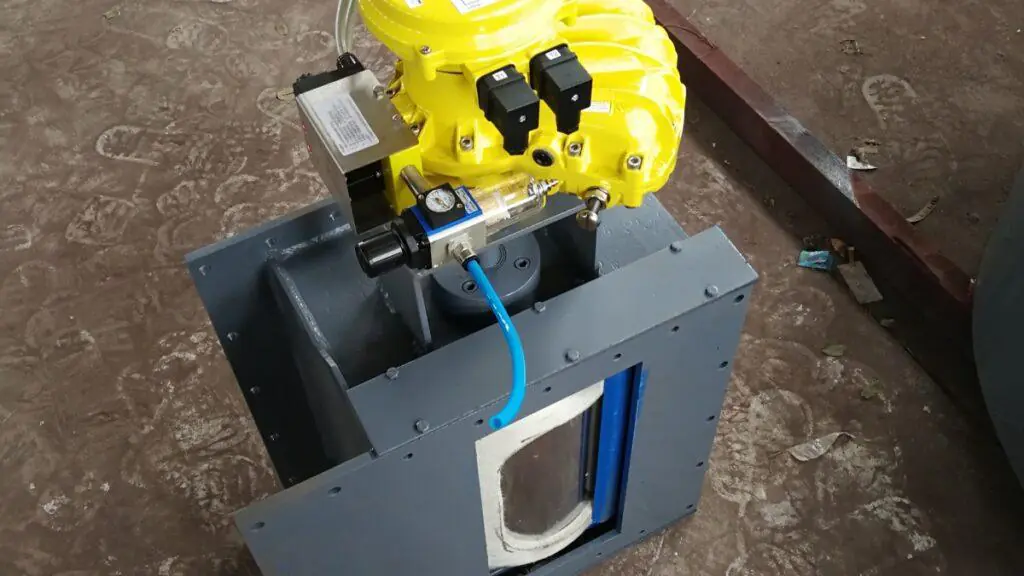
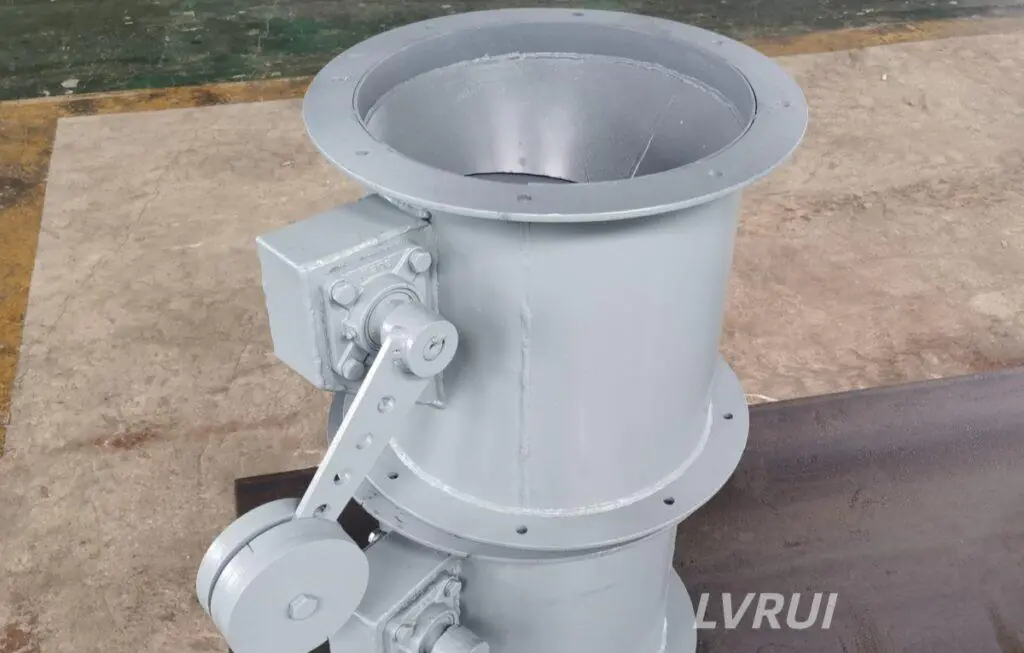
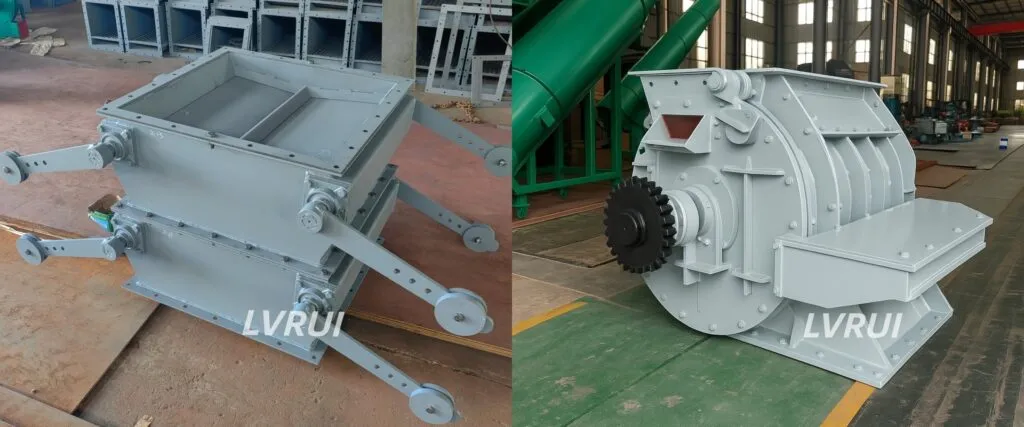
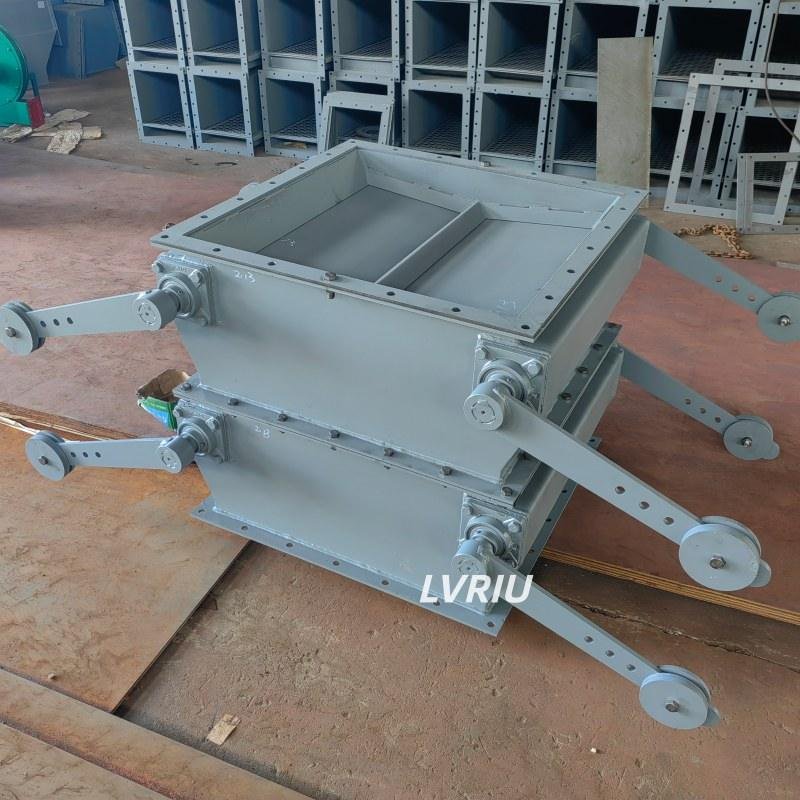
Double Flap Valve
- Two opposing flaps ensure dust-tight sealing and maintain airlock performance.
- Ideal for fine powders like cement, fly ash, and limestone powder.
- Minimal air leakage and low maintenance requirements.
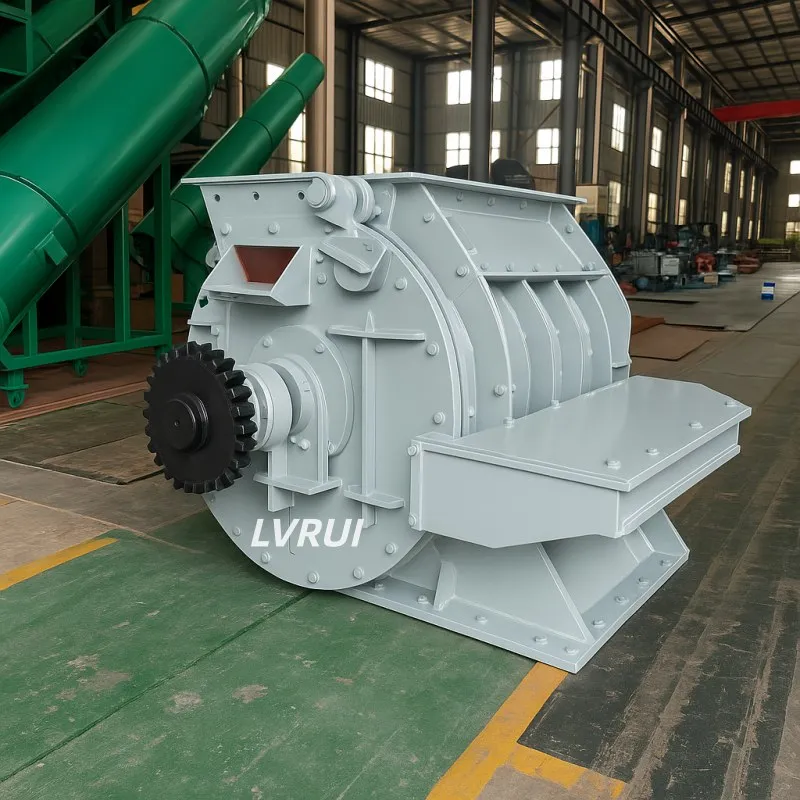
Rotary Valve
- Rotating vanes feed material through the airlock.
- Suitable for high-volume discharge but may generate more dust and require more frequent maintenance.
- Often used in pneumatic conveying systems for uniform flow.
Key Comparison: Double Flap vs Rotary Valve
| Feature | Double Flap Valve | Rotary Valve |
|---|---|---|
| Airlock Integrity | Excellent | Moderate |
| Dust Control | High | Medium |
| Material Compatibility | Fine powder, abrasive | Bulk powder, granular |
| Maintenance | Low | Medium-High |
| Installation | Simple | Requires alignment and motor drive |
| Cost | Moderate | Higher upfront, can be cost-effective for high throughput |
For more details on airlock principles, see the Airlock mechanical device explanation on Wikipedia to understand how these valves maintain pressure and prevent air leakage in bulk powder systems.
Selection Guidelines
- Material Type
- Cement, fly ash, lime powder → Double Flap Valve
- Coarse granules → Rotary Valve
- Flow Rate & System Pressure
- Low-to-medium throughput → Double Flap Valve
- High throughput → Rotary Valve (ensure airlock sealing is acceptable)
- Maintenance & Operating Costs
- Double Flap: Minimal wear parts, easy cleaning
- Rotary: Motor-driven, more moving parts → higher maintenance
- Integration with Conveying Equipment
- Double Flap → Gravity-fed hoppers, air slide conveyors
- Rotary → Screw conveyors, pneumatic transfer lines
For authoritative industry insights on cement and material handling practices, refer to the resource collection from the American Cement Association, which includes technical materials and industry guides relevant to bulk powder handling and concrete production.
FAQ
Q1: When should I choose a double flap valve over a rotary valve?
A: Choose a double flap valve for fine powders, strict airlock requirements, and minimal dust emission. Rotary valves are better for high-volume or coarse materials.
Q2: Can rotary valves provide dust-tight airlock?
A: Rotary valves can maintain moderate airlock integrity but may require additional sealing or downstream dust collection to achieve low emissions.
Q3: How does valve selection affect cement plant efficiency?
A: Proper selection ensures stable powder flow, reduces system downtime, minimizes dust exposure, and optimizes pneumatic and gravity conveying operations.
Q4: What maintenance differences exist between these valves?
A: Double flap valves have fewer moving parts and lower maintenance. Rotary valves require periodic inspection, bearing lubrication, and vane replacement.
Q5: Are double flap valves suitable for all cement powders?
A: They are ideal for fine, free-flowing powders like cement and fly ash. For coarser materials, a rotary valve may be more efficient.
Q6: How to optimize airlock performance when using Double Flap vs Rotary Valve?
A: To optimize airlock performance, ensure proper installation, adjust flap tension or rotor speed, and choose the valve type according to material flow characteristics in your cement or bulk powder system.
Q7: Can Double Flap vs Rotary Valve affect dust control in cement powder handling?
A: Yes, using a double flap valve generally reduces dust emission compared to rotary valves. Selecting the right valve type is crucial for minimizing dust while maintaining reliable powder flow and airlock integrity.
CTA
Improve your cement plant efficiency with the right airlock valve—choose LVRUI for expert advice and reliable solutions.
👉 Contact LVRUI for tailored double flap or rotary valve selection, fast delivery, and engineering support.
📩 info@lvrui-conveyor.com
🌐 https://lvrui-conveyor.com
Indonesian Short Version
Double Flap Valve vs Rotary Valve: Panduan Pilihan untuk Aliran Bubuk Semen dan Performa Airlock
Double flap valve ideal untuk bubuk halus seperti semen atau fly ash, menjaga aliran stabil dan mengurangi debu. Rotary valve cocok untuk material kasar dan volume tinggi. Pilih valve sesuai jenis material dan kapasitas aliran. Hubungi LVRUI untuk panduan pemilihan dan solusi kustom.