(EN)Best Practices for Material Selection, Sealing, and Maintenance in Cement Plants
(ID)Praktik Terbaik untuk Pemilihan Material, Segel, dan Pemeliharaan di Pabrik Semen
Introduction
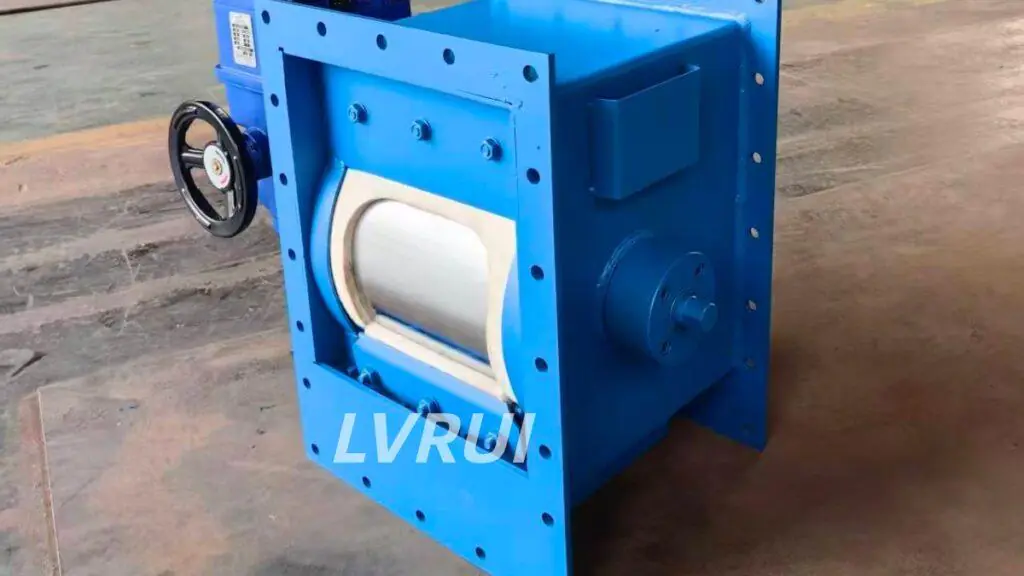
In cement plants and other bulk powder handling facilities, maintaining reliable flow of materials is critical for operational efficiency. Electric flow control gate valves are essential components that regulate material discharge, prevent blockages, and reduce product loss. Choosing the correct valve ensures smooth powder flow, reduces maintenance costs, and supports long-term plant productivity.
Industrial engineers and procurement specialists searching for valves often focus on three main concerns: durability, reliability, and compatibility with multi-material powder systems. By following best practices in valve selection and operation, companies can achieve optimal flow control and system efficiency.
1. Material Compatibility
Electric flow control gate valves must be compatible with a wide range of powders, including:
- Cement
- Fly ash
- Lime
- Clinker powder
- Other fine, abrasive powders
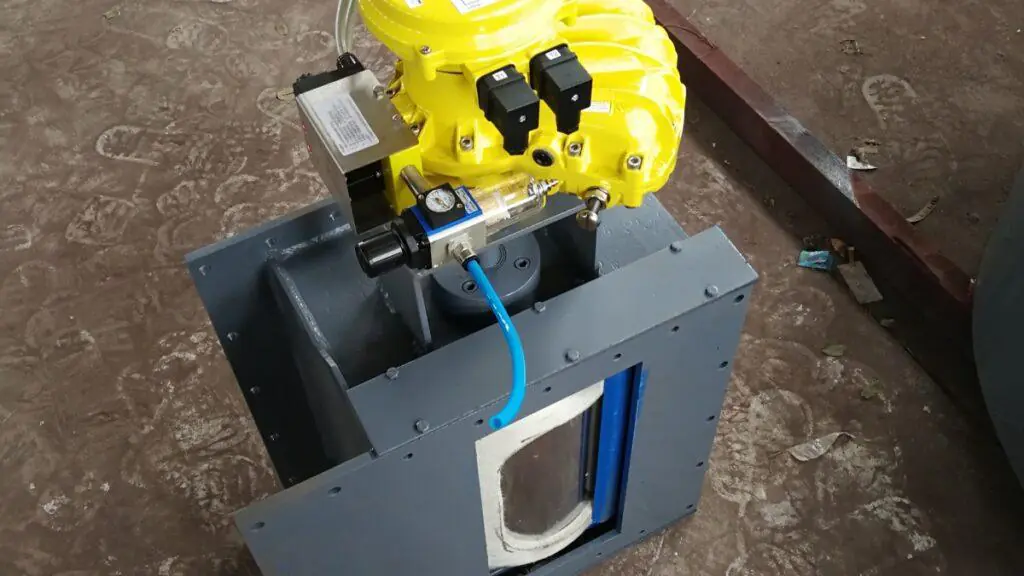
Material selection is critical. Valves constructed with high-grade stainless steel, wear-resistant coatings, or reinforced polymers withstand abrasive particles and corrosive environments. This reduces the risk of premature wear, extending the valve lifespan and minimizing maintenance downtime.
- Practical Tip: For plants handling multiple materials, choose valves with interchangeable liners or modular components to adapt to different powders.
👉 bulk powder handling systems
2. Sealing and Leakage Prevention
Proper sealing is essential to prevent material leakage, dust contamination, and pressure drop.
- High-quality elastomer or PTFE seals provide airtight closure even under high-frequency operation.
- Minimal gap design ensures fine powders do not escape during operation.
- Advanced sealing technology can withstand abrasive and sticky powders without frequent maintenance.
- Application Example: A cement plant using an air slide conveyor benefits from tight-sealing valves to prevent powder backflow and maintain consistent flow rates.
👉 industrial sealing solutions
3. Actuator and Drive Options
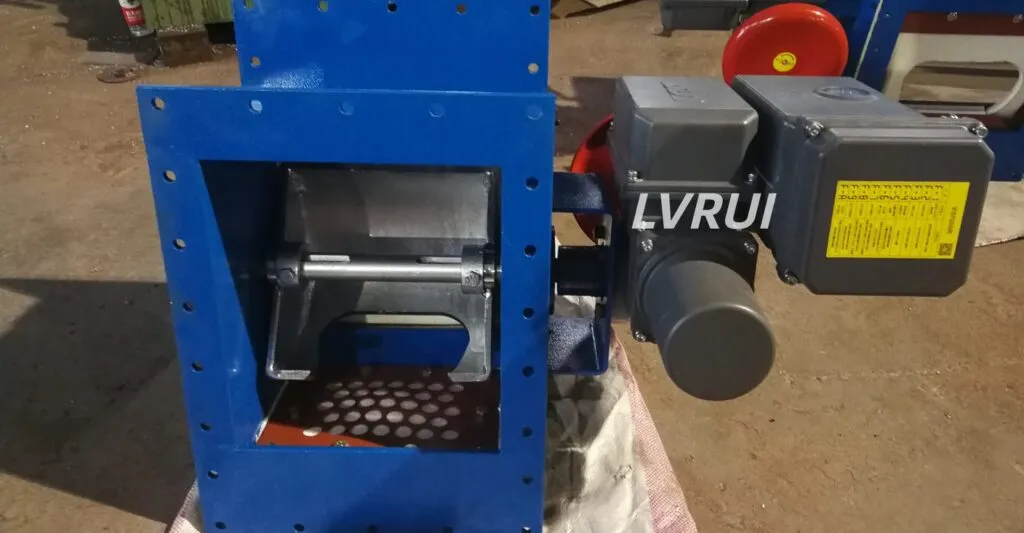
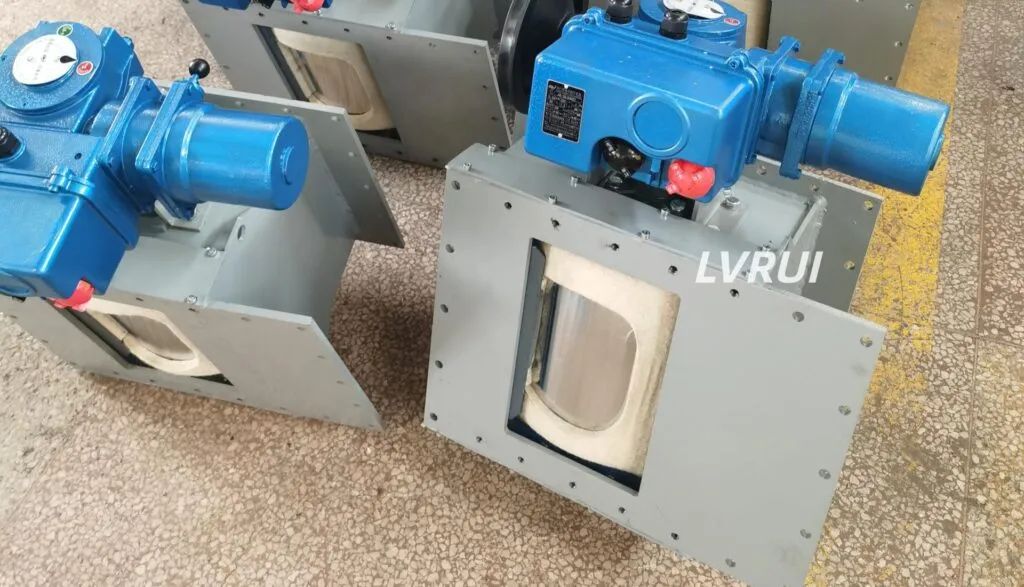
Electric actuators are preferred in modern powder handling systems due to precise flow control and integration with automation systems.
- Consider torque, speed, and control accuracy for optimal valve operation.
- Energy-efficient actuators reduce operational costs.
- Integration with PLC or SCADA systems allows automated adjustments based on real-time plant data.
4. Reliability and Durability
Valves in industrial powder systems must withstand:
- Continuous operation in high-volume cement plants
- Abrasive powders like fly ash and lime
- High dust concentrations
Design Considerations:
- Robust valve body and precision-machined components reduce wear.
- Maintenance-friendly design ensures replacement parts are easily accessible.
- Durability directly reduces plant downtime and operational costs.
5. Installation and Maintenance
Proper installation is critical:
- Align valve body with inlet/outlet pipes to reduce material abrasion.
- Ensure actuator calibration for precise flow control.
- Regular inspection of seals and moving parts prevents unexpected failures.
Maintenance Schedule Example:
- Monthly visual inspection of seals and actuators
- Quarterly lubrication and actuator check
- Annual component replacement for high-wear applications
6. Integration with Air Slide Conveyors
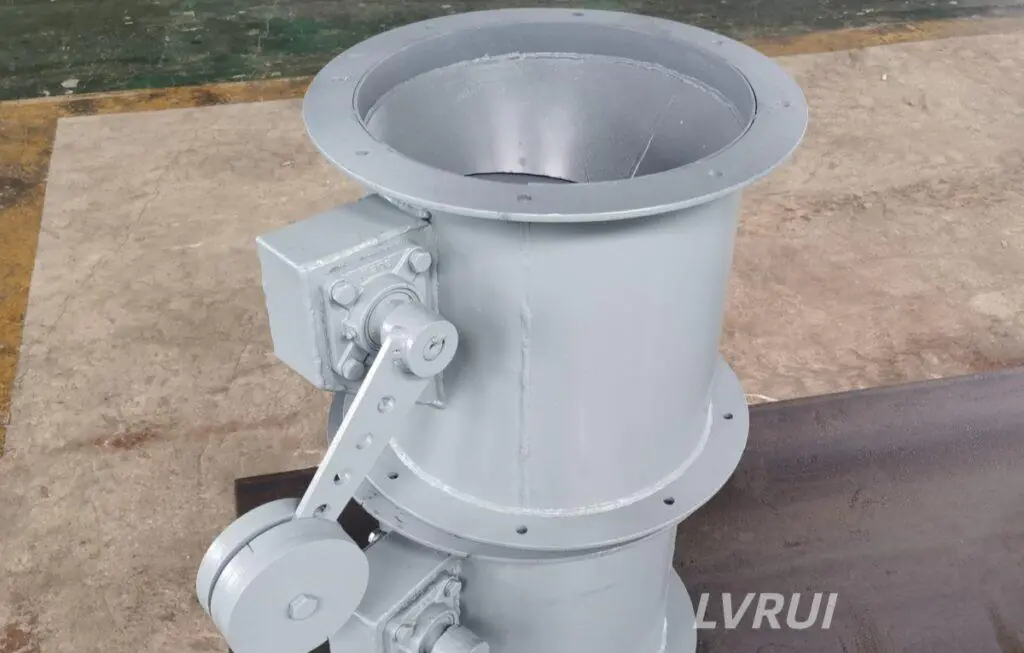
Electric flow control gate valves often work in combination with air slide conveyors for bulk powder transport.
- Ensure proper valve positioning to maintain uniform material flow.
- Avoid abrupt direction changes that can cause powder blockage.
- Use wear-resistant liners for high-abrasion applications.
Highlight applications in cement plants in Indonesia, UAE, and Southeast Asia, as these regions commonly deploy air slide conveyor systems.
7. Cost, Delivery, and Supplier Reliability
Procurement teams value:
- Competitive pricing without compromising quality
- Timely delivery to align with production schedules
- Long-term supplier support for parts and maintenance
Selecting a supplier with proven experience in multi-material powder valves ensures a reliable supply chain and reduces operational risk.
FAQs
- Q1: Can a single valve handle multiple powder types?
A1: Yes, with proper material selection and adjustable actuators, a single electric flow control gate valve can efficiently handle cement, fly ash, lime, and other powders. - Q2: How to prevent leakage in fine powder applications?
A2: Use valves with advanced seals, minimal gap design, and adhere to scheduled maintenance. - Q3: What is the expected service life of these valves?
A3: Typically 5–10 years depending on material abrasiveness and maintenance practices. - Q4: Can these valves integrate with air slide conveyors?
A4: Yes, proper valve installation ensures stable flow and prevents blockages in conveyor systems. - Q5: How to select the correct actuator?
A5: Consider torque, control precision, energy efficiency, and compatibility with plant automation systems. - Q6: Are electric flow control gate valves better than pneumatic ones?
A6: Electric valves provide higher precision, lower maintenance, easier automation integration, and improved energy efficiency.
CTA Section
Need to ensure stable and reliable powder flow in your plant? Contact LVRUI for high-performance electric flow control gate valves, fast delivery, and professional support.
📧 info@lvrui-conveyor.com | 🌐 lvrui-conveyor.com
Versi Singkat Bahasa Indonesia
Panduan ini menjelaskan cara memilih dan mengoperasikan katup kontrol aliran listrik (electric flow control gate valve) untuk semen, abu terbang, kapur, dan bahan serbuk lainnya. Artikel ini membahas pemilihan material, teknologi segel, pilihan aktuator, integrasi dengan air slide conveyor, serta praktik pemeliharaan terbaik untuk memastikan aliran serbuk yang stabil, mencegah penyumbatan, dan meningkatkan efisiensi pabrik semen di Indonesia dan Asia Tenggara.