
Mobile Dust Collection Hood for Bagged Cement Loading
Telescopic Dust Capture Hood Installed Before Bag Filter for Cement Bag Truck Loading
What Is a Mobile Dust Collection Hood?
A mobile dust collection hood for bagged cement loading is a movable and telescopic dust capture device installed before a bag filter or dust collector. It is used above cement bag truck loading points, conveyor loading lines, manual loading stations, and bag handling areas to collect airborne cement dust generated during bagged cement loading operations.
Unlike a complete dust collector, this equipment works as the front-end dust capture hood of the dust collection system. The hood captures dust at the source, while the connected bag filter, fan, ductwork, and dust discharge system complete the filtration process.
For cement plants, packing plants, and bulk material terminals, a mobile dust collection hood helps reduce dust around workers, loading platforms, truck loading bays, and cement bag transfer points. Its movable and retractable design makes it suitable for loading areas where truck positions, loading heights, or working locations may change.
How Does the Mobile Dust Collection Hood Work?
The mobile dust collection hood works by capturing dust near the cement bag loading point and guiding the dust-laden air into the connected bag filter system.
Typical working process:
✅ Cement bags are transferred by belt conveyor, manual handling, or loading equipment.
✅ Dust is generated during bag falling, stacking, truck loading, and bag movement.
✅ The movable dust collection hood is positioned above or near the dust source.
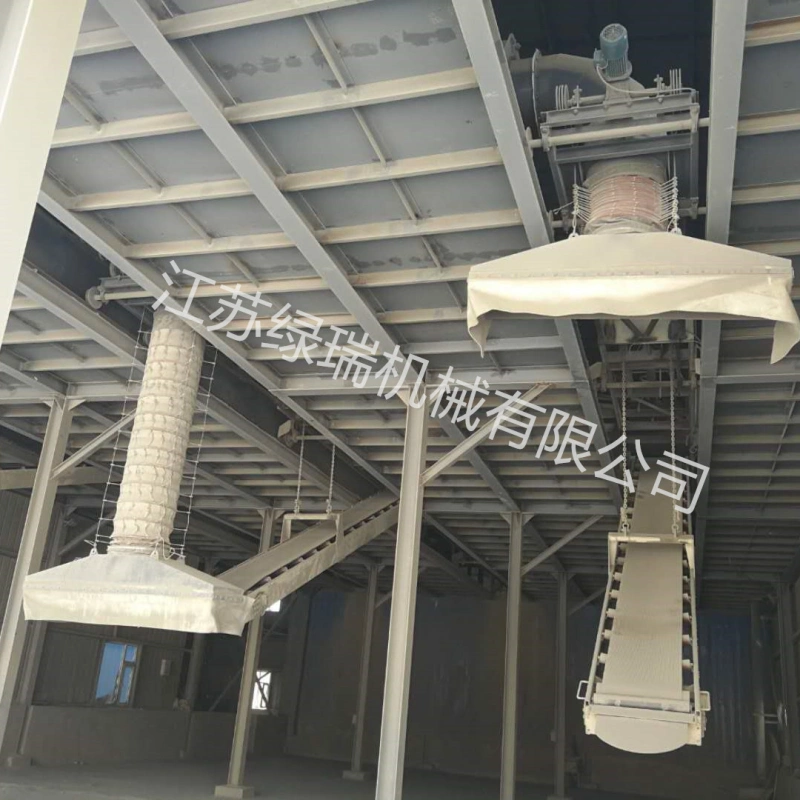
✅ The telescopic hood or flexible canvas skirt helps cover the dust area.
✅ Dust-laden air is pulled into the hood by negative pressure from the bag filter fan.
✅ Cement dust is transported through ductwork to the bag filter.
✅ Clean air is discharged after filtration, while collected dust is removed from the filter hopper.
The key design principle is local dust capture. By placing the dust hood close to the source, the system can reduce dust spread before it enters the wider working area.
For bulk cement loading applications, LVRUI also provides loading spouts and related loading equipment.
For complete plant-level dust treatment, it can be integrated into a customized dust control system.
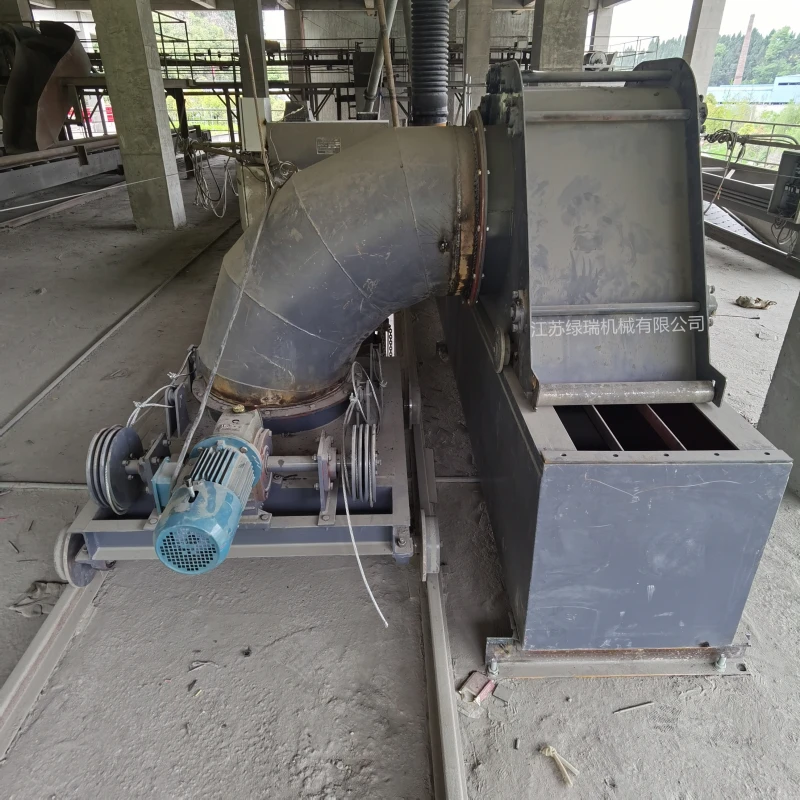
Key Features
✅ Mobile structure for flexible use at different loading positions
✅ Telescopic or retractable hood design for adjustable working height
✅ Designed for bagged cement truck loading and manual loading points
✅ Installed before a bag filter or dust collector
✅ Flexible canvas skirt helps improve dust containment
✅ Suitable for cement bag conveyor discharge and loading platforms
✅ Can be connected with existing bag filter systems
✅ Helps reduce airborne cement dust around workers
✅ Custom hood size according to truck loading bay and site layout
✅ Suitable for cement plants, packing plants, warehouses, and terminals
Main Components
| Component | Function | Why It Matters |
|---|---|---|
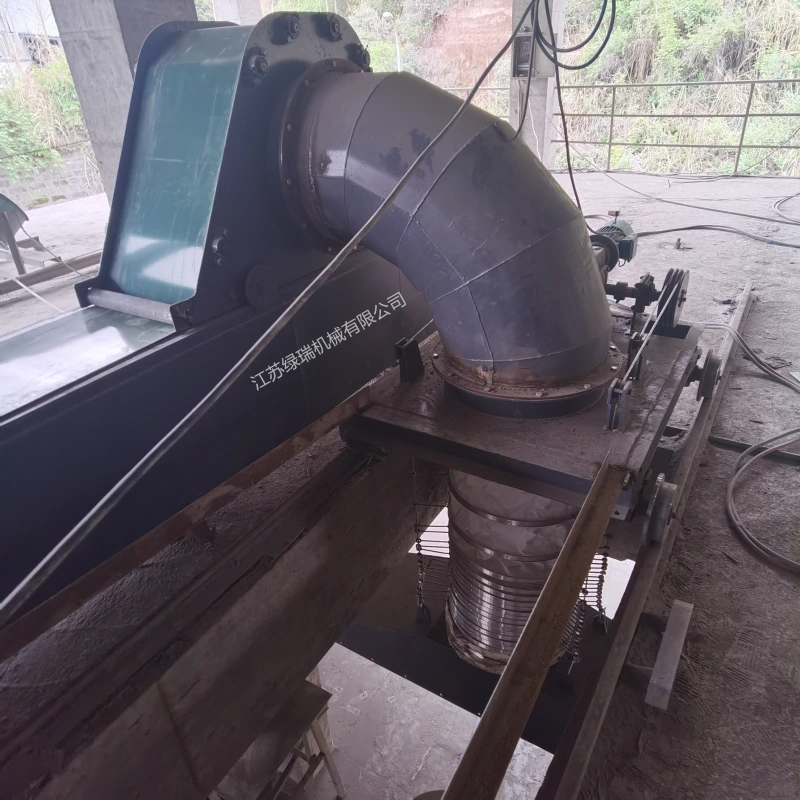
| Mobile Support Frame | Supports the hood structure | Allows flexible movement and positioning |
| Telescopic Hood Body | Adjusts the hood height | Fits different loading heights and truck positions |
| Flexible Canvas Skirt | Helps contain dust near loading point | Reduces dust escape during bag loading |
| Dust Collection Inlet | Connects hood to ductwork | Transfers dust-laden air to bag filter |
| Lifting / Adjustment Device | Controls hood movement | Improves site adaptability |
| Duct Connection | Links hood with bag filter system | Keeps airflow continuous |
| Bag Filter Interface | Connects to existing dust collector | Allows integration with plant dust control system |
| Optional Guide Rail / Wheels | Supports mobile operation | Useful for multi-position loading bays |
Typical Applications
✅ Bagged cement truck loading
✅ Cement bag conveyor loading line
✅ Manual cement bag loading station
✅ Cement packing plant loading area
✅ Cement bag transfer point
✅ Truck loading bay dust capture
✅ Cement bag warehouse loading area
✅ Bagged powder loading and handling
✅ Lime powder bag loading
✅ Fly ash or powder bag handling area
This mobile dust collection hood is especially useful when the loading point is not fixed or when one dust capture hood needs to serve multiple truck loading positions.
Why Bagged Cement Loading Needs a Dust Collection Hood
Bagged cement loading often creates dust even though the material is already packed in bags. Dust can come from bag surface residue, damaged bags, bag falling impact, conveyor discharge, manual stacking, and truck loading movement.
Common problems include:
✅ Dust around loading workers
✅ Dust accumulation on loading platforms
✅ Cement dust spreading near truck bays
✅ Poor visibility in enclosed loading areas
✅ Increased cleaning work
✅ Dust entering nearby equipment or electrical cabinets
✅ Difficulty controlling dust with only a distant exhaust point
A mobile dust collection hood captures dust closer to the source and works with a bag filter to improve the overall dust control effect.
Mobile Dust Collection Hood vs Fixed Dust Hood
| Item | Mobile Dust Collection Hood | Fixed Dust Hood |
|---|---|---|
| Position | Movable and adjustable | Fixed installation |
| Working Height | Telescopic or retractable | Usually fixed |
| Loading Flexibility | Suitable for changing truck positions | Better for fixed loading points |
| Application | Multi-position bagged cement loading | Single loading point |
| Installation | Can be customized with wheels, rails, or frame | Requires fixed structure |
| Dust Capture | Captures dust close to loading area | Depends on fixed hood coverage |
| Best Use | Truck loading bays and manual loading points | Stable conveyor discharge point |
How to Select the Right Mobile Dust Collection Hood
To select a suitable mobile dust collection hood, the hood size and movement range should match the actual loading process, truck position, dust source, and existing bag filter capacity.
| Selection Factor | What to Confirm |
|---|---|
| Material | Bagged cement, fly ash bag, lime powder bag, or other powder bags |
| Loading Method | Manual loading, belt conveyor loading, or loading machine |
| Truck Type | Flatbed truck, container truck, open truck, or covered loading bay |
| Loading Position | Fixed point or multiple loading positions |
| Hood Size | Width and length of dust capture area |
| Telescopic Range | Required height adjustment distance |
| Canvas Skirt Length | Required dust containment height |
| Connection Method | Duct connection to existing bag filter |
| Air Volume | Required airflow according to hood size and dust level |
| Site Layout | Column spacing, roof height, platform width, truck access |
| Mobility Method | Wheels, guide rail, suspended frame, or manual movement |
| Existing Dust Collector | Bag filter model, fan capacity, duct size, and pressure condition |
For better dust capture, the hood should be positioned as close as possible to the dust source without blocking workers, conveyor movement, or truck loading operation.
Integration with Bag Filter System
The mobile dust collection hood normally works together with a bag filter, centrifugal fan, dust duct, control valve, and dust discharge device. It does not replace the bag filter. Instead, it improves the front-end dust capture efficiency of the dust collection system.
A typical system includes:
✅ Dust collection hood
✅ Mobile winch trolley
✅ Dust collection telescopic bag
✅ Mobile dust collection slider
✅ Fixed blower box
✅ Bag filter or dust collector
✅ Control cabinet
If the plant already has a bag filter system, the hood can be customized according to the existing duct size, fan air volume, and installation space.
This design follows the same principle as local exhaust ventilation for workplace dust extraction, where dust is captured close to the source before it spreads into the working area.
Mobile Dust Collection Hood FAQs
What is a mobile dust collection hood used for?
A mobile dust collection hood is used to capture dust near the dust source. For bagged cement loading, it is installed above or near the cement bag truck loading point to collect airborne cement dust before it spreads into the working area.
Is this equipment a complete dust collector?
No. It is mainly the front-end dust capture hood. It usually needs to work with a bag filter, fan, ductwork, and dust discharge system to complete dust filtration.
Can it be used for bagged cement truck loading?
Yes. It is designed for bagged cement truck loading, cement bag conveyor loading, manual loading stations, and cement packing plant loading areas.
Why should the hood be movable?
A movable dust collection hood is useful when truck positions, loading heights, or loading points change. It can be adjusted according to actual loading conditions instead of being limited to one fixed position.
Can the hood be connected to an existing bag filter?
Yes. The hood can be connected to an existing bag filter system, but the duct size, air volume, fan pressure, and hood coverage area should be checked before design.
What is the function of the flexible canvas skirt?
The flexible canvas skirt helps cover the dust-generating area and reduce dust escape during cement bag loading. It also allows some flexibility when the loading height or bag stacking height changes.
What information is required before quotation?
Normally, the required information includes loading method, truck type, loading bay size, hood size, required telescopic height, existing bag filter capacity, duct size, fan power, and site layout photos or drawings.
Can it be customized?
Yes. The hood size, support frame, telescopic height, canvas skirt, duct connection, movement method, and installation structure can be customized according to the loading site.
Need Help Selecting a Mobile Dust Collection Hood?
Send LVRUI your bagged cement loading point dimensions, dust source location, required hood movement range, available duct connection, installation layout and dust collector interface. LVRUI will confirm a suitable mobile dust collection hood size, travel arrangement and connection configuration according to the loading area.
✅ Hood dimensions matched to the cement bag loading point
✅ Mobile travel range configured according to site layout
✅ Dust extraction connection matched to the existing duct system
✅ Support and installation dimensions confirmed from the project drawing